Are You Really Fishing, or Just Drowning Worms?
Let’s face it, most of us think we know how to fish. We’ve watched our fathers, uncles, or maybe even just seen enough fishing shows on TV to convince ourselves we’ve got the basics down. But how many of us are really catching fish consistently? How many of us are just… well, drowning worms and hoping for the best?
It’s a humbling question, isn’t it? Fishing, at its core, is a deceptively simple pursuit. Throw a line in the water, wait for a bite, reel it in. But the reality is far more nuanced. It’s a blend of science, art, patience, and a healthy dose of luck. And more often than not, it’s the subtle mistakes, the overlooked details, that separate the successful anglers from the merely wishful ones.
Think about it. How much time do you actually spend analyzing your failures? Do you meticulously record your successes, noting the weather conditions, the time of day, the specific lure you were using, and the location where you landed the fish? Or do you chalk up a slow day to “they just weren’t biting” and move on?
If you’re honest with yourself, you probably fall into the latter category. And that’s okay. We all start somewhere. But if you’re ready to elevate your fishing game, to stop simply hoping and start actively catching, then it’s time to confront some uncomfortable truths and address the common mistakes that are holding you back.
The Myth of the “Lucky Spot”
We all have that one spot, right? The place where we caught our first fish, or where we always seem to have a little more luck than anywhere else. It’s tempting to cling to these “lucky spots,” to return to them time and time again, hoping for a repeat performance. But relying solely on a single location is a recipe for disappointment.
Why? Because fish are constantly on the move. Their behavior is influenced by a multitude of factors, including water temperature, oxygen levels, food availability, and even the weather. A spot that was teeming with fish last week might be completely barren today.
The key is to understand the underlying principles that make a particular spot attractive to fish in the first place. Is it a deep hole that provides refuge from predators? Is it a shallow flat where baitfish congregate? Is it near a submerged structure that offers cover and ambush points? Once you understand these principles, you can apply them to new locations and dramatically increase your chances of success.
Instead of blindly returning to the same “lucky spot,” become a student of the water. Learn to read the subtle cues that indicate the presence of fish. Look for signs of baitfish activity, such as surface disturbances or birds diving into the water. Pay attention to the water clarity, the current, and the structure of the bottom. The more you understand the dynamics of the underwater environment, the better equipped you’ll be to find fish, regardless of where you are.
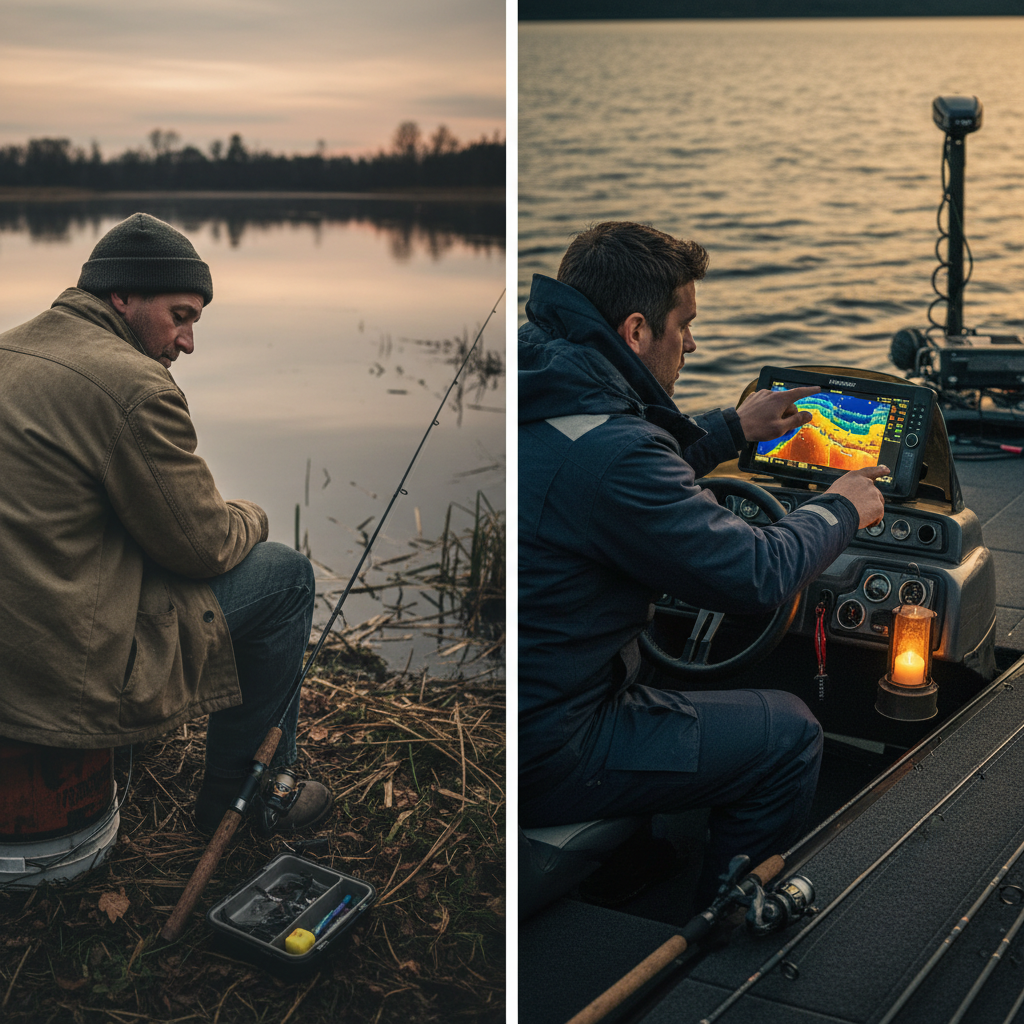
Ignoring the Intel: Your Underwater Eyes and Ears
In today’s world, we have access to an incredible array of technology that can help us become better anglers. Fish finders, GPS units, and even underwater cameras can provide invaluable insights into the underwater world, revealing the location of fish, the structure of the bottom, and the presence of baitfish.
Yet, many anglers stubbornly resist using these tools, clinging to the outdated notion that fishing is a purely “natural” pursuit. They view technology as a crutch, an unfair advantage that detracts from the challenge of the sport. But this is a misguided perspective.
Think of it this way: a carpenter wouldn’t build a house without a level, a square, and a measuring tape. These tools don’t make him any less of a carpenter; they simply allow him to do his job more effectively. Similarly, fishing technology doesn’t make you any less of an angler; it simply provides you with the information you need to make informed decisions and increase your chances of success.
Learning to use a fish finder, for example, can be a game-changer. It allows you to identify submerged structures, locate schools of baitfish, and even distinguish between different types of fish. With this information, you can target your casts more precisely and avoid wasting time fishing in unproductive areas.
GPS units can also be incredibly helpful, allowing you to mark productive fishing spots, navigate unfamiliar waters, and even track your movements over time. And underwater cameras can provide a firsthand look at the underwater environment, revealing the types of cover and structure that fish are using.
Don’t be afraid to embrace technology. It’s not about replacing your skills as an angler; it’s about enhancing them and giving you a competitive edge.
The Lure Lunacy: Are You Using the Right Bait?
Walk into any tackle shop, and you’ll be bombarded with an overwhelming array of lures, baits, and terminal tackle. It’s enough to make even the most experienced angler’s head spin. But while having options is undoubtedly a good thing, it can also lead to paralysis by analysis. How do you choose the right lure for the job?
The key is to understand the fundamental principles of lure selection. What type of fish are you targeting? What is the water clarity? What is the depth you’ll be fishing? What is the predominant forage in the area? These are all critical questions that you need to consider before making a decision.
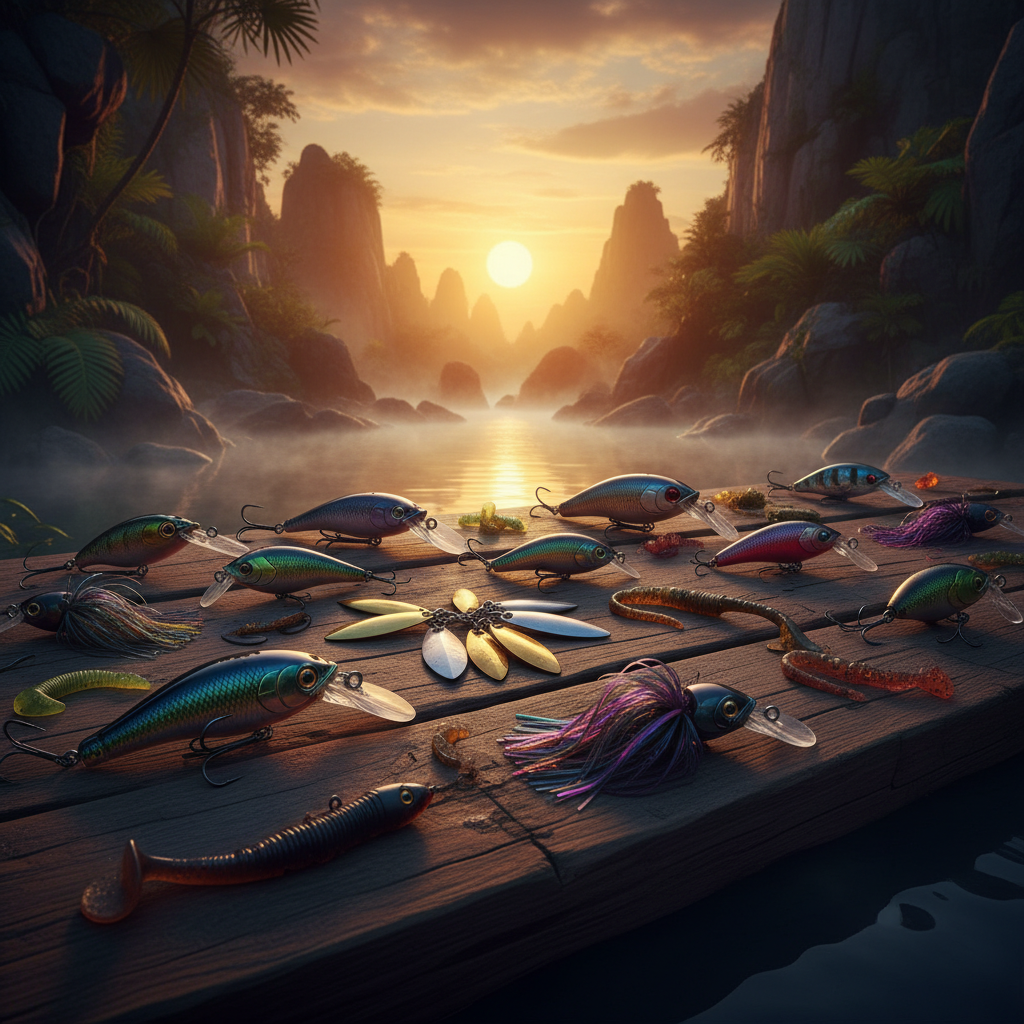
For example, if you’re fishing for bass in murky water, you’ll want to use lures that create a lot of vibration and sound, such as crankbaits or spinnerbaits. These lures will help the bass locate your bait even in low-visibility conditions. On the other hand, if you’re fishing for trout in clear water, you’ll want to use smaller, more natural-looking lures, such as flies or small spinners.
It’s also important to match the hatch, meaning you should try to use lures that resemble the predominant forage in the area. If you see a lot of minnows swimming around, try using a crankbait or swimbait that mimics their appearance. If you see a lot of insects hatching, try using a fly that imitates those insects.
Don’t be afraid to experiment with different lures and techniques. Fishing is a constant learning process, and the only way to figure out what works is to try different things and see what happens. But remember to always start with the fundamentals and consider the factors that influence lure selection.
The Presentation Predicament: It’s Not Just What You Use, But How You Use It
Even if you have the perfect lure and are fishing in the perfect spot, you can still fail to catch fish if your presentation is off. Presentation refers to the way you present your lure to the fish. It includes factors such as your retrieve speed, your rod action, and your line management.
Think of it like this: you could have the most delicious meal in the world, but if you present it poorly, no one will want to eat it. Similarly, you could have the most enticing lure in the world, but if you present it incorrectly, fish will simply ignore it.
One of the most common mistakes anglers make is retrieving their lures too quickly. Fish are often more likely to strike a lure that is moving slowly and deliberately. Vary your retrieve speed to see what works best. Try pausing your lure occasionally to give the fish a chance to catch up.
Rod action is also important. The way you move your rod can dramatically affect the action of your lure. Use your rod to impart subtle twitches and jerks to your lure, making it appear more lifelike and enticing. Experiment with different rod actions to see what triggers strikes.
Line management is another crucial aspect of presentation. Keep your line tight and free of slack. This will allow you to feel even the slightest bites and set the hook quickly. Use your reel to take up slack as you retrieve your lure. And be sure to check your line regularly for nicks and abrasions.
Mastering presentation takes practice and patience. But it’s one of the most important skills you can develop as an angler. The ability to present your lure in a natural and enticing way will dramatically increase your chances of catching fish.
The Hook-Setting Hysteria: From Nibble to Net
You’ve done everything right. You’ve chosen the perfect lure, you’ve found the perfect spot, and you’ve presented your lure flawlessly. A fish strikes! But now what? This is where many anglers fail to capitalize on their hard work.
Setting the hook is a critical moment in the fishing process. It’s the point where you transform a mere nibble into a securely hooked fish. A weak or poorly timed hook set can result in a missed opportunity, leaving you empty-handed and frustrated.
The key to a good hook set is to react quickly and decisively. As soon as you feel a bite, immediately reel up any slack in your line and then sharply jerk your rod upwards. The goal is to drive the hook firmly into the fish’s mouth.
The type of hook set you use will depend on the type of lure you’re using. For example, when using a single hook lure like a jig or a worm, you’ll want to use a sweeping hook set, pulling the rod to the side and reeling simultaneously. When using a treble hook lure like a crankbait or a topwater, you’ll want to use a more vertical hook set, jerking the rod straight upwards.
It’s also important to consider the type of fish you’re targeting. Fish with bony mouths, such as bass, require a more aggressive hook set than fish with soft mouths, such as trout.
Practice your hook set regularly. The more you practice, the more natural it will become. And the more natural it becomes, the more fish you’ll catch.
The Underestimated Art of Stealth
We often think of fishing as a purely technical pursuit, focusing on lures, techniques, and equipment. But one of the most overlooked aspects of successful angling is stealth. Fish are highly sensitive to their surroundings, and they can easily be spooked by noise, vibrations, or sudden movements.
Think about it from the fish’s perspective. They live in a world of constant danger, surrounded by predators. They are constantly on alert, scanning their environment for threats. Any unusual sound or movement can trigger their flight response, causing them to flee to safety.
That’s why it’s so important to be as quiet and unobtrusive as possible when you’re fishing. Avoid slamming your boat, stomping your feet, or yelling to your fishing buddies. Move slowly and deliberately, and try to blend in with your surroundings.
Wear clothing that is camouflaged or that blends in with the natural colors of the environment. Avoid wearing bright colors, which can easily be seen by fish.
Pay attention to the wind. Fish are often more skittish on windy days, as the wind can amplify sounds and make it more difficult for them to detect threats. If possible, fish with the wind at your back, which will help to mask your movements and sounds.
Stealth is a subtle but powerful skill. By minimizing your impact on the environment, you can dramatically increase your chances of catching fish.
The Weather Whimsy: More Than Just Sunshine and Rain
We often check the weather forecast before heading out on a fishing trip, primarily to see if it’s going to be sunny or rainy. But weather is much more than just sunshine and rain. It encompasses a wide range of factors, including air temperature, water temperature, wind speed, barometric pressure, and cloud cover.
These factors can all have a significant impact on fish behavior. For example, fish are generally more active in warmer water temperatures. They are also more likely to be active on days with stable barometric pressure.
Wind speed can also affect fish behavior. On windy days, fish often seek shelter in protected areas, such as behind submerged structure or in deep holes. Cloud cover can also influence fish activity. On cloudy days, fish are often more active because they are less exposed to sunlight.
The key is to understand how these different weather factors interact with each other and how they affect the specific type of fish you’re targeting. Do some research and learn how different weather conditions affect fish behavior in your area.
Keep a fishing log and record the weather conditions on each of your fishing trips. Over time, you’ll start to notice patterns and correlations between weather and fish activity. This will help you to predict when and where the best fishing opportunities will be.
The Ethics of the Catch: Respecting the Resource
Fishing is a privilege, not a right. As anglers, we have a responsibility to protect the resource and ensure that future generations will have the opportunity to enjoy the sport.
This means practicing catch and release whenever possible. Catch and release is the practice of releasing fish back into the water after they have been caught. This helps to maintain healthy fish populations and ensures that there are enough fish for everyone to enjoy.
When practicing catch and release, it’s important to handle fish carefully. Use wet hands to avoid removing the protective slime layer from their skin. Avoid dropping fish on hard surfaces. And try to remove the hook as quickly and gently as possible.
It’s also important to follow all fishing regulations and laws. These regulations are designed to protect fish populations and ensure that they are not overfished.
Dispose of your trash properly. Never leave litter behind on the shoreline or in the water. Pick up any trash that you see, even if it’s not yours.
Respect other anglers and their space. Don’t crowd other anglers or cast your line over their lines. Be courteous and considerate of others who are sharing the resource.
By practicing responsible fishing habits, we can help to ensure that the resource is protected for future generations.

The Constant Learner: Never Stop Questioning
The most successful anglers are those who never stop learning. Fishing is a constantly evolving sport, and there are always new techniques, lures, and strategies to learn.
Read books and magazines about fishing. Watch fishing videos online. Attend fishing seminars and workshops. Talk to other anglers and share your experiences. The more you learn, the better you’ll become.
Be open to new ideas and approaches. Don’t be afraid to experiment with different techniques and lures. The only way to figure out what works is to try different things and see what happens.
Keep a fishing log and record your successes and failures. Analyze your data and look for patterns and correlations. What were the weather conditions? What lure were you using? What time of day was it? The more data you collect, the better you’ll be able to understand fish behavior.
Most importantly, never lose your sense of curiosity and wonder. Fishing is a magical sport, and there’s always something new to discover. Embrace the challenge, enjoy the process, and never stop questioning. That’s how you’ll truly become a master angler.
So, the next time you head out to the water, ask yourself: are you really fishing, or just drowning worms? Are you actively learning, adapting, and applying the principles of successful angling, or are you simply relying on luck and hoping for the best? The answer to that question will determine your success on the water.