The Unspoken Promise of a First Cast
We’ve all seen the glossy photos. The triumphant angler, beaming, cradling a monstrous fish that seems to defy gravity. Magazines flaunt them, social media overflows with them. They paint a picture of fishing as a conquest, a measure of skill and bragging rights. But what about the first-timer? The wide-eyed novice venturing into this world for the very first time? For them, it’s rarely about the trophy. It’s about something far more profound. It’s about connection, discovery, and a silent promise whispered between generations.
Think back to your own first fishing trip. Can you recall the exact weight of the fish you caught? The specific lure that sealed the deal? Maybe. But more likely, you remember the feeling. The anticipation bubbling in your stomach as you baited your hook. The quiet satisfaction of casting, even if your line landed in a tangled mess. The shared laughter with a parent, grandparent, or friend. These are the moments that etch themselves into our memories, shaping our perception of fishing for years to come.
The first fishing trip isn’t about the fish. It’s about the lessons learned, the bonds forged, and the appreciation for the natural world that begins to blossom. It’s a gateway to a lifelong passion, a connection to something bigger than ourselves.
Beyond the Catch: A Lesson in Patience
Fishing, at its core, is an exercise in patience. It teaches us to slow down, to observe, to be present in the moment. In a world obsessed with instant gratification, this is a valuable skill, especially for children. A first fishing trip offers a unique opportunity to cultivate this virtue.
Consider the child, fidgeting with excitement, eager to reel in a prize. They cast, and cast again, but nothing. Frustration mounts. This is where the mentor steps in, not with a magic lure or a secret spot, but with gentle encouragement. They explain the rhythms of the water, the habits of the fish, the importance of waiting. They teach the child to listen to the whispers of the wind, to feel the subtle tug on the line.
This isn’t just about catching fish; it’s about learning to cope with disappointment, to persevere in the face of adversity, and to find satisfaction in the process, not just the outcome. It’s a lesson that extends far beyond the banks of a river or the shores of a lake. It’s a lesson about life.
The Intergenerational Bridge: Passing Down Wisdom
Fishing is often a tradition passed down through families. It’s a way for grandparents to share their knowledge with grandchildren, for parents to connect with their children in a meaningful way. It’s a shared experience that transcends generations, creating a bond that strengthens with each passing year.
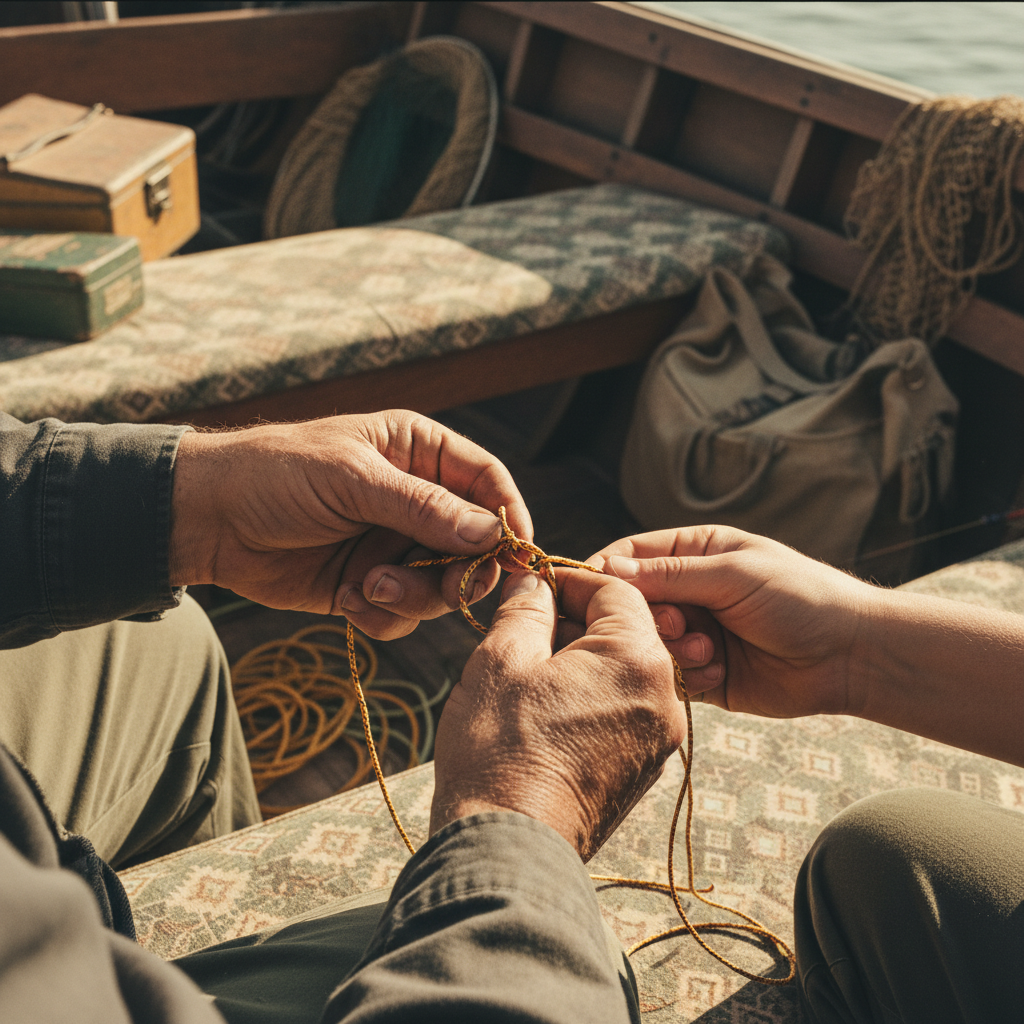
Think of the grandfather teaching his grandson how to tie a knot, the same knot he learned from his own father. Or the mother showing her daughter how to identify different types of fish, sharing stories of her own childhood fishing adventures. These moments are precious, irreplaceable. They create a sense of continuity, a connection to the past, and a hope for the future.
The knowledge passed down isn’t just about fishing techniques; it’s about respecting the environment, appreciating nature, and understanding the importance of conservation. It’s about instilling a sense of responsibility and stewardship for the natural world.
The Symphony of Nature: An Immersive Experience
In our increasingly urbanized world, many children have limited opportunities to connect with nature. A first fishing trip can be a powerful antidote to this disconnect, offering an immersive experience that awakens the senses and fosters a deep appreciation for the natural world.
Imagine the child, accustomed to the sounds of traffic and the glare of screens, suddenly surrounded by the symphony of nature. The gentle lapping of waves against the shore, the rustling of leaves in the trees, the chirping of birds overhead. They see dragonflies flitting across the water, watch squirrels scampering through the undergrowth, and marvel at the intricate patterns of a spider’s web.
These sensory experiences are not just pleasant; they are essential for healthy development. They stimulate creativity, reduce stress, and promote a sense of well-being. A first fishing trip can be a catalyst for a lifelong love of nature, inspiring a desire to protect and preserve our planet.
Beyond the Surface: Understanding Ecosystems
Fishing provides a unique opportunity to learn about ecosystems and the interconnectedness of all living things. It’s a chance to move beyond abstract concepts and engage with the natural world in a tangible way.
The child learns that the fish they are trying to catch is part of a complex food web, dependent on smaller organisms for survival. They discover the importance of clean water, healthy habitats, and responsible fishing practices. They begin to understand the impact of pollution, overfishing, and climate change on the delicate balance of the ecosystem.
This understanding can be a powerful motivator for environmental action. When children see firsthand the beauty and fragility of the natural world, they are more likely to become advocates for its protection. A first fishing trip can be the first step towards becoming a responsible and engaged citizen of the planet.
The Art of Observation: Developing Keen Senses
Successful fishing requires keen observation skills. It’s about paying attention to details, noticing subtle changes in the environment, and interpreting the clues that nature provides. A first fishing trip can be a crash course in the art of observation.
The child learns to read the water, to identify areas where fish are likely to congregate. They learn to recognize different types of bait, to understand the influence of weather patterns, and to adapt their techniques accordingly. They develop a heightened awareness of their surroundings, noticing things they might have overlooked before.
These observational skills are not just useful for fishing; they are valuable in all aspects of life. They enhance critical thinking, improve problem-solving abilities, and foster a deeper understanding of the world around us.

The Crucible of Character: Building Resilience and Responsibility
Fishing isn’t always easy. There are days when the fish just aren’t biting, when the weather turns sour, or when equipment malfunctions. These challenges can be frustrating, but they also provide valuable opportunities to build resilience and develop character.
A first fishing trip can be a crucible, testing the child’s patience, perseverance, and problem-solving skills. They learn to overcome obstacles, to adapt to changing conditions, and to bounce back from setbacks. They discover that success isn’t always guaranteed, but that effort and determination can make a difference.
Moreover, fishing instills a sense of responsibility. Anglers are responsible for following regulations, respecting the environment, and ensuring the sustainability of fish populations. They learn to handle equipment safely, to release fish properly, and to dispose of waste responsibly.
This sense of responsibility extends beyond the fishing trip. It fosters a sense of civic duty, encouraging children to become responsible members of their communities and stewards of the environment.
The Ethics of Angling: Respecting Life and Nature
Fishing is not simply about catching fish; it’s about respecting life and nature. It’s about understanding the ethical implications of our actions and behaving in a responsible and sustainable manner. A first fishing trip offers a chance to instill these values from an early age.
The child learns about the importance of catch and release, of minimizing stress on the fish, and of using appropriate gear. They understand that fish are not simply objects to be caught, but living creatures that deserve respect. They learn about the importance of conservation, of protecting fish habitats, and of ensuring the long-term health of fish populations.
This ethical framework shapes their behavior not only as anglers but also as citizens of the world. It fosters a sense of empathy, compassion, and responsibility towards all living things.
The Reward of Effort: A Sense of Accomplishment
While the first fishing trip isn’t *about* the fish, catching one is undoubtedly a rewarding experience. It’s a culmination of effort, patience, and skill, and it provides a powerful sense of accomplishment.
The child beams with pride as they reel in their first fish, however small it may be. They have overcome challenges, learned new skills, and connected with nature in a meaningful way. This sense of accomplishment boosts their confidence, encourages them to try new things, and reinforces the value of hard work.
This feeling of accomplishment is not just fleeting; it can have a lasting impact on their self-esteem and their overall sense of well-being. It reinforces the idea that they are capable of achieving their goals, and it inspires them to continue learning and growing.
The Unfolding Story: A Lifelong Journey
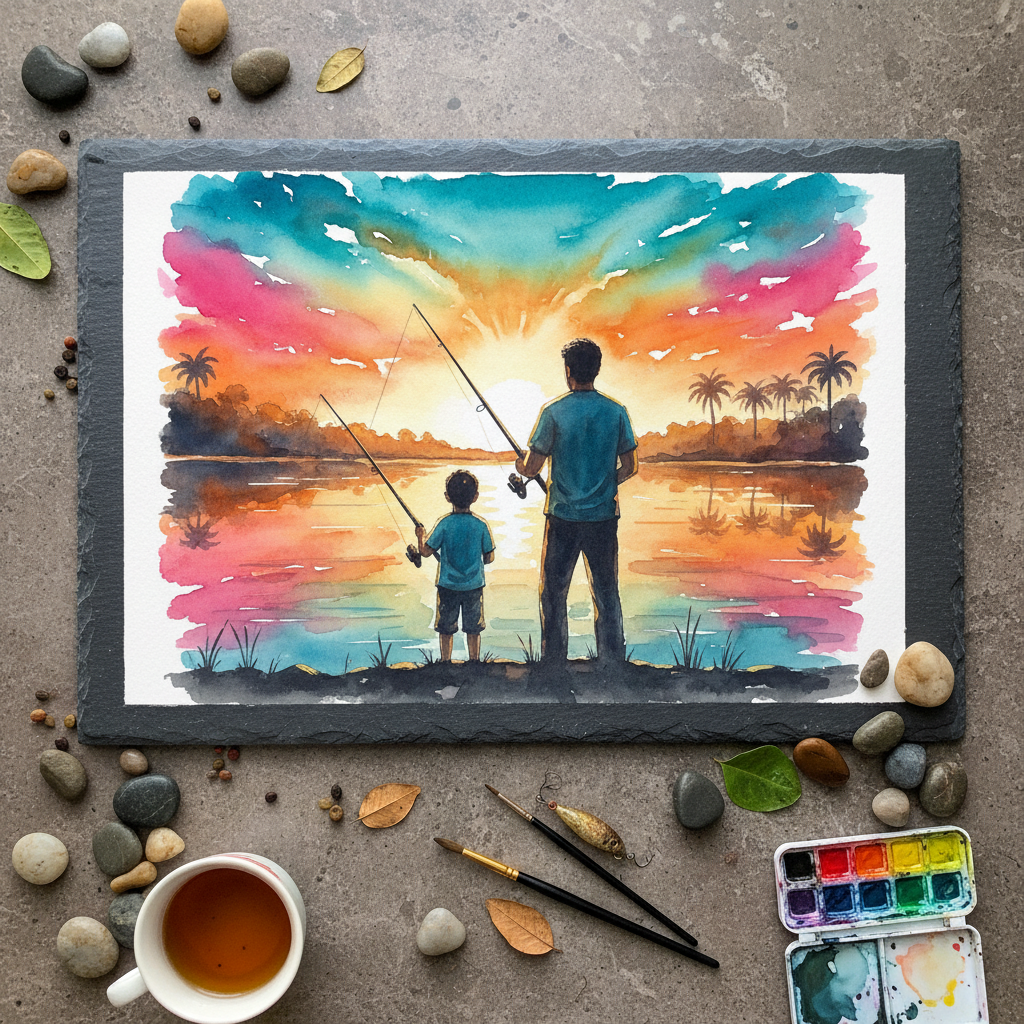
A first fishing trip is not just a one-time event; it’s the beginning of a lifelong journey. It’s the first chapter in a story that will continue to unfold with each cast, each catch, and each shared experience.
It’s a journey of discovery, of learning, and of connection. It’s a journey that takes us to beautiful places, introduces us to fascinating people, and connects us to the natural world in a profound way.
This journey is not always easy; there will be challenges along the way. But the rewards are immeasurable. The memories created, the lessons learned, and the bonds forged will last a lifetime.
Beyond Recreation: Fishing as Therapy
In today’s fast-paced and stressful world, fishing can be a powerful form of therapy. It offers a chance to escape the pressures of daily life, to reconnect with nature, and to find peace and tranquility.
The rhythmic motion of casting, the quiet contemplation of waiting for a bite, and the sense of accomplishment when a fish is caught can all be incredibly therapeutic. Fishing can reduce stress, lower blood pressure, and improve mental well-being.
For children, fishing can be particularly beneficial. It can help them to manage anxiety, improve focus, and build self-esteem. It can also provide a positive outlet for energy and frustration.
The Call of the Wild: Rekindling Our Ancestral Connection
Fishing is an ancient practice, deeply rooted in human history. For thousands of years, our ancestors relied on fishing for survival. It was a skill passed down from generation to generation, a connection to the natural world that was essential for their well-being.
In today’s modern world, we have become increasingly disconnected from our ancestral roots. Fishing offers a chance to rekindle that connection, to experience the same challenges and rewards that our ancestors faced.
It’s a reminder of our dependence on the natural world, and it fosters a sense of respect and appreciation for the resources that sustain us. It’s a way to reconnect with our past and to honor the traditions of those who came before us.
The Enduring Legacy: Passing on the Passion
The greatest gift you can give a child on their first fishing trip is not a fish; it’s a passion. It’s the spark that ignites a lifelong love of fishing, a connection to nature, and a sense of responsibility for the environment.
It’s the memory of shared laughter, the wisdom imparted, and the feeling of accomplishment that will stay with them long after the trip is over. It’s the legacy of a tradition passed down through generations, a bond that will strengthen with each passing year.
This passion is not just about fishing; it’s about life. It’s about finding joy in the simple things, appreciating the beauty of the natural world, and living a life that is both meaningful and fulfilling.
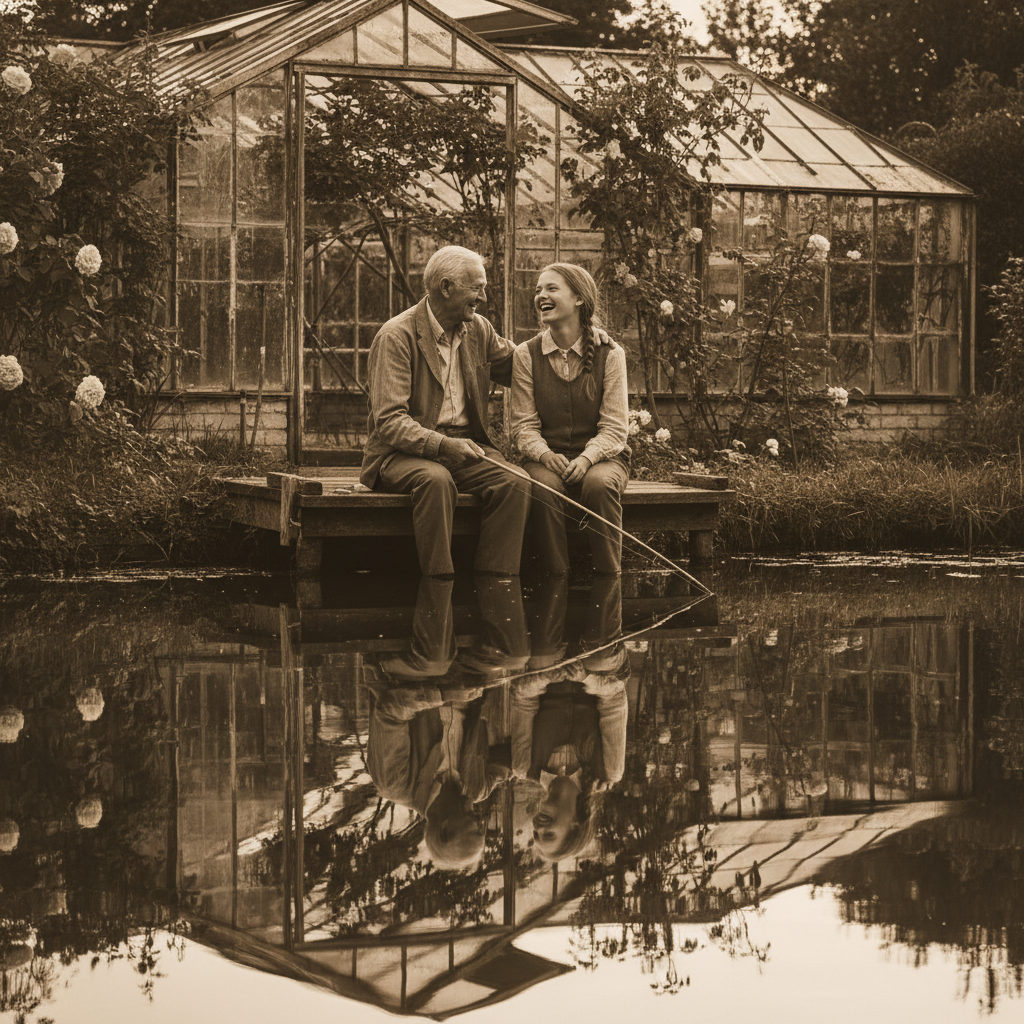
So, as you prepare for that first fishing trip, remember that it’s not about the fish. It’s about the journey, the lessons, and the memories that will last a lifetime. It’s about fostering a connection to nature, building character, and passing on a passion to the next generation. It’s an opportunity to create something truly special, something that will enrich their lives and make the world a better place. Choose wisely, be present, and let the magic of the experience unfold. The real catch isn’t in the water; it’s in the heart.