The Paradox of Plenty: When More Bait Becomes Less Fish
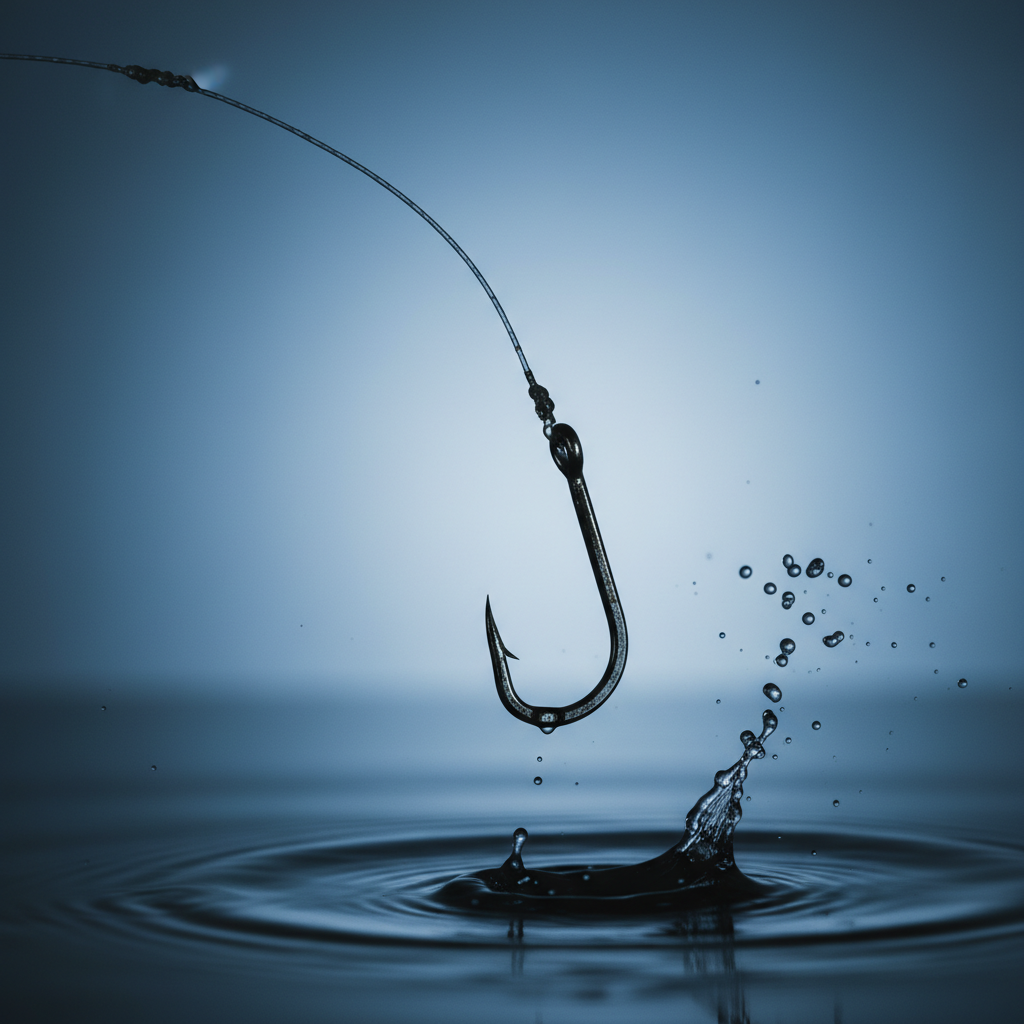
We’ve all been there. Standing on the bank, rod in hand, the water shimmering before us, teeming with… well, hopefully, fish. And in our tackle box, a veritable buffet of bait. Worms wriggling, lures gleaming, dough balls perfectly formed. The urge to unleash it all, to saturate the water with irresistible temptation, is almost overwhelming. After all, more is better, right? Not necessarily. In fact, in the often counterintuitive world of fishing, overdoing the bait can be a surefire way to send the fish scattering, leaving you with nothing but an empty hook and a growing sense of frustration.
The idea that “more bait equals more fish” is a deeply ingrained myth, one perpetuated by the human tendency to believe that quantity trumps quality. We apply this flawed logic to everything from social media followers to material possessions. But in fishing, where understanding the delicate balance of the ecosystem is paramount, this approach can backfire spectacularly. So, why exactly does too much bait kill your chances? Let’s dive into the murky depths and explore the reasons.
Satiation and Selectivity: Spoiling the Appetite
Imagine you’re at a lavish all-you-can-eat buffet. Mountains of food are piled high, representing every imaginable cuisine. Initially, you’re excited, eager to sample everything. But after a few plates, your appetite wanes. You become more selective, choosing only the most appealing dishes. And eventually, you’re completely full, no longer interested in anything, even your favorites. Fish, believe it or not, experience a similar phenomenon.
When you dump excessive amounts of bait into the water, you create a situation where the fish are constantly bombarded with food. They become satiated quickly, losing their hunger drive. Instead of actively searching for food, they can simply graze lazily, picking at the readily available offerings. This leads to a decrease in their willingness to strike at your hook, which, compared to the surrounding abundance, might not seem particularly enticing. They become picky eaters, spoiled by the sheer volume of readily available sustenance.
Think of a trout stream stocked with hatchery-raised fish. These fish, accustomed to being fed pellets, are often initially easy to catch. However, as anglers flock to the stream, tossing in handfuls of pellets or similar baits, the trout become accustomed to this easy food source. They lose their natural foraging instincts, and catching them on flies or other artificial lures becomes increasingly difficult. The abundance of free food has effectively spoiled their appetite for anything else.
Creating Suspicion: The Artificial Abundance
Fish are naturally wary creatures. They’ve evolved to survive in environments where food is often scarce, and danger lurks around every corner. They are constantly assessing their surroundings, looking for signs of potential threats. A sudden and unnatural abundance of food can trigger their survival instincts, raising red flags and making them suspicious.
Imagine a scenario where you’re walking through the woods and suddenly come across a huge pile of perfectly arranged berries. Would you immediately start eating them without a second thought? Probably not. You’d likely be cautious, wondering why the berries are there, who put them there, and whether they might be poisoned or otherwise dangerous. Fish react similarly to an unnatural concentration of bait.
A large pile of bait on the bottom of a lake or river is not something that typically occurs in nature. It’s an obvious sign of human interference, and fish are often smart enough to recognize this. They may approach the bait cautiously, circling it warily, but ultimately deciding that it’s not worth the risk. They sense that something is amiss, that the situation is too good to be true, and they instinctively avoid it.

Altering the Ecosystem: Unintended Consequences
Overbaiting doesn’t just affect the fish you’re trying to catch. It can also have a significant impact on the entire ecosystem, leading to unintended and often negative consequences. Excess bait can pollute the water, attract unwanted species, and disrupt the natural food chain.
Uneaten bait decomposes, releasing nutrients into the water. While a small amount of decomposition can be beneficial, excessive decomposition can lead to algal blooms, which deplete oxygen levels and harm aquatic life. This can create dead zones where fish and other organisms cannot survive. Furthermore, certain types of bait, such as bread or corn, can be particularly harmful, as they are not easily digested by fish and can lead to malnutrition or even death.
Excess bait can also attract unwanted species, such as turtles, birds, and other scavengers. These animals can compete with the fish you’re targeting for food, reducing your chances of success. They can also become entangled in fishing lines or hooks, causing injury or death. In some cases, overbaiting can even lead to an overpopulation of certain species, disrupting the natural balance of the ecosystem.
Consider the example of carp fishing. Carp anglers often use large amounts of bait, such as boilies or pellets, to attract carp to their swim. While this can be effective in the short term, it can also lead to an overpopulation of carp, which can have negative impacts on other fish species and the overall health of the waterbody. Carp are bottom feeders, and their feeding activity can stir up sediment, reducing water clarity and impacting aquatic vegetation. They can also outcompete native fish species for food and habitat.
The Art of Subtlety: Less is Often More
So, if more bait isn’t the answer, what is? The key is to adopt a more subtle and strategic approach. Instead of trying to overwhelm the fish with sheer quantity, focus on presenting your bait in a way that is natural, appealing, and not overly suspicious. Think of it as the art of persuasion, rather than brute force. What strategies can be used?
Start by using smaller amounts of bait. A small handful of groundbait or a single, well-presented lure can often be more effective than a large pile of bait. This is especially true in clear water, where fish are more likely to be wary of artificial abundance. Observe the water closely, paying attention to the current, the depth, and the presence of any natural food sources. Try to match your bait to the natural food sources that the fish are already feeding on.
Experiment with different types of bait and presentation techniques. Don’t be afraid to try something new. Sometimes, a simple change in bait or presentation can make all the difference. Pay attention to the behavior of the fish. Are they actively feeding? Are they wary and skittish? Adjust your approach accordingly. If the fish are actively feeding, you can afford to be a little more aggressive with your baiting. If they are wary, you’ll need to be more subtle and finesse your presentation.
Consider the example of fly fishing. Fly anglers typically use very small amounts of bait, often imitating natural insects or other food sources. They rely on presentation and technique to entice fish to strike. A well-presented fly, drifting naturally in the current, can be irresistible to a trout, even if there is plenty of other food available. The key is to match the hatch, imitating the insects that the trout are currently feeding on.
Understanding the Target: Know Your Fish
Different species of fish have different feeding habits and preferences. What works for one species may not work for another. Before you start fishing, take the time to learn about the fish you’re targeting. What do they eat? Where do they live? When are they most active? Understanding these factors will help you choose the right bait and presentation techniques.
For example, catfish are primarily bottom feeders, and they are attracted to strong-smelling baits. Anglers often use stinkbaits, chicken livers, or other pungent baits to target catfish. Trout, on the other hand, are more visual feeders, and they are attracted to brightly colored lures or natural-looking flies. Bass are predatory fish, and they are attracted to moving baits that imitate injured or fleeing prey. Knowing these basic facts can help you choose the right bait for the job.
Consider the example of ice fishing. During the winter months, fish often become sluggish and less active. They conserve energy and feed less frequently. In this situation, it’s important to use small, subtle baits that are easy for the fish to digest. Anglers often use small jigs tipped with wax worms or maggots to target panfish like bluegill and crappie. The key is to present the bait slowly and deliberately, giving the fish plenty of time to see it and strike.

The Power of Observation: Reading the Water
One of the most important skills for any angler is the ability to read the water. This means paying attention to the current, the depth, the water clarity, and the presence of any natural food sources. By observing these factors, you can gain valuable insights into where the fish are likely to be located and what they are likely to be feeding on. It’s like being a detective, piecing together clues to solve the mystery of where the fish are hiding.
For example, if you’re fishing in a river, you’ll want to pay attention to the current. Fish often congregate in areas where the current is slower, such as behind rocks or in eddies. These areas provide shelter from the current and allow the fish to conserve energy. You’ll also want to look for areas where the current is bringing in food, such as near the mouth of a tributary or below a riffle. These areas are often hotspots for fish.
If you’re fishing in a lake, you’ll want to pay attention to the depth. Fish often congregate at different depths depending on the time of year and the water temperature. During the summer months, fish may move to deeper water to escape the heat. During the winter months, they may move to shallower water to find warmer temperatures. You’ll also want to look for areas with structure, such as weed beds, submerged logs, or rocky outcroppings. These areas provide cover for fish and attract baitfish.
The Ethical Angler: Respecting the Resource
Finally, it’s important to remember that fishing is a privilege, not a right. As anglers, we have a responsibility to respect the resource and to fish in a sustainable manner. This means following all fishing regulations, practicing catch and release when appropriate, and avoiding overbaiting. It is a practice that ensures the health of the environment and allows future generations to experience the joy of fishing.
Overbaiting can have negative impacts on the environment, as we’ve already discussed. It can also lead to the waste of bait, which is both unethical and unnecessary. By using smaller amounts of bait and focusing on presentation and technique, you can catch just as many fish, while minimizing your impact on the environment. Remember that even small changes can make a big difference.
Consider the example of selective harvesting. Some anglers believe that it’s important to only keep the fish that they intend to eat, and to release the rest. This practice helps to ensure that the fish population remains healthy and sustainable. Selective harvesting can also involve targeting specific sizes or species of fish, depending on the local regulations and the health of the fishery.

Case Study: The Tale of Two Anglers
Let’s consider a hypothetical scenario involving two anglers, both fishing for bass in the same lake. Angler A, believing in the “more is better” philosophy, arrives with a large bag of plastic worms and immediately starts casting handfuls of them into the water. He figures that the more worms there are, the more likely the bass are to find them and strike. Angler B, on the other hand, takes a more strategic approach. He starts by observing the water, noting the presence of baitfish and the location of any submerged structure. He then selects a single, realistic-looking plastic worm and carefully rigs it on a Texas rig. He makes precise casts, targeting specific areas where he believes the bass are likely to be holding.
Initially, Angler A catches a few bass, thanks to the sheer volume of bait he’s throwing into the water. However, after a while, the bass become wary and start avoiding his bait. They’ve become satiated and suspicious of the artificial abundance. Angler B, on the other hand, continues to catch bass steadily throughout the day. His presentation is more natural and appealing, and the bass are more willing to strike at his single, well-presented worm.
By the end of the day, Angler B has caught significantly more bass than Angler A, despite using far less bait. This example illustrates the power of subtlety and strategy in fishing. It’s not about how much bait you use, but how you use it. The angler who understands the fish, reads the water, and presents their bait in a natural and appealing way is always more likely to be successful.
Beyond the Bait: Other Factors to Consider
While bait is undoubtedly an important factor in fishing success, it’s not the only factor. Other factors, such as weather conditions, water temperature, and fishing pressure, can also play a significant role. It’s important to consider all of these factors when planning your fishing trip and adjusting your approach accordingly.
For example, weather conditions can have a significant impact on fish behavior. Fish are often more active on cloudy or overcast days, when the sunlight is less intense. They may also be more active before or after a rainstorm, when the water temperature is changing. Water temperature is another important factor to consider. Fish are generally more active in warmer water, but they can also become stressed if the water temperature is too high. Fishing pressure can also affect fish behavior. Fish that are frequently caught and released can become wary and difficult to catch. It is important to understand the local climate in order to catch more fish.
Consider the example of fishing during the spawn. During the spawning season, fish are often more aggressive and territorial. They may be more likely to strike at lures or baits that are presented near their nests. However, it’s important to be mindful of the impact that fishing can have on spawning fish. Avoid fishing directly on spawning beds, and release any fish that you catch as quickly as possible.
The Last Cast: A Mindful Approach
In conclusion, the idea that “more bait equals more fish” is a fallacy that can actually hinder your fishing success. Overbaiting can satiate fish, create suspicion, and disrupt the ecosystem. A more subtle and strategic approach, focusing on natural presentation, understanding the target species, and reading the water, is far more likely to yield positive results. Remember, fishing is not just about catching fish; it’s about connecting with nature, respecting the environment, and enjoying the process. So, next time you’re tempted to dump a mountain of bait into the water, take a deep breath, step back, and ask yourself: Is this really the best way to approach the situation? The answer, more often than not, will be a resounding no. Practice a mindful approach and you will improve your fishing chances.