The Allure of the Uncomfortable Cast
We’ve all been there. That fishing trip you almost didn’t take. The one where the weather forecast screamed “stay inside,” or your gear decided to stage a mutiny before you even left the driveway. Maybe it was a last-minute invite from a friend who’s idea of “roughing it” makes Bear Grylls look like he’s glamping. These are the trips that test you, that push you to the edge of your comfort zone, and ultimately, these are often the trips that forge the best stories.
Why is that? Why do we remember the soggy socks, the relentless wind, the sunburn that peels for a week afterwards, with such fondness? It’s because discomfort, when overcome, breeds resilience, resourcefulness, and a profound appreciation for the simple things. It’s a crucible where memories are forged in the fire of adversity.
Think about the perfectly planned, flawlessly executed fishing trip. The sun shines, the fish bite, and everything goes according to plan. It’s enjoyable, certainly. But is it memorable in the same way? Does it challenge you? Does it force you to adapt, to think on your feet, to rely on your instincts and the knowledge you’ve accumulated over years of casting lines? Probably not.
The uncomfortable fishing trip strips away the veneer of perfection and reveals the raw, untamed heart of the experience. It forces you to confront your limitations, to learn from your mistakes, and to discover a strength you never knew you possessed.
The Crucible of Character
The essence of a good fishing story isn’t always about the size of the fish caught, but rather the size of the challenges overcome. Was it the relentless mosquitoes that descended in swarms as soon as the sun dipped below the horizon? The boat motor that sputtered and died miles from shore, leaving you to row against the current? Or perhaps it was the unexpected downpour that soaked you to the bone, turning your fishing line into a slippery, unmanageable mess?
These are the moments that define the narrative. They are the obstacles that transform a simple fishing trip into a legendary tale, recounted around campfires for years to come. It is in these moments of adversity that true character is revealed.
Consider the story of old man Hemlock, a seasoned angler known for his tall tales. He recounts a trip where a rogue wave capsized his small boat in the middle of a vast, unforgiving lake. He spent hours clinging to the overturned hull, battling hypothermia and the gnawing fear of the unknown. Did he catch any fish that day? No. But his tale of survival, of his unwavering determination to make it back to shore, became a local legend, inspiring countless others to face their own challenges with unwavering resolve.
His story wasn’t about the fish; it was about the fisherman. It was about his grit, his resilience, and his refusal to surrender in the face of overwhelming odds. That’s the kind of story that sticks with you, that resonates long after the details of the trip have faded.
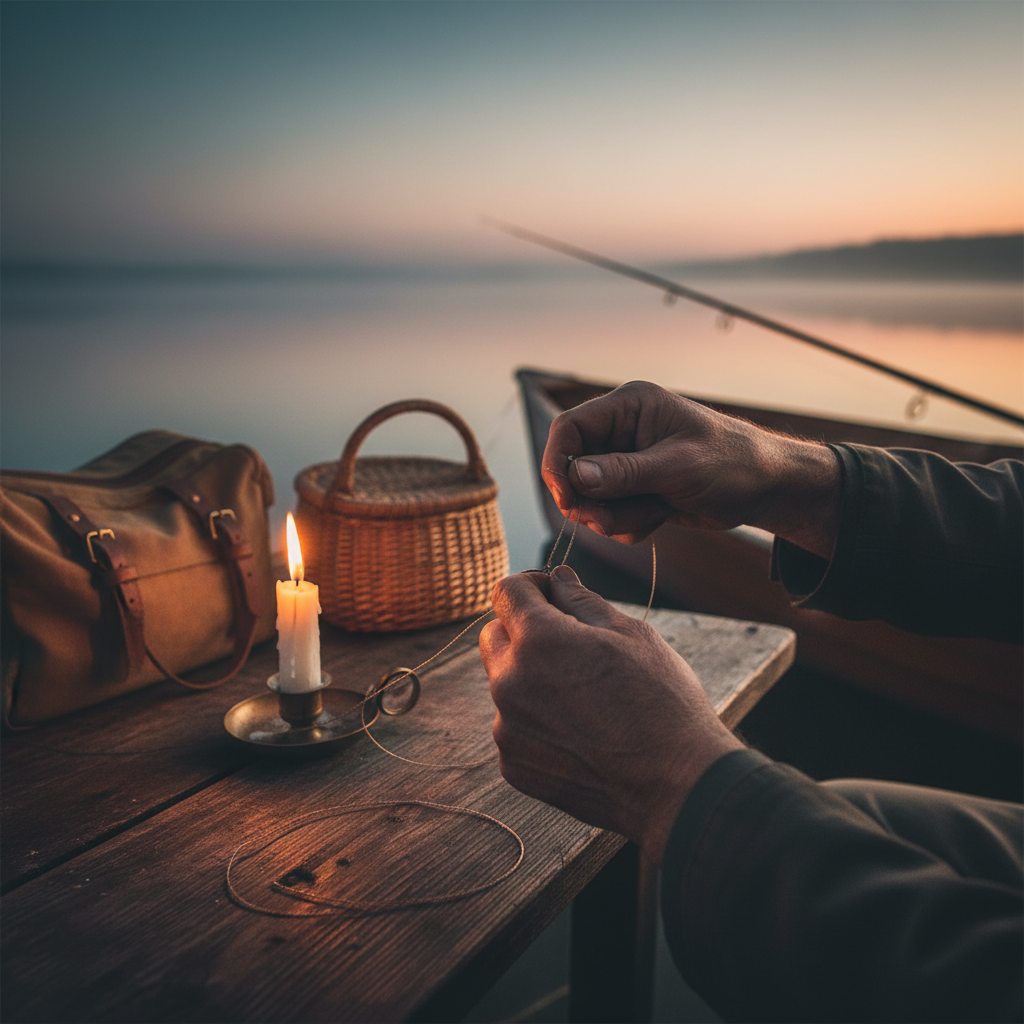
The Unexpected Teacher: Mother Nature’s Classroom
Nature, in all her unpredictable glory, is the ultimate teacher. And an uncomfortable fishing trip is often the most effective lesson. It’s when things go wrong that we truly learn to appreciate the delicate balance of the ecosystem, the power of the elements, and the importance of preparedness.
Have you ever experienced the frustration of battling a relentless headwind, only to realize that it’s also pushing baitfish closer to shore, creating a feeding frenzy? Or perhaps you’ve been caught in a sudden thunderstorm, seeking refuge under a rocky overhang, only to witness a breathtaking display of nature’s raw power?
These experiences, while initially uncomfortable, provide invaluable insights into the intricate workings of the natural world. They teach us to adapt, to anticipate, and to respect the forces that are far greater than ourselves. They force us to become better observers, to pay closer attention to the subtle cues that indicate changes in weather, water conditions, and fish behavior.
An uncomfortable fishing trip can also be a humbling experience. It reminds us that we are merely visitors in this vast and complex ecosystem, and that we are subject to its rules and its rhythms. It can instill a sense of humility and gratitude, a deeper appreciation for the beauty and fragility of the natural world.
Lessons Learned on the Water
Take the case of Sarah, a young angler who initially viewed fishing as a purely recreational activity. On a particularly challenging trip, plagued by equipment failures and unpredictable weather, she found herself questioning her passion. But as she persevered, she began to notice things she had previously overlooked: the intricate patterns of the insects flitting across the water’s surface, the subtle variations in the current, the way the light filtered through the leaves of the trees lining the shore.
She realized that fishing was more than just catching fish; it was about connecting with nature, about understanding its rhythms, and about appreciating its beauty. The discomfort she experienced forced her to slow down, to pay attention, and to truly engage with her surroundings. It transformed her from a casual angler into a passionate conservationist, deeply committed to protecting the very ecosystem that had challenged her so profoundly.
The lessons learned on the water are often the most valuable, not because they are easy, but because they are earned through perseverance, resilience, and a willingness to embrace the challenges that come our way.

The Shared Suffering: Bonding Through Adversity
There’s something about shared adversity that forges an unbreakable bond between people. An uncomfortable fishing trip, with its inherent challenges and unexpected setbacks, can be a powerful catalyst for camaraderie and connection.
Think about the friendships you’ve formed on the water. Are they the result of easy, comfortable trips, or were they forged in the crucible of shared suffering? More often than not, it’s the latter. It’s the shared experience of battling the elements, overcoming obstacles, and supporting each other through difficult times that creates the strongest and most lasting bonds.
There’s a unique kind of intimacy that develops when you’re huddled together in a leaky tent, soaked to the bone and shivering with cold, sharing stories and laughter in an attempt to keep your spirits up. It’s in these moments that you truly see people for who they are, stripped of their pretenses and their carefully constructed facades.
An uncomfortable fishing trip provides a level playing field, where status and social standing are irrelevant. Everyone is equally vulnerable to the elements, equally reliant on each other’s skills and support. It’s a reminder that we are all interconnected, that we are all part of something larger than ourselves.
The Power of Shared Experience
Consider the story of two lifelong friends, Mark and David, who had been fishing together since childhood. Their annual fishing trips were a sacred tradition, a time to reconnect, to reminisce, and to escape the pressures of everyday life. On one particularly challenging trip, they found themselves stranded on a remote island after their boat was damaged in a storm.
They spent several days rationing their food, building a makeshift shelter, and signaling for help. The experience tested their friendship in ways they had never imagined. They argued, they disagreed, and they even questioned their ability to survive. But through it all, they remained committed to each other, supporting each other’s strengths and compensating for each other’s weaknesses.
When they were finally rescued, they emerged from the ordeal with a deeper understanding of themselves and of each other. Their friendship had been forged in the fire of adversity, transformed into something stronger and more resilient than ever before. The shared experience of survival had created a bond that would last a lifetime.
The Elusive Reward: Appreciating the Little Victories
In the grand scheme of things, an uncomfortable fishing trip might seem like a minor inconvenience. But it’s often the small victories, the moments of triumph in the face of adversity, that provide the greatest sense of satisfaction.
It’s not always about catching the biggest fish or landing the most impressive haul. Sometimes, it’s about simply surviving the elements, overcoming a technical challenge, or making the best of a bad situation. It’s about appreciating the simple things, like the warmth of a campfire on a cold night, the taste of a hot cup of coffee after a long day on the water, or the camaraderie of sharing a meal with friends after a challenging adventure.
An uncomfortable fishing trip teaches us to lower our expectations, to be grateful for what we have, and to find joy in the simplest of pleasures. It reminds us that success is not always measured in tangible results, but rather in the intangible rewards of resilience, resourcefulness, and connection.
Finding Gratitude in the Grind
Think about the feeling of finally getting a fire started after struggling for hours with damp wood and a faulty lighter. Or the sense of accomplishment when you manage to repair a broken fishing rod with nothing but duct tape and ingenuity. These small victories, these moments of triumph over adversity, are often the most memorable and rewarding aspects of an uncomfortable fishing trip.
They teach us to appreciate the value of hard work, the importance of perseverance, and the power of a positive attitude. They remind us that even in the face of challenges, there is always something to be grateful for, something to celebrate, something to learn from.
Consider the case of a group of anglers who embarked on a week-long backpacking trip into a remote wilderness area, hoping to find pristine, untouched fishing waters. They faced numerous obstacles along the way, including treacherous terrain, unpredictable weather, and a scarcity of fish. But instead of succumbing to disappointment, they focused on the positive aspects of their experience: the stunning beauty of the landscape, the challenge of navigating the wilderness, and the opportunity to disconnect from the distractions of modern life.
They learned to appreciate the simple things, like the taste of fresh water from a mountain stream, the warmth of the sun on their faces, and the silence of the wilderness at night. They returned from their trip not with a record-breaking catch, but with a renewed sense of appreciation for the natural world and a deeper understanding of themselves. They had found gratitude in the grind.

The Storyteller’s Gold: Transforming Experience into Narrative
Ultimately, the value of an uncomfortable fishing trip lies not just in the experience itself, but in the stories it generates. These are the tales that we recount around campfires, the anecdotes that we share with friends and family, the narratives that shape our identity as anglers and as individuals.
A good fishing story isn’t just a recounting of events; it’s a carefully crafted narrative that captures the essence of the experience, that conveys the emotions, the challenges, and the triumphs that defined the journey. It’s a way of sharing our perspective with others, of inviting them to experience the world through our eyes.
And the more uncomfortable the trip, the richer and more compelling the story is likely to be. The challenges we face, the obstacles we overcome, and the lessons we learn all contribute to the narrative, creating a tapestry of experience that is both unique and universal.
Crafting the Perfect Fishing Tale
Think about the most memorable fishing stories you’ve ever heard. What makes them so compelling? Is it the size of the fish caught? The exotic location? Or is it the way the story is told, the way the narrator brings the experience to life with vivid details, compelling characters, and a sense of drama and suspense?
The best fishing stories are not just about the fishing; they’re about the people, the places, and the experiences that make the trip so memorable. They’re about the challenges overcome, the lessons learned, and the bonds forged in the crucible of adversity. They’re about the human spirit, our capacity for resilience, and our ability to find joy even in the face of hardship.
So the next time you find yourself on an uncomfortable fishing trip, don’t despair. Embrace the challenges, learn from the setbacks, and pay attention to the details. Because you never know, it might just be the inspiration for your next great fishing story.
These are the stories that matter, the ones that are passed down through generations, the ones that remind us of our connection to the natural world and to each other. These are the stories that make us who we are. So, go out there, brave the elements, and create some stories worth telling. The discomfort is temporary, but the memories, and the stories, will last a lifetime.