The Stillness Before the Strike: Reclaiming Patience in Fishing
We live in an age of instant gratification. A swipe, a click, and the world is at our fingertips. This relentless pursuit of speed and efficiency has permeated every aspect of our lives, even our leisure activities. Fishing, once a sanctuary of patience and contemplation, is increasingly being approached with the same urgency. But what if the very thing we seek – the thrill of the catch – is being jeopardized by our own haste?
Think about it: How often do you arrive at your favorite fishing spot, already strategizing, calculating, and rushing to get your line in the water? Are you truly present, observing the subtle nuances of the environment, or are you simply going through the motions, driven by the desire for immediate results? The truth is, the best fishing often happens when you consciously decide to slow down, to embrace the stillness, and to reconnect with the rhythm of nature.
The Illusion of Control: Why Rushing Rarely Works
There’s a certain irony in the way we approach fishing. We meticulously research techniques, invest in the latest gear, and analyze weather patterns, all in an attempt to exert control over an inherently unpredictable process. Yet, the more we try to force the outcome, the more elusive the fish seem to become. It’s as if the natural world is subtly rebelling against our attempts to dominate it.
Rushing often leads to careless mistakes: knots that aren’t properly tied, casts that are inaccurate, and a general lack of awareness of our surroundings. We become so focused on the end goal – catching a fish – that we lose sight of the present moment and the subtle cues that the environment is offering us. Are the insects hatching? Is there a change in the water current? Are the birds behaving differently? These are all valuable pieces of information that we often miss when we’re rushing.
Consider the example of a fly fisherman I know, a man named Tom, who used to approach every fishing trip with the intensity of a competitive athlete. He would arrive at the river before dawn, meticulously assemble his gear, and immediately start casting, barely taking a moment to observe the water or the insect activity. He was convinced that his superior knowledge and technique would guarantee success. However, more often than not, he would end the day empty-handed, frustrated and defeated. It wasn’t until he learned to slow down, to observe, and to adapt to the conditions that his fishing truly began to improve.
The Art of Observation: Tuning into Nature’s Signals
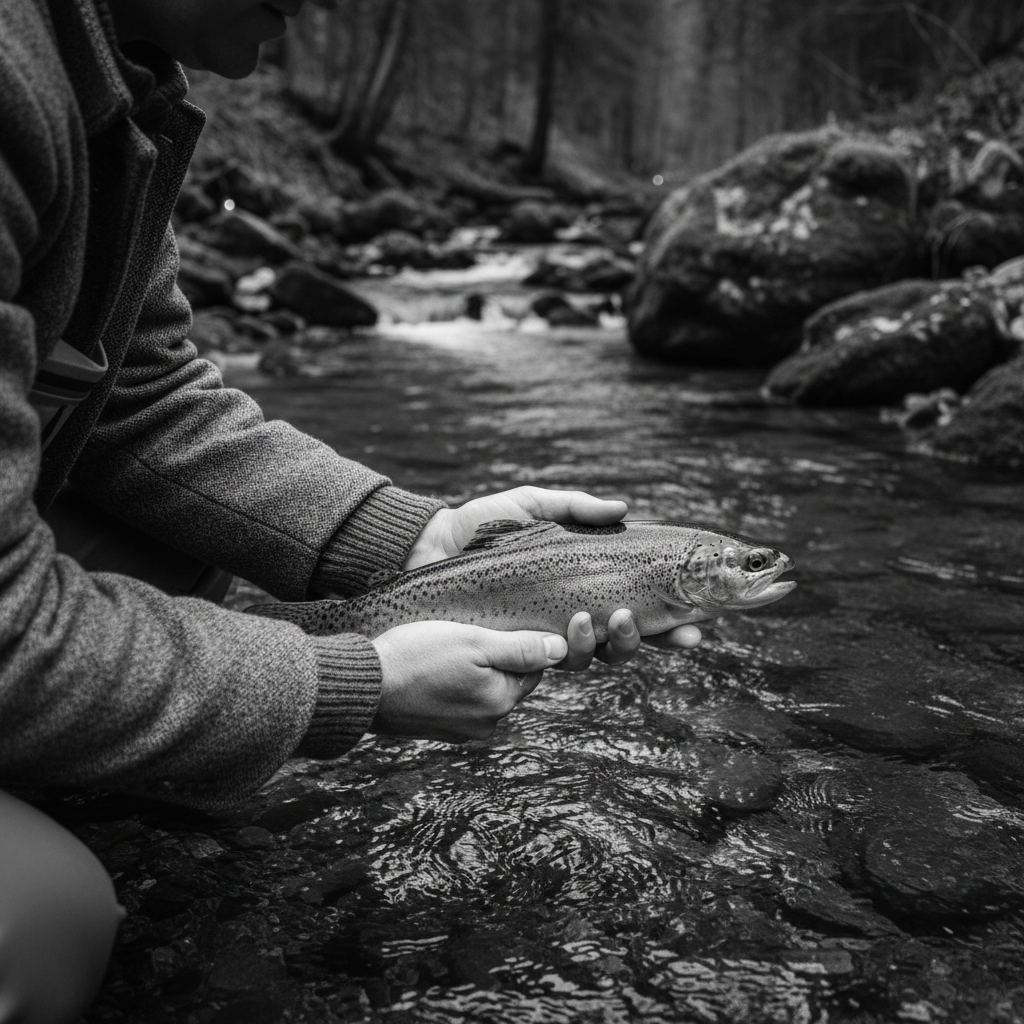
The most successful anglers are not necessarily the ones with the most expensive gear or the most advanced techniques. They are the ones who have cultivated the art of observation, who have learned to read the subtle signs of the natural world and to adapt their strategies accordingly. This requires a willingness to slow down, to be present in the moment, and to truly listen to what nature is telling you.
Beyond the Surface: Understanding the Ecosystem
True observation goes beyond simply looking at the water. It involves understanding the entire ecosystem and the complex relationships between its various components. What are the dominant insect species in the area? What are the feeding habits of the fish you’re targeting? What are the effects of weather patterns and water conditions on their behavior?
For example, understanding the life cycle of mayflies, caddisflies, and stoneflies can dramatically improve your fly fishing success. Knowing when these insects are hatching, and what stage of their life cycle they are in, allows you to choose the right flies and to present them in a way that mimics the natural food source. This requires careful observation of the water, the surrounding vegetation, and even the air around you.
It also means paying attention to the less obvious details. Are there any signs of predator activity, such as birds diving into the water or otters swimming nearby? This can indicate that the fish are holding in deeper water or seeking refuge in submerged structures. Are there any changes in the water clarity or temperature? This can affect the fish’s metabolism and their willingness to feed. By paying attention to these subtle cues, you can gain a deeper understanding of the environment and increase your chances of success.
The Power of Patience: Cultivating Inner Calm
Patience is not simply a virtue; it’s a skill that can be cultivated and honed through practice. In the context of fishing, patience allows you to weather periods of inactivity, to resist the urge to constantly change your tactics, and to maintain a positive attitude even when the fish aren’t biting. It’s about trusting the process and knowing that, eventually, your persistence will pay off.
Mindfulness and Fishing: A Path to Inner Peace
Fishing can be a powerful tool for cultivating mindfulness, the practice of paying attention to the present moment without judgment. When you’re fully engaged in the act of fishing, you’re less likely to be distracted by worries about the past or anxieties about the future. You’re simply focused on the task at hand: casting your line, feeling the tug of the water, and observing the surrounding environment.
This sense of presence can be incredibly therapeutic, allowing you to quiet the mental chatter and to reconnect with your inner self. The rhythmic motion of casting, the gentle lapping of the water against the shore, and the beauty of the natural surroundings can all contribute to a sense of calm and well-being. In a world that is constantly demanding our attention, fishing offers a rare opportunity to disconnect from the noise and to find solace in the stillness.
Consider the story of a seasoned angler named Maria, who used fishing as a way to cope with the stress of her demanding career. She would spend hours on the riverbank, not necessarily focused on catching fish, but simply on being present in the moment. She found that the act of fishing allowed her to clear her mind, to release tension, and to return to her daily life feeling refreshed and rejuvenated. For her, fishing was not just a hobby; it was a form of meditation.
The Importance of Connection: Building a Relationship with Nature
Fishing is more than just a sport or a hobby; it’s an opportunity to connect with the natural world in a profound and meaningful way. When we slow down and pay attention to the environment, we begin to develop a deeper appreciation for its beauty and complexity. We become more aware of the interconnectedness of all living things and the importance of protecting our natural resources.
Beyond the Catch: Appreciating the Ecosystem
Focusing solely on catching fish can blind us to the broader ecological context in which we are operating. We may become so obsessed with the end result that we fail to appreciate the intricate web of life that supports the fish population. By slowing down and observing the environment, we can gain a more holistic perspective and develop a greater sense of responsibility towards its conservation.
For example, we might notice the presence of pollution in the water, the degradation of riparian habitat, or the impact of climate change on fish populations. These observations can inspire us to take action, whether it’s participating in conservation efforts, advocating for environmental policies, or simply making more sustainable choices in our daily lives. Fishing can be a powerful catalyst for environmental stewardship.
I remember a time when I was fishing in a remote mountain stream and noticed a significant decline in the trout population compared to previous years. After further investigation, I discovered that a nearby logging operation was causing excessive sedimentation in the stream, which was harming the fish habitat. This experience motivated me to become involved in local conservation efforts and to advocate for better land management practices. Fishing opened my eyes to the environmental challenges facing our waterways and inspired me to become part of the solution.
The Ethics of Slow Fishing: Respecting the Resource
Slowing down not only enhances our fishing experience but also promotes ethical angling practices. When we’re not rushing, we’re more likely to handle fish with care, to release them unharmed, and to respect the regulations that are in place to protect fish populations. Ethical fishing is about prioritizing the well-being of the resource over our own personal gratification.
Catch and Release: A Mindful Approach
Catch and release fishing, when practiced responsibly, can be a sustainable way to enjoy the sport without depleting fish populations. However, it’s important to handle fish carefully to minimize stress and maximize their chances of survival after release. This means using barbless hooks, keeping the fish in the water as much as possible, and avoiding unnecessary handling.
It also means being mindful of the water temperature, as fish are more vulnerable to stress in warmer water. If the water is too warm, it’s best to avoid fishing altogether or to target other species that are more tolerant of the conditions. Ethical anglers prioritize the health of the fish over their own desire to catch them.
Furthermore, ethical fishing extends beyond catch and release. It also includes respecting the natural environment, avoiding littering, and minimizing our impact on the ecosystem. We should strive to leave the fishing spot in better condition than we found it, ensuring that future generations can enjoy the same opportunities that we have.
The Joy of Discovery: Finding New Perspectives
When we stop rushing, we open ourselves up to new possibilities and unexpected discoveries. We may find new fishing spots, learn new techniques, or simply gain a deeper appreciation for the beauty and wonder of the natural world. The joy of fishing is not just about catching fish; it’s about the journey of exploration and discovery.
Embracing the Unknown: Letting Go of Expectations
One of the biggest obstacles to enjoying fishing is having unrealistic expectations. We often go into a fishing trip with a preconceived notion of what we want to catch, how many fish we want to catch, and how we want the experience to unfold. When things don’t go according to plan, we can become frustrated and disappointed.
By letting go of expectations, we free ourselves to embrace the unknown and to appreciate the unexpected moments that arise. We may not catch the fish we were hoping for, but we might discover a hidden gem of a fishing spot, witness a stunning sunset, or simply enjoy the peace and quiet of being in nature. The key is to be open to new experiences and to find joy in the process, regardless of the outcome.
I recall a time when I set out to fish for trout in a particular river, only to discover that the water was too high and muddy due to recent rainfall. Instead of being discouraged, I decided to explore a nearby lake that I had never fished before. To my surprise, I discovered a thriving population of bass and ended up having one of the most memorable fishing experiences of my life. It was a reminder that sometimes the best things happen when we least expect them.
The Legacy of Slow Fishing: Passing on the Tradition
By embracing the principles of slow fishing, we can help to preserve this cherished tradition for future generations. We can teach our children and grandchildren the importance of patience, observation, and respect for the natural world. We can instill in them a love of fishing that goes beyond the thrill of the catch and encompasses a deeper appreciation for the environment.
Mentoring the Next Generation: Sharing the Knowledge
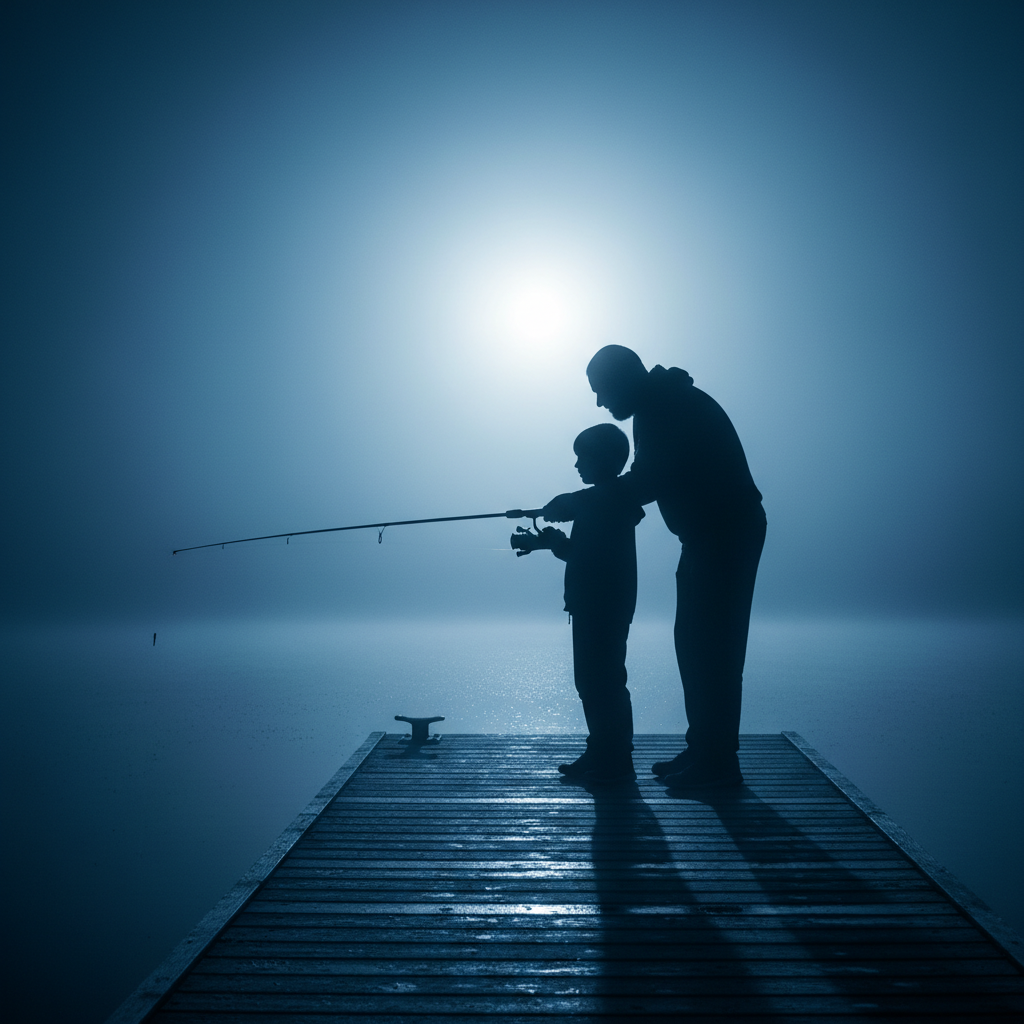
One of the best ways to ensure the future of fishing is to mentor the next generation of anglers. This means sharing our knowledge, our skills, and our passion for the sport. It also means teaching them the importance of ethical fishing practices and the responsibility we have to protect our natural resources.
We can take them fishing, show them how to tie knots, explain the different types of fish and insects, and teach them how to read the water. But more importantly, we can instill in them a sense of wonder and appreciation for the beauty and complexity of the natural world. We can show them how to connect with nature on a deeper level and how to find solace and peace in the act of fishing.
My grandfather was the one who introduced me to fishing when I was a young boy. He taught me not only the technical aspects of the sport but also the importance of patience, observation, and respect for the environment. He instilled in me a love of fishing that has lasted a lifetime, and I am now passing on that tradition to my own children. It’s a legacy that I am proud to be a part of.
Ultimately, the best fishing happens when we embrace the stillness, cultivate patience, and reconnect with the rhythm of nature. It’s about slowing down, observing the environment, and appreciating the beauty and wonder of the natural world. It’s about building a relationship with nature, respecting the resource, and passing on the tradition to future generations. So, the next time you head out to your favorite fishing spot, remember to leave your rush behind and embrace the power of slow fishing. You might be surprised at what you discover.