The Unpredictable Allure of Fishing Adventures
There’s a peculiar romance to fishing, isn’t there? It’s not just about the catch, the trophy, or the bragging rights. It’s about something far deeper, something that resonates with a primal part of us. It’s about the adventure, the challenge, the surrender to forces beyond our control. And perhaps the most compelling element of any fishing adventure is its inherent unpredictability. We plan, we prepare, we meticulously research, but ultimately, we’re at the mercy of nature’s whims. Is it this very uncertainty that makes it so captivating? Does the possibility of glorious success, intertwined with the very real potential for spectacular failure, fuel our passion for the sport?
Think about it: how many times have you meticulously planned a fishing trip, envisioning the perfect spot, the ideal bait, the precise moment to strike, only to have everything unravel in the face of unexpected weather, finicky fish, or plain old Murphy’s Law? It’s almost a guarantee that something will go awry. But it’s in those moments of unexpected turbulence that the true essence of the adventure reveals itself. It’s the resilience we discover, the adaptability we cultivate, and the unexpected lessons we learn that make these unplanned detours so valuable.
The Illusion of Control
We, as humans, are creatures of habit and planning. We crave control. We meticulously map out our lives, our careers, even our leisure activities. Fishing trips are no exception. We pore over charts, analyze weather patterns, and meticulously select our gear, all in an attempt to exert some semblance of control over the outcome. We convince ourselves that with enough preparation, we can bend the odds in our favor, guaranteeing a successful outing. But the ocean, the lake, the river – they laugh in the face of our carefully laid plans. They are vast, dynamic ecosystems, governed by forces far beyond our comprehension or control.
Consider the seasoned angler who spends weeks researching a specific species, studying its feeding habits, migratory patterns, and preferred habitat. They invest in the latest technology, the most advanced tackle, and the most effective bait. They arrive at their chosen location with unwavering confidence, only to be met with empty hooks and hours of fruitless casting. The fish simply aren’t biting. The conditions aren’t right. The carefully constructed plan crumbles under the weight of reality. Is this failure? Not necessarily. It’s a reminder of our limitations, a humbling experience that forces us to adapt, to think creatively, and to embrace the unexpected.

Embracing the Chaos: Finding Opportunity in Setbacks
So, what happens when your meticulously planned fishing adventure takes an unexpected turn? Do you throw your hands up in frustration, pack up your gear, and head home defeated? Or do you embrace the chaos, adapt to the changing circumstances, and seek out new opportunities? The best fishing adventures are often born from these moments of unplanned deviation. It’s in the face of adversity that our creativity is sparked, our problem-solving skills are honed, and our appreciation for the natural world deepens.
The Case of the Reluctant Salmon
Let’s imagine a scenario: You’ve booked a week-long salmon fishing trip in Alaska, dreaming of battling powerful fish in pristine rivers. You’ve invested a small fortune in travel, accommodation, and gear. You arrive at your destination, eager to cast your line, only to discover that the salmon run is late. The river is eerily quiet. Other anglers are reporting similar results – days of fishing with nothing to show for it. Panic begins to set in. Your dream trip is turning into a nightmare.
What do you do? You could wallow in disappointment, blaming the unpredictable nature of the salmon run and lamenting your bad luck. Or, you could seize the opportunity to explore other aspects of this incredible wilderness. Perhaps you could hike through the surrounding forests, spotting wildlife and soaking in the breathtaking scenery. Maybe you could try fishing for a different species, one that is more readily available. Perhaps you could connect with local guides and learn about the history and culture of the region. By embracing the unexpected, you can transform a potentially disastrous fishing trip into a memorable and enriching experience.
Turning Lemons into Lemonade
The key is to shift your perspective. Instead of viewing setbacks as failures, see them as opportunities for growth and discovery. A sudden change in weather could lead you to a sheltered cove where other fish are actively feeding. A broken piece of equipment could force you to improvise, leading to the discovery of a new technique. A chance encounter with another angler could provide valuable insights and local knowledge. The possibilities are endless, as long as you remain open-minded and adaptable.
Consider the story of a group of anglers who set out on a deep-sea fishing expedition, hoping to land a trophy marlin. After days of trolling in calm waters, they encountered a violent storm. The waves were towering, the wind was howling, and the boat was being tossed around like a toy. They were forced to seek shelter in a nearby bay, their dreams of catching a marlin dashed. However, while waiting out the storm, they discovered a vibrant reef teeming with colorful fish. They spent the afternoon snorkeling and exploring the underwater world, marveling at the beauty and diversity of marine life. What started as a disappointing turn of events transformed into an unforgettable encounter with the wonders of the ocean.

The Unexpected Rewards: Beyond the Catch
While catching fish is undoubtedly a rewarding experience, it’s not the only measure of success in a fishing adventure. In fact, some of the most memorable moments occur when the fish aren’t biting, when the plans go awry, and when the unexpected happens. It’s in these moments that we connect with nature on a deeper level, forge lasting bonds with fellow anglers, and discover hidden strengths within ourselves. The rewards of a fishing adventure extend far beyond the tangible – they touch our souls and enrich our lives in profound ways.
The Camaraderie of Shared Experience
Fishing, at its heart, is a social activity. Whether you’re fishing with family, friends, or complete strangers, the shared experience of being outdoors, facing the elements, and pursuing a common goal fosters a sense of camaraderie and connection. When things go wrong, when the weather turns foul, or when the fish refuse to cooperate, these bonds are strengthened. You laugh together, you commiserate together, and you help each other overcome obstacles. These shared experiences create memories that last a lifetime.
Think about the fishing trips you’ve taken with your father, your siblings, or your closest friends. What do you remember most vividly? Is it the size of the fish you caught, or is it the laughter, the stories, and the shared moments of triumph and adversity? Chances are, it’s the latter. The fish are often forgotten, but the memories of the shared adventure remain etched in your mind.
The Connection with Nature
Fishing provides a unique opportunity to connect with nature on a visceral level. You’re immersed in the sights, sounds, and smells of the natural world. You feel the sun on your skin, the wind in your hair, and the spray of the water on your face. You observe the intricate details of the ecosystem, from the smallest insects to the largest predators. You develop a deeper appreciation for the beauty and fragility of the environment, and a stronger desire to protect it.
Even when the fishing is slow, there’s always something to appreciate. A breathtaking sunset, a soaring eagle, a playful otter – these are the moments that make a fishing adventure truly special. They remind us that we are part of something larger than ourselves, that we are connected to the natural world in ways that we may not fully understand.
The Inner Resilience
Perhaps the most valuable reward of a challenging fishing adventure is the development of inner resilience. When things go wrong, when you’re faced with adversity, you’re forced to tap into your inner resources, to find strength you didn’t know you possessed. You learn to persevere, to adapt, and to overcome obstacles. These are valuable life skills that can be applied to any situation.
The angler who spends hours casting into the wind and rain, enduring frustration and disappointment, is building resilience. The angler who loses a prized fish, only to pick themselves up and cast again, is building resilience. The angler who faces unexpected challenges and finds creative solutions is building resilience. These experiences shape us, strengthen us, and prepare us to face whatever life throws our way.

Planning to be Unplanned: The Paradox of Preparation
So, if the best fishing adventures are the ones that don’t go as planned, does that mean we shouldn’t bother planning at all? Absolutely not. Preparation is still essential. It’s the foundation upon which we build our adventures, the framework that allows us to adapt and improvise when things go awry. The key is to strike a balance between meticulous planning and a willingness to embrace the unexpected.
The Importance of Research and Preparation
Before embarking on any fishing adventure, it’s crucial to do your research. Learn about the species you’re targeting, their habits, their preferred habitats, and the best techniques for catching them. Study the weather patterns, the tides, and the local regulations. Gather information from local guides and experienced anglers. The more knowledge you have, the better prepared you’ll be to adapt to changing conditions and make informed decisions.
Equally important is having the right gear. Make sure you have a reliable rod and reel, a selection of lures and bait, appropriate clothing, and safety equipment. Check your gear before you leave, and ensure that everything is in good working order. A broken rod or a malfunctioning reel can quickly derail your adventure. But remember, even the best gear is no substitute for skill, knowledge, and a positive attitude.
The Art of Flexibility
The most important aspect of planning for the unpredictable is to build flexibility into your itinerary. Don’t be afraid to deviate from your original plan if conditions warrant it. Have backup options in mind, alternative fishing spots, or different techniques to try. Be willing to change your strategy on the fly, based on the information you’re gathering. The best anglers are those who can adapt to changing circumstances and make the most of any situation.
This might mean having a list of alternative fishing locations in case your primary spot is unfishable due to weather or other factors. It could involve packing a variety of lures and bait to cater to different species or conditions. Or it could simply mean being willing to abandon your original plans altogether and try something completely different. The key is to be open-minded, adaptable, and ready for anything.
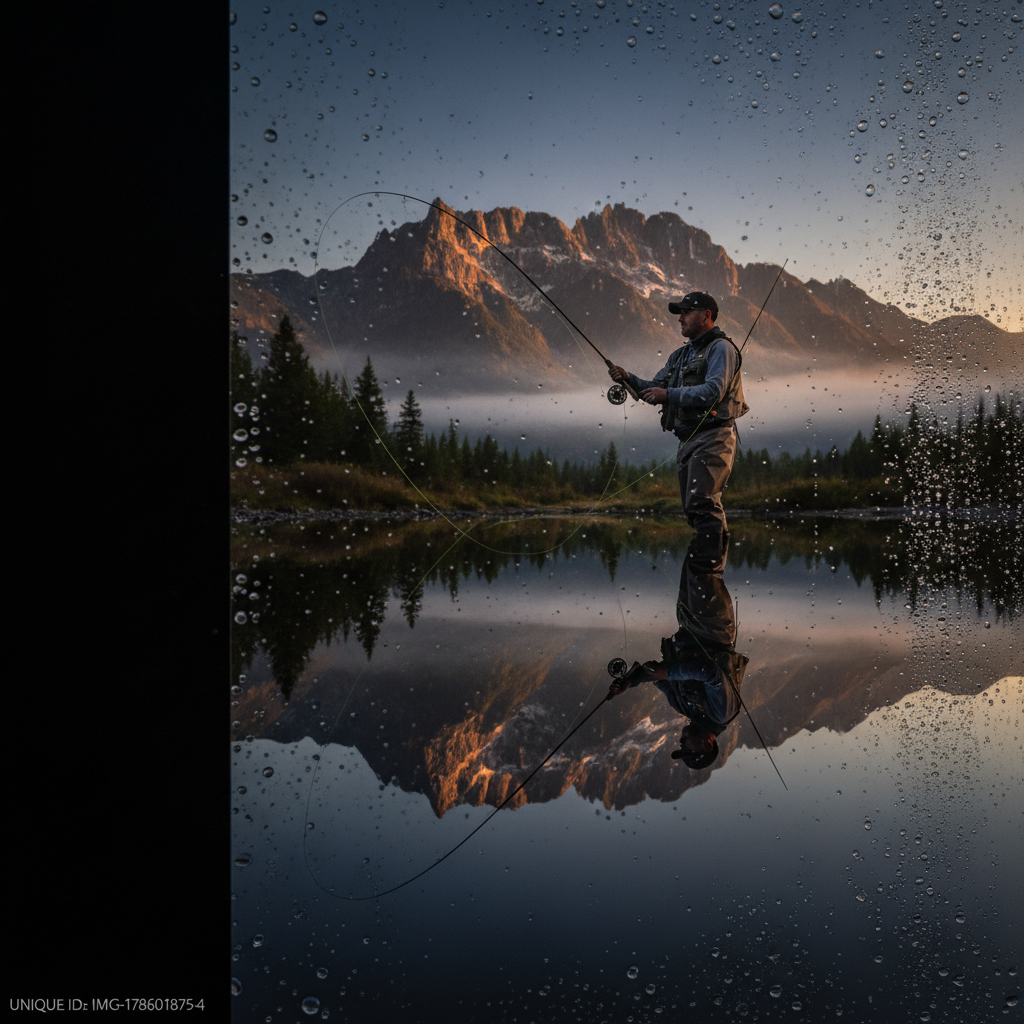
The Enduring Appeal of the Unexpected
In the end, it’s the unpredictability of fishing adventures that makes them so alluring. It’s the challenge of facing the unknown, the thrill of overcoming obstacles, and the satisfaction of discovering new possibilities. It’s about more than just catching fish; it’s about connecting with nature, forging lasting bonds, and building inner resilience. So, the next time your fishing trip takes an unexpected turn, embrace the chaos, adapt to the changing circumstances, and see where the adventure takes you. You might just discover something truly remarkable.
Perhaps the greatest lesson we can learn from fishing is that life, like the ocean, is constantly in flux. We can plan and prepare all we want, but ultimately, we are at the mercy of forces beyond our control. The key to happiness and fulfillment lies not in trying to control the uncontrollable, but in embracing the uncertainty, adapting to the changing tides, and finding joy in the journey, wherever it may lead. And isn’t that, in the grand scheme of things, the most valuable catch of all?