The Illusion of Control: Why Fishing Defies Planning
We are creatures of habit, driven by a deep-seated need to control our surroundings. We meticulously plan our days, strategize our careers, and even attempt to orchestrate our leisure activities. This desire for control permeates almost every facet of our lives. But what happens when we encounter an experience that inherently resists our best-laid plans? What happens when we step into the realm of fishing?
Fishing, at its core, is an exercise in humility. It’s a constant reminder that we are not the masters of our domain, especially when that domain is the vast and unpredictable watery world. We can pour over charts, analyze weather patterns, and invest in the most advanced equipment, yet the success of a fishing trip often hinges on factors completely beyond our influence. The whims of the fish, the currents of the water, the ever-shifting atmospheric conditions – all conspire to create an environment where planning becomes, at best, a guiding principle and, at worst, a complete waste of time.
Think about it: how many times have you meticulously planned a fishing trip, only to have it derailed by unexpected circumstances? A sudden change in weather, a bloom of algae, a shift in the migratory patterns of your target species – any of these can render your carefully crafted plans obsolete. And isn’t that part of what makes fishing so compelling? The inherent unpredictability, the constant need to adapt and improvise, the thrill of the unexpected catch – these are the elements that elevate fishing beyond a mere hobby and transform it into a true adventure.
Embracing the Chaos: The Art of Letting Go
The key to unlocking the true magic of fishing lies in relinquishing the need for control. It’s about embracing the chaos, accepting the uncertainty, and learning to find joy in the unpredictable nature of the experience. This doesn’t mean abandoning all preparation, of course. Researching the area, understanding the target species, and equipping yourself with the right gear are all essential elements of responsible fishing. However, it does mean being willing to deviate from your plan when necessary and being open to the possibility of encountering something completely unexpected.
Consider the story of a seasoned fisherman named John, who had spent years meticulously charting the waters off the coast of Alaska in pursuit of the elusive King Salmon. He had developed a detailed plan, based on years of experience and countless hours of research, that he was certain would lead him to a record-breaking catch. He knew the precise locations where the salmon were most likely to congregate, the optimal times of day to fish, and the exact lures that would entice them to bite. But on the day of his meticulously planned expedition, everything went wrong. A thick fog rolled in, obscuring his visibility. The currents shifted unexpectedly, carrying him miles off course. And the salmon, as if mocking his carefully laid plans, were nowhere to be found.
Instead of succumbing to frustration, John decided to embrace the chaos. He abandoned his original plan and allowed himself to be guided by the unpredictable currents. He started experimenting with different lures and techniques, adapting to the changing conditions. And then, something remarkable happened. He stumbled upon a hidden cove, teeming with a species of fish he had never encountered before – a vibrant, iridescent variety of cod that fought with surprising tenacity. He spent the rest of the day fishing in that hidden cove, reveling in the unexpected bounty and forgetting all about his original quest for the King Salmon. He realized that sometimes, the greatest fishing adventures are the ones that you never planned for.
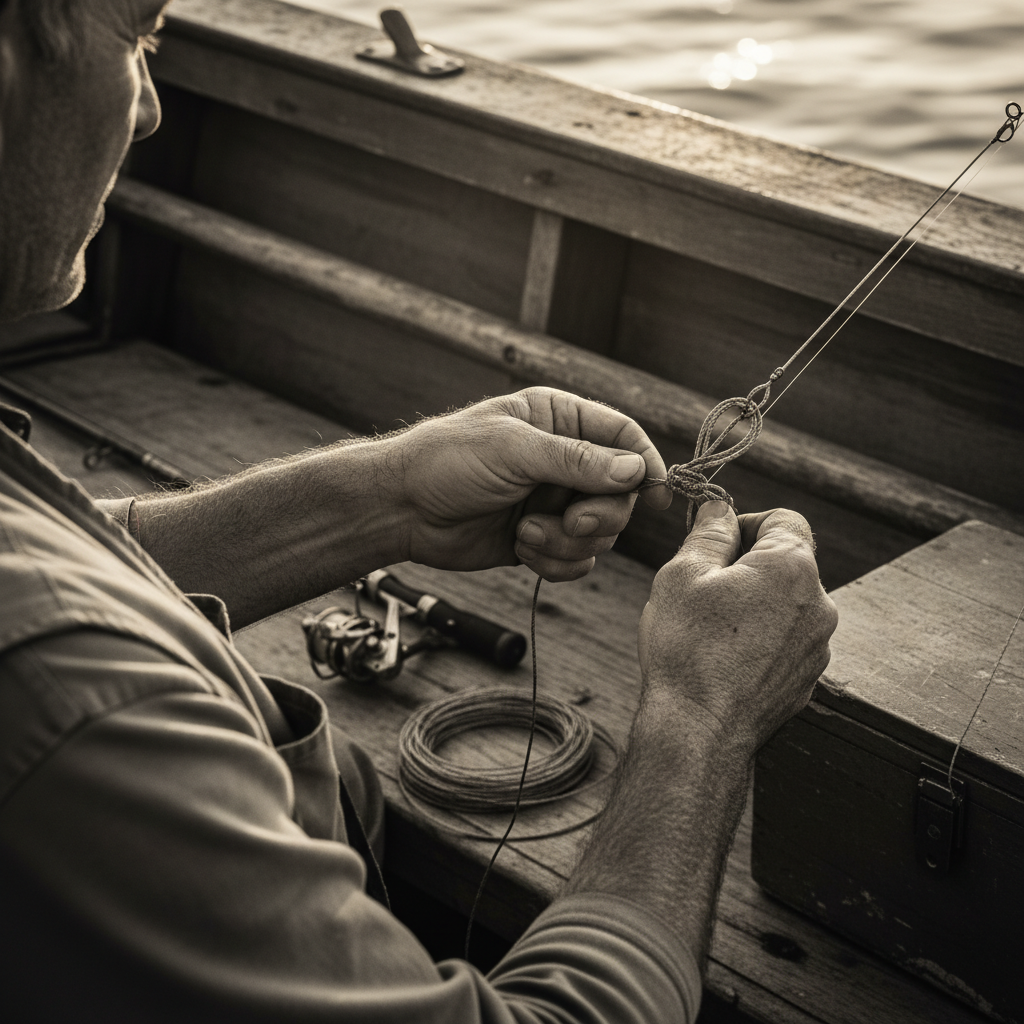
The Serendipity of the Unplanned: Discovering New Horizons
Unplanned fishing adventures often lead to unexpected discoveries. When we abandon our preconceived notions and allow ourselves to be guided by the moment, we open ourselves up to a world of possibilities. We might discover a hidden fishing spot, a new species of fish, or even a newfound appreciation for the natural world. These serendipitous encounters are often the most rewarding aspects of fishing, creating memories that last a lifetime.
Imagine a scenario where you set out to catch trout in a familiar stream, only to find that the water level is unusually low due to a prolonged drought. Disappointed, you might be tempted to pack up and go home. But what if, instead, you decided to explore a different section of the stream, one that you had never fished before? You might discover a hidden pool, teeming with bass that had migrated upstream in search of deeper water. Or you might stumble upon a secluded waterfall, where the trout are larger and more plentiful than you ever imagined. These unplanned discoveries can transform an ordinary fishing trip into an extraordinary adventure.
Moreover, the act of improvising and adapting to unforeseen circumstances can sharpen our fishing skills and deepen our understanding of the aquatic ecosystem. When we are forced to think on our feet, we become more attuned to the subtle cues of the environment – the direction of the wind, the movement of the water, the behavior of the fish. We learn to read the landscape and to anticipate the changes that are constantly unfolding around us. This heightened awareness not only makes us better fishermen but also fosters a deeper connection with the natural world.
The Mental Reset: Fishing as an Escape from Routine
In our increasingly structured and regimented lives, fishing offers a rare opportunity to escape from the confines of routine. It’s a chance to disconnect from the digital world, to reconnect with nature, and to simply be present in the moment. When we abandon our carefully planned schedules and embrace the spontaneity of fishing, we allow ourselves to be truly free. We shed the weight of expectations and open ourselves up to the possibility of experiencing something truly extraordinary.
Consider the story of a high-powered executive named Sarah, who found herself increasingly overwhelmed by the demands of her career. She was constantly stressed, exhausted, and disconnected from her personal life. On the advice of a friend, she decided to try fishing as a way to de-stress and recharge. At first, she approached fishing with the same meticulous planning and strategic thinking that she applied to her work. She researched the best fishing spots, invested in the most expensive equipment, and meticulously planned every aspect of her trips. But she soon realized that this approach was counterproductive. Instead of relaxing and enjoying herself, she found herself even more stressed and frustrated when things didn’t go according to plan.
One day, she decided to abandon her meticulous planning and simply go fishing without any expectations. She chose a nearby lake, packed a simple lunch, and set out with a sense of curiosity and openness. She didn’t worry about catching a specific type of fish or achieving a particular outcome. She simply focused on enjoying the beauty of the surroundings, the tranquility of the water, and the simple act of casting her line. And to her surprise, she found herself completely relaxed and at peace. She realized that the true value of fishing wasn’t in catching fish but in the mental reset it provided – the opportunity to escape from the pressures of everyday life and to reconnect with her inner self.

The Unforeseen Lessons: What Fishing Teaches Us About Life
Beyond the thrill of the catch and the beauty of the natural surroundings, fishing offers a wealth of valuable life lessons. It teaches us about patience, perseverance, resilience, and the importance of adapting to change. It reminds us that success is not always guaranteed and that sometimes, the greatest rewards come from embracing the unexpected. These lessons, learned on the water, can be applied to all aspects of our lives, helping us to navigate challenges, overcome obstacles, and live more fulfilling lives.
Think about the countless hours that fishermen spend waiting for a bite, often without any success. This waiting game requires immense patience and the ability to remain focused and optimistic, even in the face of disappointment. It teaches us that success often requires sustained effort and that we cannot always expect immediate results. Similarly, the act of dealing with setbacks – a broken line, a lost fish, a sudden change in weather – cultivates resilience and the ability to bounce back from adversity. We learn that failure is not the end but simply an opportunity to learn and improve.
Furthermore, fishing teaches us the importance of adapting to change. The aquatic environment is constantly evolving, and fishermen must be able to adjust their strategies and techniques to stay ahead of the curve. This adaptability is a valuable skill in all areas of life, allowing us to navigate the ever-changing landscape of our careers, relationships, and personal goals. By embracing the unpredictability of fishing, we become more flexible, resourceful, and resilient individuals.
The Community of the Unexpected: Sharing Unplanned Moments
Fishing often fosters a sense of community among those who share a passion for the sport. Whether it’s exchanging tips and techniques with fellow anglers, sharing stories of past adventures, or simply enjoying the camaraderie of being together in nature, fishing provides opportunities to connect with others who appreciate the simple pleasures of life. And often, the most memorable moments of connection arise from unplanned encounters and shared experiences.
Imagine a scenario where you are fishing alone on a remote lake, when you encounter another fisherman who is struggling to repair his boat. Without hesitation, you offer your assistance, sharing your tools and expertise to help him get back on the water. As you work together, you strike up a conversation and discover that you share a common passion for fishing and a similar appreciation for the natural world. By the time the boat is repaired, you have formed a genuine connection with this fellow angler, a connection that transcends the boundaries of age, background, and experience. These unplanned encounters can enrich our lives in unexpected ways, reminding us of the importance of human connection and the power of shared experience.
Moreover, fishing communities often rally together to protect the environment and to advocate for responsible fishing practices. They understand that the health of the aquatic ecosystem is essential for the sustainability of the sport and for the well-being of future generations. By working together to conserve our natural resources, these communities demonstrate the power of collective action and the importance of stewardship.
Beyond the Catch: Finding Fulfillment in the Process
Ultimately, the best fishing adventures are not defined by the number of fish caught or the size of the trophies landed. They are defined by the experiences we have, the lessons we learn, and the connections we make along the way. They are about finding fulfillment in the process, embracing the unpredictable nature of the sport, and appreciating the beauty of the natural world. When we shift our focus from the outcome to the journey, we unlock a deeper level of satisfaction and transform fishing from a mere hobby into a truly enriching experience.
Consider the story of an elderly fisherman named George, who had been fishing for over seventy years. He had caught countless fish in his lifetime, including some truly remarkable specimens. But as he grew older, he found that the thrill of the catch had diminished. He realized that the true joy of fishing wasn’t in landing a big fish but in the simple act of being on the water, surrounded by nature, and connected to the ancient rhythms of the earth. He spent his days fishing not to catch fish but to reconnect with his inner self, to find peace and tranquility, and to appreciate the beauty of the natural world.
He often spoke of the importance of “fishing with your heart,” which meant approaching the sport with a sense of reverence and respect for the environment. He believed that the true measure of a fisherman wasn’t in the size of his catch but in the depth of his connection to the water. He encouraged young anglers to focus on learning about the ecosystem, practicing responsible fishing techniques, and appreciating the beauty of the natural world. He understood that the future of fishing depended on our ability to protect and preserve the aquatic environment for generations to come.
The Undeniable Allure: Why We Keep Coming Back
So, why do we keep coming back to fishing, despite the inherent unpredictability and the occasional frustrations? Why do we continue to cast our lines into the unknown, knowing that we may not catch anything at all? The answer, perhaps, lies in the very essence of the human spirit – our innate curiosity, our thirst for adventure, and our deep-seated connection to the natural world. Fishing is more than just a hobby; it’s a way of life, a way of connecting with something larger than ourselves, and a way of finding meaning and purpose in a world that often feels chaotic and overwhelming.
It’s the allure of the unknown, the thrill of the chase, and the quiet satisfaction of spending time in nature. It’s the challenge of mastering a skill, the camaraderie of sharing a passion with others, and the opportunity to escape from the stresses of everyday life. It’s the chance to disconnect from the digital world and reconnect with our inner selves. And it’s the reminder that even in a world that seems increasingly controlled and predictable, there are still wild and untamed places where we can find adventure, inspiration, and a sense of wonder.
The best fishing adventures aren’t planned; they evolve. They’re born from a willingness to embrace the unexpected, to adapt to changing conditions, and to find joy in the journey, regardless of the outcome. So, the next time you’re planning a fishing trip, remember to leave room for spontaneity, to be open to new experiences, and to allow the water to guide you. You might just discover the greatest fishing adventure of your life.