The Allure of the New Rod: A Siren Song?
We’ve all been there. Standing on the water’s edge, casting into the shimmering expanse, feeling that nagging sense of dissatisfaction. The fish aren’t biting, our casts aren’t quite landing where we want them to, and the enjoyment seems to be slowly ebbing away. What’s the immediate, often knee-jerk reaction? “It must be the rod!” The thought, like a persistent little devil on our shoulder, whispers promises of improved performance, increased sensitivity, and ultimately, more fish. And so begins the quest for the next, supposedly better, rod.
But is switching rods really the answer? Or are we falling prey to a marketing-fueled illusion, a false promise that a new piece of equipment will magically transform our fishing abilities? Before you rush out to your local tackle shop, credit card in hand, let’s delve a little deeper into the reasons why changing rods might not always solve the underlying problem.
Think of it like this: a chef wouldn’t immediately blame their knives for a poorly executed dish. They would first examine their ingredients, their technique, and their understanding of the recipe. Similarly, a seasoned angler understands that the rod is just one component of a much larger, more complex equation.
The Illusion of Instant Improvement
The marketing for fishing rods is undeniably effective. Sleek designs, advanced materials, and claims of revolutionary technology all contribute to the allure of the new. We’re bombarded with images of anglers effortlessly landing trophy fish, all thanks to their cutting-edge equipment. This creates the perception that a new rod is a shortcut to success, a way to bypass the hard work and dedication required to truly master the art of fishing.
However, the reality is often far less glamorous. While a new rod might offer some marginal improvements in certain areas, such as casting distance or sensitivity, it won’t magically transform a novice into a pro. In fact, it might even exacerbate existing problems if the angler doesn’t understand how to properly utilize its unique characteristics.
Consider the angler who struggles with casting accuracy. Purchasing a high-end rod with advanced casting technology won’t automatically solve their problem. They still need to practice their technique, develop a feel for the rod’s action, and learn how to adjust their casting motion to compensate for wind and other environmental factors. Simply throwing money at the problem won’t make it disappear.
The Real Culprits: Technique, Knowledge, and Adaptability
If a new rod isn’t the magic bullet, then what is? The answer lies in focusing on the fundamentals: technique, knowledge, and adaptability. These are the cornerstones of successful angling, and they are far more important than the specific rod you’re using.
Mastering the Fundamentals of Technique
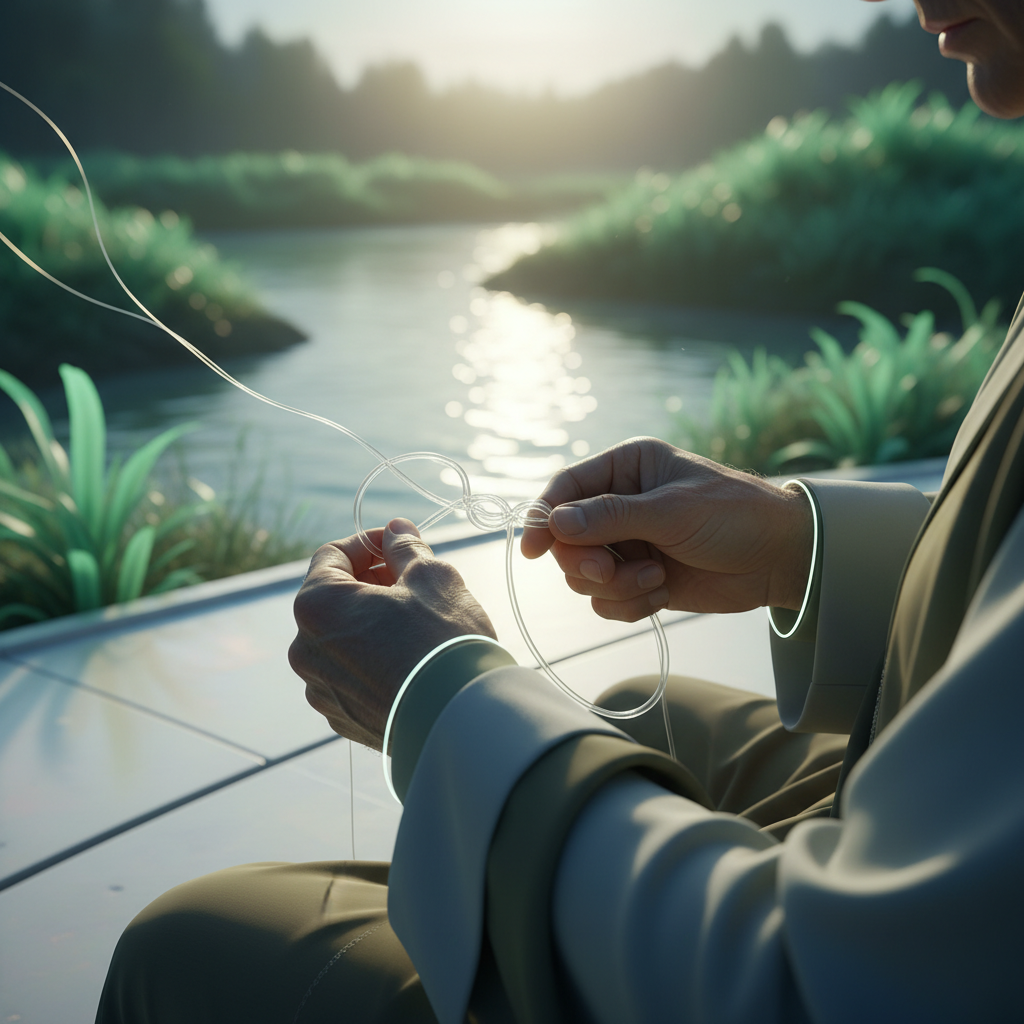
Casting, knot tying, lure presentation, and hook setting – these are the basic skills that every angler needs to master. A flawless cast, a perfectly tied knot, and a well-presented lure can make all the difference, regardless of the rod you’re using. Spending time practicing these fundamentals will yield far greater results than constantly chasing the latest and greatest equipment.
Take casting, for example. Many anglers struggle with accuracy and distance, often blaming their rod for their shortcomings. However, the problem often lies in their casting technique. Are they using the correct grip? Are they loading the rod properly? Are they following through with their cast? By focusing on these fundamental elements, anglers can significantly improve their casting performance, regardless of the rod they’re using.
Similarly, knot tying is a crucial skill that is often overlooked. A poorly tied knot can fail under pressure, resulting in lost fish and wasted time. Learning to tie a few essential knots correctly is far more important than owning the most expensive rod on the market.
Expanding Your Knowledge Base
Fishing is as much about knowledge as it is about skill. Understanding fish behavior, habitat preferences, and seasonal patterns is essential for success. Knowing when, where, and how to fish for specific species will significantly increase your chances of landing a fish, regardless of the rod you’re using.
For example, understanding the feeding habits of bass can help you choose the right lures and presentation techniques. Knowing that bass often ambush prey near structure can guide you to the most productive fishing spots. This type of knowledge is invaluable and cannot be replaced by a new rod.
Furthermore, understanding the impact of weather conditions on fish behavior can be a game-changer. Knowing how changes in temperature, water clarity, and wind speed affect fish activity can help you adapt your fishing strategy and increase your chances of success.
The Art of Adaptability
Fishing is an unpredictable sport. Conditions can change rapidly, and what worked yesterday might not work today. The ability to adapt to changing conditions is a hallmark of a skilled angler. This includes being able to adjust your lure selection, presentation techniques, and fishing location based on the prevailing circumstances.
Imagine you’re fishing for trout in a river, and the water level suddenly rises due to a recent rainstorm. The trout might move to different locations in the river, seeking refuge from the increased current. A skilled angler would recognize this change and adapt their fishing strategy accordingly, perhaps switching to a heavier lure or moving to slower-moving water.
Similarly, if the wind picks up and makes casting difficult, a smart angler would adjust their casting technique or move to a more sheltered location. The ability to adapt to these types of challenges is far more important than owning the latest and greatest equipment.
The Psychology of the New Purchase: A Temporary Fix
There’s a certain undeniable satisfaction that comes with buying new gear. It’s a feeling of excitement, anticipation, and hope. We tell ourselves that this new rod will be the one that finally unlocks our fishing potential, that it will magically transform us into expert anglers. But often, this feeling is fleeting, a temporary fix for deeper underlying issues.
The act of buying a new rod can provide a temporary boost to our confidence. We feel like we’re taking action, making progress, and investing in our hobby. However, this feeling is often short-lived. Once the initial excitement wears off, we’re left with the same underlying problems that we were trying to avoid in the first place.
It’s like trying to cover up a crack in the wall with a fresh coat of paint. The paint might make the wall look better for a while, but it doesn’t address the underlying structural issue. Similarly, buying a new rod might provide a temporary boost to our confidence, but it doesn’t address the fundamental skills and knowledge that are essential for successful angling.
Beyond the Rod: Exploring Other Potential Solutions
Before you blame your lack of success on your rod, consider exploring other potential solutions. There are often simpler, more cost-effective ways to improve your fishing performance than buying a new piece of equipment.
Refining Your Lure Selection
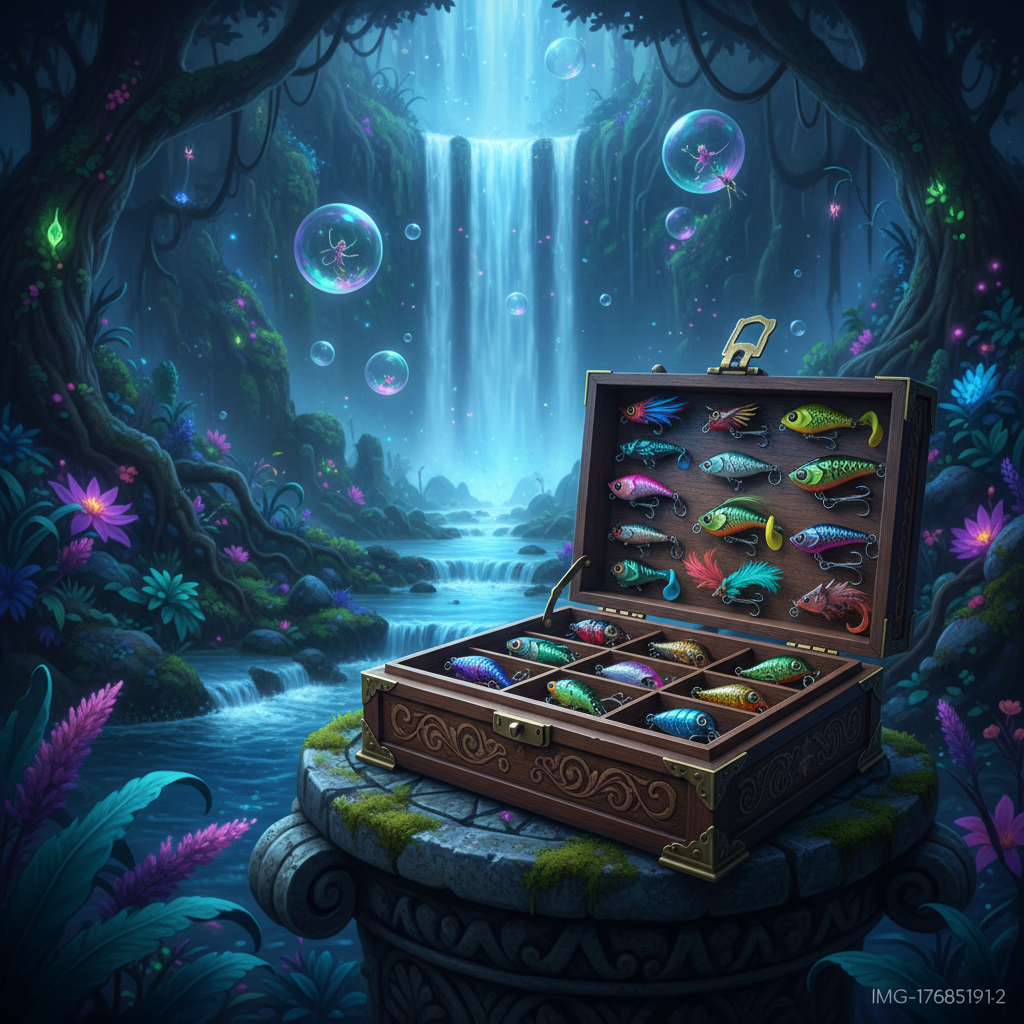
Choosing the right lure is crucial for attracting fish. Experiment with different colors, sizes, and types of lures to see what works best in different conditions. Don’t be afraid to try something new, and don’t get stuck in a rut using the same lures over and over again.
Consider the water clarity, the type of forage available, and the behavior of the fish you’re targeting. For example, if the water is murky, you might want to use a lure with bright colors and a lot of vibration. If the fish are feeding on small baitfish, you might want to use a smaller, more realistic lure.
Improving Your Presentation Techniques
How you present your lure can be just as important as the lure itself. Experiment with different retrieves, depths, and speeds to see what triggers a strike. Pay attention to the way the fish are reacting to your lure, and adjust your presentation accordingly.
For example, if you’re fishing for bass with a crankbait, try varying your retrieve speed. Sometimes a slow, steady retrieve will work best, while other times a fast, erratic retrieve will trigger more strikes. Pay attention to the fish’s behavior and adapt your presentation accordingly.
Seeking Expert Guidance
Sometimes, the best way to improve your fishing skills is to seek guidance from an experienced angler. Consider taking a fishing class, joining a fishing club, or hiring a guide. A knowledgeable mentor can provide valuable insights and help you identify areas where you can improve.
A fishing guide can show you the best spots to fish, teach you new techniques, and help you understand the local fish populations. They can also provide valuable feedback on your casting, knot tying, and lure presentation.
When is a New Rod Actually Justified?
While we’ve argued that switching rods isn’t always the answer, there are certainly situations where it is justified. Knowing when a new rod is truly necessary, rather than just a fleeting desire, is key to making smart purchasing decisions.
Addressing Specific Performance Deficiencies
If your current rod is genuinely hindering your ability to perform certain tasks, then a new rod might be warranted. For example, if you’re consistently struggling to cast small lures with your current rod, a lighter action rod might be a good investment. Similarly, if you’re fishing for large, powerful fish with a rod that’s too light, a heavier action rod might be necessary.
Consider the specific limitations of your current rod and identify the features that you need in a new rod to overcome those limitations. Don’t just buy a new rod because it’s the latest and greatest model. Buy a new rod because it will genuinely improve your fishing performance.
Expanding Your Fishing Arsenal for Different Techniques
Different fishing techniques often require different types of rods. If you’re looking to expand your fishing horizons and try new techniques, then a new rod might be necessary. For example, if you’re primarily a bass fisherman and you want to start fly fishing, you’ll need to purchase a fly rod and reel.
Similarly, if you want to start fishing for muskie, you’ll need a heavy-duty rod that can handle the size and power of these fish. Expanding your fishing arsenal with specialized rods can open up new opportunities and allow you to target a wider range of species.
Upgrading Worn-Out or Damaged Equipment
If your current rod is old, worn out, or damaged, then it’s definitely time for a replacement. A damaged rod can be dangerous to use, and it might not perform as well as it used to. Replacing a worn-out or damaged rod is a necessary investment to ensure your safety and improve your fishing performance.
The Importance of Rod Selection: Matching the Tool to the Task
Even if switching rods isn’t the universal solution, the right rod selection is still undeniably important. It’s about understanding the nuances of different rod types and matching them to the specific fishing situations you encounter. A proper rod choice can significantly enhance your fishing experience and effectiveness.
Understanding Rod Action and Power
Rod action and power are two key characteristics that determine how a rod performs. Action refers to where the rod bends when pressure is applied, while power refers to the amount of force required to bend the rod. Understanding these two factors is crucial for choosing the right rod for your fishing needs.
A fast action rod bends primarily near the tip, making it ideal for casting long distances and setting hooks quickly. A slow action rod bends throughout its entire length, providing more sensitivity and cushioning, which is helpful for protecting light lines and fighting delicate fish.
Rod power is typically rated as light, medium, or heavy. A light power rod is best for fishing with small lures and light lines, while a heavy power rod is best for fishing with large lures and heavy lines. Choosing the right rod power is essential for effectively fighting fish and preventing line breakage.
Considering Rod Material and Construction
Fishing rods are typically made from fiberglass, graphite, or a combination of both. Each material has its own unique properties that affect the rod’s performance. Fiberglass rods are durable and relatively inexpensive, making them a good choice for beginners. Graphite rods are more sensitive and lightweight, providing better feel and casting performance. Composite rods combine the best qualities of both materials, offering a balance of durability and sensitivity.
The construction of the rod also plays a significant role in its performance. Rods with higher quality construction tend to be more sensitive, durable, and responsive. Look for rods with well-aligned guides, a comfortable grip, and a solid reel seat.
Matching the Rod to the Target Species and Technique
The best way to choose the right rod is to consider the specific species you’re targeting and the techniques you’ll be using. For example, if you’re fishing for trout with small dry flies, you’ll need a light action fly rod with a delicate tip. If you’re fishing for muskie with large bucktails, you’ll need a heavy power casting rod with a strong backbone.
Take the time to research the specific requirements for different fishing techniques and choose a rod that’s well-suited for the task. Don’t be afraid to ask for advice from experienced anglers or tackle shop employees.
The Long Game: Patience, Persistence, and Continuous Learning
Ultimately, becoming a successful angler is a journey, not a destination. It requires patience, persistence, and a commitment to continuous learning. There are no shortcuts or magic bullets, and no amount of expensive equipment can replace the hard work and dedication required to truly master the art of fishing.
Embrace the challenges, learn from your mistakes, and never stop experimenting. The more time you spend on the water, the more you’ll learn about fish behavior, habitat preferences, and effective fishing techniques. With time and experience, you’ll develop a deep understanding of the sport that will make you a more successful angler, regardless of the rod you’re using.
Remember that fishing is about more than just catching fish. It’s about connecting with nature, enjoying the outdoors, and spending time with friends and family. So, relax, enjoy the process, and don’t get too caught up in the pursuit of the perfect rod. The real magic of fishing lies in the experience itself.
So, the next time you feel the urge to switch rods, take a moment to pause and reflect. Ask yourself: “Am I truly addressing the underlying problem, or am I simply seeking a temporary fix?” Focus on mastering the fundamentals, expanding your knowledge, and adapting to changing conditions. And remember, the most important piece of equipment you have is the one between your ears. Because ultimately, it’s not about the rod, it’s about the angler.