The Illusion of Speed: How Haste Undermines Your Bait Presentation
We live in a world obsessed with speed. Fast food, fast internet, instant gratification – the pressure to accelerate permeates every aspect of modern life. It’s no surprise, then, that this urgency often bleeds into our hobbies, including fishing. Many anglers, eager to hook their next trophy, fall into the trap of prioritizing speed over finesse, ultimately sabotaging their bait’s effectiveness and, consequently, their chances of success.
But what if I told you that slowing down, intentionally and deliberately, is often the key to unlocking a new level of fishing proficiency? What if the very act of injecting patience and precision into your bait presentation could transform you from a casual angler into a consistently successful one? It’s a counterintuitive concept, challenging the ingrained belief that faster is always better, but the evidence is compelling.
Consider this: fish are not robots programmed to react to any moving object. They are complex creatures with sophisticated sensory systems and nuanced behaviors. They assess potential meals based on a multitude of factors, including appearance, movement, and even the subtle vibrations they emit in the water. A bait screaming through the water column at breakneck speed might trigger a predatory instinct in some situations, but more often than not, it simply screams “unnatural” and sends fish scattering for cover.
The Sensory World of the Fish: Why Speed Is a Red Flag
To understand why speed can be detrimental to your bait presentation, it’s crucial to appreciate the sensory world of the fish. They don’t see the world as we do. Their vision, while often less sharp than ours, is highly attuned to movement. They rely heavily on their lateral line, a sensory organ that runs along the sides of their bodies, allowing them to detect subtle changes in water pressure and vibrations. These senses provide a detailed picture of their surroundings, helping them to identify prey, avoid predators, and navigate their environment.
The Unnatural Signature of Speed
A bait moving too quickly creates an unnatural signature in the water. The vibrations are erratic, the appearance is often blurred, and the overall presentation lacks the subtle nuances that trigger a fish’s feeding response. Imagine trying to catch a fast-moving object in real life. It’s difficult to discern its features, its trajectory, and its overall purpose. Fish experience a similar challenge when confronted with a rapidly moving bait. They struggle to assess its viability as a food source and are more likely to err on the side of caution.
Think about the natural prey of most fish. Insects, crustaceans, and smaller fish rarely move at consistently high speeds. Their movements are characterized by pauses, hesitations, and subtle shifts in direction. These irregularities are precisely what make them appealing to predators. They mimic vulnerability, suggesting that the prey is either injured or unaware of the impending danger. A bait that perfectly replicates these natural movements is far more likely to entice a strike than one that simply zips through the water.
The “Spook Factor”: Why Fish Avoid High-Speed Baits
Beyond the unnatural appearance and vibrations, high-speed retrieves can also trigger a “spook factor” in fish. The sudden appearance and rapid movement of a bait can startle them, causing them to flee the area. This is particularly true in clear water or in heavily pressured fishing locations where fish have learned to associate fast-moving objects with danger.
Consider the analogy of a bird feeder. If you were to suddenly run towards the feeder, flapping your arms and shouting, the birds would scatter in all directions. They would perceive you as a threat and would instinctively seek safety. Fish react in a similar way to high-speed baits. They perceive the rapid movement as a potential danger and react accordingly.
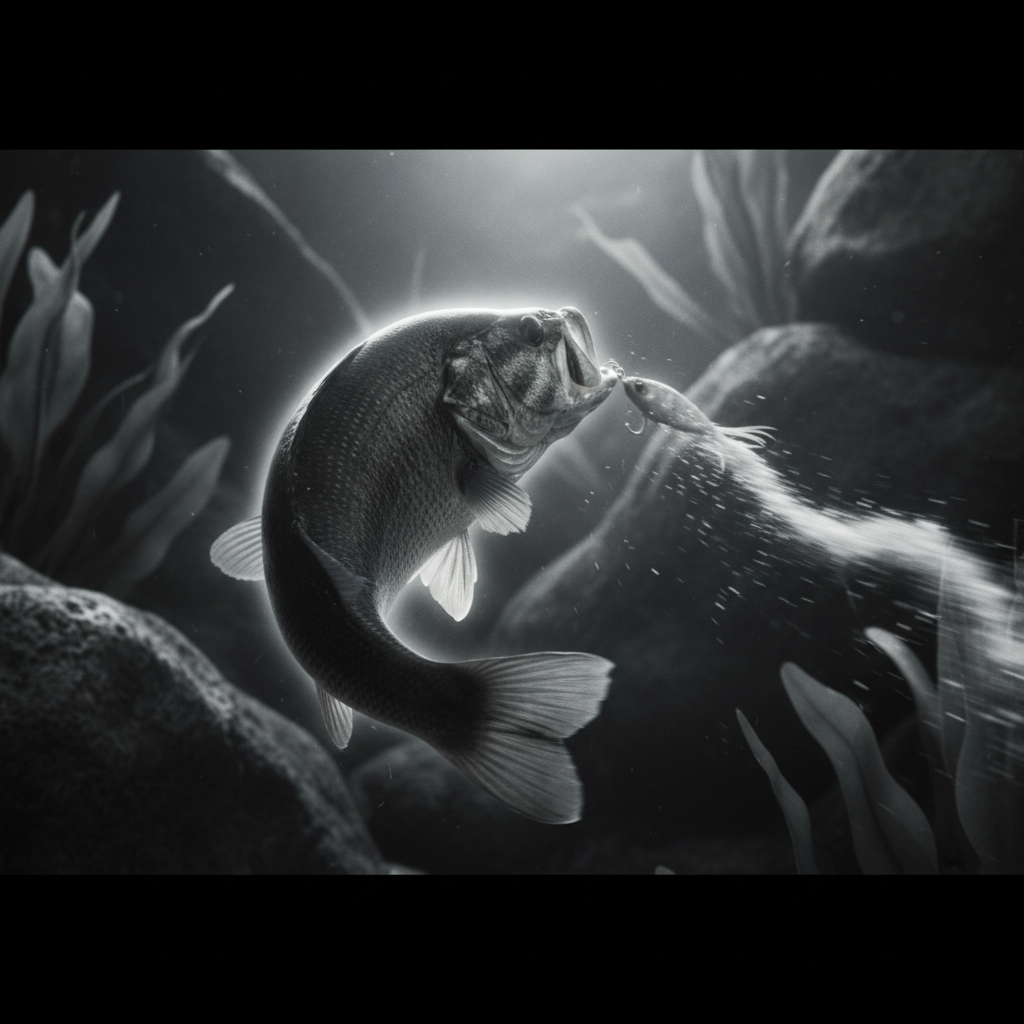
The Art of Slowing Down: Techniques for Enhanced Bait Presentation
So, if speed is often detrimental to your bait presentation, what’s the alternative? The answer lies in mastering the art of slowing down and incorporating techniques that enhance the realism and appeal of your bait.
Vary Your Retrieve: The Power of Pause and Jerk
One of the most effective ways to slow down your presentation is to vary your retrieve. Instead of simply reeling your bait in at a constant speed, incorporate pauses, jerks, and subtle changes in direction. These variations mimic the natural movements of prey and make your bait appear more lifelike and appealing. For example, when fishing with a crankbait, try pausing the retrieve every few cranks to allow the bait to suspend in the water. This can be particularly effective when fishing for suspended fish or in areas with submerged structure. Similarly, when fishing with a jerkbait, use a series of sharp jerks followed by pauses to create an erratic, darting action that triggers strikes.
The key is to experiment with different retrieve techniques and pay attention to how the fish are reacting. Some days, they might prefer a slow, steady retrieve with occasional pauses. Other days, they might be more responsive to a fast, erratic retrieve with aggressive jerks. The ability to adapt your presentation based on the prevailing conditions is what separates a skilled angler from a novice.
Choosing the Right Gear: Matching Equipment to Presentation
Your gear also plays a crucial role in your ability to slow down and present your bait effectively. A rod that is too stiff or a reel with a high gear ratio can make it difficult to achieve the subtle movements and pauses that are essential for a realistic presentation. Opt for a rod with a moderate action that allows you to impart subtle movements to your bait without overpowering it. Choose a reel with a lower gear ratio, which will give you more control over the speed of your retrieve. Line choice also matters. Fluorocarbon line is virtually invisible underwater and has low stretch, allowing you to detect subtle strikes and maintain a solid hookset. Braided line, on the other hand, has no stretch and is ideal for fishing in heavy cover where you need maximum sensitivity and power.
The Importance of Observation: Reading the Water and Understanding Fish Behavior
Ultimately, the most important factor in mastering the art of slowing down is observation. Pay attention to the water conditions, the behavior of the fish, and the overall environment. Are the fish actively feeding on the surface? Are they holding tight to cover? Are they spooky and easily startled? The answers to these questions will dictate the type of bait you choose and the retrieve technique you employ. Take the time to observe the natural movements of prey in the area and try to replicate those movements with your bait. By becoming a keen observer of the natural world, you will significantly improve your ability to present your bait effectively and entice strikes.
Case Studies: When Slow and Steady Wins the Race
The effectiveness of slowing down your bait presentation is not just anecdotal. There are numerous case studies and real-world examples that demonstrate the power of patience and precision. Let’s examine a few:
The Texas Rigged Worm: A Classic Example of Slow Presentation
The Texas rigged worm is a classic example of a bait that is most effective when presented slowly and deliberately. The technique involves rigging a soft plastic worm with a bullet weight and dragging it along the bottom, mimicking the movement of a natural prey item such as a crawfish or a leech. Anglers who rush this presentation often miss strikes because the fish don’t have enough time to fully commit to the bait. By slowing down the retrieve and allowing the worm to crawl along the bottom, anglers can give the fish ample opportunity to inspect the bait and ultimately strike with confidence.
I once witnessed a tournament angler, known for his finesse fishing skills, use this technique to win a major bass tournament on a notoriously difficult lake. While other anglers were burning crankbaits and spinnerbaits in search of aggressive fish, he methodically worked a Texas rigged worm along the bottom, targeting subtle changes in structure and cover. His patience and precision paid off as he consistently caught larger and more fish than his competitors.
The Drop Shot Rig: Finesse Fishing at its Finest
The drop shot rig is another example of a technique that excels when presented slowly and deliberately. The rig involves suspending a small, soft plastic bait below a weight, allowing it to hover just off the bottom. This presentation is particularly effective for targeting fish that are holding tight to structure or suspended in the water column. The key to success with the drop shot rig is to impart subtle movements to the bait without moving the weight. This can be achieved by gently shaking the rod tip or slowly lifting and lowering the bait. Anglers who try to fish the drop shot rig too quickly often spook the fish or fail to trigger a strike.
A friend of mine, a seasoned drop shot angler, once told me that his most successful days on the water were when he focused on making the bait appear as natural as possible. He would spend hours experimenting with different baits, weights, and retrieve techniques until he found the perfect combination that triggered the fish’s feeding response. His dedication to slow, deliberate presentation consistently resulted in impressive catches, even when other anglers were struggling to catch anything at all.
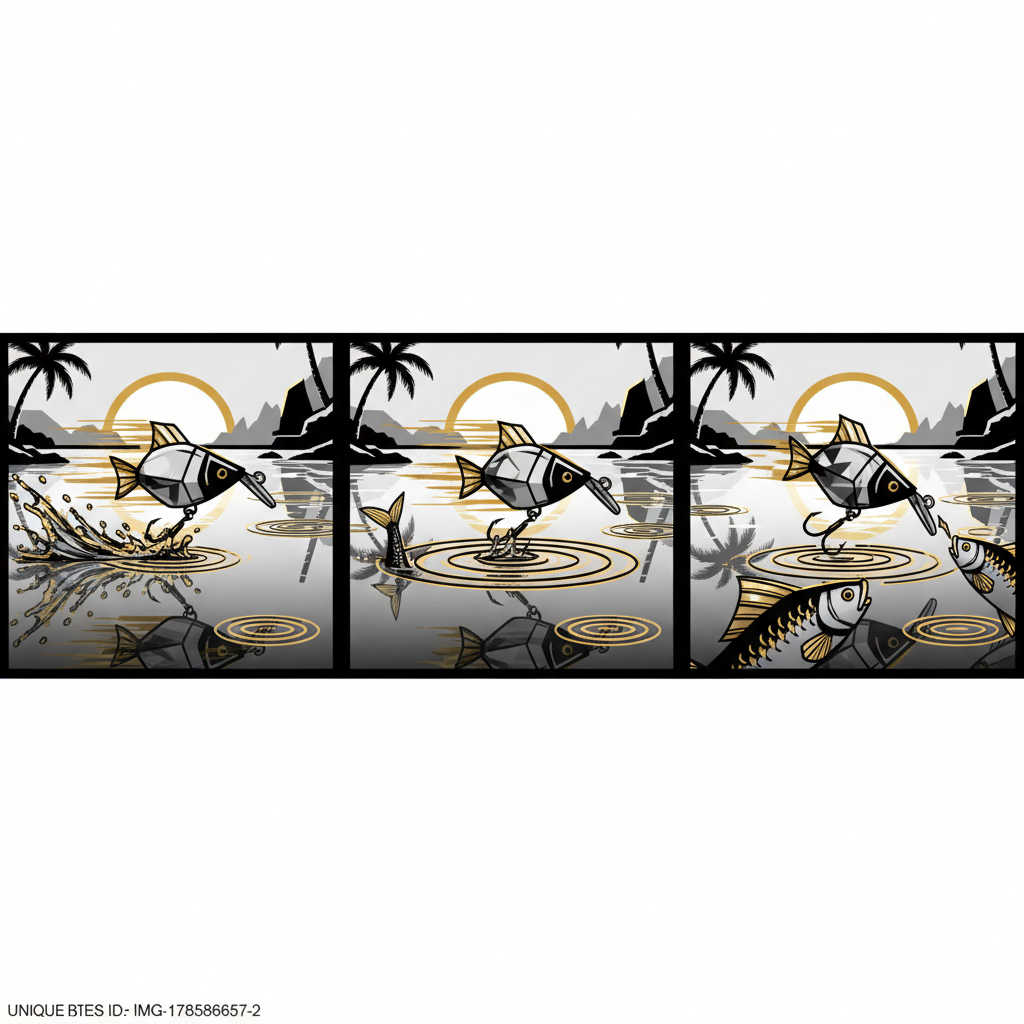
Beyond the Bait: The Psychological Benefits of Slowing Down
The benefits of slowing down your fishing approach extend beyond simply improving your bait presentation. It also has significant psychological benefits that can enhance your overall fishing experience.
Increased Mindfulness and Focus
When you slow down and focus on the details of your presentation, you become more mindful of your surroundings. You start to notice subtle changes in the water, the wind, and the behavior of the fish. This increased awareness can lead to a deeper connection with nature and a greater appreciation for the art of fishing. You’re no longer just mindlessly casting and retrieving; you’re actively engaged in the process, paying attention to every detail and making adjustments as needed.
Reduced Stress and Increased Enjoyment
Fishing is often seen as a way to escape the stresses of everyday life. However, if you approach it with a sense of urgency and pressure, it can actually become a source of stress. By slowing down and focusing on the present moment, you can reduce your stress levels and increase your enjoyment of the experience. You’re no longer obsessing over catching the biggest fish or the most fish; you’re simply enjoying the process of being on the water, connecting with nature, and honing your skills.
Enhanced Learning and Skill Development
When you slow down and pay attention to the details, you create more opportunities for learning and skill development. You can experiment with different techniques, observe the reactions of the fish, and refine your approach based on your observations. This iterative process of learning and refinement is what ultimately transforms you from a novice angler into a seasoned pro. You’re no longer just relying on luck; you’re developing a deep understanding of fish behavior and the art of bait presentation.
Common Mistakes: Avoiding the Pitfalls of Speed
Even with a conscious effort to slow down, it’s easy to fall back into the trap of prioritizing speed over finesse. Here are some common mistakes to avoid:
Rushing the Retrieve: The Temptation of Impatience
One of the most common mistakes anglers make is rushing the retrieve. This is particularly true when fishing for inactive fish or in areas with heavy cover. The temptation to quickly retrieve your bait and move on to the next spot is strong, but it’s often counterproductive. Instead of rushing, focus on working your bait slowly and deliberately, paying attention to every detail of your presentation. Give the fish ample opportunity to inspect the bait and strike with confidence.
Ignoring Subtle Strikes: Missing the Opportunity
Another common mistake is ignoring subtle strikes. Fish don’t always slam the bait. Sometimes, they simply nip at it or inhale it gently. If you’re not paying attention, you might miss these subtle strikes and fail to set the hook. Focus on feeling for any unusual pressure or movement on your line. If you suspect a fish has taken the bait, set the hook immediately. It’s better to set the hook unnecessarily than to miss a potentially trophy-sized fish.
Using the Wrong Gear: Hindering Your Presentation
Using the wrong gear can also hinder your ability to slow down and present your bait effectively. A rod that is too stiff, a reel with a high gear ratio, or a line that is too thick can all make it difficult to achieve the subtle movements and pauses that are essential for a realistic presentation. Make sure you’re using gear that is appropriate for the type of fishing you’re doing and the type of bait you’re using. This will give you more control over your presentation and increase your chances of success.

The Future of Bait Presentation: Embracing Finesse and Precision
As fishing pressure continues to increase and fish become more wary, the importance of finesse and precision in bait presentation will only continue to grow. Anglers who are willing to embrace these techniques and slow down their approach will have a significant advantage over those who rely on speed and brute force.
The future of bait presentation lies in understanding the sensory world of the fish, mimicking the natural movements of prey, and adapting your approach based on the prevailing conditions. It’s about becoming a student of the sport, constantly learning and refining your skills. It’s about embracing the art of slow, deliberate presentation and recognizing that sometimes, the most effective way to catch fish is to simply slow down and let the bait do its work.
The Evolution of Lure Design: Catering to Finesse Techniques
Lure manufacturers are also recognizing the growing importance of finesse techniques and are developing new lures and technologies that cater to this trend. Soft plastic baits are becoming more realistic and lifelike, with intricate details and subtle actions that mimic the natural movements of prey. Lure colors and patterns are becoming more sophisticated, with options designed to match the specific forage base in different regions. And new technologies, such as scent attractants and vibration enhancements, are being incorporated into lures to further enhance their appeal to fish.
The Rise of Electronic Assistance: Enhancing Underwater Observation
Electronic assistance, such as fish finders and underwater cameras, are also playing an increasingly important role in bait presentation. These technologies allow anglers to observe fish behavior in real-time and adjust their presentation accordingly. They can help to identify the depth at which fish are holding, the type of cover they are using, and their reaction to different baits and retrieves. This information can be invaluable in developing a successful fishing strategy.

Final Thoughts: Patience as the Ultimate Bait
In the grand scheme of things, fishing is more than just a sport; it’s a connection to nature, a test of skill, and a lesson in patience. The pursuit of speed, while tempting, often undermines the very essence of what makes fishing so rewarding. By embracing the art of slowing down, you not only increase your chances of catching fish but also deepen your appreciation for the natural world and the subtle nuances of the sport. Remember, sometimes the best bait you can offer is not a flashy lure or a complex rig, but simply the unwavering patience to present it perfectly.
So, the next time you’re on the water, resist the urge to rush. Take a deep breath, slow down your retrieve, and focus on the details. You might be surprised at what you discover – not just in terms of the fish you catch, but also in terms of the peace of mind and sense of accomplishment you gain. Because ultimately, the true measure of a successful angler is not just the number of fish they catch, but the skill, patience, and respect they bring to the water.