The Allure of the Natural
In the world of fishing, a constant debate rages: Which is superior, the painstakingly crafted, scientifically engineered bait from a tackle shop, or the humble, readily available offering found in nature’s own pantry? While gleaming lures and potent attractants certainly have their place, there’s a compelling argument to be made for the enduring effectiveness – and perhaps, even the inherent charm – of natural movement and presentation when it comes to enticing fish.
Think about it: what is a fish naturally accustomed to seeing in its environment? It’s not brightly colored plastics or artificial scents. It’s the subtle dance of a mayfly nymph drifting in the current, the frantic dart of a minnow escaping a predator, the clumsy tumble of a grasshopper falling from an overhanging branch. These are the movements that have shaped a fish’s feeding instincts for millennia. Can a manufactured bait, no matter how sophisticated, truly replicate the complex and nuanced signals of the natural world?
The truth is, expensive bait often relies on triggering a primal, almost knee-jerk reaction in fish. It’s designed to overwhelm their senses with scent, color, or vibration, compelling them to strike out of curiosity or aggression. This can be effective, especially in heavily pressured waters where fish have become conditioned to ignore natural offerings. However, it’s a strategy that can quickly lose its edge as fish become wary of artificial presentations. They learn to distinguish the real from the fake, and the effectiveness of even the most cutting-edge bait can wane over time.
The Power of Observation
Before even considering what bait to use, a skilled angler dedicates time to observing the environment. What insects are hatching? What small fish are prevalent? What’s the water clarity like? Understanding these details is crucial for selecting a natural bait that closely mimics what the fish are already feeding on. It’s about becoming a student of the ecosystem, learning to read the subtle clues that nature provides.
This is where the art of fishing truly comes into play. It’s not just about casting a line and hoping for the best; it’s about understanding the intricate web of life beneath the surface and adapting your approach accordingly. It’s about using your knowledge and intuition to present a bait that seamlessly integrates into the natural environment, appearing as a genuine and irresistible meal to the fish.
For example, if you’re fishing a trout stream in the spring, you might notice an abundance of caddisflies emerging from the water. In this case, a simple caddisfly larva imitation, fished with a natural drift, is likely to be far more effective than a flashy spinnerbait. The trout are already keyed in on the caddisflies, and your offering will blend seamlessly into their feeding pattern.
The Art of Presentation
The type of bait is only half the battle. Equally important is how you present it. Natural movement is paramount. A lifeless, unnaturally drifting worm is unlikely to fool a discerning fish. The key is to mimic the natural behavior of the bait as closely as possible.
Consider a live minnow, a staple for bass fishing. Simply hooking it through the lips and casting it out is unlikely to yield the best results. A more effective technique is to hook it through the dorsal fin, allowing it to swim more freely and naturally. You can also use a float to suspend the minnow at a specific depth, mimicking the behavior of a small fish foraging in the shallows. The goal is to make the minnow look as natural as possible, as if it were simply swimming along on its own accord.
Similarly, when fishing with worms, experiment with different rigging techniques to achieve the desired presentation. A Texas-rigged worm can be slowly dragged along the bottom, mimicking a bottom-dwelling creature. A Carolina-rigged worm can be fished at a greater distance, allowing you to cover more water. And a wacky-rigged worm, hooked through the middle, creates an enticing wiggling action that can be irresistible to bass.
The crucial element is not just the bait itself, but the subtle dance you orchestrate with it, imbuing it with a lifelike quality that fools even the most cautious predators.
Understanding Current and Drift
In moving water, understanding current and drift is essential for presenting natural baits effectively. A bait that is dragging unnaturally against the current will be a dead giveaway to fish. The goal is to achieve a natural drift, allowing the bait to flow freely with the current, as if it were simply being carried along by the water.
This often requires careful casting and line management. You may need to mend your line to prevent it from dragging the bait or add weight to your rig to keep it near the bottom. The key is to experiment with different techniques until you find what works best in the specific conditions.
Imagine a mayfly nymph drifting in a stream. It doesn’t swim against the current; it simply goes where the water takes it. This is the kind of natural drift you want to emulate when fishing with natural baits. It requires patience, observation, and a willingness to adapt to the ever-changing conditions of the water.
The Scent Factor
While visual presentation and natural movement are paramount, scent also plays a significant role in a fish’s feeding decisions. Natural baits possess inherent scents that are far more complex and appealing than any artificial attractant. These scents are composed of a multitude of organic compounds that trigger a natural feeding response in fish.
Think about a nightcrawler, a classic bait for a variety of fish species. It exudes a rich, earthy scent that is highly attractive to fish. This scent is not just a single chemical compound; it’s a complex blend of amino acids, proteins, and other organic molecules that signal the presence of a readily available food source.
Artificial scents can sometimes mimic these natural odors, but they often lack the complexity and nuance of the real thing. Furthermore, artificial scents can sometimes have a negative effect, repelling fish or alerting them to the presence of danger. A fish that detects an artificial scent might become suspicious and avoid the bait altogether.
This doesn’t mean that artificial scents are always ineffective, but it does highlight the importance of natural scent when it comes to enticing fish. When possible, it’s always best to use a bait that possesses its own inherent scent, rather than relying on artificial attractants.
Ethical Considerations
The use of natural baits also raises ethical considerations. It’s important to use natural baits responsibly and sustainably, ensuring that you are not harming the environment or depleting natural resources. This means avoiding the use of endangered or threatened species as bait, and taking steps to minimize your impact on the ecosystem.
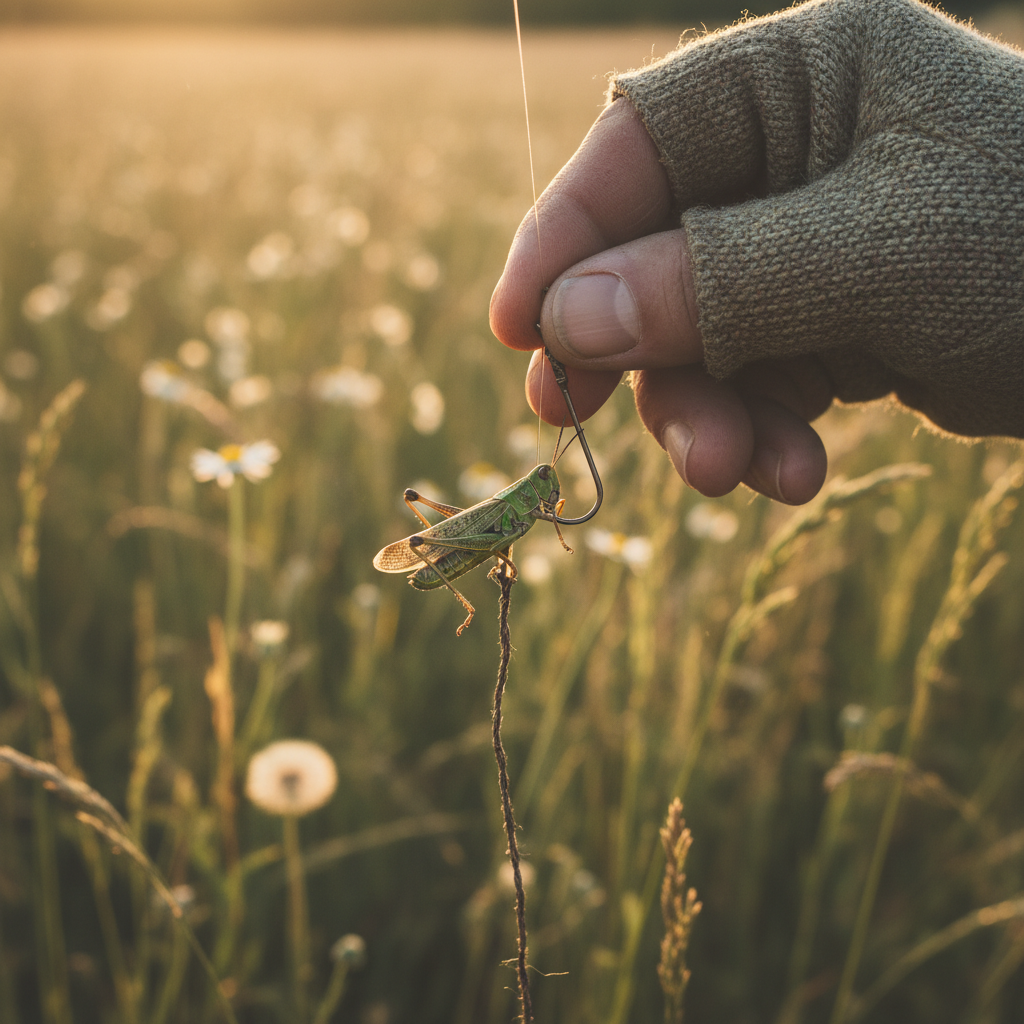
For example, if you’re collecting grasshoppers for bait, be sure to only take what you need and avoid over-collecting in any one area. You should also avoid using pesticides or other chemicals that could harm the grasshoppers or contaminate the environment.
Similarly, when using live minnows as bait, be sure to obtain them from a reputable source and handle them with care. Avoid releasing non-native minnows into the environment, as this can have a devastating impact on native fish populations. Always prioritize the health and sustainability of the ecosystem when using natural baits.
Case Studies: Natural Bait Success Stories
Countless anglers have experienced the success of natural baits firsthand. Here are a few examples that illustrate the power of natural movement and presentation:
- The Fly Fisherman and the Mayfly Hatch: A fly fisherman arrives at a trout stream during a heavy mayfly hatch. Instead of using a flashy attractor pattern, he ties on a realistic mayfly imitation and carefully presents it to rising trout. He precisely matches the hatch, and the trout eagerly take his offering, mistaking it for the real thing.
- The Bass Angler and the Nightcrawler: A bass angler is fishing a weed-choked lake. He rigs a nightcrawler on a Texas rig and slowly drags it along the bottom. A large bass strikes the bait, drawn in by the nightcrawler’s natural scent and wiggling action.
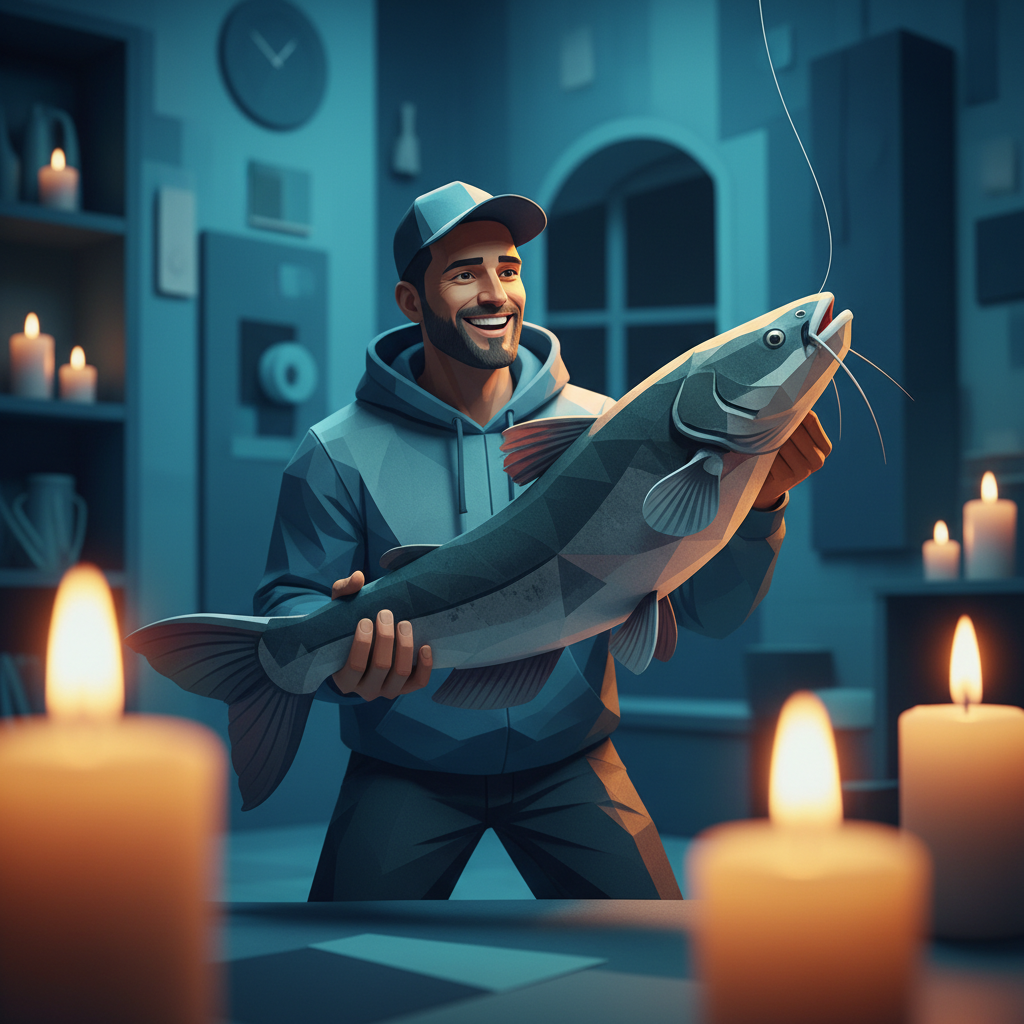
- The Catfisherman and the Cut Bait: A catfisherman is fishing a muddy river. He uses a piece of cut bait, a chunk of fresh fish, on a circle hook. The catfish are attracted to the strong scent of the cut bait and readily devour it.
These are just a few examples of how natural baits can be highly effective in a variety of fishing situations. The key is to understand the natural feeding habits of the fish you are targeting and to present your bait in a way that mimics their natural prey.
The Limitations of Artificial Bait
While artificial baits have their place, they are not always the best choice. In some situations, natural baits are simply more effective. Here are a few reasons why:
- Heavily Pressured Waters: In waters that are heavily fished, fish can become wary of artificial baits. They learn to distinguish the real from the fake and may avoid artificial lures altogether. Natural baits, on the other hand, offer a more subtle and natural presentation that can fool even the most cautious fish.
- Clear Water Conditions: In clear water, fish can see artificial baits more clearly, and they are more likely to detect any imperfections or unnatural movements. Natural baits, with their natural scent and movement, are more likely to fool fish in clear water.
- Selective Feeders: Some fish are selective feeders, meaning they only eat specific types of prey. If you are targeting a fish that is only feeding on mayfly nymphs, for example, an artificial lure that doesn’t closely resemble a mayfly nymph is unlikely to be effective. A natural mayfly nymph, on the other hand, will be irresistible.
The best anglers are those who are able to adapt their approach to the specific conditions and preferences of the fish they are targeting. This often means using a combination of natural and artificial baits, depending on the situation.
Beyond the Catch: The Connection to Nature
Perhaps the most compelling argument for using natural baits is the deeper connection it fosters with the natural world. When you’re actively searching for grasshoppers in a field or collecting worms from your garden, you’re engaging with the environment in a way that you simply don’t when you’re buying a package of artificial lures from a store.
You become more attuned to the rhythms of nature, observing the subtle changes in the environment and learning to read the clues that indicate where fish are likely to be feeding. This deeper understanding of the ecosystem not only makes you a more effective angler, but it also enriches your overall experience of being outdoors.
There’s a certain satisfaction that comes from catching a fish on a bait that you’ve personally collected or prepared. It’s a testament to your knowledge, skill, and connection to the natural world. It’s a reminder that fishing is not just about catching fish; it’s about immersing yourself in nature and experiencing the joy of being a part of something larger than yourself.

The Future of Bait
As fishing technology continues to evolve, it’s likely that we’ll see even more sophisticated artificial baits and attractants hit the market. However, it’s unlikely that these artificial creations will ever completely replace the effectiveness of natural baits. There’s simply something inherently appealing about the real thing that fish can’t resist. Whether it’s the natural scent, the realistic movement, or the inherent connection to the ecosystem, natural baits will always have a place in the angler’s arsenal.
The future of bait may lie in a hybrid approach, combining the best aspects of both natural and artificial offerings. Imagine a biodegradable lure infused with natural scents or a live bait container that automatically dispenses attractants. As anglers become more environmentally conscious, there will likely be a growing demand for sustainable and eco-friendly baits that minimize their impact on the environment. The key is to find a balance between innovation and sustainability, ensuring that we can continue to enjoy the sport of fishing for generations to come.
So, the next time you’re planning a fishing trip, consider leaving the expensive tackle shop baits on the shelf and embracing the simplicity and effectiveness of natural offerings. You might be surprised at how successful you can be, and you’ll undoubtedly gain a deeper appreciation for the natural world in the process. The fish, and your soul, will thank you for it.