The Underrated Therapy of the Angler’s World
Fishing. It’s a word that conjures images of quiet lakes, babbling brooks, and the patient angler waiting for a tug on the line. But beyond the surface of a relaxing pastime lies a deeper, more profound connection – a connection to nature, to oneself, and to a state of mental clarity that’s increasingly rare in our hyper-connected world. We often hear about the thrill of the catch, the camaraderie amongst fishing buddies, and the delicious meal that follows a successful day. However, the true magic of fishing resides in its ability to quiet the mind, offering a sanctuary from the relentless demands of modern life. It’s a form of therapy disguised as a sport, a meditation in motion that allows us to unplug, unwind, and reconnect with our inner selves.
In an age where our attention spans are constantly under assault from notifications, emails, and social media updates, finding moments of genuine peace can feel like an impossible task. We’re bombarded with information, demands, and expectations, leaving us feeling stressed, overwhelmed, and mentally exhausted. Fishing offers a powerful antidote to this modern malaise. It’s an opportunity to step away from the noise, to disconnect from the digital world, and to immerse ourselves in the tranquility of nature. It allows us to silence the inner critic, to quiet the racing thoughts, and to simply be present in the moment. But how exactly does this work? What is it about fishing that makes it such an effective tool for mental clarity?
The Rhythm of Patience
One of the key elements of fishing’s therapeutic effect is its inherent demand for patience. In a society that prizes instant gratification, fishing teaches us the value of waiting, of observing, and of trusting the process. There’s no guarantee of a catch, no immediate reward for our efforts. Instead, we must learn to be content with the anticipation, to find joy in the simple act of being present, and to accept that sometimes, the best things in life take time. This cultivates a sense of calm and resilience, helping us to develop a more patient and accepting attitude towards life’s inevitable challenges. Think about it – how often do we rush through tasks, driven by a desire to achieve a quick result? Fishing forces us to slow down, to appreciate the nuances of our surroundings, and to find satisfaction in the journey itself. It’s a powerful lesson in delayed gratification, a reminder that true fulfillment often comes from the process, not just the outcome.
Consider the seasoned angler, sitting patiently by the water’s edge, their eyes scanning the surface for any sign of activity. They’re not fidgeting, not checking their phone, not anxiously anticipating a catch. They are simply present, fully engaged in the moment, and at peace with the possibility of returning empty-handed. This is the essence of mindful fishing – a state of complete immersion in the present, free from the distractions of the past and the anxieties of the future. It’s a skill that can be cultivated with practice, and one that offers profound benefits for our mental well-being.
Nature’s Embrace
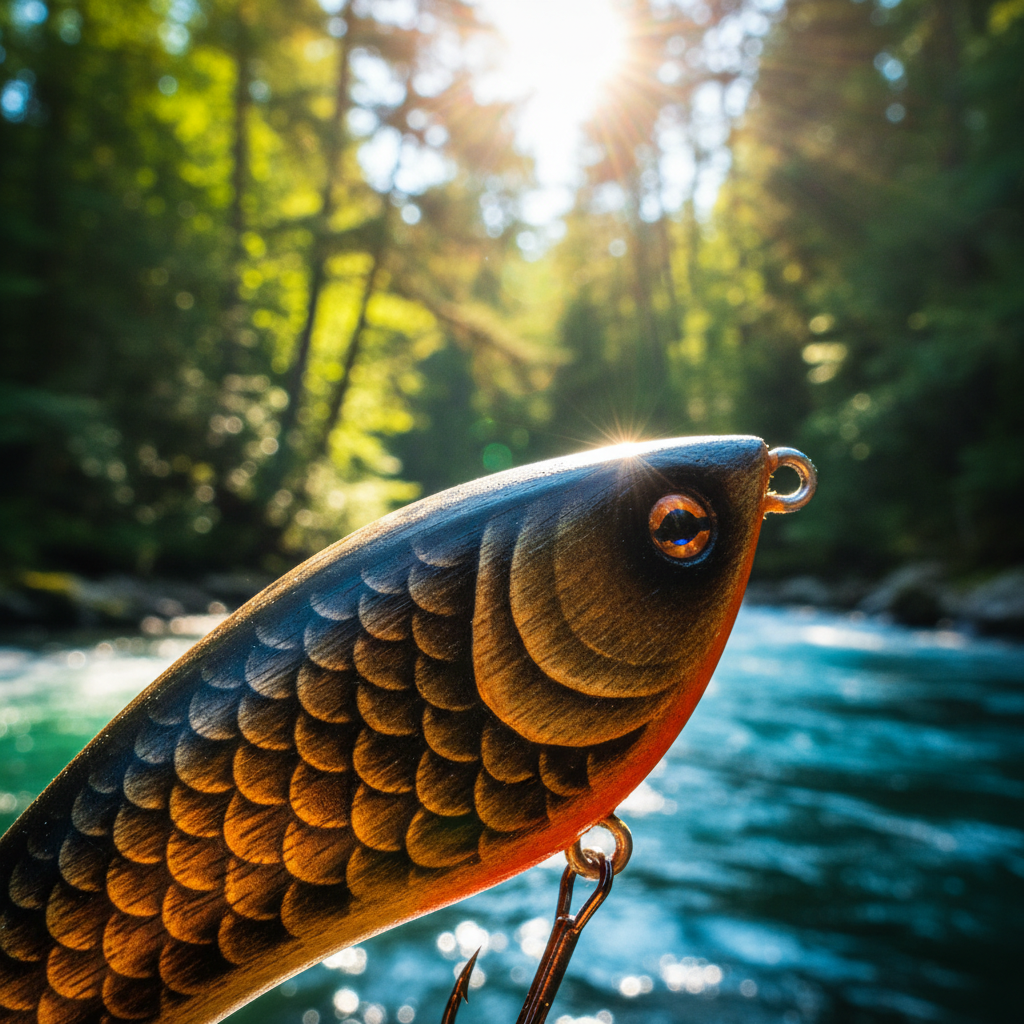
Beyond the element of patience, the sheer act of being outdoors is a powerful mood booster. Studies have shown that spending time in nature can lower stress levels, reduce blood pressure, and improve overall mental health. The sights, sounds, and smells of the natural world have a calming effect on our nervous system, helping us to relax and unwind. Fishing provides the perfect excuse to immerse ourselves in these restorative environments, whether it’s a secluded mountain stream, a tranquil lake, or a vast expanse of ocean. The gentle lapping of waves, the chirping of birds, the rustling of leaves – these are the sounds of serenity, the soundtrack to a more peaceful state of mind. How often do we truly disconnect from the urban environment and immerse ourselves in the natural world? Fishing compels us to do just that, offering a much-needed respite from the concrete jungle and a chance to reconnect with our primal roots.
Imagine yourself standing on the bank of a river, the cool water swirling around your ankles, the sun warming your face. You cast your line, and as you wait for a bite, you notice the intricate patterns of the leaves on the trees, the vibrant colors of the wildflowers blooming along the shore, the graceful flight of a heron overhead. These are the details that often go unnoticed in our busy lives, but they are the details that can bring us a sense of wonder and awe. Fishing allows us to slow down and appreciate these small moments, to find beauty in the everyday, and to cultivate a deeper connection with the natural world. It’s a reminder that we are part of something bigger than ourselves, that we are interconnected with all living things, and that our well-being is intrinsically linked to the health of the planet.
The Focus of the Cast
The act of fishing itself, the repetitive motions of casting, reeling, and waiting, can be surprisingly meditative. It requires focus and concentration, drawing our attention away from our worries and anxieties and placing it squarely in the present moment. The subtle nuances of the water, the feel of the line in our hands, the anticipation of a strike – these are the things that occupy our minds when we’re fishing, leaving little room for anything else. It’s a form of active meditation, a way to quiet the mental chatter and find a sense of inner peace. Have you ever noticed how time seems to slow down when you’re fully engaged in a task? Fishing has that effect, allowing us to enter a state of flow, where we lose track of time and become completely absorbed in the activity at hand.
Think of the skilled fly fisherman, meticulously tying a fly to their line, their movements precise and deliberate. They are not thinking about their to-do list, not worrying about their finances, not dwelling on past regrets. They are simply focused on the task at hand, their mind clear and their body relaxed. This is the power of focused attention, the ability to direct our mental energy towards a single point, and to block out all distractions. Fishing provides the perfect opportunity to cultivate this skill, helping us to develop a greater sense of mental clarity and control. It’s a practice that can be applied to other areas of our lives, helping us to improve our focus, reduce our stress, and enhance our overall well-being.
More Than Just a Hobby: A Pathway to Mindfulness
Fishing, then, isn’t just about catching fish. It’s about catching a moment, catching a feeling, and catching a glimpse of something deeper within ourselves. It’s a practice that cultivates patience, fosters appreciation for nature, and promotes mental clarity. But how can we make the most of these benefits? How can we transform a simple fishing trip into a truly mindful experience?
Embrace the Solitude
While fishing with friends can be a rewarding social activity, there’s something particularly special about fishing alone. Solitude allows us to truly connect with ourselves, to listen to our inner voice, and to find a sense of peace that can be difficult to achieve in the presence of others. It’s an opportunity to escape the pressures of social expectations, to shed our masks, and to simply be ourselves. When we’re alone in nature, we are more likely to notice the subtle details of our surroundings, to appreciate the beauty of the natural world, and to find a sense of connection to something larger than ourselves. Are we truly comfortable spending time alone with our thoughts, or do we constantly seek external validation and distraction? Fishing in solitude can be a powerful tool for self-discovery, helping us to understand ourselves better and to cultivate a greater sense of self-acceptance.
Practice Gratitude
Before you even cast your line, take a moment to express gratitude for the opportunity to be in nature, for the beauty of your surroundings, and for the simple act of being alive. Gratitude is a powerful emotion that can shift our perspective, helping us to focus on the positive aspects of our lives and to appreciate the things we often take for granted. As you fish, continue to look for things to be grateful for – the warmth of the sun on your skin, the sound of the birds singing, the thrill of a tug on the line. By cultivating a sense of gratitude, you can transform a simple fishing trip into a deeply meaningful and enriching experience. How often do we pause to appreciate the simple blessings in our lives? Fishing provides the perfect opportunity to cultivate this practice, helping us to develop a more positive and appreciative outlook on the world.
Leave No Trace
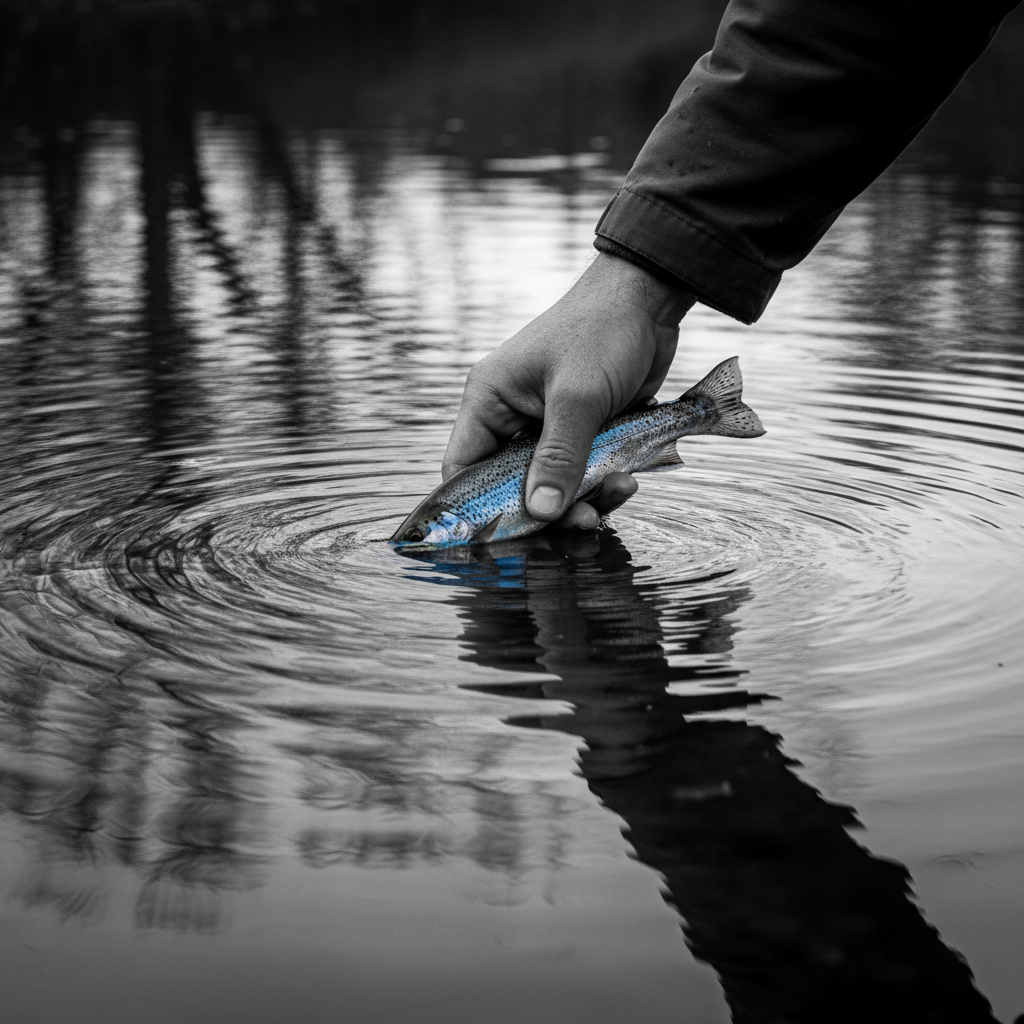
Respect for the environment is an integral part of mindful fishing. We have a responsibility to protect the natural resources that we enjoy, to ensure that future generations can experience the same beauty and tranquility that we do. This means practicing catch and release whenever possible, disposing of our trash properly, and avoiding any activities that could harm the ecosystem. By being mindful of our impact on the environment, we can deepen our connection to nature and cultivate a greater sense of responsibility for the well-being of the planet. Do we truly understand the interconnectedness of all living things, and the impact of our actions on the environment? Fishing can be a powerful tool for environmental education, helping us to develop a greater appreciation for the fragility of the natural world and the importance of conservation.
Disconnect to Reconnect
Resist the urge to check your phone or respond to emails while you’re fishing. This is your time to disconnect from the digital world and reconnect with yourself and with nature. Turn off your notifications, put your phone away, and allow yourself to be fully present in the moment. The world will not fall apart if you don’t respond to that email immediately. In fact, you may find that disconnecting from technology actually enhances your productivity and creativity in the long run. Are we truly capable of disconnecting from our devices, or have we become so addicted to technology that we can no longer function without it? Fishing provides the perfect opportunity to break free from this addiction, to reclaim our attention, and to find a greater sense of freedom and autonomy.
Fishing Beyond the Catch: Life Lessons by the Water
The lessons learned on the water often extend far beyond the realm of fishing. The patience, perseverance, and mindfulness cultivated while angling can be valuable assets in navigating the challenges of everyday life. Fishing can teach us valuable lessons about resilience, adaptability, and the importance of staying calm under pressure. It’s a microcosm of life, where we face setbacks, celebrate successes, and learn to appreciate the journey, regardless of the outcome. But what specific life lessons can we glean from this seemingly simple pastime?
Embracing Uncertainty
Fishing is inherently unpredictable. There’s no guarantee of a catch, no way to control the weather, and no telling what challenges you might encounter along the way. This teaches us to embrace uncertainty, to accept that things don’t always go according to plan, and to adapt to changing circumstances. In a world that often feels chaotic and uncertain, this is a valuable skill to possess. It allows us to navigate challenges with greater ease, to bounce back from setbacks with greater resilience, and to find peace of mind in the midst of uncertainty. How comfortable are we with the unknown, and how well do we cope with unexpected events? Fishing can help us to develop a more flexible and adaptable mindset, allowing us to thrive in a world that is constantly changing.
Consider the angler who has spent hours casting their line without a single bite. They could become frustrated and give up, or they could embrace the challenge, adjust their technique, and continue to persevere. The angler who chooses the latter is more likely to eventually find success, and they will also develop a greater sense of resilience in the process. This is a lesson that can be applied to all areas of our lives, from our careers to our relationships. When we face setbacks, we can choose to give up, or we can choose to learn from our mistakes, adapt to the situation, and keep moving forward.
The Value of Observation
Fishing requires keen observation skills. We must pay attention to the weather, the water conditions, the behavior of the fish, and the subtle cues in our surroundings. This cultivates a heightened sense of awareness, helping us to notice details that we might otherwise miss. This skill can be invaluable in all aspects of life, from our personal relationships to our professional endeavors. By being more observant, we can gain a deeper understanding of the world around us, improve our communication skills, and make better decisions. How often do we truly pay attention to the details, or do we simply rush through life without noticing the nuances of our surroundings? Fishing can help us to develop a more observant and perceptive mindset, allowing us to gain a richer and more meaningful understanding of the world.

Respect for Nature
As we spend more time in nature, we develop a greater appreciation for its beauty, its fragility, and its importance to our well-being. This fosters a sense of respect for the environment, inspiring us to become more responsible stewards of the planet. Fishing can be a powerful tool for environmental education, helping us to understand the interconnectedness of all living things and the importance of conservation. By practicing sustainable fishing practices, we can contribute to the health of our ecosystems and ensure that future generations can enjoy the same natural resources that we do. Do we truly understand the impact of our actions on the environment, and are we willing to make sacrifices to protect it? Fishing can help us to develop a more environmentally conscious mindset, inspiring us to live more sustainably and to advocate for environmental protection.
The Power of Presence
Ultimately, fishing is about being present in the moment. It’s about disconnecting from the distractions of the past and the anxieties of the future, and focusing on the here and now. This cultivates a sense of mindfulness, helping us to appreciate the simple joys of life and to find peace of mind in the midst of chaos. By practicing presence while fishing, we can develop a skill that can be applied to all areas of our lives, helping us to reduce stress, improve our focus, and enhance our overall well-being. Are we truly present in our lives, or are we constantly dwelling on the past or worrying about the future? Fishing can help us to cultivate a greater sense of presence, allowing us to fully experience and appreciate the beauty of each moment.
Casting Shadows of Doubt Aside: Finding Your Mental Peace
So, the next time you’re feeling stressed, overwhelmed, or mentally exhausted, consider grabbing your fishing rod and heading to the nearest body of water. You might just be surprised at the therapeutic benefits you discover. Fishing is more than just a sport; it’s a pathway to mindfulness, a connection to nature, and a powerful tool for mental clarity. It’s an opportunity to quiet the mind, to reconnect with yourself, and to find a sense of peace that’s increasingly rare in our modern world. Embrace the patience, appreciate the beauty, and allow the rhythm of the cast to guide you towards a more tranquil state of mind. But what if you’ve never fished before? Or what if you’ve had negative experiences in the past? How can you overcome these barriers and embrace the therapeutic benefits of fishing?
Overcoming Obstacles
The first step is to simply try it. Don’t let your preconceived notions or past experiences hold you back. Fishing is accessible to everyone, regardless of age, skill level, or physical ability. There are countless resources available to help you get started, from online tutorials to local fishing clubs. Don’t be afraid to ask for help or to experiment with different techniques until you find what works best for you. Remember, the goal is not to catch fish, but to enjoy the process and to find a sense of peace and relaxation. Are you willing to step outside of your comfort zone and try something new? Fishing can be a rewarding and transformative experience, but it requires a willingness to learn, to adapt, and to embrace the unknown.

Finding Your Spot
The location you choose can have a significant impact on your experience. Look for a spot that is peaceful, secluded, and surrounded by nature. Avoid crowded areas or places with a lot of noise and distractions. The ideal fishing spot should be a sanctuary, a place where you can escape the pressures of everyday life and immerse yourself in the tranquility of your surroundings. Consider the time of day as well. Early morning or late evening can be particularly peaceful times to fish, as the crowds are usually smaller and the wildlife is more active. Do you have a place where you can escape the noise and distractions of modern life? Fishing can provide the perfect excuse to explore new locations and discover hidden gems in your local area.
Simplifying the Gear
You don’t need a lot of expensive equipment to enjoy the therapeutic benefits of fishing. In fact, sometimes less is more. Start with a simple rod and reel, a few basic lures or baits, and a comfortable place to sit. Avoid getting caught up in the latest trends or gadgets. The focus should be on the experience, not on the equipment. Overcomplicating things can actually detract from the benefits of fishing, adding unnecessary stress and distraction. Are you prone to overthinking things or getting caught up in the details? Fishing can help you to simplify your approach to life, focusing on the essentials and letting go of the unnecessary.
In conclusion, fishing is far more than just a recreational activity. It’s a holistic practice that nurtures the mind, body, and spirit. By embracing the principles of patience, gratitude, and respect for nature, we can unlock the profound therapeutic benefits of angling and cultivate a more peaceful, mindful, and fulfilling life. So, cast your worries aside and cast your line into the water. The serenity that awaits may surprise you.