The Stillness Before the Strike: Embracing Observational Power
In the adrenaline-pumping world of fishing, where the thrill of the catch often overshadows the quieter aspects of the sport, lies a profound truth: sometimes, the most powerful action is inaction. Sometimes, the greatest skill isn’t in the swift cast or the forceful reel, but in the patient, observant stillness that precedes them. We are so conditioned to believe that progress comes from constant movement, from relentless striving, that we often overlook the subtle yet immense power of simply observing, of truly seeing the world around us before we attempt to interact with it.
Think about it. How often do we rush into situations, whether it’s choosing a lure, selecting a fishing spot, or even navigating personal relationships, without first taking the time to understand the nuances of the environment? We are bombarded with information, with advice, with the urge to *do something*, that we forget the fundamental importance of simply being present, of absorbing the subtle cues that nature, or life itself, offers us.
This concept extends far beyond the realm of fishing. In business, in art, in science, even in our daily interactions, the ability to observe keenly, to listen deeply, is the foundation upon which true understanding and effective action are built. But how do we cultivate this skill? How do we transform ourselves from mere actors on the stage of life into perceptive observers capable of discerning the hidden currents that shape our experiences?
The Art of Attentive Presence
Attentive presence is not merely about being physically present in a given location. It’s about engaging all our senses, focusing our attention, and quieting the internal chatter that often prevents us from truly seeing what’s in front of us. It requires a conscious effort to resist the urge to react immediately and instead, to pause, to observe, and to allow understanding to emerge.
Consider the seasoned angler, the one who consistently lands impressive catches. They don’t just blindly cast their line into the water and hope for the best. They spend time studying the water’s surface, observing the movement of insects, noting the direction of the wind, and paying attention to subtle changes in temperature. They become intimately familiar with the environment, understanding the rhythms and patterns that govern the behavior of the fish they seek.
This level of awareness is not innate. It’s cultivated through practice, through a deliberate effort to shift our focus from our own thoughts and desires to the external world. It involves training ourselves to notice the small details that others might miss, the subtle signs that indicate the presence of fish, the changing weather patterns, the shifting currents of the water.
Take, for example, the simple act of choosing a lure. A novice angler might select a lure based solely on its appearance, its color, or its flashy presentation. But an experienced angler will consider a multitude of factors, including the depth of the water, the clarity of the water, the type of fish they are targeting, and the available food sources. They will observe the behavior of the fish, noticing whether they are actively feeding on the surface, hiding in the depths, or displaying signs of aggression. Based on these observations, they will carefully select a lure that mimics the natural prey of the fish and presents it in a way that is likely to entice a strike.
This is the power of attentive presence. It allows us to make informed decisions based on a deep understanding of the environment, rather than relying on guesswork or intuition.
Unveiling the Subtleties: Decoding Nature’s Language
Nature speaks in a language of subtle cues, of nuanced signals that are often missed by the untrained eye. The ability to decode this language is essential for anyone who seeks to connect with the natural world on a deeper level, whether they are a fisherman, a hiker, or simply someone who appreciates the beauty of the outdoors. To truly observe is to learn this secret language.
What does the ripple on the water’s surface tell you? Is it the playful disturbance of a feeding fish, or the gentle caress of the wind? The experienced observer knows the difference. They can distinguish between the subtle variations in the water’s movement, recognizing the telltale signs that indicate the presence of life beneath the surface.
Consider the behavior of birds. Are they circling overhead, diving into the water, or perched on branches, seemingly oblivious to your presence? Each of these behaviors can provide valuable clues about the location of fish, the presence of predators, or the changing weather conditions. A flock of gulls diving into the water, for example, might indicate a school of baitfish being chased to the surface by larger predators. A lone heron standing motionless at the edge of the water might be patiently waiting for an unsuspecting fish to swim within striking distance.

Even the seemingly insignificant details, such as the color of the sky, the smell of the air, or the feel of the wind on your skin, can provide valuable insights into the environment. A red sky at night, for example, might indicate an approaching storm. A salty smell in the air might suggest that you are near the ocean. A sudden shift in the wind direction might signal a change in weather patterns.
Learning to decode these subtle cues requires patience, practice, and a willingness to pay attention to the small details. It involves cultivating a sense of curiosity and wonder, a desire to understand the interconnectedness of all things. It means becoming a student of nature, constantly learning and refining your understanding of the world around you.
Case Study: The Silent Hunter’s Success
Let’s consider a real-world example of how observation can lead to success in fishing. Imagine two anglers, both fishing in the same lake, at the same time. One angler is impatient, casting their line repeatedly, trying different lures, and constantly moving from spot to spot. They are focused on action, on doing something, anything, to try to catch a fish.
The other angler, however, takes a different approach. They arrive at the lake early, before sunrise, and spend time simply observing. They watch the water’s surface, listening for the sounds of feeding fish. They note the direction of the wind, the temperature of the air, and the position of the sun. They pay attention to the behavior of birds and other wildlife, looking for clues about the location of fish.
Based on their observations, they carefully select a fishing spot that is likely to hold fish. They choose a lure that mimics the natural prey of the fish and present it in a way that is likely to entice a strike. They cast their line with precision and patience, allowing the lure to sink to the desired depth and retrieving it slowly and deliberately.
The result? The observant angler consistently outfishes the impatient angler. They understand the environment, they know where the fish are likely to be, and they present their lure in a way that is most likely to attract a strike. Their success is not based on luck or chance, but on a deep understanding of the natural world and a willingness to observe before acting.
Beyond the Water’s Edge: Observation in Life
The principles of observation that apply to fishing can be readily translated to other aspects of life. Whether you are navigating a complex business deal, building a meaningful relationship, or pursuing a creative endeavor, the ability to observe keenly and understand the nuances of the situation is essential for success.
In business, for example, a successful entrepreneur doesn’t just launch a product or service without first understanding the needs and desires of their target market. They spend time observing their customers, listening to their feedback, and analyzing market trends. They understand the competitive landscape and identify opportunities for innovation and differentiation.
In relationships, effective communication is not just about expressing your own thoughts and feelings, but also about listening attentively to the other person, observing their body language, and understanding their perspective. It involves empathy, compassion, and a willingness to see the world through their eyes.
In creative pursuits, inspiration often comes from observing the world around us, from noticing the beauty in everyday things, from finding new perspectives on familiar subjects. A painter might be inspired by the way light falls on a landscape, a writer might be moved by a conversation overheard on the street, a musician might be inspired by the rhythm of the city.

The key is to cultivate a mindset of curiosity and openness, a willingness to learn from every experience, and a desire to understand the interconnectedness of all things. It means challenging your assumptions, questioning your beliefs, and constantly seeking new perspectives.
The Pitfalls of Premature Action
Just as observation can be a powerful tool, premature action can be a significant impediment to success. When we act before we understand the situation, we are more likely to make mistakes, waste resources, and ultimately fail to achieve our goals.
Think about the angler who casts their line repeatedly without first assessing the environment. They might be using the wrong lure, fishing in the wrong location, or presenting the lure in a way that is unlikely to attract a strike. They are essentially throwing darts in the dark, hoping to get lucky.
In business, a company that launches a product without first conducting market research is likely to face significant challenges. They might be targeting the wrong audience, offering a product that doesn’t meet the needs of their customers, or failing to differentiate themselves from the competition.
In relationships, acting impulsively or reacting emotionally without first understanding the other person’s perspective can lead to misunderstandings, conflicts, and damaged relationships. It’s important to take the time to listen, to empathize, and to understand the other person’s point of view before reacting.
The lesson is clear: before taking action, take the time to observe, to understand, and to assess the situation. This will not only increase your chances of success but also help you to avoid costly mistakes and wasted effort.
Cultivating Observational Skills: Practical Exercises
Developing the ability to observe keenly is not a passive process. It requires active engagement, conscious effort, and a willingness to practice regularly. Here are some practical exercises that can help you to cultivate your observational skills:
- Mindful Meditation: Practicing mindfulness meditation can help you to quiet your mind, focus your attention, and become more aware of your thoughts, feelings, and sensations. This can make it easier to observe the world around you without judgment or distraction.
- Nature Walks: Spend time in nature, paying attention to the sights, sounds, smells, and textures of the environment. Try to notice the small details that you might normally overlook, such as the patterns in a leaf, the songs of birds, or the movement of insects.
- People Watching: Observe people in public places, paying attention to their body language, their facial expressions, and their interactions with others. Try to imagine what they are thinking and feeling, and what their motivations might be.
- Art Appreciation: Visit art museums and galleries, taking the time to study the details of each artwork. Pay attention to the artist’s use of color, light, and composition, and try to understand the message they are trying to convey.
- Journaling: Keep a journal of your observations, writing down your thoughts, feelings, and insights about the world around you. This can help you to process your experiences, identify patterns, and deepen your understanding.
By incorporating these exercises into your daily routine, you can gradually develop your observational skills and become more attuned to the subtleties of the world around you.
The Power of Silence: Listening to the Unspoken
Observation isn’t just about seeing; it’s also about listening, and often, the most important things are communicated not through words, but through silence. The space between the spoken words, the unspoken emotions, the subtle cues of body language – these are often where the true meaning lies.
In fishing, the silence of the water, the stillness of the air, can be just as informative as the splash of a feeding fish. It tells you about the mood of the lake, the activity levels of the fish, and the overall conditions of the environment. Learning to appreciate and interpret this silence is a key to success.
In human interaction, the ability to listen to the unspoken is even more crucial. Are they truly happy, or are they masking sadness? Are they being honest, or are they withholding information? The answers often lie not in what they say, but in how they say it, and in what they don’t say at all.

This requires a level of empathy, of attunement to the other person’s emotional state, that goes beyond simply hearing their words. It requires paying attention to their body language, their tone of voice, their facial expressions, and their subtle shifts in energy. It requires being present, being mindful, and being fully engaged in the moment.
Learning to listen to the unspoken is a lifelong journey, a continuous process of refinement and deepening understanding. But it is a journey that is well worth taking, for it can unlock a world of insight and connection that is otherwise hidden from view.
The Observer’s Advantage: A Path to Mastery
The ability to observe keenly is not just a useful skill; it is a fundamental attribute of mastery. Whether you are striving to excel in fishing, in business, in art, or in any other field, the capacity to observe, to understand, and to adapt is essential for achieving your full potential.
The master angler is not just someone who catches a lot of fish; they are someone who understands the fish, the water, and the environment on a deep and intuitive level. They have spent countless hours observing, experimenting, and learning, and they have developed a profound connection with the natural world.
The master artist is not just someone who creates beautiful works of art; they are someone who sees the world in a unique and insightful way. They have honed their observational skills to the point where they can capture the essence of a subject, conveying its beauty, its emotion, and its significance.
The path to mastery is not about rushing to action; it is about patiently cultivating the ability to observe, to understand, and to adapt. It is about learning to see the world with fresh eyes, to appreciate the subtleties, and to find meaning in the seemingly insignificant details.
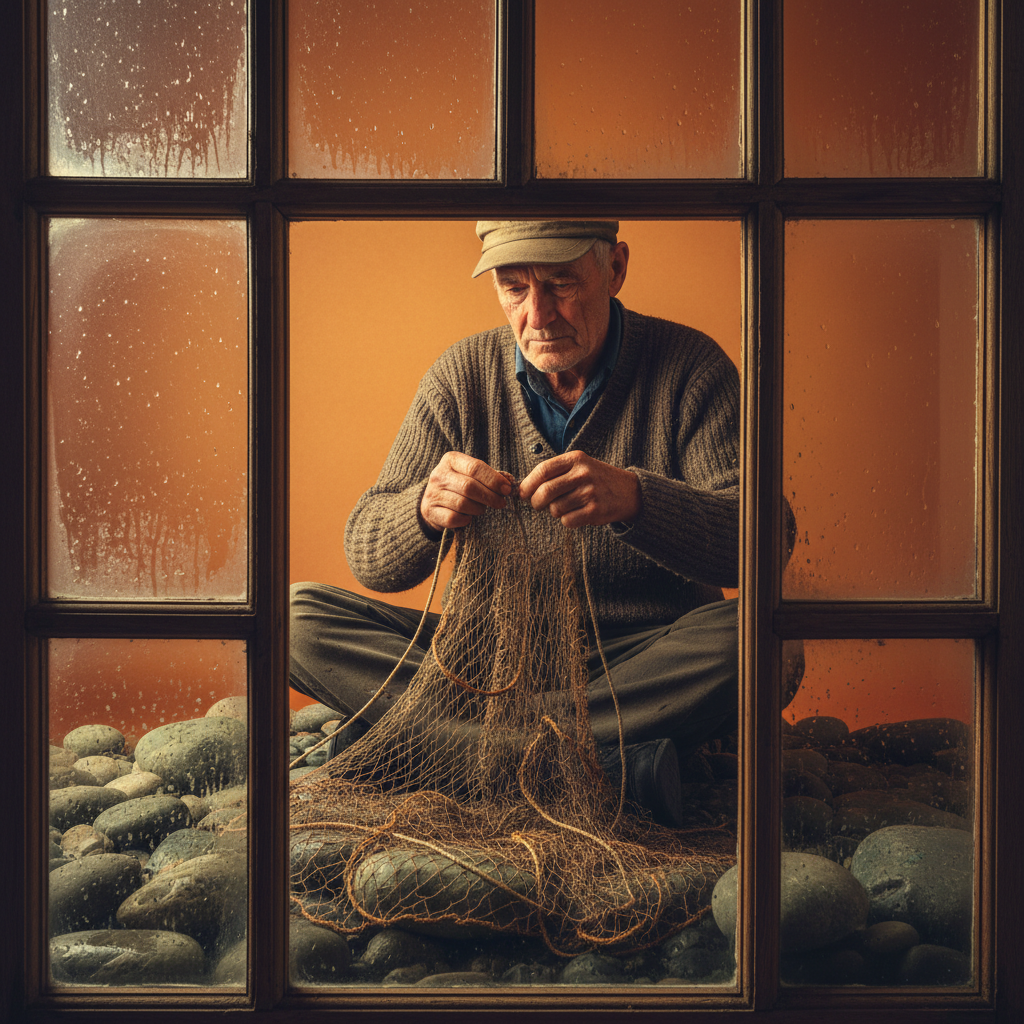
It’s a journey of continuous learning, of constant refinement, and of unwavering dedication. It’s a journey that requires patience, perseverance, and a willingness to embrace the power of observation.
So, the next time you find yourself facing a challenge, whether it’s on the water or in life, remember the power of observation. Take a moment to pause, to breathe, and to truly see the world around you. You might be surprised at what you discover.