Unlocking the Secrets Hidden in Your Fishing Gear Data
Have you ever considered that your fishing gear holds a treasure trove of information, just waiting to be unlocked? We often focus on the immediate thrill of the catch, the tug on the line, the fight against the current. But beyond the adrenaline, there’s a deeper narrative woven into the performance of your equipment. Each click of the reel, each cast, each subtle vibration teems with data that, when properly interpreted, can transform you from a casual angler into a strategic fishing master. The trick lies in understanding how to harness this information and turn it into actionable insights.
Why Gear Data Matters
Think of your fishing gear as a sophisticated sensor system. Your rod communicates the nuances of underwater structures and the slightest movements of fish. Your reel, with its intricate network of gears, captures the efficiency of your retrieve and the strain exerted during a battle. Your line, often overlooked, transmits the vital connection between you and the unseen world below. Ignoring this data is like driving a high-performance sports car without ever glancing at the dashboard. You might still get to your destination, but you’ll miss out on optimizing your performance and avoiding potential problems.
Consider a scenario where you consistently experience line breaks with a particular type of lure. Instead of simply attributing it to bad luck, analyzing the data from your reel might reveal that the drag setting is too high for the line’s breaking strength, or that the gear ratio is causing excessive strain during retrieves. Addressing these issues proactively can prevent frustrating losses and significantly increase your success rate.
The Data You’re Already Collecting (Without Even Knowing It)
The beauty of this approach is that you’re likely already collecting much of the necessary data passively. Every time you use your gear, you’re generating data points. The key is to become more conscious of these points and develop systems for recording and analyzing them.
* **Reel Performance:** Pay attention to the smoothness of the retrieve, any unusual sounds or vibrations, and the overall feel of the gears. These are indicators of wear and tear, lubrication issues, or potential mechanical problems.
* **Line Condition:** Regularly inspect your line for abrasion, knots, and weakened sections. Note the frequency with which you need to replace your line, as this can indicate the type of fishing conditions that are most damaging to it.
* **Rod Sensitivity:** Become attuned to the subtle vibrations transmitted through your rod. This will help you differentiate between different types of bottom structures, identify the presence of baitfish, and detect even the most tentative strikes.
* **Lure Action:** Observe how your lure behaves under different conditions. Note the depth it reaches, the speed at which it swims, and the type of action it produces. This will help you select the right lure for specific situations.
From Data to Decisions: A Practical Guide
Now, let’s dive into the practical steps you can take to transform raw gear data into informed decisions.
Step 1: Meticulous Maintenance – The Foundation of Reliable Data
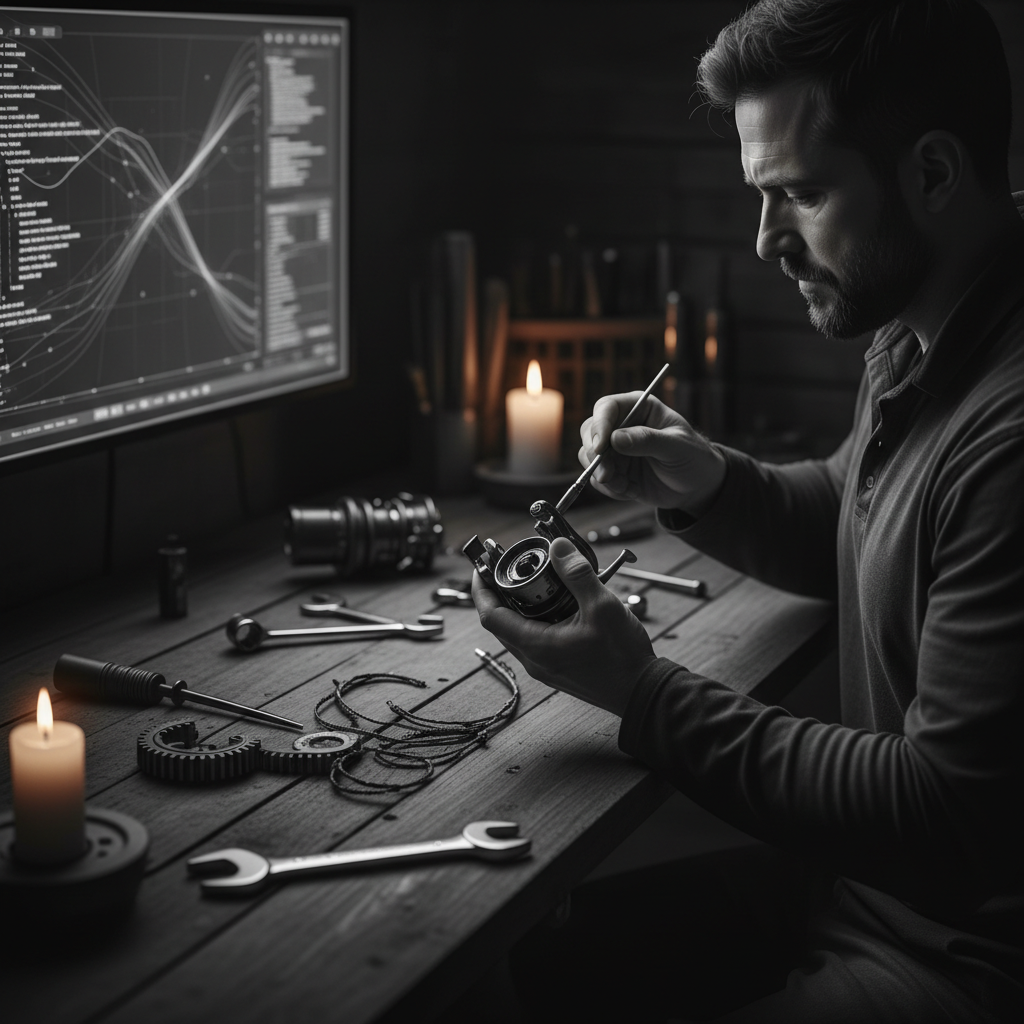
Before you can extract meaningful insights from your gear, you need to ensure it’s in optimal condition. Regular cleaning and maintenance are not just about prolonging the lifespan of your equipment; they’re about ensuring the accuracy and consistency of the data it provides.
* **Reel Cleaning:** Disassemble your reel periodically and clean each component thoroughly. Remove any dirt, grime, or old grease that could be affecting its performance. Lubricate the gears with high-quality fishing reel grease.
* **Rod Care:** Clean your rod regularly with a mild soap and water solution. Inspect the guides for cracks or damage that could fray your line. Apply a rod protectant to prevent UV damage.
* **Line Management:** Regularly spool your line and trim off any damaged sections. Consider using a line conditioner to reduce friction and improve casting distance.
Step 2: Creating a Gear Log – Your Personal Fishing Database
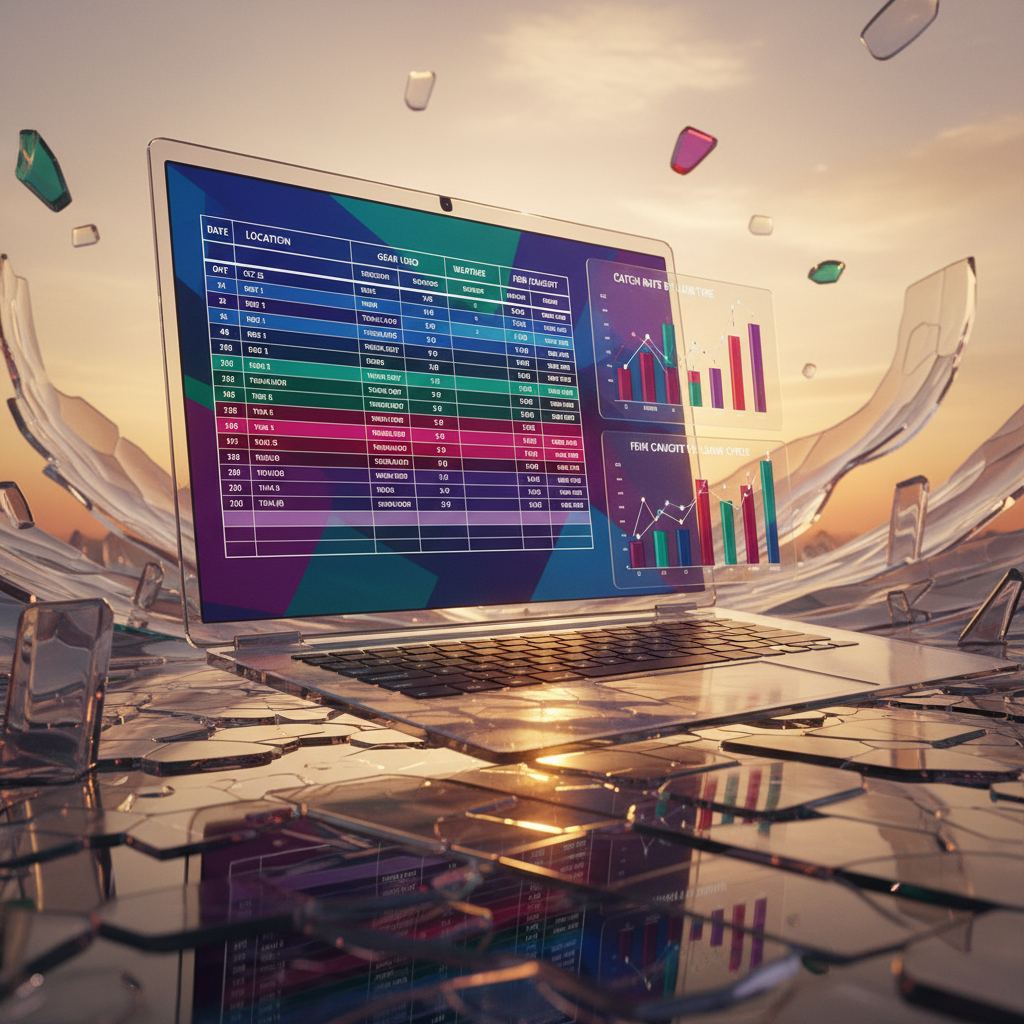
The next step is to create a system for recording your observations and experiences with your gear. This could be a simple notebook, a spreadsheet on your computer, or a dedicated fishing app. The key is to be consistent and detailed in your entries.
* **Gear Inventory:** Start by creating a list of all your fishing gear, including the make, model, and specifications of each item.
* **Trip Logs:** For each fishing trip, record the date, location, weather conditions, target species, and the gear you used.
* **Performance Notes:** Describe the performance of each piece of gear, noting any issues or observations. For example, you might record that your reel felt sluggish during a particular retrieve, or that your rod lacked sensitivity when fishing in deep water.
* **Catch Data:** Record the number, size, and species of fish you caught using each piece of gear. This will help you identify the gear that is most effective for different situations.
Step 3: Analyzing the Data – Uncovering Hidden Patterns
Once you’ve accumulated a sufficient amount of data, it’s time to start looking for patterns and trends. This is where the real magic happens.
* **Gear Performance Over Time:** Track how the performance of your gear changes over time. This will help you identify when it’s time for maintenance or replacement.
* **Gear Effectiveness in Different Conditions:** Analyze how different pieces of gear perform in different weather conditions, water depths, and fishing locations. This will help you select the right gear for specific situations.
* **Identifying Weak Links:** Look for patterns of failure or poor performance with specific pieces of gear. This will help you identify potential weaknesses in your setup.
For example, let’s say you notice that you consistently catch more fish with a particular lure when the water temperature is above 65 degrees Fahrenheit. This suggests that this lure is particularly effective in warmer water conditions. You can then use this information to inform your lure selection in future fishing trips. Or, perhaps you discover that your line breaks frequently when fishing around rocky structures. This indicates that you need to switch to a more abrasion-resistant line.
Step 4: Experimentation and Refinement – The Path to Continuous Improvement
The final step is to use the insights you’ve gained from your data analysis to experiment with different gear setups and techniques. This is an ongoing process of trial and error, but it’s the key to continuous improvement.
* **Testing New Gear:** When you purchase a new piece of gear, take the time to thoroughly test it under different conditions. Record your observations and compare its performance to your existing gear.
* **Modifying Your Setup:** Experiment with different line types, lure presentations, and retrieve speeds. Observe how these changes affect your catch rate.
* **Refining Your Technique:** Use the data you’ve collected to refine your fishing technique. For example, you might discover that you’re more successful when you use a slow, deliberate retrieve when fishing for bass in cold water.
Case Studies: Data-Driven Fishing in Action
Let’s examine a few real-world examples of how analyzing gear data can lead to tangible improvements in fishing performance.
**Case Study 1: The Drag Dilemma**
A recreational angler was consistently losing large fish, despite using high-quality gear. After meticulously tracking his drag settings and line breaking strength, he realized that his drag was often set too high, exceeding the line’s breaking point under stress. By adjusting his drag settings and paying closer attention to the line’s performance, he significantly reduced his losses and landed several trophy-sized fish. This highlights the importance of understanding the relationship between your gear’s capabilities and the conditions you’re fishing in.
**Case Study 2: The Lure Revelation**
A seasoned bass fisherman struggled to consistently catch fish in a particular lake. He meticulously recorded the lures he used, the water temperature, and the depth at which he fished. After analyzing his data, he discovered that a specific crankbait consistently outperformed other lures when the water temperature was between 68 and 72 degrees Fahrenheit and he was fishing in depths of 10 to 15 feet. Armed with this knowledge, he focused his efforts on these specific conditions and dramatically increased his catch rate. This demonstrates the power of data to reveal hidden patterns and preferences.
**Case Study 3: The Rod Sensitivity Upgrade**
A dedicated trout angler found himself missing a lot of subtle strikes when fishing with small nymphs. After analyzing his rod’s sensitivity and the water conditions, he realized that his rod was not sensitive enough to detect the subtle takes of trout in the clear, fast-flowing water. He upgraded to a rod with a more sensitive tip and immediately noticed a significant improvement in his hook-up ratio. This illustrates the importance of selecting the right gear for the specific type of fishing you’re doing.
The Future of Fishing: Embracing Technology
While manual data collection and analysis can be incredibly valuable, the future of fishing lies in embracing technology to automate and enhance these processes.
* **Smart Reels:** Some manufacturers are developing reels with built-in sensors that track line usage, drag settings, and other performance metrics. This data can be transmitted wirelessly to your smartphone or tablet, providing you with real-time insights into your gear’s performance.
* **Sonar Technology:** Advanced sonar devices can provide detailed maps of underwater structures, identify the presence of fish, and even differentiate between different species. This information can be invaluable for selecting the right gear and targeting specific areas.
* **Fishing Apps:** A wide variety of fishing apps are available that allow you to log your catches, track your gear, and access detailed information about fishing locations. These apps can streamline the data collection process and make it easier to analyze your results.

Beyond the Numbers: The Art of Intuition
While data analysis is a powerful tool, it’s important to remember that fishing is also an art. There’s a certain amount of intuition and instinct involved that can’t be quantified. However, by combining data analysis with your own experience and intuition, you can become a more well-rounded and successful angler.
Think of it as a feedback loop. The data provides you with objective information, which you can then use to refine your technique and make more informed decisions. Your experience and intuition then help you interpret the data and apply it in a meaningful way. This iterative process leads to continuous improvement and a deeper understanding of the nuances of fishing.
For example, the data might tell you that a particular lure is highly effective in certain conditions. However, your intuition might tell you that the fish are behaving differently on a particular day and that a different presentation is required. By combining the data with your intuition, you can make the best possible decision for the situation at hand.
Potential Pitfalls to Avoid
While embracing data-driven fishing can be transformative, it’s crucial to be aware of potential pitfalls that can lead to inaccurate conclusions and wasted effort.
* **Over-Reliance on Data:** Don’t let the data paralyze you. Remember that fishing is a dynamic activity, and conditions can change rapidly. Be prepared to adapt your approach based on your observations and intuition.
* **Data Bias:** Be aware of your own biases when collecting and analyzing data. Don’t cherry-pick data points to support your preconceived notions. Strive to be objective and open-minded.
* **Ignoring Environmental Factors:** Data about your gear is only part of the picture. Don’t forget to consider other important factors, such as water clarity, current strength, and barometric pressure.
* **Neglecting the Fun Factor:** Remember that fishing is supposed to be enjoyable. Don’t let the pursuit of data overshadow the simple pleasure of being outdoors and connecting with nature.

The Ethical Considerations of Data-Driven Fishing
As we embrace technology and data analysis in fishing, it’s crucial to consider the ethical implications of our actions.
* **Responsible Resource Management:** Using data to become a more efficient angler also means being more mindful of our impact on fish populations. Practice catch and release whenever possible, and respect local fishing regulations.
* **Avoiding Overfishing:** Don’t use data to target vulnerable fish populations or to exploit unsustainable fishing practices. Be a responsible steward of our natural resources.
* **Respecting Other Anglers:** Share your knowledge and insights with other anglers, but don’t be intrusive or competitive. Fishing should be a collaborative and enjoyable experience for everyone.
Ultimately, the goal of data-driven fishing is not just to catch more fish, but to become a more knowledgeable, responsible, and effective angler. By embracing technology, analyzing data, and combining it with our intuition, we can unlock the secrets hidden in our gear and deepen our connection with the natural world. So, the next time you’re out on the water, take a moment to consider the data your gear is collecting. You might be surprised at what you discover. The trick that turns gear data into a catch is not just about the numbers; it’s about understanding the story they tell and using that knowledge to become a true master of the art of fishing.