Understanding Fish Finder Accuracy: Beyond the Hype
Fish finders have revolutionized angling, transforming the way we locate and target fish. No longer are we solely reliant on intuition, experience, or simply casting blindly into the unknown. These sophisticated devices offer a window into the underwater world, revealing structure, depth, and, most importantly, the presence of fish. However, the accuracy of a fish finder isn’t always a given. It’s a complex interplay of technology, environmental factors, and user understanding. Many anglers assume that if they buy the latest and greatest model, they’ll automatically be able to pinpoint every fish lurking beneath the surface. The reality is often far more nuanced.
Have you ever been frustrated when your fish finder shows a school of fish, yet you can’t seem to get a bite? Or perhaps you’ve marked a promising-looking structure, only to find it barren when you drop a line? These experiences are common, and they highlight the importance of understanding the factors that influence fish finder accuracy. This article delves deep into the art and science of interpreting fish finder data, providing practical tips and techniques to maximize its effectiveness. We’ll move beyond the marketing hype and explore the real-world challenges of using these devices, empowering you to make more informed decisions on the water.
The Core Components: What Makes a Fish Finder Tick?
Before we dive into the intricacies of accuracy, let’s briefly review the fundamental components of a fish finder and how they work together. The key elements include:
- Transducer: This is the heart of the system, responsible for emitting sonar waves and receiving the returning echoes. The transducer’s frequency and beam angle significantly impact the detail and range of the information displayed.
- Display Unit: This is where the sonar data is visualized. Higher resolution screens and advanced processing capabilities contribute to a clearer and more accurate representation of the underwater environment.
- Processing Unit: This component interprets the signals received by the transducer and converts them into meaningful information displayed on the screen. Sophisticated algorithms and signal processing techniques can enhance the clarity and accuracy of the data.
- Power Source: A stable and adequate power supply is crucial for consistent performance. Fluctuations in voltage can affect the accuracy and reliability of the readings.
Each component plays a vital role in the overall accuracy of the fish finder. A weak transducer, a low-resolution display, or an underpowered processor can all contribute to inaccurate readings and misleading interpretations.
Factors Affecting Accuracy: Unveiling the Challenges
The quest for accurate fish finder readings is often hampered by a variety of external and internal factors. Understanding these challenges is the first step towards mitigating their impact and improving your ability to interpret the data effectively. Let’s examine some of the most significant factors:
Water Conditions: The Unseen Obstacles
Water clarity, temperature, and salinity can all affect the propagation of sonar waves and, consequently, the accuracy of the fish finder. Murky water, for example, can absorb or scatter the sonar signal, reducing its range and clarity. Thermoclines, or layers of water with different temperatures, can also deflect the sonar waves, creating distortions in the image. Salinity variations can alter the speed of sound in the water, leading to inaccuracies in depth readings. Imagine trying to see through a fog – the denser the fog, the harder it is to see clearly. Similarly, the more turbid the water, the more difficult it is for the sonar signal to penetrate and return accurate information.
For example, fishing in a muddy river after a heavy rain presents a significant challenge. The suspended sediment can severely limit the range of your fish finder, making it difficult to distinguish between fish and debris. In such conditions, you may need to adjust your settings to compensate for the reduced signal strength. Similarly, fishing in saltwater with a strong thermocline can create false readings and obscure the true depth of objects. Understanding these limitations and adapting your techniques accordingly is crucial for maximizing the effectiveness of your fish finder.
Transducer Placement: The Key to a Clear Signal
The location and angle of the transducer are critical for optimal performance. An improperly mounted transducer can produce distorted images, inaccurate depth readings, and even damage to the unit. The transducer should be positioned in a location that is free from obstructions and turbulence, ensuring a clean and uninterrupted signal. The angle of the transducer should also be carefully adjusted to match the deadrise of the hull, maximizing the coverage area and minimizing interference. A transducer mounted too high may not be fully submerged, leading to signal loss and inaccurate readings. A transducer mounted too low may be susceptible to damage from debris or grounding. The ideal placement will vary depending on the type of boat and the specific transducer model, so it’s essential to consult the manufacturer’s instructions and seek professional advice if needed.
Consider a scenario where the transducer is mounted behind a strake on the hull of the boat. The strake creates turbulence and disrupts the flow of water, which can interfere with the sonar signal. This can result in a noisy and distorted image, making it difficult to identify fish or structure. Similarly, if the transducer is not properly aligned with the deadrise of the hull, the sonar beam may be directed at an angle, reducing the coverage area and creating blind spots. Taking the time to ensure proper transducer placement is a simple but crucial step towards improving fish finder accuracy.
Interference: Battling the Noise
Electronic interference from other devices on the boat, such as trolling motors, radios, or even the engine itself, can disrupt the fish finder signal and create false readings. This interference can manifest as noise on the screen, obscuring the true targets and making it difficult to interpret the data. Minimizing interference requires careful wiring and grounding of all electronic devices, as well as the use of shielded cables and noise filters. In some cases, simply repositioning the fish finder or transducer can reduce the amount of interference. Experimentation and troubleshooting are often necessary to identify and eliminate the source of the noise.
Imagine you’re trying to listen to a quiet conversation in a crowded room. The background noise makes it difficult to hear what the other person is saying. Similarly, electronic interference can drown out the weak sonar signals returning from underwater objects, making it difficult for the fish finder to accurately display the information. By taking steps to minimize interference, you can create a clearer and more reliable signal, improving your ability to detect fish and structure.
Boat Speed: Maintaining a Steady Pace
Excessive boat speed can distort the sonar image and reduce the accuracy of the fish finder. As the boat moves faster, the transducer struggles to keep up with the changing depth and bottom contours, resulting in a stretched or compressed image. This can make it difficult to accurately assess the size and location of fish or structure. Maintaining a slow and steady speed is crucial for obtaining clear and accurate readings. In general, a trolling speed of 2-5 miles per hour is ideal for most fish finding applications. However, the optimal speed may vary depending on the specific conditions and the type of fish finder being used.
Think of it like trying to take a photograph while running. The image will likely be blurry and distorted due to the movement. Similarly, a fish finder operating at high speed will struggle to produce a clear and accurate image. By slowing down and maintaining a steady pace, you can allow the transducer to properly scan the underwater environment, resulting in a more detailed and reliable representation of the bottom contours, fish, and other objects.
User Interpretation: The Human Element
Even with the best equipment and ideal conditions, the accuracy of a fish finder ultimately depends on the user’s ability to interpret the data correctly. Understanding the different screen elements, such as arches, lines, and colors, and their corresponding meanings is essential for making informed decisions on the water. Learning to distinguish between fish, baitfish, structure, and other objects requires practice and experience. It’s also important to be aware of the limitations of the fish finder and to avoid making assumptions based solely on the screen display. A skilled angler can use a fish finder as a valuable tool, but it’s not a substitute for knowledge, experience, and intuition.
For example, a novice angler might mistake a school of baitfish for a large game fish, leading to wasted time and effort. Or they might misinterpret a rock pile as a school of fish, resulting in an unproductive fishing spot. By taking the time to learn the nuances of fish finder interpretation, anglers can significantly improve their ability to locate and target fish effectively. This involves studying the user manual, practicing on the water, and learning from experienced anglers.
The “Trick”: Calibration and Customization
While there’s no single “magic bullet” for improving fish finder accuracy, the most effective strategy is a combination of proper calibration and thoughtful customization. Many anglers overlook these crucial steps, relying on the default settings and hoping for the best. However, by taking the time to fine-tune your fish finder to the specific conditions and your fishing style, you can dramatically enhance its performance and accuracy.
Calibrating for Your Environment
Calibration involves adjusting the fish finder’s settings to compensate for the specific water conditions and environmental factors that can affect its performance. This includes:
- Depth Offset: Adjusting the depth reading to account for the distance between the transducer and the waterline.
- Water Type: Selecting the appropriate water type (freshwater, saltwater, or brackish) to optimize the sonar signal for the specific salinity.
- Temperature Compensation: Enabling temperature compensation to account for the effect of water temperature on the speed of sound.
- Noise Reduction: Adjusting the noise filter to minimize interference and clutter on the screen.
For example, if you’re fishing in a shallow lake, you might need to adjust the depth offset to ensure that the depth readings are accurate. Similarly, if you’re fishing in saltwater, you’ll need to select the appropriate water type to optimize the sonar signal for the higher salinity. By calibrating your fish finder to your specific environment, you can improve the accuracy of the readings and reduce the likelihood of misinterpretations.
Customizing for Your Fishing Style
Customization involves tailoring the fish finder’s display and settings to your specific fishing style and preferences. This includes:
- Frequency Selection: Choosing the appropriate sonar frequency for the target species and water depth. Higher frequencies provide greater detail but have a shorter range, while lower frequencies offer greater range but less detail.
- Beam Angle Adjustment: Selecting the appropriate beam angle for the fishing situation. A wider beam angle provides greater coverage but less detail, while a narrower beam angle provides greater detail but less coverage.
- Color Palette Selection: Choosing a color palette that is easy to read and that highlights the important features of the sonar image.
- Gain Adjustment: Adjusting the gain setting to optimize the sensitivity of the sonar receiver. Increasing the gain will amplify the weaker signals, but it can also increase the amount of noise on the screen.
Consider a scenario where you’re targeting walleye in deep water. In this case, you might choose a lower frequency and a narrower beam angle to maximize the range and detail of the sonar signal. You might also adjust the gain setting to amplify the weaker signals returning from the bottom, making it easier to identify walleye holding near the structure. By customizing your fish finder to your specific fishing style, you can optimize its performance for the target species and conditions.
Advanced Techniques: Taking it to the Next Level
Once you’ve mastered the basics of calibration and customization, you can explore some advanced techniques to further enhance your fish finder accuracy and effectiveness. These techniques require a deeper understanding of sonar technology and a willingness to experiment and learn.
Side Imaging and Down Imaging: Expanding Your Perspective
Side imaging and down imaging technologies provide a wider and more detailed view of the underwater environment than traditional 2D sonar. Side imaging allows you to scan a wide swath of the bottom on either side of the boat, while down imaging provides a high-resolution view of the structure and objects directly beneath the boat. These technologies can be invaluable for locating fish-holding structure and identifying subtle changes in the bottom contour.
Imagine you’re searching for submerged logs in a murky lake. With traditional 2D sonar, you might only see a small portion of the log as you pass directly over it. However, with side imaging, you can scan a much wider area, allowing you to quickly locate the entire log and identify any fish that might be holding near it. Similarly, with down imaging, you can get a detailed view of the log’s surface, allowing you to identify any cracks, crevices, or other features that might attract fish.
CHIRP Technology: Enhancing Clarity and Resolution
CHIRP (Compressed High-Intensity Radiated Pulse) technology uses a range of frequencies rather than a single frequency, resulting in a clearer and more detailed sonar image. CHIRP fish finders can provide significantly better target separation and resolution than traditional fish finders, making it easier to distinguish between fish and other objects. This technology is particularly useful in deep water or in areas with a lot of clutter.
Think of it like listening to a radio station that uses a wider bandwidth. The broader bandwidth allows for more information to be transmitted, resulting in a clearer and more detailed sound. Similarly, CHIRP technology uses a wider range of frequencies, allowing for more information to be collected and processed, resulting in a clearer and more detailed sonar image. This can be especially helpful when trying to identify small fish in a school of baitfish or when trying to distinguish between different types of structure on the bottom.
GPS Integration: Mapping Your Success
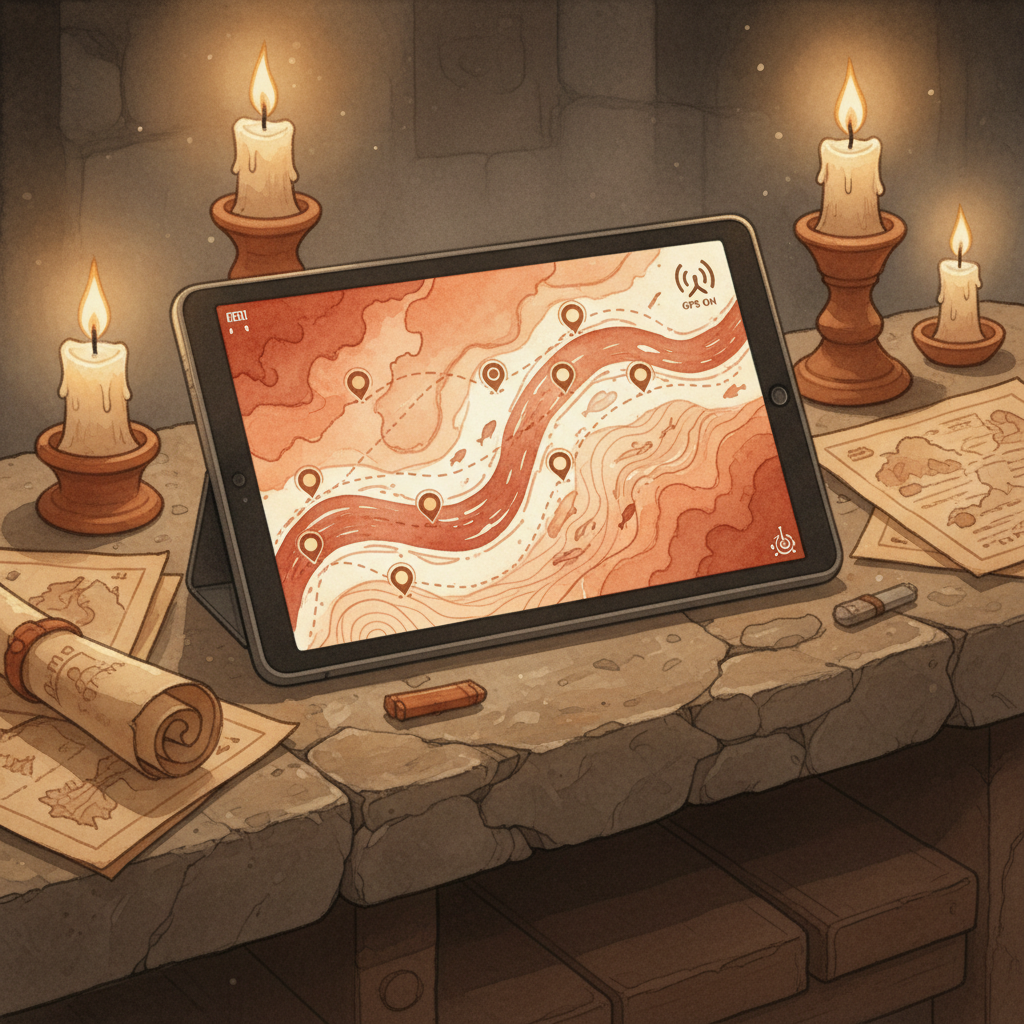
Integrating your fish finder with a GPS unit allows you to mark and save waypoints, track your boat’s path, and create detailed maps of your favorite fishing spots. This can be invaluable for returning to productive areas and for identifying patterns in fish behavior. GPS integration also allows you to overlay sonar data onto a nautical chart, providing a comprehensive view of the underwater environment.
Imagine you’ve found a productive fishing spot on a large lake. Without GPS integration, it can be difficult to find that exact spot again. However, with GPS integration, you can mark the spot as a waypoint and easily return to it in the future. You can also track your boat’s path and identify any patterns in fish behavior. For example, you might notice that fish tend to congregate along a certain depth contour or near a specific type of structure. By using GPS integration, you can create detailed maps of your favorite fishing spots and use this information to improve your fishing success.
Common Misconceptions: Debunking the Myths
Despite their technological advancements, fish finders are not foolproof. Many anglers hold misconceptions about their capabilities, leading to frustration and disappointment. Let’s address some common myths:
Myth 1: A Fish Finder Shows the Exact Size and Species of Fish
While a fish finder can indicate the presence of fish, it cannot accurately determine their size or species. The sonar image represents the density and reflectivity of the object, not its actual identity. A large arch on the screen might indicate a large fish, but it could also be a school of smaller fish or even a piece of debris. Relying solely on the fish finder to identify fish can be misleading. It’s crucial to combine the sonar data with other information, such as the type of structure, the water depth, and the time of year, to make a more informed assessment.
Myth 2: A More Expensive Fish Finder is Always More Accurate
While higher-end fish finders often offer more features and advanced technology, they are not necessarily more accurate in all situations. A basic fish finder can be just as effective as a high-end model if it is properly calibrated and used in the right conditions. The key to accuracy is understanding the limitations of the equipment and using it effectively. Spending more money on a fish finder won’t automatically make you a better angler. It’s more important to invest time and effort in learning how to use the equipment properly and interpreting the data correctly.
Myth 3: A Fish Finder Can Find Fish Anywhere, Anytime
Fish finders are valuable tools, but they are not magic wands. They can only detect objects that are within the range of the sonar beam. In areas with dense vegetation, murky water, or strong currents, the fish finder’s performance may be limited. Fish also move around and change their behavior depending on the time of day, the weather, and the availability of food. A fish finder can help you locate fish, but it cannot guarantee that you will catch them. Success in fishing still requires skill, patience, and a bit of luck.

Beyond the Screen: The Importance of Observation and Adaptation
While technology plays an increasingly important role in modern fishing, it’s crucial to remember that fish finders are just one tool in the angler’s arsenal. Relying solely on the screen display can lead to missed opportunities and inaccurate assessments. The best anglers are those who combine their technological knowledge with keen observation skills and a willingness to adapt to changing conditions.
Pay attention to the weather, the water clarity, the current, and the presence of baitfish. Observe the behavior of other anglers and learn from their successes and failures. Experiment with different lures and techniques and don’t be afraid to try something new. The more you learn about the fish and their environment, the better you will be able to interpret the fish finder data and make informed decisions on the water. Remember, fishing is not just about catching fish; it’s about connecting with nature and enjoying the experience. The fish finder can be a valuable aid, but it should not replace the joy of exploration, discovery, and the thrill of the chase.
Ultimately, improving fish finder accuracy is an ongoing process that requires dedication, practice, and a willingness to learn. By understanding the factors that affect performance, calibrating and customizing your equipment, and combining technological knowledge with keen observation skills, you can unlock the full potential of your fish finder and become a more successful angler.