Unlocking the Angler’s Advantage: The Technique That Transforms Fishing
Fishing, at its heart, is a dance between patience, skill, and a deep understanding of the aquatic world. We’ve all seen anglers effortlessly pull fish after fish from the water, while others, seemingly using the same gear and techniques, struggle to even get a nibble. What’s the secret? Is it pure luck, or is there a fundamental principle that separates the successful angler from the frustrated novice? The truth, as with most things in life, lies somewhere in between. But what if I told you there was a single, powerful technique that could dramatically improve your chances of success, regardless of your experience level? A technique so simple, yet so often overlooked, that it could be the missing piece in your fishing puzzle?
This isn’t about a new lure, a fancy rod, or a secret fishing spot. It’s about a fundamental shift in how you approach the act of fishing itself. It’s about understanding the delicate balance between attracting a fish and spooking it, between presenting your bait in a tempting way and making it look unnatural. It’s about learning to “read” the water, anticipate the movements of your target species, and adapt your strategy accordingly. This technique is not a magic bullet, but it is a game-changer. It’s about developing a heightened sense of awareness and a more intuitive connection with the underwater world. Are you ready to learn the trick that changes everything?
The Power of Observation: Seeing Beyond the Surface
Before you even cast your line, the most crucial element of successful fishing is observation. It’s about becoming a detective, piecing together clues to understand what’s happening beneath the surface. Forget about simply throwing your line into the water and hoping for the best. Instead, take the time to truly observe your surroundings. What are the water conditions like? Is it clear or murky? Is there a strong current, or is the water relatively still? What’s the temperature of the water? These factors can all significantly impact fish behavior and feeding patterns.
Pay close attention to the surrounding environment as well. Are there any signs of fish activity, such as jumping fish, feeding birds, or disturbances on the water’s surface? What kind of vegetation is present? Are there any submerged logs or rocks that could provide cover for fish? The more information you gather before you cast your line, the better equipped you’ll be to choose the right bait, presentation, and fishing location. Imagine you’re trying to solve a complex puzzle. Each observation is a piece of that puzzle, and the more pieces you have, the clearer the picture becomes.
For example, if you’re fishing in a clear stream with a moderate current, you might notice that insects are hatching on the surface. This could be a sign that trout are actively feeding on these insects. In this case, you might want to try using a dry fly that imitates the hatching insects. On the other hand, if you’re fishing in a murky lake with a lot of submerged vegetation, you might want to try using a weedless lure that you can retrieve through the vegetation without getting snagged. The key is to adapt your strategy to the specific conditions you’re facing. Don’t be afraid to experiment and try different things until you find what works.
The Art of Presentation: Making Your Bait Irresistible
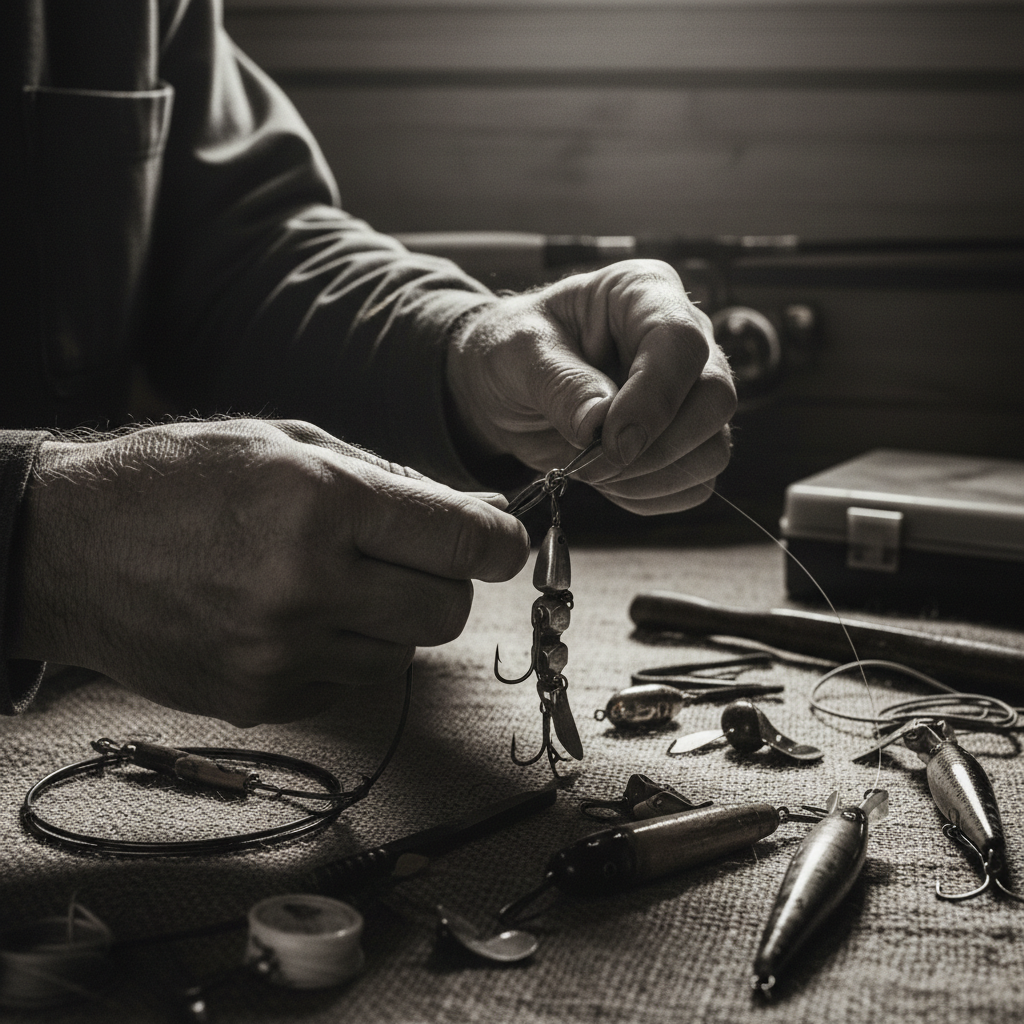
Once you’ve gathered your observations and chosen the right bait, the next step is to present it in a way that’s irresistible to fish. This is where the art of presentation comes into play. It’s not enough to simply cast your line and hope that a fish will bite. You need to actively work to make your bait look as natural and appealing as possible. This involves understanding the behavior of your target species and presenting your bait in a way that mimics their natural prey.
Consider the movement of your bait. Are you using a lure that imitates a swimming fish, or are you using a bait that sits still on the bottom? The way you retrieve your bait can have a significant impact on its effectiveness. Try varying your retrieve speed, adding pauses and twitches, and experimenting with different retrieve patterns. Pay attention to how the fish react to your presentation. If they’re following your bait but not striking, you might need to change your retrieve or try a different lure.
For example, if you’re fishing for bass with a plastic worm, you might want to try Texas rigging it and slowly dragging it along the bottom. This can imitate a worm crawling along the lake floor, which can be very appealing to bass. On the other hand, if you’re fishing for trout with a spinner, you might want to try retrieving it quickly through the water, creating a flashing and vibrating action that attracts the trout’s attention. The key is to think like a fish and present your bait in a way that triggers their predatory instincts. Remember, the goal is to convince the fish that your bait is a real, live meal.
Mastering the Subtle Signals: Reading the Fish’s Language
Perhaps the most challenging, yet rewarding, aspect of fishing is learning to “read” the fish’s language. Fish can’t talk, but they communicate through their behavior. By paying close attention to the subtle signals they send, you can gain valuable insights into their mood, feeding habits, and location. This is where intuition and experience come into play. The more time you spend on the water, the better you’ll become at recognizing these subtle cues.
Pay attention to the way fish are striking your bait. Are they aggressively attacking it, or are they cautiously nipping at it? This can tell you a lot about their feeding habits. If they’re aggressively attacking your bait, it might be a sign that they’re hungry and actively feeding. In this case, you can probably get away with a more aggressive presentation. However, if they’re cautiously nipping at your bait, it might be a sign that they’re wary or that they’re not particularly hungry. In this case, you might need to try a more subtle presentation.
Also, observe the water closely for any signs of fish activity. Look for swirls, splashes, or wakes that could indicate the presence of fish. If you see a fish jump out of the water, try casting your line to that area. Fish often jump when they’re feeding or when they’re trying to dislodge parasites. By paying attention to these subtle signals, you can increase your chances of hooking a fish. It’s like learning a new language. At first, it seems foreign and confusing. But with practice and patience, you’ll start to understand the nuances and subtleties of the fish’s behavior.
Beyond the Basics: Advanced Strategies for the Discerning Angler
Now that we’ve covered the fundamental principles of observation, presentation, and reading the fish’s language, let’s delve into some advanced strategies that can further elevate your fishing game. These strategies are not essential for beginners, but they can be incredibly effective for experienced anglers looking to take their skills to the next level. They involve a deeper understanding of fish behavior, water conditions, and the interplay between various environmental factors.
Understanding the Impact of Weather Patterns
Weather patterns can have a profound impact on fish behavior. Changes in temperature, barometric pressure, and wind can all influence where fish are located, what they’re feeding on, and how aggressively they’re feeding. For example, a sudden drop in temperature can cause fish to become sluggish and less likely to feed. On the other hand, a rising barometric pressure can often trigger a feeding frenzy.
Before you head out fishing, always check the weather forecast. Pay attention to the temperature, wind speed and direction, and barometric pressure. Try to understand how these factors might affect the fish in your area. For example, if you’re fishing in a lake and the wind is blowing towards one side of the lake, the warmer surface water will be pushed towards that side. This can attract fish, as the warmer water is often more comfortable and contains more food. By understanding the impact of weather patterns, you can position yourself in the most productive areas and increase your chances of success.

The Importance of Using Electronics: Fish Finders and GPS
In today’s world, technology plays an increasingly important role in fishing. Fish finders and GPS devices can provide valuable information about the underwater environment, helping you to locate fish and navigate unfamiliar waters. Fish finders use sonar to create an image of the bottom of the lake or river, showing you the depth, structure, and any fish that are present. GPS devices can help you to mark productive fishing spots, navigate to specific locations, and track your movements.
While electronics are not a substitute for skill and experience, they can be a valuable tool for anglers who want to maximize their efficiency. For example, if you’re fishing in a large lake, a fish finder can help you to quickly locate areas with submerged structure, such as weed beds, rock piles, or drop-offs. These areas often hold fish, as they provide cover and attract baitfish. By using a fish finder, you can avoid wasting time fishing in unproductive areas. Similarly, a GPS device can help you to return to previously successful fishing spots, saving you time and effort. However, remember that electronics are just tools. It’s still up to you to use your knowledge, skills, and intuition to catch fish.
The Nuances of Line and Leader Selection
Choosing the right line and leader can be crucial for success, especially when targeting specific species or fishing in challenging conditions. The type of line you use can affect the distance and accuracy of your casts, the sensitivity of your rod, and the strength of your hookset. The leader, which is the section of line that connects your main line to your hook or lure, can also play a significant role in concealing your line from wary fish.
Consider the water clarity when choosing your line and leader. In clear water, you’ll want to use a thinner, more invisible line, such as fluorocarbon. Fluorocarbon is nearly invisible underwater, making it less likely to spook fish. In murky water, you can get away with using a thicker, more visible line, such as monofilament. Monofilament is more abrasion-resistant than fluorocarbon, making it a good choice for fishing around rocks or other structure. Also, consider the size and strength of your target species. If you’re targeting large, powerful fish, you’ll need to use a heavier line and leader. By carefully considering your line and leader selection, you can increase your chances of landing that trophy fish.
The Mindset of a Successful Angler: Cultivating Patience and Persistence
Beyond the techniques and strategies, perhaps the most important factor in successful fishing is the mindset of the angler. Fishing requires patience, persistence, and a willingness to learn from your mistakes. It’s not always easy, and there will be times when you feel discouraged. But by cultivating a positive mindset and focusing on the process, you can increase your chances of success and enjoy the experience more fully.
Embrace the Learning Process: Every Trip is a Lesson
Every fishing trip, whether successful or not, is an opportunity to learn. Pay attention to what works and what doesn’t. Experiment with different techniques and strategies. Don’t be afraid to try new things. Keep a fishing log or journal to record your observations, successes, and failures. This can be a valuable tool for tracking your progress and identifying patterns in your fishing. The more you learn about fish behavior, water conditions, and effective fishing techniques, the better angler you’ll become.
Think of fishing as a lifelong journey of discovery. There’s always something new to learn, and there’s always room for improvement. Embrace the challenges and celebrate the successes. Don’t get discouraged by setbacks. Instead, use them as opportunities to learn and grow. Remember, even the most experienced anglers have days when they don’t catch anything. It’s all part of the process.
Cultivating Patience: The Virtue of the Patient Angler
Patience is a virtue, especially when it comes to fishing. There will be times when you’re waiting for hours without getting a single bite. It’s easy to get discouraged in these situations, but it’s important to remain patient and persistent. Remember that fishing is not just about catching fish; it’s also about enjoying the experience of being outdoors and connecting with nature. Take the time to relax, observe your surroundings, and appreciate the beauty of the natural world.
While you’re waiting for a bite, try to stay focused and attentive. Don’t let your mind wander. Pay attention to the movement of your line, the feel of your rod, and any subtle changes in the water. Be ready to react quickly when a fish strikes. The more patient and attentive you are, the better your chances of hooking a fish. Think of yourself as a hunter, patiently waiting for your prey to appear. The reward for your patience will be the satisfaction of finally landing that elusive fish.
Persistence Pays Off: Never Give Up on Your Dream Catch
Persistence is another essential quality for successful anglers. There will be times when you’re faced with difficult conditions, such as strong winds, heavy rain, or murky water. It’s easy to give up and go home in these situations, but the most successful anglers are those who persevere. They keep trying, even when the odds are stacked against them. They adapt their techniques and strategies to the conditions, and they never give up on their dream catch.
Remember that even on the toughest days, there’s always a chance of catching a fish. Sometimes, it’s just a matter of being in the right place at the right time. By remaining persistent and continuing to fish, you increase your chances of being there when that opportunity arises. Think of the story of the tortoise and the hare. The tortoise may be slow and steady, but it eventually wins the race by never giving up. Similarly, the persistent angler may not always be the flashiest or most skilled, but they’re often the ones who end up catching the most fish. Never underestimate the power of perseverance.
Ethical Angling: Respecting the Environment and the Fish
As anglers, we have a responsibility to respect the environment and the fish we catch. This means practicing ethical angling techniques, such as catch and release, proper fish handling, and responsible waste disposal. By taking care of our natural resources, we can ensure that future generations will be able to enjoy the sport of fishing.
The Importance of Catch and Release
Catch and release is a valuable tool for conserving fish populations. By releasing the fish we catch, we can help to ensure that they have the opportunity to reproduce and contribute to the overall health of the ecosystem. However, it’s important to practice catch and release properly to minimize the stress and injury to the fish. Use barbless hooks whenever possible, and handle the fish gently with wet hands. Avoid keeping the fish out of the water for extended periods of time, and release it as quickly as possible.
Consider the long-term impact of your actions. Are you contributing to the sustainability of the fishery, or are you depleting the resources? By practicing responsible catch and release, you can help to ensure that future generations will be able to enjoy the sport of fishing. It’s a small price to pay for the long-term health of our aquatic ecosystems.
Proper Fish Handling Techniques
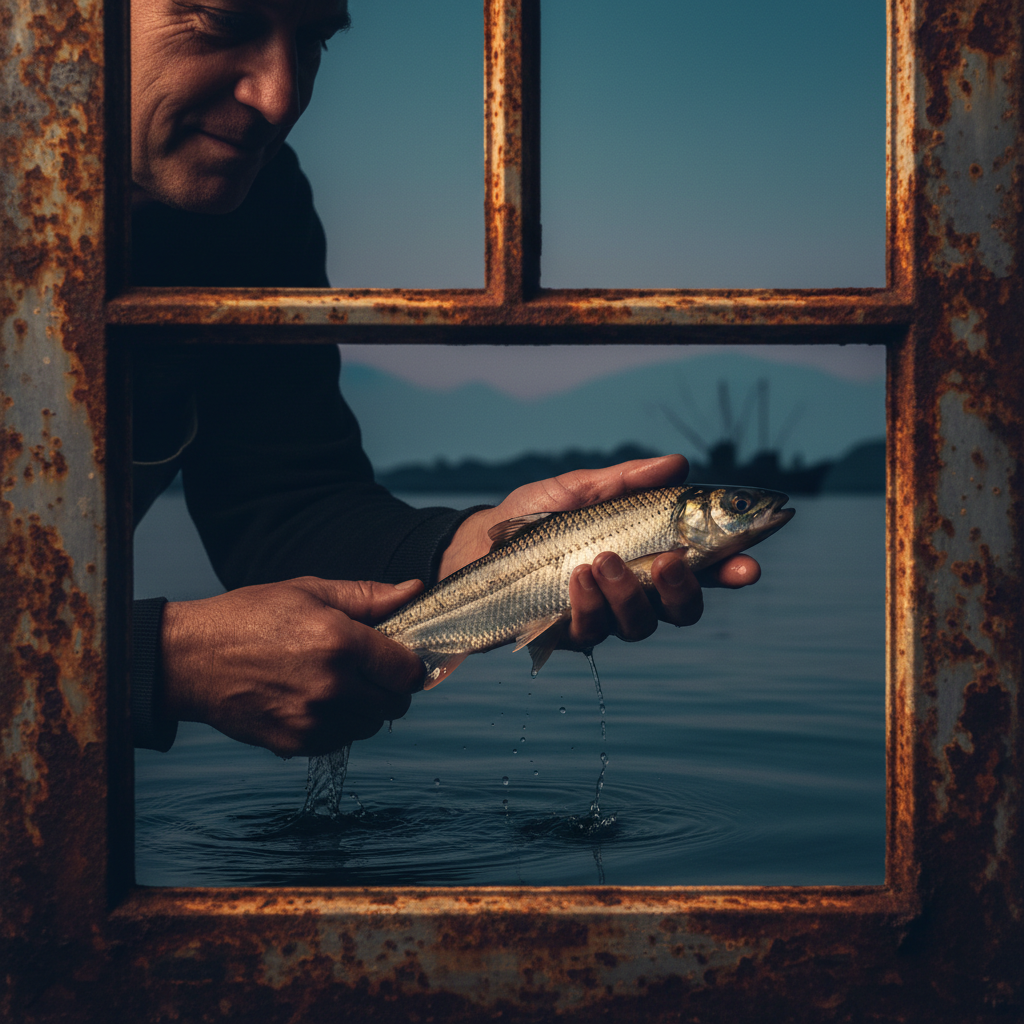
Proper fish handling is essential for minimizing stress and injury to the fish. Always handle fish with wet hands to protect their delicate slime coating. Avoid using nets unless absolutely necessary, as nets can damage their scales and fins. If you must use a net, choose one with a soft, rubberized mesh. Support the fish’s weight properly when holding it, and avoid squeezing it too tightly. Never hold a fish by its gills, as this can cause serious injury. By following these simple guidelines, you can help to ensure that the fish survives its encounter with you.
Think of the fish as a living creature that deserves respect and care. Treat it with the same consideration you would give to any other animal. By practicing proper fish handling techniques, you can minimize the impact of your fishing activities on the fish population. It’s a matter of ethics and responsibility.
Responsible Waste Disposal: Leave No Trace
As anglers, we have a responsibility to leave no trace behind us when we’re fishing. This means properly disposing of all trash, including fishing line, hooks, and bait containers. Never throw trash into the water or leave it on the shoreline. Pack out everything you pack in, and always leave your fishing spot cleaner than you found it. By practicing responsible waste disposal, we can help to protect the environment and preserve the beauty of our natural resources.
Consider the impact of your actions on the environment. Are you contributing to pollution and degradation, or are you helping to preserve the natural beauty of our fishing spots? By practicing responsible waste disposal, you can help to ensure that future generations will be able to enjoy the same pristine fishing environments that we do today. It’s a matter of environmental stewardship.
Ultimately, the trick that changes everything in fishing isn’t a single technique, but a holistic approach that encompasses observation, presentation, understanding, and respect. It’s about becoming a student of the water, a master of your craft, and a steward of the environment. Embrace the journey, and the rewards will be plentiful.