The Millisecond That Matters: Unveiling the Hookset Timing Blunder
We’ve all been there. The telltale tap-tap-tap of a fish investigating your lure, the surge of adrenaline as you anticipate the hookset, and then…nothing. A slack line, a missed opportunity, and a gnawing feeling that you could have done something differently. While lure selection, presentation, and location undoubtedly play crucial roles in angling success, one often overlooked factor can sabotage even the most meticulously planned fishing trip: hookset timing.
But what exactly constitutes poor hookset timing? Is it simply pulling too early or too late? The answer, as with most things in fishing, is nuanced. It’s not just about the “when” but also the “how.” It’s about understanding the species you’re targeting, the type of lure you’re using, and the specific conditions you’re fishing in. It’s about developing a feel for the subtle cues that indicate a fish has truly committed to your offering and is ready for the steel.
In this article, we’ll dissect the common timing mistakes that plague anglers of all skill levels and provide practical strategies to help you transform those missed opportunities into solid hookups. We’ll explore the science behind the bite, the psychology of the fish, and the techniques you can use to sharpen your reflexes and improve your hookset ratio. Get ready to delve deep into the millisecond that can make or break your fishing day.
The Anatomy of a Missed Opportunity: Dissecting the Failed Hookset
Before we can correct our mistakes, we must first understand them. Let’s break down the anatomy of a missed hookset, examining the most frequent culprits that lead to those frustrating moments of emptiness.
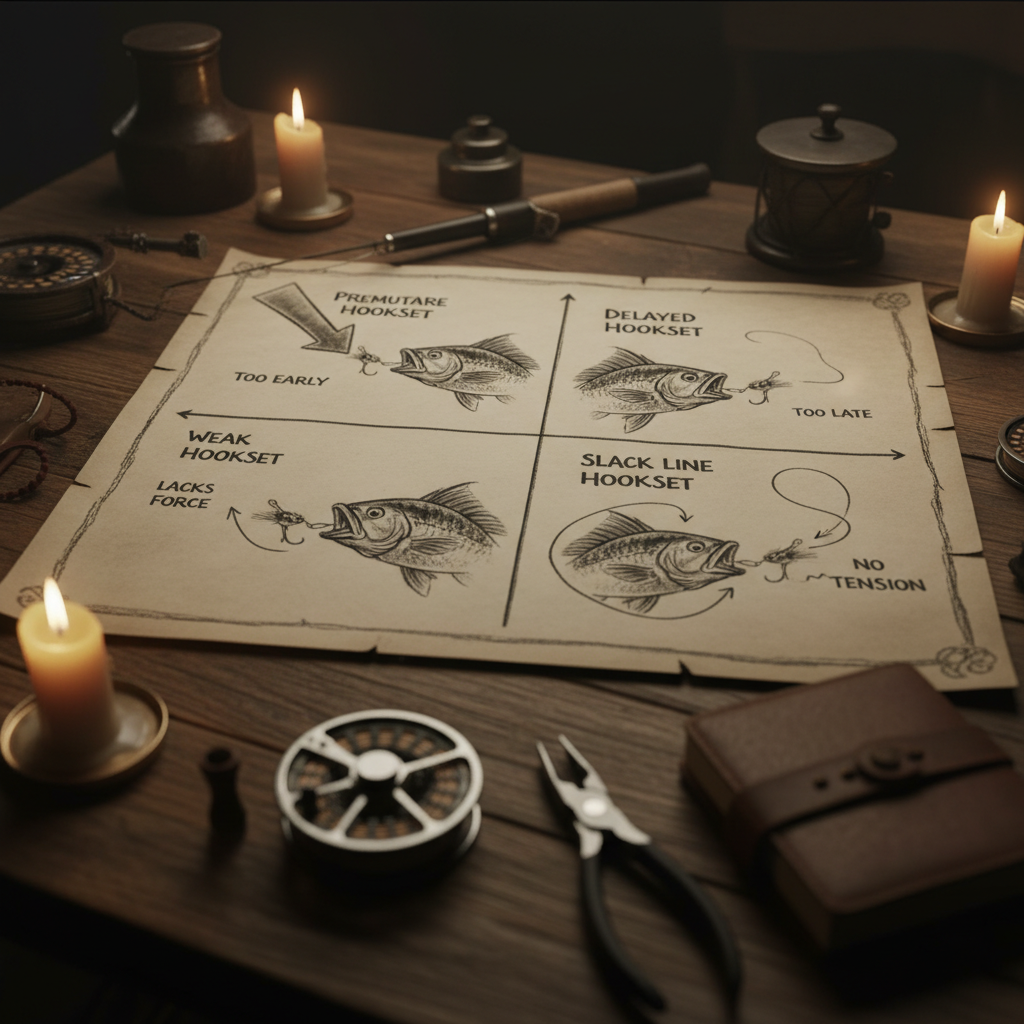
1. The Premature Pull: The Eager Beaver’s Downfall
Perhaps the most common error is the premature pull, often fueled by pure excitement. You feel the slightest tick, and instinctively, you yank back on the rod. While aggression is sometimes necessary, particularly when fishing in heavy cover, jumping the gun can often pull the lure right out of the fish’s mouth before it has a chance to fully commit. This is especially true with fish that “mouth” the lure, testing it before deciding whether to swallow it. Think of a finicky trout delicately sipping a dry fly, or a cautious bass nudging a crankbait before inhaling it. A premature hookset in these scenarios is almost guaranteed to result in a miss.
Example: Imagine you’re fishing for walleye with a jig and minnow. You feel a subtle tap, and immediately set the hook. You might be pulling the jig away before the walleye has fully engulfed the minnow. Walleye often “taste” their prey before committing. A slight delay, allowing the fish to turn with the bait, can dramatically increase your hookup ratio.
2. The Delayed Reaction: The Late Comer’s Lament
On the opposite end of the spectrum is the delayed reaction, where you hesitate too long before setting the hook. This can be caused by a number of factors, including lack of focus, slow reflexes, or simply misinterpreting the initial bite. In some cases, the fish may have already detected the artificial nature of the lure and spat it out before you even realize it has taken the bait. In other situations, the fish may have moved into heavy cover, making it difficult to extract them even with a solid hookset.
Example: Picture yourself fishing a Texas-rigged worm in thick weeds. You feel a “mushy” sensation, unsure if it’s a bite or just the weight dragging through the vegetation. You hesitate, and by the time you decide to set the hook, the bass has already realized the worm isn’t real and ejected it, or has burrowed deeper into the weeds, making it nearly impossible to get a clean hookset.
3. The Weak Wrist: The Anemic Attempt
Sometimes, the timing is right, but the hookset itself lacks the necessary force to drive the hook home. This is particularly common when using heavy tackle or fishing for species with tough mouths. A weak, wrist-flicking motion simply won’t cut it. You need a powerful, deliberate hookset that engages your entire arm and back muscles. Think of it like swinging a baseball bat – you need to put your whole body into it to generate maximum power.
Example: Consider trying to set the hook on a tarpon with a light spinning rod and a delicate wrist flick. Tarpon have incredibly bony mouths, and a weak hookset will likely result in a missed opportunity. You need a heavy-duty rod, a sharp hook, and a Herculean hookset to penetrate their armor.
4. The Slack Line Saga: The Lost Connection
Another common culprit is slack line, which prevents you from making immediate contact with the fish. This can happen when fishing deep water, using lures that create slack (like jerkbaits), or simply not maintaining a tight line. Slack line absorbs the force of your hookset, robbing it of its effectiveness. Imagine trying to pull a nail out of a board with a rubber hammer – it’s just not going to work.
Example: Envision fishing a deep-diving crankbait in 20 feet of water. You feel a thump, but there’s a significant amount of slack in your line due to the depth. By the time you take up the slack and set the hook, the fish has already dropped the lure. Maintaining a tight line, even with a deep-diving lure, is crucial for a solid hookset.
Decoding the Bite: Understanding Fish Behavior and Lure Dynamics
Mastering hookset timing requires more than just quick reflexes. It demands a deep understanding of fish behavior and lure dynamics. By learning to “read” the bite, you can anticipate the fish’s next move and react accordingly.
Species-Specific Strategies: Tailoring Your Hookset to the Target
Different species exhibit different feeding behaviors, and your hookset technique should reflect these differences. What works for a largemouth bass might not work for a crappie, and vice versa. Understanding the nuances of each species is key to increasing your hookup ratio.
Largemouth Bass: The Aggressive Predator
Largemouth bass are ambush predators, often striking their prey with force and aggression. However, they can also be surprisingly finicky, especially under pressured conditions. When fishing with moving baits like crankbaits and spinnerbaits, a sweeping hookset is often effective. But when using slower presentations like Texas-rigged worms or jigs, it’s important to let the fish take the bait before setting the hook. The key is to feel the weight of the fish before you swing. A good rule of thumb is to wait until you feel the line tightening or the rod loading up before setting the hook.
Crappie: The Delicate Nibbler
Crappie are known for their delicate bites, often described as a subtle “tick” or “mushy” sensation. They have relatively small mouths and tend to nibble at the bait before fully committing. When fishing for crappie, it’s crucial to use light wire hooks and a sensitive rod to detect these subtle bites. A quick, wrist-flicking hookset is usually sufficient, but it’s important to avoid setting the hook too hard, as this can tear the hook out of their soft mouths.
Trout: The Cautious Consumer
Trout are notoriously selective eaters, often scrutinizing their prey before deciding whether to strike. They can be particularly challenging to catch with artificial lures, requiring a delicate presentation and precise hookset timing. When fishing with dry flies, it’s important to wait until the fish has fully engulfed the fly before setting the hook. A common mistake is to set the hook too early, pulling the fly out of the fish’s mouth. A subtle lift of the rod tip is usually all that’s needed to set the hook on a trout.
Walleye: The Subtle Striker
Walleye are masters of the subtle strike. They often inhale their prey without a lot of commotion. Many times anglers will be dragging a jig along the bottom, only to find a walleye has been quietly following and has inhaled the jig. The key with walleye is to pay close attention to any change in the feel of your line. If you feel any extra weight or a slight “mushy” feeling, set the hook immediately. Walleye have bony mouths, so a firm hookset is essential.
Lure-Specific Strategies: Matching Your Hookset to the Bait
The type of lure you’re using also dictates the appropriate hookset technique. Different lures require different approaches, depending on their action, size, and the way they are fished.
Crankbaits: The Sweeping Set
Crankbaits are typically fished with a sweeping hookset. This involves using a long, sweeping motion with your rod, rather than a sharp, jerking motion. The sweeping hookset allows the treble hooks of the crankbait to find purchase in the fish’s mouth. It’s important to maintain a steady retrieve after the hookset to keep the fish pinned.
Jerkbaits: The Rip and React
Jerkbaits require a more aggressive hookset. When you feel a fish strike a jerkbait, it’s important to rip the rod sharply to drive the hooks home. Jerkbaits are often fished with a slack line, so it’s crucial to take up the slack quickly before setting the hook. A common mistake is to set the hook too softly, resulting in a missed opportunity.
Soft Plastics: The Delayed Gratification
Soft plastics, such as Texas-rigged worms and jigs, often require a delayed hookset. This is because the fish typically needs time to fully engulf the bait before you can set the hook. The key is to feel the weight of the fish before you swing. A good rule of thumb is to wait until you feel the line tightening or the rod loading up before setting the hook. With larger soft plastics, it may be necessary to give the fish even more time to ensure a solid hookset.
Topwater Lures: The Visual Spectacle
Topwater lures offer the most visually exciting strikes in fishing. The key with topwater lures is to resist the urge to set the hook immediately when you see the fish explode on the bait. Wait until you feel the weight of the fish before you swing. Setting the hook too early will often result in pulling the lure out of the fish’s mouth. A slightly delayed hookset will dramatically increase your hookup ratio with topwater lures.

Refining Your Reflexes: Drills and Techniques for Sharper Hooksets
Now that we’ve explored the theory behind hookset timing, let’s move on to practical techniques you can use to improve your reflexes and increase your hookup ratio. These drills and techniques will help you develop a more instinctive response to the bite, allowing you to react quickly and effectively.
The “Watch and Wait” Drill: Developing Patience and Discernment
One of the best ways to improve your hookset timing is to practice the “watch and wait” drill. This involves using a clear plastic tube or a small piece of brightly colored yarn as a strike indicator. Attach the indicator to your line a few feet above your lure. Then, cast your lure into the water and watch the indicator closely. When a fish strikes, the indicator will move, giving you a visual cue. The key is to resist the urge to set the hook immediately. Instead, wait until you feel the weight of the fish before you swing. This drill will help you develop patience and learn to discern between a genuine bite and a false alarm.
The “Blind Cast” Technique: Enhancing Your Feel
Another effective technique is the “blind cast.” This involves fishing in areas where you can’t see your lure or the fish. This forces you to rely solely on your sense of feel to detect bites. Close your eyes (or fish in murky water) and concentrate on the vibrations and sensations transmitted through your line and rod. Pay attention to any subtle changes in pressure or resistance. This technique will sharpen your sensitivity and improve your ability to detect even the most subtle bites.
The “Practice Hookset” Exercise: Building Muscle Memory
Just like athletes practice their swing or their jump shot, anglers can benefit from practicing their hookset. Find a sturdy tree branch or a heavy object to simulate the resistance of a fish. Practice setting the hook with different lures and techniques. Pay attention to your body position, your grip on the rod, and the amount of force you’re using. The goal is to develop muscle memory so that your hookset becomes a natural and instinctive response.
The “Mental Rehearsal” Strategy: Visualizing Success
Mental rehearsal is a powerful technique used by athletes and performers to improve their performance. Before you go fishing, take a few minutes to visualize yourself setting the hook on a fish. Imagine the feeling of the bite, the sound of the drag screaming, and the satisfaction of landing the fish. This mental preparation can help you stay focused and confident on the water.

Beyond the Basics: Advanced Hookset Strategies for the Dedicated Angler
For anglers who are truly committed to mastering the art of the hookset, there are several advanced strategies that can take their game to the next level. These techniques require a deep understanding of fish behavior, lure dynamics, and the specific conditions you’re fishing in.
The “Line Watch” Method: Detecting the Invisible Bite
The “line watch” method involves paying close attention to your line, even when you can’t feel a bite. This technique is particularly effective when fishing with lures that create slack line or when fishing in windy conditions. Watch for any subtle twitches, jumps, or changes in direction of your line. These can be indicators of a fish taking the bait, even if you don’t feel a direct bite. Be ready to set the hook at a moment’s notice if you detect any suspicious activity.
The “Controlled Slack” Technique: Enticing the Hesitant Striker
The “controlled slack” technique involves intentionally introducing a small amount of slack into your line. This can be particularly effective when fishing for pressured fish that are hesitant to strike a moving lure. By introducing slack, you allow the lure to drift naturally, making it appear more enticing to the fish. When you feel a bite, quickly take up the slack and set the hook with a sharp, deliberate motion.
The “Stinger Hook” Solution: Increasing Hookup Ratios with Short-Striking Fish
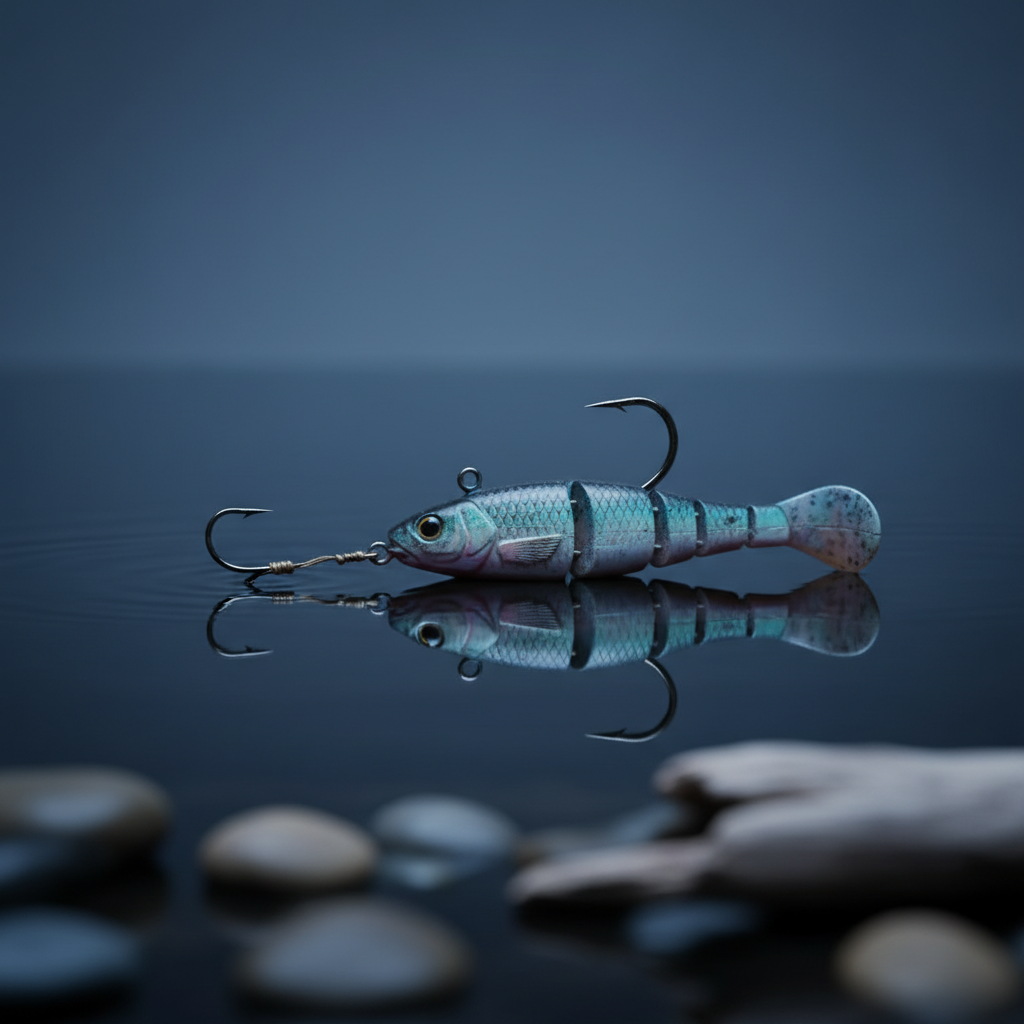
A stinger hook is a small, supplementary hook that is attached to the main hook of your lure. Stinger hooks are particularly effective when fishing for fish that are known to short-strike or nip at the tail of your lure. The stinger hook increases your chances of hooking these fish, even if they don’t fully commit to the bait. Stinger hooks are commonly used when fishing for pike, muskie, and walleye, but they can also be effective for other species.
The “Circle Hook” Approach: A Revolution in Hookset Technique
Circle hooks represent a departure from traditional hookset techniques. Instead of setting the hook with a sharp, jerking motion, circle hooks are designed to hook the fish in the corner of the mouth as the line tightens. Circle hooks are commonly used in saltwater fishing, particularly for species like tuna and billfish, but they are also gaining popularity in freshwater fishing. When using circle hooks, it’s important to avoid setting the hook. Simply allow the fish to run with the bait, and the hook will set itself as the line tightens.
The Mental Game: Staying Focused and Adapting to the Conditions
Ultimately, mastering hookset timing is as much a mental game as it is a physical one. It requires staying focused, being patient, and adapting to the ever-changing conditions. Don’t get discouraged by missed opportunities. Every missed hookset is a learning experience. Analyze what went wrong, adjust your technique, and keep practicing. With dedication and perseverance, you can transform those frustrating moments of emptiness into consistent success on the water. The key is to stay present, observe the subtle cues, and trust your instincts. The millisecond that matters is waiting for you. Are you ready to seize it?
Remember, fishing is a constant learning process. Be open to experimenting with different techniques and approaches. Talk to other anglers, read articles and books, and watch videos. The more you learn about fish behavior and lure dynamics, the better equipped you’ll be to make the right decision at the critical moment. And most importantly, have fun! Fishing is a recreational activity, and the enjoyment of the experience should always be your primary goal. So, get out there, practice your hooksets, and enjoy the thrill of the chase.