Unlocking the Secrets to Consistent Fishing Success
We’ve all been there. Those frustrating fishing trips where the fish simply aren’t biting. You’ve tried everything – different lures, various locations, shifting your tactics – yet you return home empty-handed, questioning your angling abilities. But what if I told you there was a technique, a mindset even, that could drastically improve your odds of success, transforming those disappointing outings into rewarding experiences?
It’s not about magic. It’s not about secret bait. It’s about understanding the nuances of fish behavior, adapting to environmental conditions, and most importantly, mastering the art of observation. This technique, which I call “The Adaptive Angler,” isn’t a single, rigid strategy, but rather a flexible framework that allows you to analyze, adjust, and ultimately outsmart your finned adversaries.
The Foundation: Observation and Awareness
The core of the Adaptive Angler technique lies in keen observation. Before even wetting a line, take the time to assess your surroundings. What’s the water clarity like? Are there any insects hatching? What’s the water temperature? What’s the current doing? Are there any visible signs of fish activity, like surface disturbances or baitfish schools?
Each of these factors plays a crucial role in determining where fish are likely to be holding and what they’re likely to be feeding on. For instance, if the water is murky after a rainstorm, fish might be seeking refuge in slower-moving areas along the edges of the river or lake. If you observe a hatch of mayflies, matching your fly pattern to the emerging insects can dramatically increase your chances of a strike.
This initial observation phase is not a passive exercise. It’s an active investigation, a process of gathering clues that will inform your subsequent decisions. It’s about becoming a detective, piecing together the puzzle of the underwater world.
Consider this example: You arrive at a lake known for its largemouth bass. The sun is high, and the water is crystal clear. Instead of immediately casting your favorite topwater lure, take a moment to observe. Do you see any bass cruising the shallows? Are there any shadows cast by docks or overhanging trees? Are there any weed beds or submerged structures? In this scenario, the bass are likely seeking refuge from the bright sunlight in deeper water or under cover. Adjusting your strategy to target these areas with a jig or a deep-diving crankbait would be a more effective approach than blindly casting topwater lures.
The Adaptation Process: Refining Your Approach
Once you’ve gathered your initial observations, it’s time to put your knowledge into action. But remember, the Adaptive Angler technique isn’t a one-and-done deal. It’s a continuous process of refinement. You need to be willing to adjust your approach based on the feedback you’re receiving from the fish – or lack thereof.
This means experimenting with different lures, techniques, and presentations. If you’re not getting any bites with a particular lure, don’t be afraid to switch to something else. Try a different color, size, or action. Vary your retrieve speed and depth. Experiment with different casting angles. The key is to keep experimenting until you find something that works.
Let’s say you’re fishing for trout in a river. You’ve been nymphing with a beadhead nymph for an hour without a single take. Instead of stubbornly continuing with the same approach, consider switching to a different nymph pattern, perhaps one with a different color or size. You could also try adding some weight to your line to get your nymph deeper, or adjust your drift to better match the current speed. Maybe the trout are keyed in on a specific insect that you haven’t identified yet. By carefully examining the stream bed and nearby vegetation, you might be able to discover the key to unlocking the trout’s feeding preferences.
The Adaptive Angler embraces failure as a learning opportunity. Every cast that doesn’t result in a strike provides valuable information. It tells you what doesn’t work, which is just as important as knowing what does work. Keep a mental note of your successes and failures, and use this knowledge to refine your approach on future fishing trips.

Beyond the Basics: Advanced Adaptive Strategies
Once you’ve mastered the fundamentals of observation and adaptation, you can begin to explore more advanced strategies that will further enhance your fishing success. These strategies involve a deeper understanding of fish behavior, environmental factors, and advanced angling techniques.
Understanding Fish Behavior
Fish are not mindless creatures. They are complex organisms with specific needs and behaviors that are influenced by a variety of factors, including water temperature, oxygen levels, food availability, and predator pressure. Understanding these factors can give you a significant advantage in your fishing endeavors.
For example, knowing that trout prefer cooler, oxygen-rich water can help you locate them during the warmer months. Understanding that bass often ambush their prey from cover can guide you in targeting areas with submerged vegetation or structures. Learning about the spawning habits of different fish species can help you time your fishing trips to coincide with periods of increased activity.
Consider the case of fishing for walleye. Walleye are known to be light-sensitive, often seeking deeper water or areas with reduced light penetration during the day. However, they become more active at dawn and dusk, when the light levels are lower. Knowing this, an Adaptive Angler would focus their efforts on fishing these prime times, using lures or techniques that are effective in low-light conditions, such as crankbaits or jigs with glow-in-the-dark accents.
To deepen your understanding of fish behavior, read books, articles, and scientific studies on the species you’re targeting. Talk to experienced anglers and guides who have spent years studying these fish. Observe fish in their natural habitat, either by snorkeling or using underwater cameras. The more you learn about fish behavior, the better equipped you’ll be to predict their movements and feeding patterns.
Adapting to Environmental Factors
Environmental conditions can have a profound impact on fish behavior and fishing success. Changes in weather, water level, and water temperature can all affect where fish are located and how they’re feeding. The Adaptive Angler is constantly monitoring these factors and adjusting their strategy accordingly.
For instance, a sudden cold front can cause fish to become lethargic and move to deeper water. In this situation, slowing down your presentation and using smaller, more subtle lures can be effective. A heavy rainstorm can muddy the water and reduce visibility, prompting fish to seek clearer areas or ambush points. In this case, using lures that create vibration or flash can help fish locate them in the murky water.
Let’s say you’re planning a fishing trip to a reservoir, but you discover that the water level has dropped significantly due to a drought. This can concentrate fish in certain areas, such as creek channels or submerged timber. An Adaptive Angler would focus their efforts on these areas, using techniques that are effective for fishing in tight spaces, such as flipping or pitching. They might also adjust their lure selection to match the size and type of prey that are most abundant in the reduced water volume.
To stay informed about environmental conditions, check the weather forecast, monitor water levels, and use a water thermometer to track changes in water temperature. Pay attention to the signs of nature, such as the direction of the wind, the presence of clouds, and the behavior of other animals. The more attuned you are to your surroundings, the better you’ll be able to adapt to changing conditions and find success on the water.

Mastering Advanced Angling Techniques
Beyond the basic casting and retrieving techniques, there’s a whole world of advanced angling techniques that can help you catch more fish. These techniques require practice and precision, but they can be incredibly effective in the right situations.
For example, the drop shot rig is a versatile technique that allows you to present your lure in a natural and enticing way, even in windy conditions or deep water. The Carolina rig is a classic technique for fishing for bass in heavy cover. The split shot rig is a simple yet effective technique for fishing for trout in streams and rivers.
Consider the technique of “reading the water” when fly fishing. This involves analyzing the current, depth, and structure of a river to identify areas where trout are likely to be holding. An Adaptive Angler would look for seams where fast and slow currents meet, eddies where trout can rest out of the main current, and undercut banks that provide shelter from predators. They would then use their knowledge of fly fishing techniques to present their fly in a way that is most likely to entice a strike.
To master these advanced techniques, seek out instruction from experienced anglers or guides. Watch videos and read articles that explain the nuances of each technique. Practice in a controlled environment, such as a swimming pool or a calm lake, before attempting to use these techniques in a more challenging situation. The more you practice, the more confident and proficient you’ll become in your angling abilities.
The Mental Game: Patience and Persistence
Even with the most advanced techniques and a deep understanding of fish behavior, fishing can still be challenging. There will be days when the fish simply aren’t biting, no matter what you do. In these situations, it’s important to maintain a positive attitude and persevere. The Adaptive Angler understands that patience and persistence are just as important as skill and knowledge.
Don’t get discouraged if you don’t catch a fish on your first few casts. Keep experimenting with different techniques and presentations until you find something that works. Don’t be afraid to try new things and push yourself outside of your comfort zone. And most importantly, don’t give up.
Imagine you’re ice fishing on a frozen lake. You’ve been sitting in your ice shelter for hours, jigging your lure without a single bite. Many anglers would pack up and go home at this point. But the Adaptive Angler would see this as an opportunity to learn and adapt. They might try drilling new holes in different locations, experimenting with different lure colors and sizes, or adjusting their jigging technique. They might even try using a sonar unit to locate fish that are holding near the bottom of the lake. By remaining patient and persistent, they might eventually discover the key to unlocking the bite and catching a limit of fish.
The mental game of fishing is about maintaining a positive attitude, embracing challenges, and never giving up on your pursuit of success. It’s about viewing each fishing trip as an opportunity to learn and grow as an angler. And it’s about enjoying the process, even when the fish aren’t cooperating.

Case Studies: The Adaptive Angler in Action
To illustrate the power of the Adaptive Angler technique, let’s examine a few real-world case studies.
Case Study 1: The Selective Trout
An experienced fly fisherman was fishing a well-known trout stream that was known for its selective trout. He had tried a variety of different fly patterns, but the trout were simply not interested. He observed that the trout were rising selectively to a small, pale mayfly that was hatching in abundance. However, his standard mayfly patterns were not working. He then realized that the trout were only taking the mayflies that were drifting along a specific current seam. He adapted by tying on a smaller, more delicate mayfly pattern and carefully positioning himself to present his fly along the targeted current seam. This resulted in an immediate increase in strikes, and he was able to land several beautiful trout.
Case Study 2: The Pressured Bass
A bass angler was fishing a heavily pressured lake that was known for its finicky bass. He had tried all of his usual techniques, but the bass were not responding. He noticed that the water was unusually clear, and that the bass were likely spooked by the boat traffic and fishing pressure. He adapted by switching to a smaller, more subtle lure and fishing in areas that were less accessible to other anglers. He also used a stealthy approach, minimizing noise and movement. This allowed him to catch several quality bass that had been overlooked by other anglers.
Case Study 3: The Changing River
A salmon fisherman was fishing a river that was known for its unpredictable water levels. He had been catching salmon consistently for several days, but then the river level suddenly dropped due to a lack of rainfall. He adapted by moving to deeper pools and using heavier lures to reach the bottom. He also adjusted his presentation to match the slower current speed. This allowed him to continue catching salmon, even though the river conditions had changed dramatically.
These case studies demonstrate the importance of being able to adapt to changing conditions and adjust your strategy accordingly. The Adaptive Angler is always learning, always experimenting, and always refining their approach. They are not afraid to try new things and push themselves outside of their comfort zone. And they are always willing to learn from their mistakes.
Continuous Learning: The Lifelong Angler
The Adaptive Angler technique is not a destination, but rather a journey. It’s a continuous process of learning, adapting, and refining your skills. The more you fish, the more you’ll learn about fish behavior, environmental factors, and advanced angling techniques. And the more you learn, the more successful you’ll become as an angler.
Never stop learning. Read books, articles, and scientific studies on the species you’re targeting. Talk to experienced anglers and guides who have spent years studying these fish. Observe fish in their natural habitat, either by snorkeling or using underwater cameras. Attend fishing seminars and workshops. Join fishing clubs and organizations. The more you immerse yourself in the world of fishing, the more you’ll learn and the more successful you’ll become.
Embrace the challenges of fishing. Don’t be discouraged by setbacks or failures. View each fishing trip as an opportunity to learn and grow. And most importantly, enjoy the process. Fishing is more than just catching fish. It’s about connecting with nature, challenging yourself, and spending time with friends and family. It’s a lifelong pursuit that can bring you joy and fulfillment for years to come.
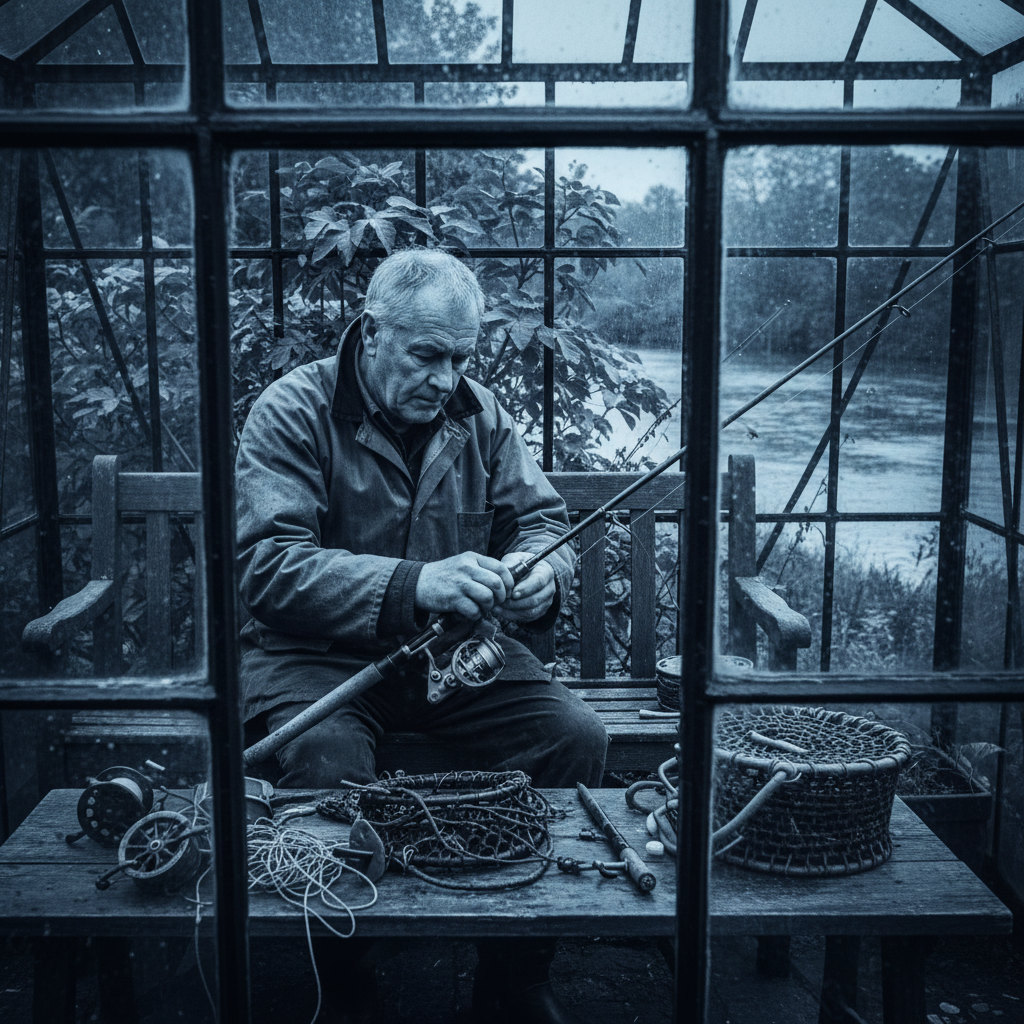
Ultimately, the Adaptive Angler technique is about cultivating a mindset of curiosity, adaptability, and perseverance. It’s about transforming frustrating fishing trips into rewarding learning experiences. It’s about becoming a student of the underwater world, constantly seeking to understand the nuances of fish behavior and the ever-changing dynamics of the environment. And it’s about embracing the challenges of fishing with a spirit of optimism and a unwavering commitment to continuous improvement. So, the next time you head out on the water, remember to channel your inner Adaptive Angler, and watch as your fishing success soars to new heights.