The Unseen Enemy: Why Fish Reject Your Bait
We’ve all been there. Hours spent on the water, the perfect spot chosen, the best bait meticulously prepared, and yet… nothing. Or worse, a tantalizing tug, a moment of exhilaration, only to have the line go slack. The fish spat the hook. Frustrating, isn’t it? But why does it happen? While many factors contribute to a successful catch, from weather conditions to water clarity, there’s one subtle mistake anglers often overlook: the unnatural presentation of their bait.
It’s not enough to simply impale a worm or attach a lure. The fish are far more discerning than we often give them credit for. They’ve evolved to detect the slightest irregularities in their environment, especially when it comes to potential food. A bait that doesn’t look, feel, or behave naturally will be met with suspicion and ultimately rejected. This article delves into the nuances of bait presentation, revealing the subtle error that can turn a promising fishing trip into a frustrating exercise in futility.
Beyond the Scent: The Importance of Natural Movement
We often focus on scent, believing that a powerful attractant is the key to enticing fish. And while scent undoubtedly plays a role, it’s only one piece of the puzzle. Imagine you’re walking through a forest and spot a perfectly formed mushroom. Its color is vibrant, and it even emits a pleasant aroma. But something feels off. Maybe it’s unnaturally still, or perhaps its texture appears too smooth. Your instinct would likely tell you to avoid it, and the same holds true for fish.
Fish rely heavily on visual cues and tactile feedback. They’re constantly scanning their surroundings, assessing potential food sources based on movement, shape, and texture. A bait that hangs lifelessly on the hook, or one that moves in a jerky, unnatural manner, will instantly raise red flags. Think about a natural insect falling into the water. It flutters, struggles, and drifts with the current. Replicating this natural movement is crucial to convincing a fish that your bait is a genuine meal.
Consider the case of a seasoned fly fisherman. They don’t just cast their fly and hope for the best. They meticulously study the insects hatching on the water, paying close attention to their size, shape, and movement. They then select a fly that closely imitates these insects and employ casting techniques that create a realistic presentation. This attention to detail is what separates the successful fly fisherman from the casual angler.
Another example lies in the world of soft plastic lures. These versatile baits can be rigged in countless ways, but the key to success lies in choosing a rigging method that allows the lure to move naturally. A Texas-rigged worm, for instance, can be hopped and dragged along the bottom, mimicking the movement of a fleeing creature. A weightless swimbait can be retrieved slowly through the water column, imitating a swimming baitfish. The possibilities are endless, but the underlying principle remains the same: natural movement is paramount.
The Subtle Culprit: Hook Size and Rigging
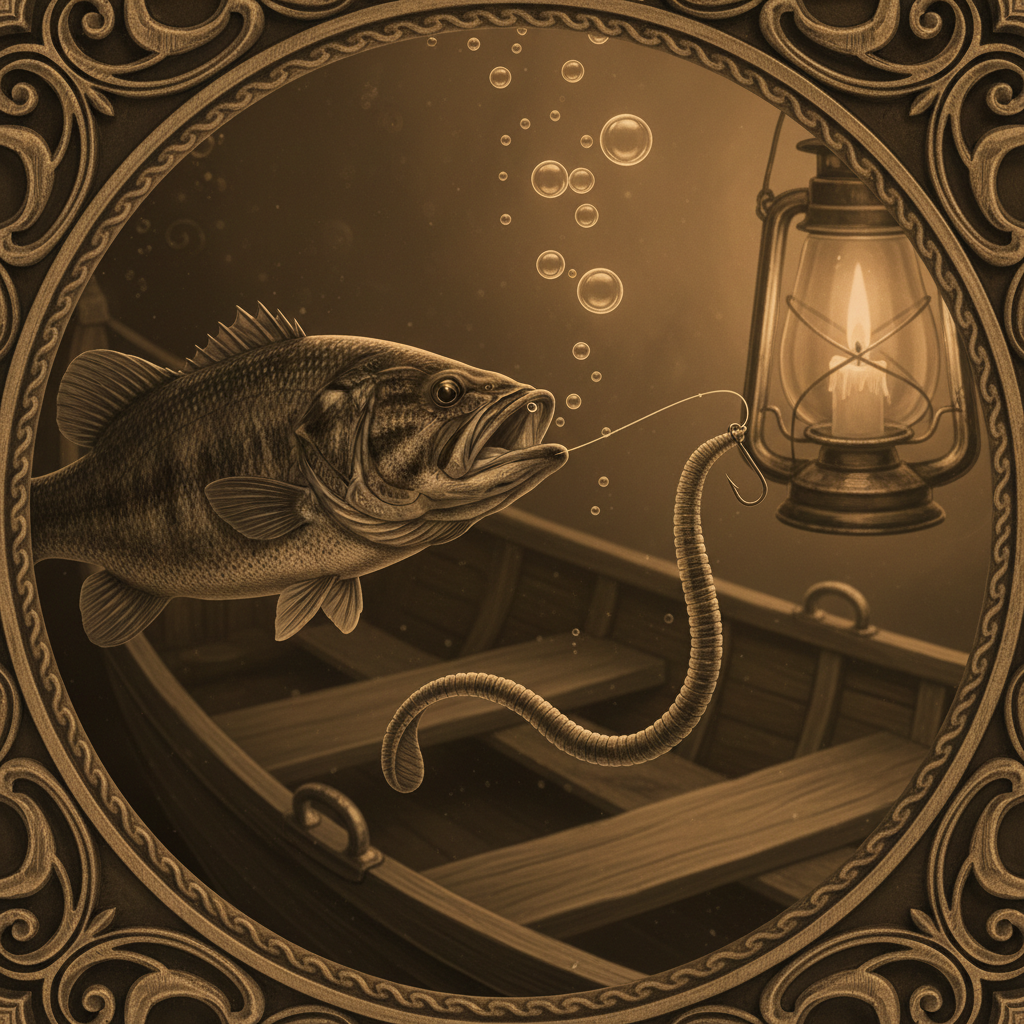
So, what’s the subtle mistake that often leads to unnatural bait presentation? It’s often the seemingly insignificant choice of hook size and rigging method. An oversized hook can restrict the bait’s movement, making it appear stiff and unnatural. A poorly rigged bait can also suffer from the same problem, hindering its ability to flow naturally in the water. This is especially true when fishing with live bait.
Imagine trying to swim with a weight tied to your ankle. Your movements would be restricted, and you’d expend far more energy than usual. The same principle applies to fish. A hook that’s too large will weigh the bait down, preventing it from moving freely and naturally. This is particularly important when fishing with smaller baits, such as minnows or insects. A bulky hook can completely negate the bait’s natural appeal.
Furthermore, the way you rig your bait can significantly impact its presentation. A poorly rigged worm, for example, might spin unnaturally in the water, or it might simply hang limply on the hook. A live minnow that’s hooked incorrectly might struggle and die quickly, losing its lifelike appeal. Taking the time to properly rig your bait is an investment that can pay off handsomely.
Case Study: The Trout’s Picky Palate
Trout are notoriously selective feeders, known for their discerning palates and keen eyesight. They inhabit clear, fast-flowing waters, where they have ample opportunity to scrutinize potential food sources. This makes them particularly susceptible to unnatural bait presentations. A trout fisherman who simply throws a glob of PowerBait on a hook and expects to catch fish is likely to be disappointed.
Successful trout anglers understand the importance of finesse. They use small, lightweight hooks that allow their bait to drift naturally with the current. They also employ rigging techniques that minimize the hook’s visibility. For example, they might use a small split shot weight a few feet above the hook, allowing the bait to tumble along the bottom in a lifelike manner. They also pay close attention to the color and size of their bait, matching it to the natural food sources present in the water.
One particularly effective technique for catching trout is nymph fishing. This involves using artificial nymphs that imitate the larval stages of aquatic insects. Nymphs are typically fished on a long, fine leader with a small indicator attached to the line. The indicator allows the angler to detect subtle strikes, as trout often take nymphs gently. The key to success with nymph fishing is to present the nymph in a natural, drag-free drift, allowing it to flow with the current as if it were a real insect.
The Art of Deception: Mastering the Natural Presentation
Mastering the art of natural bait presentation requires a combination of knowledge, skill, and observation. It’s not enough to simply read about it; you need to get out on the water and experiment. Pay close attention to how your bait moves in the water, and compare it to the movement of natural food sources. Observe how fish react to your bait, and adjust your presentation accordingly.
Here are a few tips to help you improve your bait presentation:
- Use the smallest hook possible: A smaller hook will allow your bait to move more freely and naturally.
- Choose the right rigging method: Select a rigging method that complements the type of bait you’re using and the type of fish you’re targeting.
- Match the hatch: Pay attention to the natural food sources present in the water, and choose baits that closely imitate them.
- Use a light line: A light line will reduce drag and allow your bait to drift more naturally.
- Practice your casting: Accurate casting is essential for presenting your bait in the right location.
- Observe, observe, observe: Pay close attention to how fish react to your bait, and adjust your presentation accordingly.
Ultimately, the key to successful fishing is to think like a fish. Put yourself in their shoes and ask yourself what would entice you to bite. By paying attention to the subtle details of bait presentation, you can significantly increase your chances of landing that trophy fish.

Beyond the Basics: Advanced Presentation Techniques
Once you’ve mastered the basics of natural bait presentation, you can start experimenting with more advanced techniques. These techniques are designed to further enhance the realism of your presentation and appeal to even the most discerning fish. One such technique is the use of fluorocarbon line.
Fluorocarbon line is virtually invisible underwater, making it an excellent choice for clear water conditions. It also has a higher density than monofilament line, which means it sinks faster and is less likely to spook fish. When fishing with fluorocarbon line, you can often get away with using slightly larger hooks without sacrificing the natural presentation of your bait.
Another advanced technique is the use of scent attractants. While scent alone is not enough to guarantee success, it can certainly enhance the appeal of your bait. There are countless scent attractants on the market, ranging from simple fish oil to complex blends of amino acids and pheromones. Experiment with different scents to see what works best in your local waters.
Finally, don’t be afraid to experiment with different retrieves. A slow, steady retrieve is often effective, but sometimes a more erratic retrieve can trigger strikes. Try twitching your bait, pausing it, or even jerking it aggressively. The key is to find a retrieve that mimics the natural movement of the bait and appeals to the fish’s predatory instincts.
The Ethical Angler: Respecting the Resource
As anglers, we have a responsibility to respect the resource and practice ethical fishing techniques. This includes minimizing our impact on the environment and ensuring the long-term sustainability of fish populations. One way to do this is to practice catch-and-release fishing.
Catch-and-release fishing involves carefully releasing fish back into the water after they’ve been caught. This allows them to continue to grow and reproduce, contributing to the overall health of the fish population. When practicing catch-and-release, it’s important to handle fish gently and minimize the amount of time they’re out of the water. Use barbless hooks whenever possible, as they’re easier to remove and cause less damage to the fish. Also, avoid touching the fish’s gills, as they’re extremely delicate.
Another important aspect of ethical angling is to follow all fishing regulations. These regulations are designed to protect fish populations and ensure that everyone has a fair chance to enjoy the sport of fishing. Be sure to familiarize yourself with the fishing regulations in your area before you head out on the water.

The Zen of Fishing: Finding Peace in the Pursuit
Beyond the thrill of the catch, fishing offers a unique opportunity to connect with nature and find peace and tranquility. Spending time on the water can be a therapeutic experience, allowing you to escape the stresses of everyday life and reconnect with your inner self. The rhythmic casting motion, the gentle lapping of the waves, and the stunning beauty of the natural world can all contribute to a sense of calm and well-being.
Fishing is also a great way to bond with family and friends. Sharing a fishing trip with loved ones can create lasting memories and strengthen relationships. Whether you’re teaching a child how to cast a line or simply enjoying a quiet conversation with a friend, fishing provides a unique opportunity to connect with others on a deeper level.
So, the next time you’re out on the water, take a moment to appreciate the beauty of your surroundings and the simple pleasures of fishing. Forget about your worries and focus on the present moment. Let the rhythm of the water and the challenge of the catch wash over you, and allow yourself to be fully immersed in the experience. You might just discover that the real reward of fishing isn’t the fish you catch, but the peace and tranquility you find along the way.
Consider the ancient practice of mindfulness. Fishing, in its essence, can be a form of moving meditation. The focus required, the patience cultivated, and the connection with the natural world all contribute to a state of present-moment awareness. Are you truly present when you fish, or are you lost in thoughts of work, bills, or other anxieties? Bringing mindfulness to your fishing practice can not only improve your catch rate but also enhance your overall well-being.

The Future of Fishing: Innovation and Conservation
The world of fishing is constantly evolving, with new technologies and techniques emerging all the time. From advanced fish finders to innovative lure designs, there’s always something new to learn and explore. However, it’s important to remember that innovation should always be balanced with conservation. As anglers, we have a responsibility to protect the resource for future generations.
One of the biggest challenges facing the fishing industry today is the decline of fish populations in many areas. Overfishing, pollution, and habitat destruction are all contributing factors. To address these challenges, it’s crucial that we support sustainable fishing practices and advocate for stronger environmental regulations. We can also contribute to conservation efforts by participating in volunteer programs and donating to organizations that are working to protect fish populations and their habitats.
The future of fishing depends on our ability to balance innovation with conservation. By embracing sustainable practices and advocating for responsible management, we can ensure that future generations will have the opportunity to enjoy the thrill of the catch and the peace and tranquility of the natural world.
Ultimately, understanding the subtle nuances of bait presentation is a journey, not a destination. It requires constant learning, experimentation, and a deep connection with the natural world. But the rewards are well worth the effort. By mastering the art of deception, you’ll not only increase your chances of catching fish, but you’ll also deepen your appreciation for the sport and the environment in which it takes place. And who knows, you might even discover a little something about yourself along the way.