Beyond the Bragging Rights: The Unseen Depths of Fishing
We’ve all seen them – the triumphant photos splashed across social media. The angler beaming, hoisting a magnificent fish, scales glistening under the sun. The trophy shot. It’s a visual shorthand for success, for skill, for a day well spent. But what if I told you that the story behind the photo, the real story, is often far more compelling, far more profound than the image itself conveys? What if the true prize isn’t the fish, but something far more elusive, something that can’t be measured in pounds or inches?
Fishing, at its core, is more than just catching fish. It’s a journey into the self, a dance with nature, a lesson in patience, and an exercise in humility. It’s a pursuit that strips away the veneer of modern life, forcing us to confront our own limitations, to connect with the wild, and to find solace in the simple act of casting a line.
Think about it. How many times have you seen a picture of someone smiling with a fish and wondered about the hours of preparation, the early mornings, the struggles against the elements, the near misses, the quiet moments of reflection that led to that single, fleeting moment of victory? The photo captures the peak, but it omits the climb.
The Whispers of the Water: Finding Peace in the Unpredictable
One of the most captivating aspects of fishing is its inherent unpredictability. You can plan, prepare, and strategize, but ultimately, you are at the mercy of the water, the weather, and the whims of the fish. This element of uncertainty forces you to relinquish control, to embrace the present moment, and to find peace in the unknown. It’s a powerful antidote to the hyper-scheduled, meticulously planned lives we often lead.
I remember a trip I took to a remote lake in the Canadian wilderness. I had meticulously researched the fishing patterns, packed the perfect gear, and envisioned myself hauling in trophy-sized lake trout. The reality, however, was far different. For three days, I battled relentless winds, torrential rain, and stubbornly elusive fish. I caught nothing. Absolutely nothing. Frustration mounted with each passing hour. I questioned my skills, my strategy, even my sanity. Why was I putting myself through this misery?
Then, on the final morning, as the sun began to peek through the clouds, something shifted. I stopped focusing on the catching. I simply sat on the shore, listening to the lapping of the waves, watching the dance of the dragonflies, and feeling the cool breeze on my face. I realized that the true reward wasn’t the fish, but the opportunity to disconnect from the noise of the world and reconnect with the quiet rhythm of nature. The lake remained stubbornly fishless, but I returned home feeling strangely renewed, carrying a peace that no trophy could ever provide.
The Art of Patience: A Masterclass in Mindfulness
Fishing is, without a doubt, a masterclass in patience. Hours can pass between bites, and even when you finally feel that tug on the line, there’s no guarantee that you’ll land the fish. It requires a Zen-like focus, a willingness to wait, and an ability to find contentment in the process, rather than the outcome. In a world that demands instant gratification, fishing offers a refreshing counterpoint, teaching us the value of delayed reward and the beauty of perseverance.
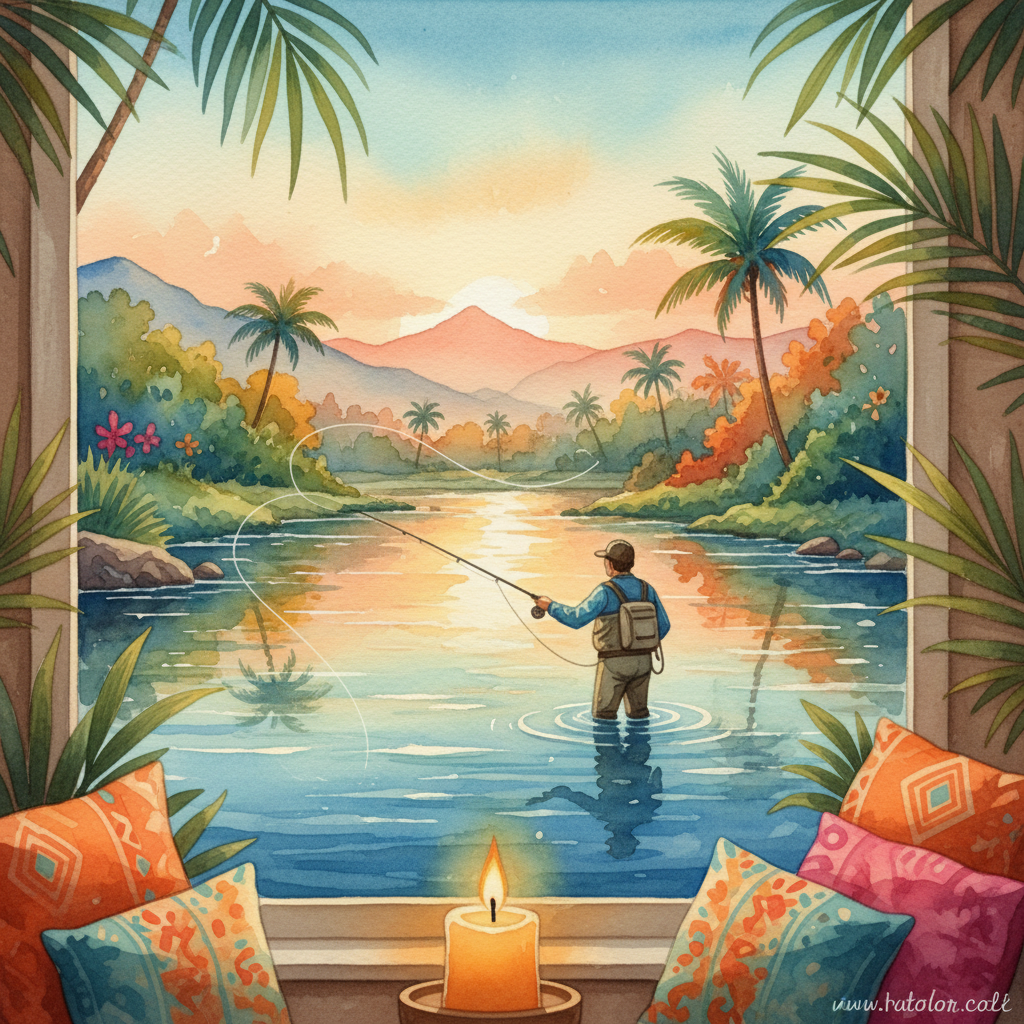
Consider the fly fisherman standing waist-deep in a rushing river, meticulously casting his line, imitating the delicate dance of an insect on the water’s surface. He’s not just trying to catch a fish; he’s engaging in a form of meditation, a mindful practice that quiets the mind and allows him to become fully present in the moment. The anticipation of the strike, the subtle movements of the line, the feel of the water against his legs – these sensory experiences become the focus, pushing aside the anxieties and distractions of everyday life.
This patience extends beyond the act of fishing itself. It permeates the entire experience, from the careful preparation of gear to the meticulous study of maps and weather patterns. It’s a commitment to the long game, a recognition that success requires dedication, perseverance, and a willingness to learn from both triumphs and failures. It’s a life lesson disguised as a hobby.

The Humility of the Hunt: Respecting the Natural World
While fishing can be a source of immense satisfaction, it also serves as a constant reminder of our place in the natural world. We are not masters of the universe, but rather participants in a complex ecosystem that demands our respect and stewardship. The fish are not merely objects to be conquered, but living creatures that deserve our consideration. This awareness fosters a sense of humility, a recognition that we are part of something larger than ourselves.
Ethical anglers practice catch and release, carefully handling the fish and returning them to the water unharmed. They understand that the health of the fishery is paramount, and they are committed to preserving it for future generations. They minimize their impact on the environment, leaving no trace of their presence and respecting the delicate balance of nature.
This respect extends beyond the fish themselves. It encompasses the entire ecosystem, from the microscopic organisms that form the base of the food chain to the majestic predators that patrol the depths. It’s a recognition that everything is interconnected, and that our actions have consequences. It’s a call to be responsible stewards of the environment, protecting the natural world for ourselves and for those who will come after us.
Learning from Failure: The True Measure of an Angler
Let’s be honest: fishing can be incredibly frustrating. There will be days when you cast until your arm aches, when you try every lure in your tackle box, when you follow every piece of advice you’ve ever received, and still come up empty-handed. But it’s in these moments of failure that we truly learn and grow as anglers, and as human beings. It’s a test of our resilience, our adaptability, and our willingness to persevere in the face of adversity.
Each missed strike, each broken line, each day spent skunked on the water is an opportunity to analyze our mistakes, to refine our techniques, and to deepen our understanding of the fish and their environment. What were the weather conditions? What was the water temperature? What were the fish feeding on? By asking these questions and carefully observing the natural world, we can learn to adapt our strategies and increase our chances of success in the future.
More importantly, failure teaches us humility. It reminds us that we are not always in control, and that sometimes, despite our best efforts, things simply don’t go our way. It’s a valuable lesson that can be applied to all aspects of life. The ability to learn from our mistakes, to adapt to changing circumstances, and to persevere in the face of adversity are essential qualities for success in any endeavor.

The Camaraderie of the Cast: Sharing the Passion
While fishing can be a solitary pursuit, it’s also an activity that fosters camaraderie and connection. Sharing the experience with friends and family can create lasting memories and deepen bonds. Whether it’s swapping stories around a campfire, offering advice on techniques, or simply enjoying each other’s company on the water, fishing provides a unique opportunity to connect with others who share your passion.
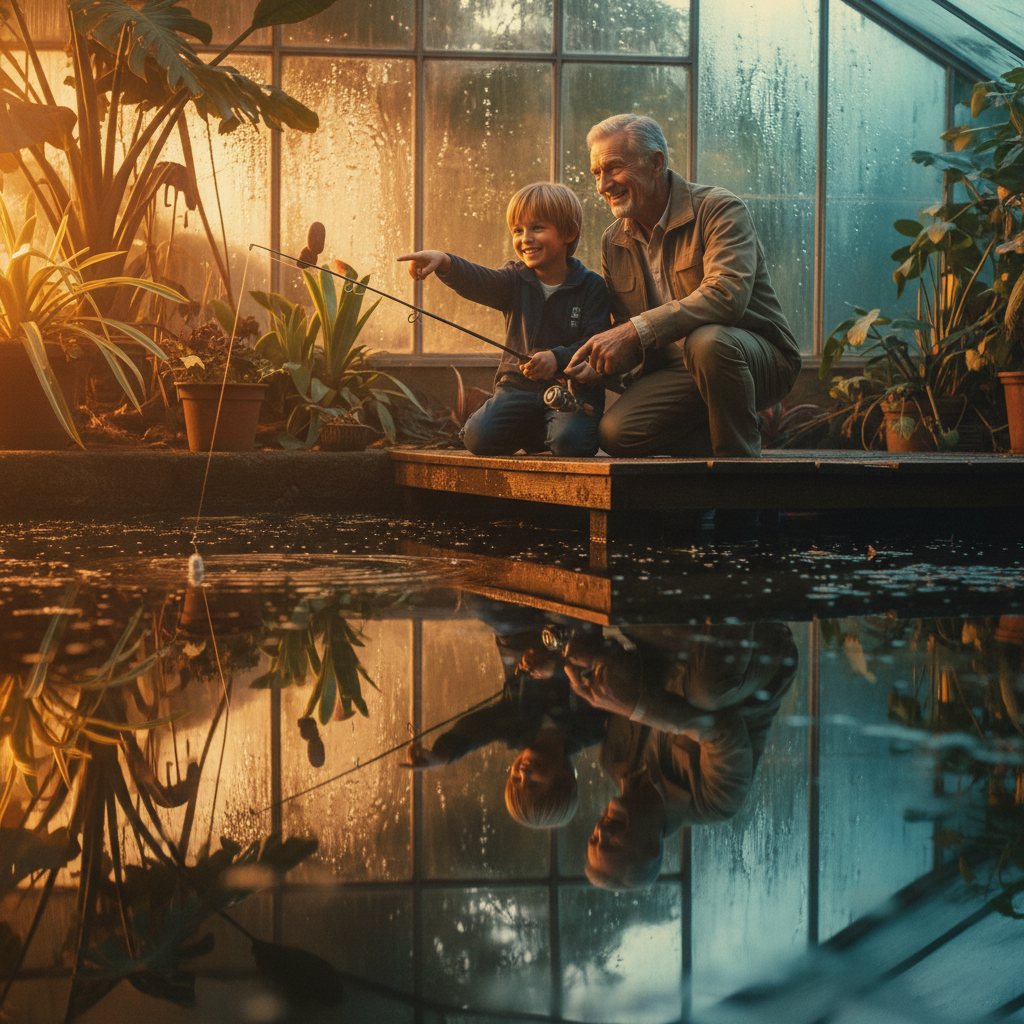
Think of the multi-generational fishing trips, where fathers and sons, mothers and daughters, pass down their knowledge and skills from one generation to the next. These traditions create a sense of continuity and connection, linking families together through a shared love of the sport. Or consider the fishing clubs and online communities where anglers from all walks of life come together to share their experiences, offer advice, and celebrate each other’s successes.
This camaraderie extends beyond personal relationships. It encompasses a broader sense of community, a shared responsibility to protect the resources that we all enjoy. Anglers often work together on conservation projects, volunteering their time and resources to improve fish habitat, clean up waterways, and educate others about the importance of responsible fishing practices. It’s a testament to the power of shared passion to unite people and inspire positive change.
The Intangible Rewards: What a Fish Can’t Buy You
Ultimately, the true rewards of fishing are often intangible, elusive, and difficult to quantify. They are the moments of quiet contemplation, the feeling of connection with nature, the satisfaction of overcoming a challenge, the joy of sharing an experience with others. They are the things that can’t be captured in a trophy photo, but that linger long after the fish has been released or consumed. They are the memories that we carry with us, the lessons that we learn, and the values that we embrace.
Fishing teaches us patience, perseverance, humility, and respect for the natural world. It connects us to something larger than ourselves, reminding us of our place in the grand scheme of things. It provides an escape from the stresses of modern life, allowing us to disconnect from the noise and reconnect with our inner selves. It fosters camaraderie and connection, creating lasting memories and deepening bonds with friends and family.
These intangible rewards are far more valuable than any trophy fish. They are the things that make fishing more than just a hobby; they make it a way of life. They are the reasons why we keep casting our lines, even when the fish aren’t biting. They are the story that no trophy photo can truly explain.
The Evolution of the Angler: A Lifelong Journey of Discovery
Fishing is not a static activity; it’s a lifelong journey of discovery and growth. As we gain experience and knowledge, our perspectives shift, our priorities evolve, and our understanding of the sport deepens. What begins as a simple desire to catch fish can transform into a profound appreciation for the natural world, a commitment to conservation, and a lifelong pursuit of self-improvement.
The novice angler may be focused solely on catching the biggest fish, bragging rights being the ultimate goal. But as they spend more time on the water, they begin to appreciate the subtleties of the environment, the intricacies of fish behavior, and the importance of sustainable practices. They learn to read the water, to understand the weather patterns, and to adapt their techniques to changing conditions.
The experienced angler understands that fishing is not just about catching fish; it’s about connecting with nature, challenging oneself, and sharing the experience with others. They become stewards of the environment, advocating for conservation and promoting responsible fishing practices. They recognize that the true value of fishing lies not in the size of the catch, but in the richness of the experience.
Beyond the Hook: The Ripple Effect of Fishing
The impact of fishing extends far beyond the individual angler. It ripples outwards, affecting communities, economies, and ecosystems. Fishing supports local businesses, creates jobs, and generates revenue for conservation efforts. It provides recreational opportunities for millions of people, promoting physical and mental health. And it fosters a sense of stewardship for the natural world, inspiring individuals to protect and preserve our aquatic resources.
Consider the small coastal towns that rely on fishing tourism for their economic survival. The influx of anglers each year provides a vital source of income for local businesses, supporting restaurants, hotels, tackle shops, and charter boat operators. Or consider the conservation organizations that depend on fishing license fees and excise taxes on fishing gear to fund their programs. These funds are used to restore fish habitat, conduct research, and educate the public about the importance of responsible fishing practices.
Fishing also plays a crucial role in promoting physical and mental health. Spending time outdoors, engaging in physical activity, and connecting with nature have been shown to reduce stress, improve mood, and boost overall well-being. Fishing provides an opportunity to escape the pressures of modern life, to disconnect from technology, and to reconnect with the natural world. It’s a form of therapy, a way to recharge the batteries, and a reminder of the simple joys in life.
The Undeniable Allure: Why We Keep Coming Back
So, what is it about fishing that keeps us coming back, time and time again? What is it that draws us to the water, compels us to cast our lines, and inspires us to spend countless hours in pursuit of these elusive creatures? Is it the thrill of the catch? The challenge of mastering a skill? The beauty of the natural world? Or is it something more profound, something that resonates deep within our souls?
Perhaps it’s the sense of connection with our ancestors, the primal urge to hunt and gather, the echoes of a time when survival depended on our ability to catch fish. Perhaps it’s the feeling of being part of something larger than ourselves, the recognition that we are interconnected with all living things. Perhaps it’s the simple act of being present in the moment, of focusing on the task at hand, of letting go of the worries and anxieties of everyday life.
Whatever the reason, the allure of fishing is undeniable. It’s a force that has captivated humanity for centuries, a passion that transcends cultures and generations, a connection that binds us to the natural world. It’s a story that unfolds with each cast, a journey that leads us deeper into the self, a reward that extends far beyond the trophy photo.
The next time you see that triumphant angler beaming with their prize, remember that there’s a story behind that image, a story that goes far beyond the bragging rights. It’s a story of patience, perseverance, humility, and respect for the natural world. It’s a story of connection, camaraderie, and the intangible rewards that fishing offers. It’s a story that can only be truly understood by those who have experienced the magic of the water, the tug of the line, and the quiet joy of a day well spent in the pursuit of something far more valuable than a fish.