The Unspoken Truth of Fishing: Beyond Gear and Technique
We’ve all been there. Standing knee-deep in the cool, rushing water, rod in hand, confidence brimming. We’ve studied the hatch charts, meticulously tied our flies, and practiced our casts until our shoulders ache. We’re armed with the best gear, the latest techniques, and a burning desire to land that trophy fish. Yet, sometimes, despite all our preparation, the fish simply aren’t biting. Why? What subtle, often overlooked factor separates the consistently successful angler from the rest?
It’s not always about the perfect cast, the most realistic lure, or even the most expensive equipment. While these elements certainly play a role, the true differentiator lies in something far more profound: awareness. Not just awareness of the immediate surroundings, but a deeper, more intuitive understanding of the entire ecosystem and the fish’s place within it. This “silent mistake,” as we’ll call it, is the failure to truly connect with the environment and understand the subtle cues that dictate fish behavior.
Beyond Surface Observations: Embracing the Subtleties
Most anglers operate on a surface level. They see the water, the trees, the insects flitting about. They might even check the water temperature and pH levels. But they often miss the intricate dance of life happening beneath the surface, the subtle shifts in current, the barely perceptible changes in insect activity, the nuanced interactions between predator and prey. These are the clues that tell you where the fish are holding, what they’re feeding on, and how they’re likely to react to your presentation.
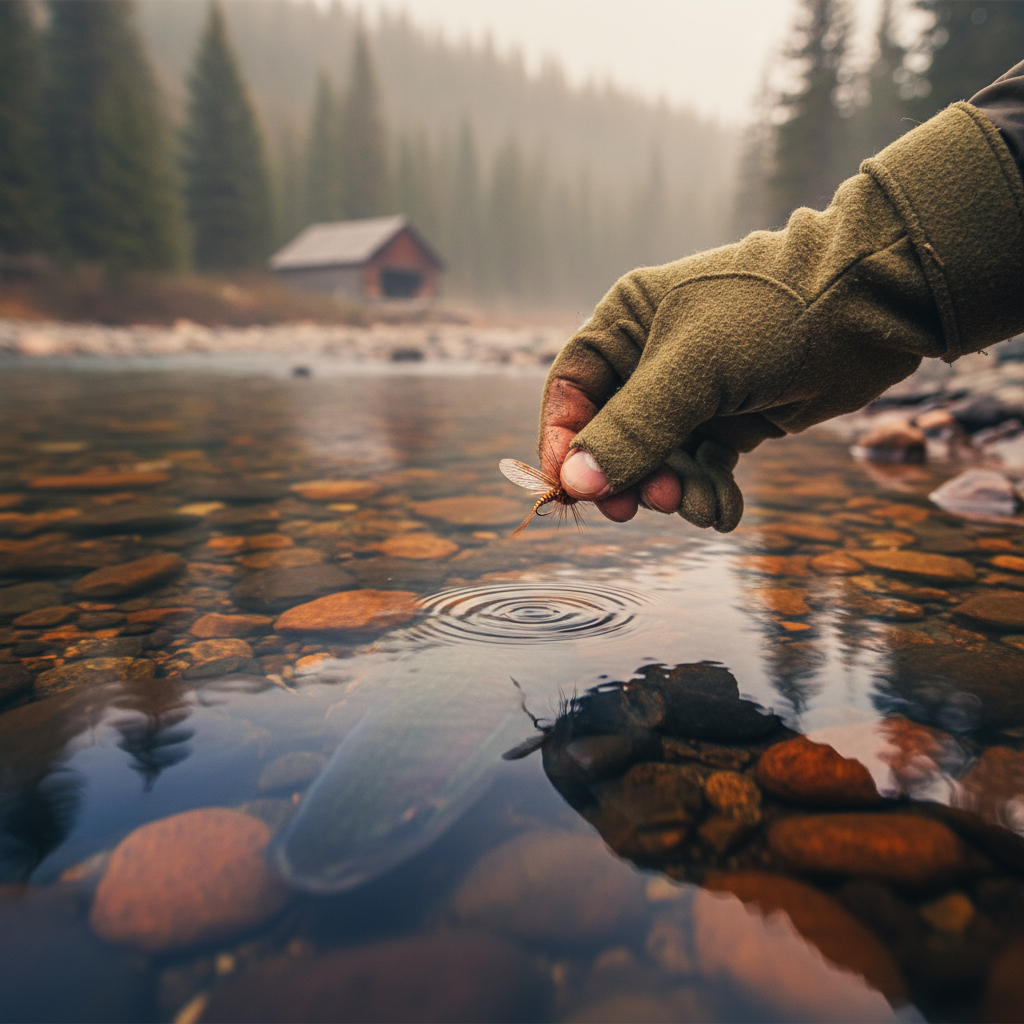
Consider the case of a seasoned fly fisherman named John. John had been fishing the same stretch of river for over 20 years. He knew every riffle, every run, every undercut bank. He could tie any fly pattern imaginable and cast with pinpoint accuracy. Yet, he consistently struggled to catch the larger, more elusive trout that he knew were there. One day, while observing the river with unusual patience, he noticed something he had never seen before: a subtle swirling motion near a submerged log. He realized that the log was creating a micro-eddy, providing a perfect ambush point for trout. He carefully positioned himself upstream, cast his fly into the eddy, and immediately hooked a beautiful brown trout – the largest he had ever caught on that river. This wasn’t luck; it was the result of heightened awareness.
The Illusion of Control: Accepting Nature’s Rhythms
Another common mistake anglers make is trying to force the issue, attempting to impose their will on the fish rather than adapting to the natural rhythms of the environment. They become fixated on a particular technique or lure, stubbornly refusing to adjust their approach even when it’s clear that it’s not working. This is like trying to force a square peg into a round hole. Nature dictates the terms, and the successful angler is the one who learns to listen and adapt.
Think about the salmon run. Every year, millions of salmon migrate upstream to spawn, following an ancient instinct that has guided them for millennia. Anglers flock to the rivers to intercept these fish, eager to participate in this incredible spectacle. But many anglers approach the run with a rigid mindset, using the same techniques and lures regardless of the specific conditions. They may catch a few fish, but they often miss out on the opportunity to truly excel. The astute angler, on the other hand, understands that the salmon’s behavior changes throughout the run, depending on factors such as water temperature, water level, and the presence of other fish. They adapt their approach accordingly, experimenting with different techniques and lures until they find what works best in that particular moment. They understand that fishing is not about control; it’s about understanding and adapting to the natural world.
Cultivating Awareness: A Path to Angling Mastery
So, how do you cultivate this deeper level of awareness? It’s not something you can learn overnight. It requires patience, observation, and a willingness to abandon preconceived notions. Here are a few strategies that can help:
Slow Down and Observe: Become a Student of the Water
The first step is to simply slow down and observe. Before you even pick up your rod, take the time to study the water. Watch the currents, the insect activity, the way the light reflects off the surface. Look for subtle clues that might indicate the presence of fish, such as rising rings, swirls, or sudden movements in the water. Pay attention to the surrounding environment as well. Are there any birds or other animals that might be feeding on the same insects as the fish? Are there any changes in the weather that might affect fish behavior? The more you observe, the more you’ll begin to understand the intricate workings of the ecosystem.
For example, instead of rushing to cast at the most obvious looking spot, spend a few minutes observing the water near that spot. Is there any structure that might provide cover for fish, such as a submerged log, a rock, or a patch of weeds? Is the current flowing in a way that would concentrate food in that area? Are there any signs of insect activity, such as mayflies hatching or caddisflies fluttering about? By taking the time to observe, you can often identify the most promising spots and increase your chances of success.
Embrace Experimentation: Be Willing to Try New Things
Don’t be afraid to experiment with different techniques and lures. Just because something worked yesterday doesn’t mean it will work today. Fish are constantly adapting to changing conditions, and you need to be able to adapt as well. Try different retrieves, different depths, and different presentations. Pay attention to how the fish react to each change, and adjust your approach accordingly. The more you experiment, the more you’ll learn about fish behavior and the more versatile you’ll become as an angler.
Imagine you’re fishing a lake for bass. You’ve been throwing a crankbait all morning without any luck. Instead of stubbornly continuing to throw the same lure, try switching to a different type of lure, such as a spinnerbait or a jig. Or try changing your retrieve. Instead of reeling the lure in at a steady pace, try varying your speed or adding pauses to your retrieve. You might even try fishing at a different depth. By experimenting with different techniques and lures, you can often find what the fish are biting on and increase your chances of catching them.
Learn from Your Mistakes: Every Missed Opportunity is a Lesson
Every angler makes mistakes. The key is to learn from those mistakes and use them to improve your skills. When you miss a fish, don’t just shrug it off and move on. Take the time to analyze what went wrong. Was your presentation off? Was your timing incorrect? Were you using the wrong lure? By identifying your mistakes, you can avoid making them in the future and become a more consistent angler.
Consider a situation where you’re fly fishing for trout and you keep missing strikes. Instead of getting frustrated, try to figure out why you’re missing the fish. Are you setting the hook too late? Are you using the wrong size hook? Is your tippet too thick? By analyzing your mistakes, you can identify the problem and make the necessary adjustments. You might even try filming yourself casting and setting the hook. This can help you identify any flaws in your technique that you might not be aware of.
Connect with Other Anglers: Share Knowledge and Experiences
One of the best ways to improve your angling skills is to connect with other anglers. Share your knowledge and experiences, and learn from their successes and failures. Join a fishing club, attend seminars, or simply strike up a conversation with other anglers at the lake or river. You’ll be surprised at how much you can learn from others, and you might even make some new friends along the way.
For example, you might join a local fly fishing club. At club meetings, you can learn about new techniques, share fishing stories, and get advice from experienced anglers. You can also participate in club outings, where you can fish with other members and learn from their techniques firsthand. By connecting with other anglers, you can expand your knowledge and improve your skills at a much faster rate.
The Zen of Fishing: Finding Harmony with Nature
Ultimately, the “silent mistake” boils down to a lack of connection with the environment. True angling mastery is not just about catching fish; it’s about understanding and appreciating the natural world. It’s about developing a deep respect for the fish, the water, and the entire ecosystem. When you achieve this level of connection, you’ll find that fishing becomes more than just a sport; it becomes a form of meditation, a way to escape the stresses of modern life and reconnect with your inner self.
Think of the act of fishing as a conversation with nature. You’re not just trying to take something from the environment; you’re trying to understand it. You’re observing its rhythms, learning its secrets, and adapting to its challenges. When you approach fishing with this mindset, you’ll find that it becomes a much more rewarding experience, regardless of whether you catch any fish. You’ll develop a deeper appreciation for the beauty and complexity of the natural world, and you’ll gain a greater understanding of your place within it.

Case Study: The River Whisperer
Consider the story of Sarah, a young woman who had always been fascinated by fishing but had struggled to find consistent success. She had read countless books, watched numerous videos, and even taken a few lessons from experienced anglers. Yet, she still felt like she was missing something. One day, she decided to approach fishing from a different perspective. Instead of focusing on techniques and gear, she decided to focus on observation and connection. She spent hours simply sitting by the river, watching the water, listening to the sounds of nature, and trying to understand the subtle cues that indicated fish activity. She learned to identify different insect hatches, to recognize the signs of feeding fish, and to anticipate the changing weather patterns. Over time, she developed an almost intuitive understanding of the river and its inhabitants. She became known as the “River Whisperer,” because she seemed to have an uncanny ability to find fish when others couldn’t. Her success wasn’t based on luck or magic; it was based on a deep connection with the environment and a willingness to listen to its secrets.
Beyond the Catch: Embracing the Journey
In conclusion, the silent mistake that even experienced anglers make is the failure to truly connect with the environment. It’s about focusing too much on the technical aspects of fishing and not enough on the subtle cues that dictate fish behavior. By slowing down, observing, experimenting, and learning from your mistakes, you can cultivate a deeper level of awareness and become a more consistent and successful angler. But more importantly, you’ll develop a greater appreciation for the beauty and complexity of the natural world, and you’ll find that fishing becomes a much more rewarding experience, regardless of the size or quantity of the fish you catch. The true reward is not just the catch; it’s the journey itself, the opportunity to connect with nature and to discover something new about yourself and the world around you. So, the next time you’re out on the water, remember to slow down, observe, and listen. You might be surprised at what you discover.
The pursuit of angling isn’t merely about the conquest of landing a fish. It’s a deeper, more profound engagement with the natural world. It’s a chance to hone our observational skills, to understand the delicate balance of ecosystems, and to appreciate the intricate dance of life that unfolds beneath the surface of the water. When we shift our focus from simply catching fish to truly understanding the environment, we unlock a new level of angling mastery and discover a deeper connection with nature.
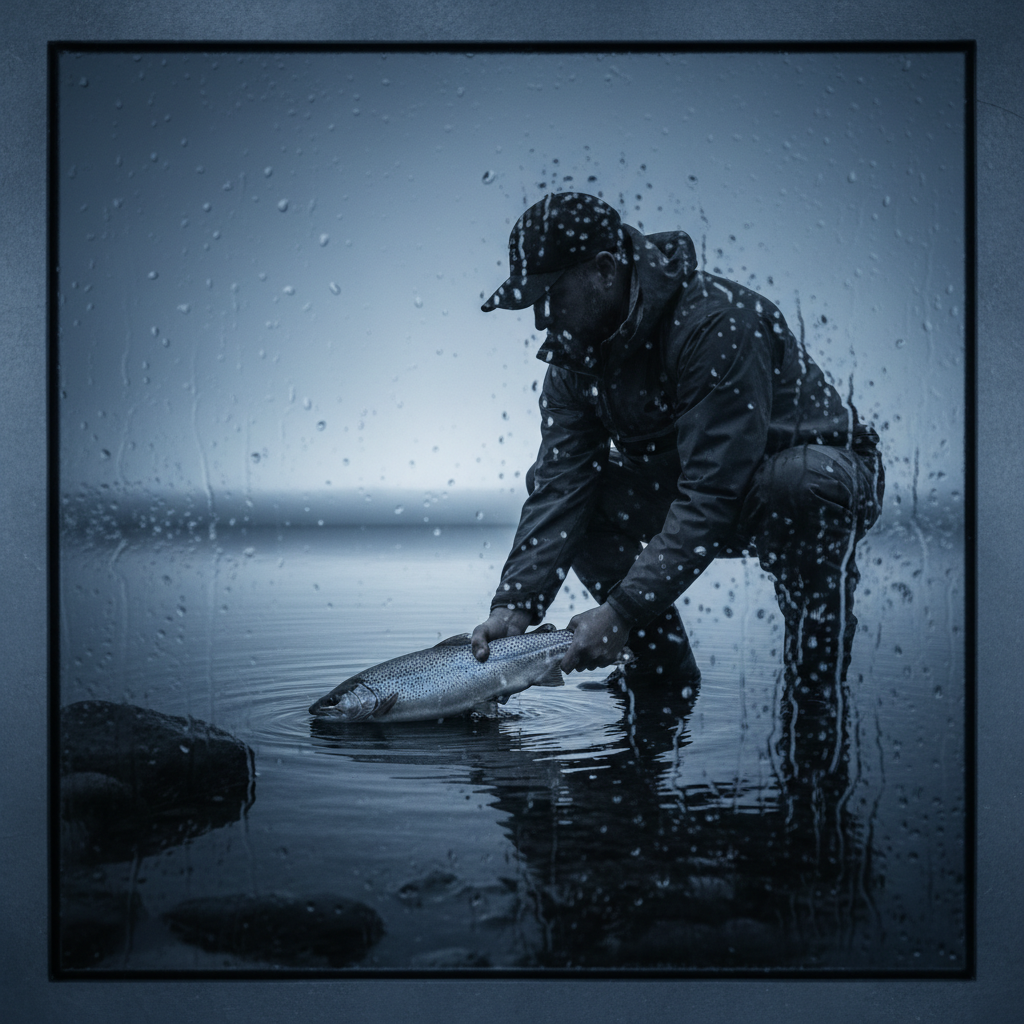
Ultimately, the silent mistake is a reminder that true success in angling, and in life, comes not from domination but from understanding and respect. By embracing the subtle nuances of the natural world, we not only become better anglers, but also more mindful and connected human beings. The quest for the perfect cast is worthwhile, but the quest for deeper understanding is what truly elevates the experience.