The Ghost in Your Tackle Box: Recognizing the Silent Hook Error
We’ve all been there. The thrill of the strike, the surge of adrenaline as a behemoth of the deep takes your bait, and then…nothing. The line goes slack, the weight vanishes, and you’re left reeling in emptiness, a bitter taste of defeat clinging to your palate. While many factors can contribute to a lost fish – a snapped line, a faulty reel, or a poorly tied knot – there’s one silent culprit that often goes unnoticed: the subtle, insidious error of a compromised hook.
A hook, seemingly the simplest piece of fishing tackle, is a marvel of engineering. Its design, honed over centuries, is a delicate balance of sharpness, strength, and shape, all working in harmony to secure a fish. But even the most meticulously crafted hook can fall prey to damage, wear, or manufacturing flaws that render it ineffective, turning what should be a triumphant catch into a heartbreaking “one that got away” story.
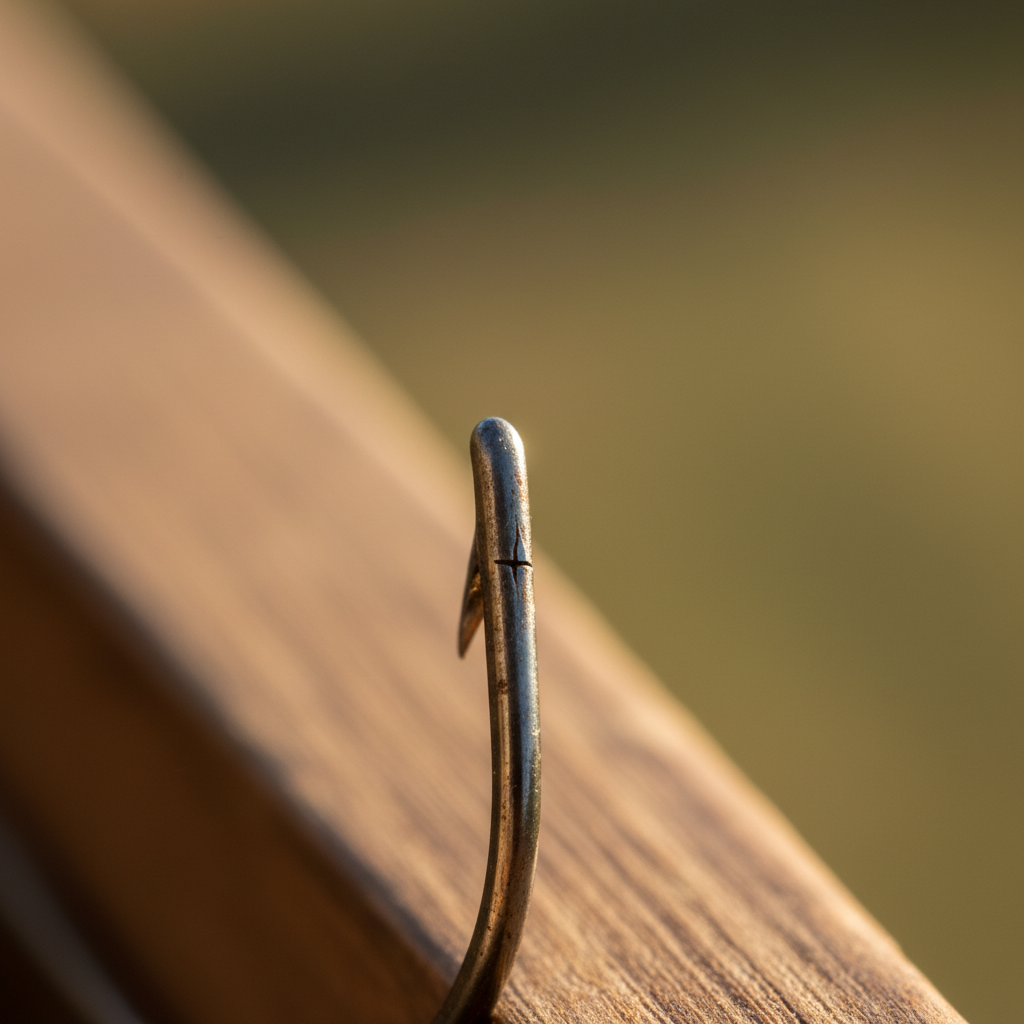
The problem is, this damage is often invisible to the naked eye. It’s not always a dramatic bend or a complete break. More often than not, it’s a microscopic crack, a dulled point, or a slight deformation that weakens the hook’s integrity just enough to allow a fish to escape. These silent errors are the ghosts in your tackle box, lurking unnoticed until they strike at the worst possible moment.
The Anatomy of a Hook and the Seeds of Failure
To understand how these silent errors occur, it’s crucial to understand the anatomy of a fishing hook and the stresses it endures. A typical hook consists of several key components:
- The Eye: The point where the line is attached. This area is subjected to tremendous pressure during a fight, especially when battling larger fish.
- The Shank: The straight portion of the hook, providing leverage and serving as the anchor point.
- The Bend: The curved section that transitions from the shank to the point. This area concentrates stress and is prone to bending or weakening.
- The Gap: The distance between the hook point and the shank. A properly sized gap is essential for effective hooksets.
- The Barb: The small, backward-facing projection that helps prevent the hook from dislodging.
- The Point: The sharpest part of the hook, responsible for penetrating the fish’s mouth. This is the most vulnerable area, susceptible to damage from rocks, debris, and even the fish itself.
Each of these components is susceptible to different types of damage. The eye can be weakened by improper knot tying, the shank can be bent by excessive force, the bend can be fatigued by repeated stress, and the point can be dulled or broken by contact with hard surfaces. Manufacturing flaws, such as inconsistencies in metal composition or improper heat treatment, can also compromise the hook’s overall strength and durability.
Consider, for example, a seemingly insignificant nick on the hook point. Under normal circumstances, this might seem like a minor cosmetic issue. However, when a fish strikes and the hook is driven into its mouth, that tiny nick can act as a stress concentrator, preventing the point from penetrating cleanly and deeply. This can result in a weak hookset, allowing the fish to throw the hook during the fight.
Or imagine a hook that has been repeatedly used and subjected to numerous battles. Over time, the metal in the bend can become fatigued, losing its elasticity and becoming more prone to bending. While the hook might still appear to be in good condition, it could fail under the strain of a particularly large fish, resulting in a lost trophy.
The Tell-Tale Signs: Detecting Hidden Hook Damage
So, how can you detect these silent hook errors before they cost you a fish of a lifetime? The key is to develop a habit of carefully inspecting your hooks before each fishing trip and after each catch. Here are some tell-tale signs to look for:
- Dull Point: This is the most common and easily detectable problem. A sharp hook should easily penetrate your fingernail with minimal pressure. If it slides across or requires significant force, it’s time to sharpen or replace the hook.
- Bent Point: Even a slight bend in the point can significantly reduce its penetration ability. Use a magnifying glass to carefully examine the point for any signs of distortion.
- Rust or Corrosion: Rust weakens the hook’s structural integrity and makes it more brittle. Discard any hooks that show signs of rust or corrosion.
- Cracks or Nicks: Examine the entire hook, especially the bend and the eye, for any cracks or nicks. These can be difficult to see with the naked eye, so use a magnifying glass and good lighting.
- Bent Shank: A bent shank indicates that the hook has been subjected to excessive force. Even if the bend is slight, it can weaken the hook and make it more prone to failure.
- Deformed Eye: The eye should be perfectly round and smooth. Any signs of deformation, such as a flattened or elongated shape, indicate that the hook has been stressed and may be weakened.
- Barb Damage: Ensure the barb is intact and sharp. A broken or dulled barb will reduce the hook’s ability to hold the fish.
In addition to visual inspection, you can also perform a simple “flex test” to assess the hook’s strength. Hold the hook securely and gently bend it slightly. A healthy hook should spring back to its original shape. If it bends easily or remains deformed, it’s time to replace it.
Remember, even if a hook appears to be in good condition, it’s always best to err on the side of caution. If you have any doubts about a hook’s integrity, discard it. The cost of a new hook is far less than the cost of losing a trophy fish.
Prevention is Key: Minimizing Hook Damage
While detecting existing hook damage is important, preventing it in the first place is even more crucial. Here are some tips to minimize hook damage and extend the life of your tackle:
- Use High-Quality Hooks: Invest in reputable brands that use high-quality materials and manufacturing processes. While they may be more expensive, they will ultimately last longer and perform better.
- Store Hooks Properly: Store your hooks in a dry, rust-proof container. Avoid storing them loose in your tackle box, where they can rub against other objects and become damaged.
- Use Appropriate Hooks for the Target Species: Using a hook that is too small or too weak for the target species can lead to bent or broken hooks.
- Avoid Fishing in Rocky Areas: Fishing in areas with a lot of rocks and debris can quickly dull or damage your hooks. If you must fish in these areas, use heavier hooks and check them frequently.
- Sharpen Hooks Regularly: Keep your hooks sharp by using a hook sharpener. This will not only improve your hookset ratio but also help to remove minor imperfections that can lead to further damage.
- Replace Hooks After Catching Large Fish: After landing a particularly large or powerful fish, it’s a good idea to replace the hook, even if it appears to be in good condition. The stress of the fight can weaken the hook’s metal and make it more prone to failure in the future.
- Check Hooks After Snags: Getting snagged on a rock or other underwater obstacle can put a lot of stress on your hook. Always check your hook carefully after a snag to ensure it hasn’t been bent or damaged.
By following these simple tips, you can significantly reduce the risk of hook damage and increase your chances of landing your dream fish.
Case Studies: The Cost of a Compromised Hook
To illustrate the importance of hook maintenance, consider these real-life examples:
Case Study 1: The Lost Muskie. A seasoned muskie angler was fishing a local lake known for its trophy-sized fish. He had been using the same set of lures for years, without ever bothering to check the hooks. One day, he hooked into a massive muskie, easily the largest he had ever encountered. The fight was intense, with the fish making several powerful runs. Just as he was about to bring the fish to the net, the hook suddenly straightened out, and the muskie disappeared into the depths. Upon inspection, he discovered that the hook had been weakened by years of use and neglect. The small cost of replacing the hooks would have saved him a fish of a lifetime.
Case Study 2: The Broken Bonefish. A saltwater fly fisherman was targeting bonefish on a remote Caribbean island. He had carefully selected his flies and leaders, but he overlooked one crucial detail: the sharpness of his hooks. After several hours of fishing, he finally hooked into a large bonefish. The fish took off on a blistering run, and the angler fought it skillfully. However, the hook failed to penetrate properly, and the fish eventually threw the hook. Upon closer examination, he realized that the hook point was slightly dulled from rubbing against the bottom of his fly box. A few seconds spent sharpening the hook would have made all the difference.
Case Study 3: The Snapped Salmon Hook. An angler was salmon fishing in Alaska, using a high-quality spinning rod and reel. He hooked into a large king salmon, and the fight was on. However, after a few minutes, the hook suddenly snapped, and the fish was gone. Upon inspection, he discovered a tiny crack in the hook’s shank, likely caused by a manufacturing defect. While he couldn’t have prevented the defect, he could have potentially detected it during a pre-fishing inspection.
These case studies highlight the devastating consequences of neglecting hook maintenance. A seemingly insignificant flaw in a hook can be the difference between a successful catch and a heartbreaking loss.
Beyond the Hook: Other Tackle Considerations
While the hook is undoubtedly the most critical point of contact between you and the fish, it’s important to remember that it’s just one component of a larger system. The line, the leader, the knot, and the rod all play a crucial role in ensuring a successful hookset and landing. Therefore, it’s essential to pay attention to the condition of all your tackle, not just the hooks.
For example, a frayed or weakened line can snap under the strain of a large fish, even if the hook is perfectly sharp and strong. Similarly, a poorly tied knot can slip or break, resulting in a lost fish. And a rod that is too stiff or too soft can make it difficult to set the hook properly.
Therefore, it’s essential to inspect your line regularly for any signs of wear or damage, retie your knots frequently, and choose a rod that is appropriate for the target species and the fishing conditions. By paying attention to all aspects of your tackle, you can minimize the risk of equipment failure and increase your chances of landing your dream fish.
Hook Sharpening: A Lost Art Rediscovered
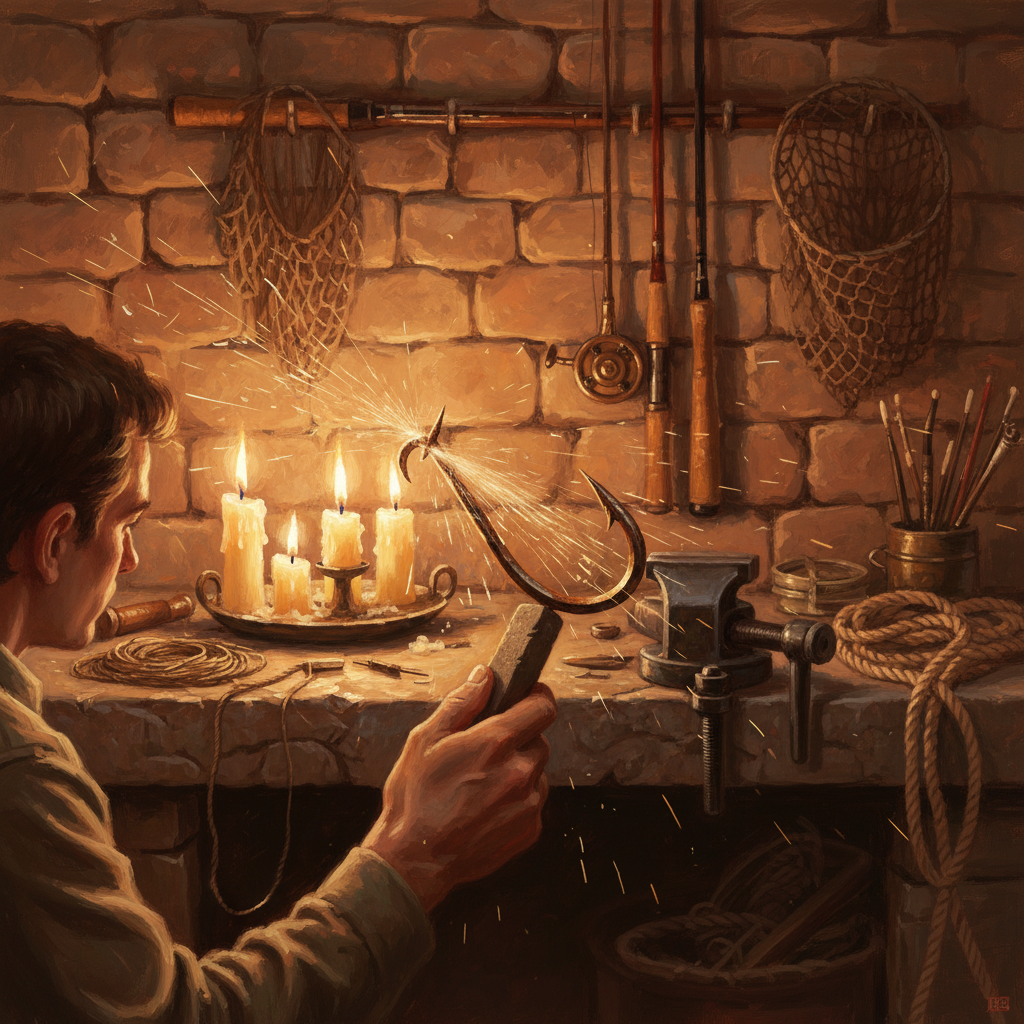
In the age of mass-produced, inexpensive hooks, the art of hook sharpening has become somewhat neglected. Many anglers simply discard dull hooks and replace them with new ones. However, sharpening your hooks is not only a cost-effective way to extend their lifespan, but it can also significantly improve your hookset ratio.
A properly sharpened hook will penetrate the fish’s mouth with minimal resistance, resulting in a faster, more secure hookset. This is especially important when fishing for species with tough mouths, such as bass or walleye. Hook sharpening is a skill that every serious angler should master.
There are many different types of hook sharpeners available, ranging from simple files to sophisticated diamond hones. The key is to choose a sharpener that is appropriate for the type of hook you are using and to use it correctly. When sharpening a hook, it’s important to maintain the original angle of the point and to avoid creating any flat spots or burrs. With a little practice, you can easily restore your dull hooks to like-new sharpness.
The Ethical Angler: Hook Considerations for Conservation
Beyond the practical benefits of hook maintenance, there are also ethical considerations to keep in mind. As anglers, we have a responsibility to minimize our impact on the environment and to treat the fish we catch with respect. Using sharp, well-maintained hooks is an important part of that responsibility.
Dull or damaged hooks can cause unnecessary injury to fish, increasing the risk of infection and mortality. By using sharp hooks, we can ensure that the fish are hooked cleanly and quickly, minimizing their stress and suffering. In addition, using barbless hooks can make it easier to release fish unharmed.
Furthermore, responsible hook disposal is crucial for protecting wildlife and the environment. Discarded hooks can pose a hazard to birds, animals, and other anglers. Always dispose of used hooks properly, preferably in a designated sharps container or a sealed container that can be safely discarded.
By adopting ethical angling practices, we can help to ensure the long-term sustainability of our fisheries and to preserve the natural beauty of our waterways for future generations.
Embrace the Details: The Pursuit of Angling Excellence
In the grand tapestry of angling, the seemingly small detail of hook maintenance is interwoven with the larger threads of skill, knowledge, and respect for the natural world. Mastering these details – from identifying subtle hook damage to diligently sharpening your points – elevates you from a casual fisherman to a truly accomplished angler.
It’s about more than just catching fish; it’s about understanding the delicate balance of the ecosystem, honing your skills to perfection, and embracing the challenge of outsmarting some of nature’s most elusive creatures. It’s a journey of continuous learning and refinement, where every cast, every knot, and every hook inspection contributes to your growth as an angler.

So, the next time you reach for your tackle box, take a moment to appreciate the humble hook. Inspect it carefully, sharpen it diligently, and treat it with the respect it deserves. For within that small piece of metal lies the potential for unforgettable battles, breathtaking catches, and a deeper connection with the art of angling.
Are you prepared to elevate your angling game and banish those silent hook errors from your tackle box? The rewards – both tangible and intangible – are well worth the effort. The next big fish you hook could be the one you’ve been waiting for, and a perfectly maintained hook is your best guarantee of bringing it to the net. So, sharpen your hooks, sharpen your senses, and get ready to experience the thrill of angling at its finest.