The Unspoken Language of Angling: Beyond Rod and Reel
Fishing, at its heart, is far more than a mere sport or a means of procuring sustenance. It’s a dialogue—a silent conversation between angler and environment, a subtle dance of understanding and anticipation. While sophisticated gear and cutting-edge techniques certainly play a role, the true essence of successful angling lies in the often-overlooked art of observation and intuition; the silent guidance that secures the catch.
We often get caught up in the technicalities: the perfect lure, the ideal line weight, the most advanced sonar technology. But have you ever stopped to consider the wisdom whispered by the wind rustling through the reeds, or the story etched in the rippling surface of the water? These are the subtle cues that separate the casual fisherman from the seasoned angler, the one who merely hopes for a bite from the one who understands the intricate rhythm of the aquatic world.
The Symphony of the Senses: Tuning into the Environment
Imagine yourself standing at the edge of a serene lake, the first rays of dawn painting the sky in hues of gold and crimson. What do you see? Beyond the picturesque scene, what are you truly observing? Is there a subtle dimpling on the water’s surface, indicating the presence of feeding fish? Are there dragonflies darting above a particular patch of weeds, suggesting an abundance of insects – and therefore, potential prey?
A truly attuned angler doesn’t just look; they see. They listen to the subtle splashes and the calls of birds, each sound a potential clue to the whereabouts of their quarry. They feel the air temperature and the direction of the wind, understanding how these factors influence the behavior of fish. It’s a holistic approach, engaging all the senses to create a comprehensive understanding of the environment.
Consider the example of a fly fisherman carefully selecting a dry fly pattern. He doesn’t simply choose a fly that looks appealing in the fly box. He observes the insects hatching on the water’s surface, paying close attention to their size, color, and behavior. He then selects a fly that closely imitates these natural insects, increasing his chances of fooling a wary trout. This is not just about using the right equipment; it’s about understanding the subtle nuances of the ecosystem.
Decoding the Water’s Secrets: Reading the Currents and Structure
The water itself holds a wealth of information for those who know how to read it. Currents, depth changes, submerged structures – all these elements influence the movement and behavior of fish. A skilled angler can decipher these clues to pinpoint the most likely holding spots.
For instance, a bend in a river often creates a deeper pool where fish can find refuge from the current. A submerged log or rock pile provides cover from predators and a place to ambush prey. By understanding these basic principles, you can significantly increase your chances of success. Think of it as learning the language of the river, understanding its grammar and syntax to predict where the fish are most likely to be found.
A case study: a bass fisherman consistently outfished his companions on a local lake. His secret wasn’t a fancy boat or expensive lures; it was his meticulous approach to mapping the lake’s bottom structure using a simple depth finder. He identified submerged humps, drop-offs, and weed beds – areas that held concentrations of bass. By targeting these specific locations, he consistently landed larger and more numerous fish.

The Intuitive Angler: Honing Your Instincts
Beyond observation and analysis lies the realm of intuition – that elusive gut feeling that guides us towards success. While it may seem mystical, intuition is often the result of accumulated experience and subconscious processing of information. The more time you spend on the water, the more attuned you become to the subtle cues that trigger those instinctive hunches.
Have you ever had the feeling that a particular spot just “felt right,” even though you couldn’t logically explain why? Or perhaps you’ve instinctively changed your lure or technique, just moments before hooking a fish? These are examples of intuition at work, your subconscious mind drawing on past experiences to guide your actions.
Trusting Your Gut: When to Deviate from the Plan
Sometimes, the best decision you can make is to abandon your carefully crafted plan and trust your gut instinct. Perhaps the weather changes unexpectedly, or you notice a sudden shift in fish activity. In these situations, it’s crucial to be flexible and willing to adapt. Don’t be afraid to experiment with different lures, techniques, or locations, even if they seem unconventional.
A story comes to mind of a saltwater angler who was targeting striped bass on a rocky coastline. He had been fishing the same spot for hours with no success, using the same lure that had worked well in the past. Suddenly, he had a feeling that he should try something different. He switched to a smaller, more subtle lure and cast it into a different area, near a submerged kelp bed. Within minutes, he hooked a large striped bass. He couldn’t explain why he had made the change, but his intuition had led him to success.
The Mind-Body Connection: Cultivating Inner Calm
Fishing is often described as a meditative activity, a chance to escape the stresses of daily life and connect with nature. But the benefits extend beyond mere relaxation. Cultivating inner calm and focus can actually enhance your angling skills. When you’re relaxed and present in the moment, you’re more likely to notice subtle cues and make better decisions.
Think of it as clearing the mental clutter, allowing your subconscious mind to work more effectively. By quieting the internal chatter, you can tap into your intuition and enhance your awareness of the surrounding environment. This can lead to a deeper understanding of fish behavior and ultimately, greater success on the water.
A practical example: practicing mindfulness techniques such as deep breathing or visualization can help you stay calm and focused, especially during challenging fishing conditions. Before casting, take a few moments to center yourself, visualize the fish you’re targeting, and imagine the lure moving through the water. This can help you improve your concentration and increase your chances of success.

The Art of Patience: Embracing the Waiting Game
Patience is a virtue, especially in fishing. There will be days when the fish simply aren’t biting, no matter how skilled or experienced you are. In these situations, it’s crucial to remain patient and persistent. Don’t get discouraged by a lack of immediate results; instead, focus on refining your technique and learning from your mistakes.
The seasoned angler understands that fishing is not just about catching fish; it’s about enjoying the process, appreciating the beauty of nature, and challenging oneself to improve. Each cast, each retrieve, each moment spent on the water is an opportunity to learn and grow. By embracing the waiting game, you can develop a deeper appreciation for the sport and increase your chances of long-term success.
Learning from Failure: Turning Setbacks into Opportunities
Every angler experiences setbacks, whether it’s losing a trophy fish, getting skunked on a promising trip, or making a costly mistake. The key is to learn from these experiences and use them as motivation to improve. Don’t dwell on your failures; instead, analyze what went wrong and identify areas where you can improve your technique, strategy, or equipment.
Consider the story of a competitive bass fisherman who consistently struggled to perform well in tournaments. He analyzed his past performances and realized that he was often too aggressive, trying to force bites when the fish weren’t actively feeding. He learned to slow down his presentation, be more patient, and focus on presenting his lure in a more natural and enticing way. As a result, his tournament results improved significantly.
The Long Game: Building a Legacy of Angling Wisdom
Fishing is a lifelong pursuit, a journey of continuous learning and discovery. The more time you spend on the water, the more you’ll learn about fish behavior, aquatic ecosystems, and the subtle nuances of angling. Over time, you’ll develop a deep understanding of the sport that extends far beyond the technical aspects. You’ll become a steward of the environment, a mentor to aspiring anglers, and a guardian of the traditions that make fishing so special.
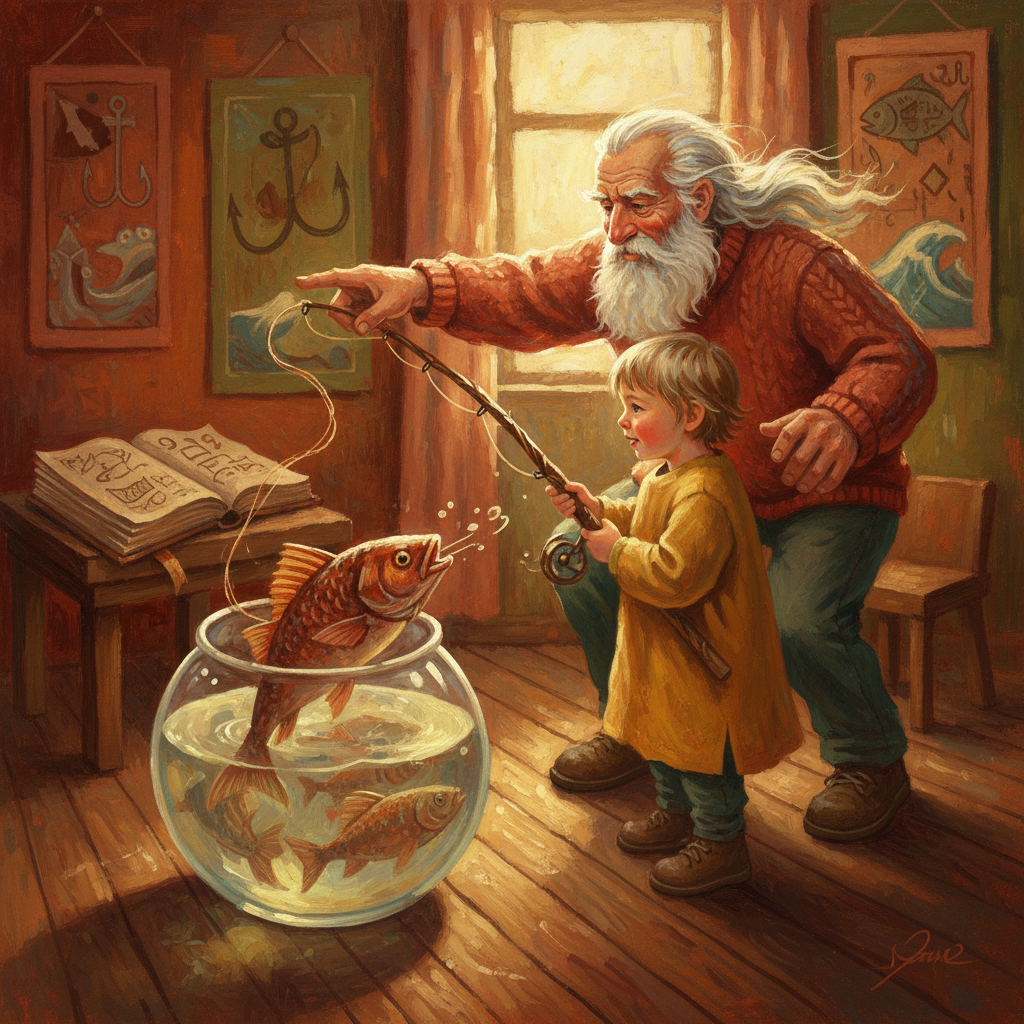
Think of the legendary anglers who have dedicated their lives to the sport, sharing their knowledge and passion with generations of fishermen. They are not just skilled anglers; they are storytellers, conservationists, and ambassadors for the sport. Their legacy extends far beyond the fish they’ve caught; it’s a legacy of wisdom, stewardship, and a deep connection to the natural world.
Beyond the Catch: The True Rewards of Angling
While the thrill of landing a fish is undoubtedly a rewarding experience, the true rewards of angling extend far beyond the catch. Fishing offers a chance to connect with nature, escape the stresses of daily life, and challenge oneself both mentally and physically. It’s a sport that can be enjoyed by people of all ages and abilities, providing a lifetime of enjoyment and personal growth.
The memories created on the water – the breathtaking sunrises, the camaraderie with fellow anglers, the sense of accomplishment after landing a challenging fish – these are the treasures that truly define the angling experience. These are the stories that will be shared and cherished for years to come, forming a lasting legacy of angling wisdom and a deep appreciation for the natural world.
The Conservation Ethic: Protecting Our Aquatic Resources
As anglers, we have a responsibility to protect the aquatic resources that we enjoy. This includes practicing catch and release, minimizing our impact on the environment, and supporting conservation efforts. By adopting a conservation ethic, we can ensure that future generations will have the opportunity to experience the joys of fishing.
Consider the importance of responsible fishing practices, such as using barbless hooks, avoiding spawning areas, and properly disposing of fishing line. These simple actions can make a significant difference in protecting fish populations and maintaining the health of aquatic ecosystems. By being mindful of our impact, we can ensure that the sport of fishing remains sustainable for years to come.
A final thought: supporting organizations dedicated to conservation and habitat restoration is another crucial step in protecting our aquatic resources. By contributing our time, money, or expertise, we can help these organizations achieve their goals and ensure that future generations will have access to healthy and thriving fisheries.

Ultimately, the silent guidance that secures the catch is not found in the latest technology or the most expensive gear. It resides within us, in our ability to observe, to learn, to adapt, and to connect with the natural world. It’s a journey of continuous learning and discovery, a lifelong pursuit that offers endless opportunities for personal growth and a deeper appreciation for the beauty and wonder of our aquatic ecosystems. So, the next time you’re on the water, take a moment to silence the noise, tune into the subtle cues, and let the unspoken language of angling guide your way. You might be surprised at what you discover.