The Unspoken Language of the River
Fishing, at its core, is a conversation. Not with words, but with currents, with light, with the very essence of life pulsing beneath the water’s surface. It’s a dialogue conducted in the language of patience, observation, and a profound respect for the silence. That silence isn’t empty; it’s pregnant with information, a subtle symphony of natural cues that, when properly interpreted, can lead to that moment of connection – the strike.
But how do we learn to speak this language? How do we decipher the whispers of the wind, the glint of scales beneath the surface, the almost imperceptible shift in the river’s flow that betrays the presence of a predator? It begins, perhaps counterintuitively, with embracing the silence, not as an absence of sound, but as a space for listening with every fiber of our being.
In our modern world, saturated with noise and distractions, the ability to truly listen has become a rare and precious skill. We are bombarded with information, constantly pulled in a thousand different directions, our minds racing from one task to the next. Fishing, however, demands a different kind of attention – a focused, deliberate awareness that cuts through the clutter and allows us to perceive the subtle nuances of our surroundings. This is where the “silence that makes the fish make the first mistake” originates; a space of clarity that allows us to anticipate and capitalize on the fish’s vulnerability.
Beyond the Noise: Cultivating Inner Stillness
The first step in mastering the art of silent fishing is cultivating inner stillness. This doesn’t mean meditating for hours on end (although that certainly wouldn’t hurt!), but rather developing a capacity for mindful presence in the moment. It’s about consciously choosing to quiet the internal chatter, to let go of anxieties and expectations, and to simply be present with the river, the lake, the ocean, whatever body of water you find yourself on.
Think of it like tuning a radio. When the dial is off, all you hear is static. But as you slowly turn the dial, you begin to pick up faint signals, gradually filtering out the noise until you arrive at a clear, strong connection. Similarly, by quieting the internal noise, we can tune into the subtle frequencies of the natural world, allowing us to receive the information that the fish are constantly broadcasting, albeit in a language we often fail to understand.
This inner stillness also translates into physical stillness. Jerky movements, loud noises, and even strong vibrations can spook fish, alerting them to your presence and sending them fleeing for cover. A slow, deliberate approach, coupled with a conscious effort to minimize noise, is essential for success. This is especially true in clear water or when fishing in shallow areas, where fish are more easily disturbed.

Reading the Water: Deciphering the Code
Once we’ve cultivated inner stillness, we can begin to focus on reading the water. This involves observing the currents, the structure, and the subtle signs of fish activity. Each ripple, each eddy, each shadow tells a story, revealing clues about the fish’s location, feeding habits, and behavior.
Understanding the Currents: Currents are the lifeblood of a river, carrying food and oxygen to the fish. Fish often congregate in areas where currents converge or where there is a change in velocity, such as behind rocks or logs. These areas provide both shelter and a constant supply of food. Learning to identify these “sweet spots” is crucial for consistently finding fish.
Interpreting Structure: Structure refers to any physical feature that disrupts the flow of water, such as rocks, logs, weed beds, or drop-offs. These features provide cover for fish, protecting them from predators and providing ambush points for feeding. Fish often relate to structure, using it as a base of operations from which to launch their attacks. By understanding how fish use structure, we can effectively target our presentations to increase our chances of success.
Recognizing Subtle Signs: In addition to currents and structure, there are other subtle signs that can indicate the presence of fish. These include rising fish (fish feeding on insects at the surface), boils (sudden disturbances on the surface caused by fish feeding below), and the presence of baitfish. Paying attention to these signs can help us pinpoint the location of fish and adjust our tactics accordingly.
Case Study: The Quiet Observer and the Elusive Brown Trout
I once spent a week fishing a notoriously challenging stretch of river known for its large, wary brown trout. Most anglers who fished this river relied on aggressive tactics, throwing large streamers and ripping them through the water with reckless abandon. While this approach occasionally produced results, it often spooked the fish and left them even more difficult to catch.
I decided to take a different approach. I spent the first few days simply observing the river, watching the currents, studying the structure, and paying attention to the subtle signs of fish activity. I noticed that the largest trout were consistently holding in a deep pool behind a large boulder, where the current was slow and steady. They were rarely visible, but I could occasionally see them flash as they darted out to intercept a drifting insect.
Instead of casting blindly into the pool, I carefully positioned myself upstream, taking care to minimize my movements and avoid making any noise. I tied on a small nymph pattern that closely resembled the insects I had observed drifting in the current. I then made a long, delicate cast, allowing the nymph to drift naturally into the pool. As the nymph drifted past the boulder, I felt a subtle tug on the line. I set the hook gently, and the fight was on. After a tense battle, I landed a beautiful, wild brown trout, a testament to the power of patience and observation.
The Art of Presentation: Subtlety and Deception
Once we’ve located the fish and understood their behavior, the next step is to present our offering in a way that is both enticing and convincing. This requires a delicate balance of subtlety and deception, using our knowledge of the fish’s senses and instincts to our advantage.
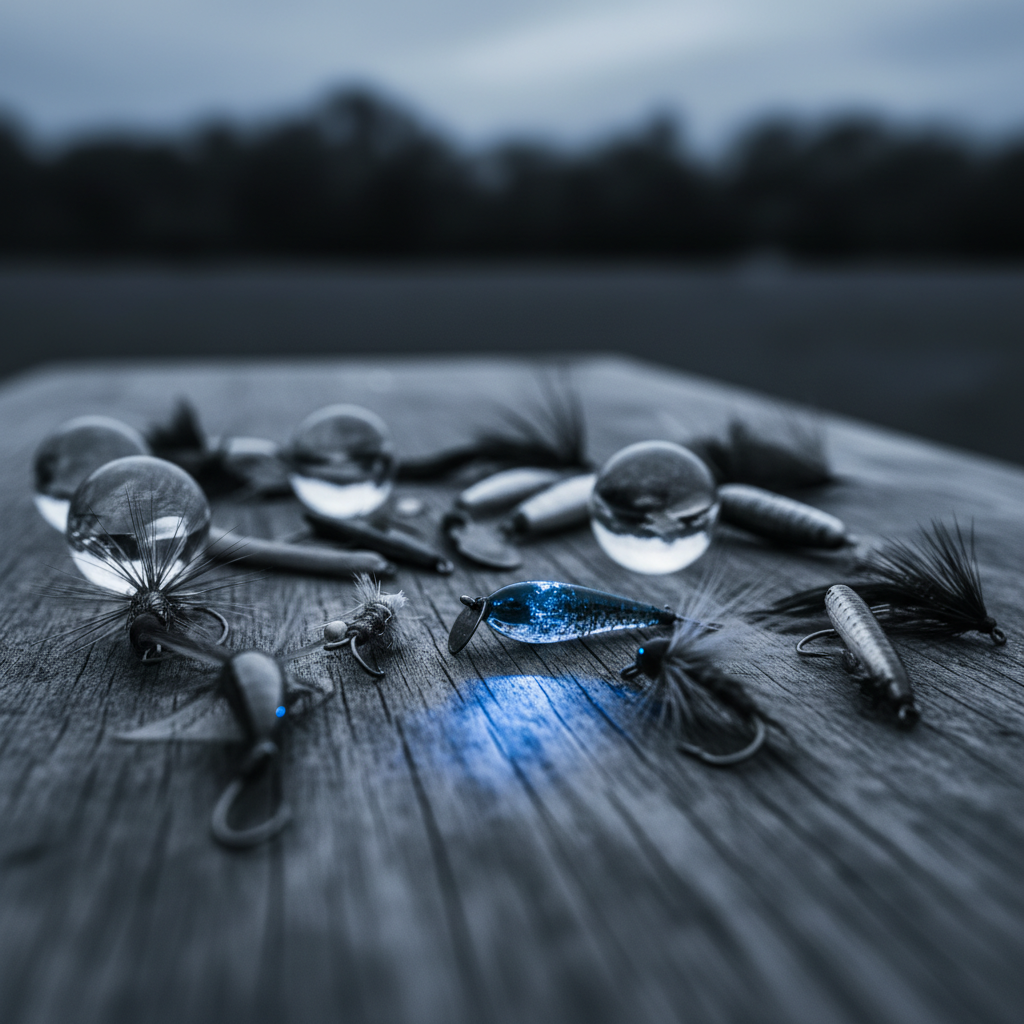
Matching the Hatch: “Matching the hatch” refers to the practice of selecting a lure or fly that closely resembles the natural food source that the fish are currently feeding on. This is particularly important when fishing for trout, which are notoriously selective feeders. By carefully observing the insects that are present in the water and selecting a fly that matches their size, shape, and color, we can significantly increase our chances of success.
Presenting with Finesse: In addition to matching the hatch, it’s also important to present our offering with finesse. This means using a delicate cast, a natural drift, and a subtle retrieve. Avoid making jerky movements or creating unnecessary noise. The goal is to make our offering appear as natural and lifelike as possible.
Understanding Fish Senses: Fish rely on a variety of senses to locate and identify food, including sight, smell, hearing, and vibration. By understanding how these senses work, we can tailor our presentations to appeal to the fish’s specific sensory preferences. For example, when fishing in murky water, we might choose a lure that emits vibrations or a strong scent to help the fish locate it.
Beyond Technique: The Mindset of the Silent Angler
Ultimately, the art of silent fishing extends beyond technique. It’s about cultivating a mindset of humility, respect, and a deep connection to the natural world. It’s about recognizing that we are not in control, that the fish are not ours to take, and that our success depends on our ability to adapt to the ever-changing conditions of the river.
A silent angler understands that fishing is not just about catching fish; it’s about the experience, the journey, the opportunity to connect with nature in a meaningful way. It’s about the quiet moments of contemplation, the breathtaking beauty of the landscape, and the sense of accomplishment that comes from overcoming a challenge.
It’s a mindset that fosters patience, resilience, and a deep appreciation for the delicate balance of the ecosystem. It’s a mindset that allows us to approach fishing not as a competition, but as a partnership, a dance between angler and fish, a silent conversation conducted in the language of respect and understanding.
The Ethics of Silence: Respecting the Resource
The silence we cultivate in fishing should extend to our actions and our impact on the environment. This means practicing catch and release whenever possible, minimizing our use of harmful chemicals, and respecting the natural habitat. It also means being mindful of other anglers and sharing the resource responsibly.
Overfishing, pollution, and habitat destruction are all serious threats to fish populations around the world. As anglers, we have a responsibility to be stewards of the resource, protecting it for future generations. This requires a commitment to sustainable fishing practices and a willingness to advocate for policies that protect our waterways.
True silence, in this context, is the silence of respect, the silence of non-interference, the silence of allowing nature to thrive without our intrusive presence. It’s the understanding that our enjoyment of the sport depends on the health and vitality of the ecosystem, and that we must do our part to ensure its long-term survival.
The Ripple Effect: Sharing the Silent Wisdom
The lessons we learn through silent fishing can extend far beyond the riverbank. The ability to focus, to listen deeply, and to cultivate inner stillness are valuable skills in all aspects of life. By practicing these skills in the context of fishing, we can develop a greater sense of awareness, empathy, and connection to the world around us.
We can also share this wisdom with others, teaching them the importance of respecting nature, of appreciating the beauty of silence, and of finding peace and tranquility in the outdoors. By sharing our passion for fishing and our commitment to conservation, we can inspire others to become stewards of the resource and to protect our waterways for future generations.

Beyond Catching: The Deeper Meaning of the Mistake
Let’s return to the idea of the “silence that makes the fish make the first mistake.” It’s a poetic notion, but what does it truly mean? It’s not just about tricking a fish into biting. It’s about creating an environment, both internal and external, where the fish feels comfortable enough to let its guard down. It’s about understanding its needs, its fears, its instincts, and presenting something that momentarily overcomes its inherent caution.
That “mistake” is a moment of vulnerability, a fleeting lapse in judgment that allows us to connect with the fish. But it’s also a reminder of our own vulnerabilities, our own moments of weakness, our own susceptibility to deception. In a way, the fish’s mistake is a mirror, reflecting back our own human condition.
And perhaps, the greatest lesson of silent fishing is not about catching more fish, but about understanding ourselves better. It’s about recognizing our own limitations, our own biases, and our own capacity for both good and evil. It’s about striving to be more mindful, more compassionate, and more connected to the natural world.
It’s about recognizing that the silence is not just an absence of sound, but a presence, a powerful force that can connect us to something larger than ourselves. It’s about learning to listen to that silence, to trust its wisdom, and to allow it to guide us on our journey, both on and off the water.
The Enduring Legacy: A Fisherman’s Silence
The legacy of a silent angler isn’t measured in pounds of fish caught, but in the ripples they create – the impact they have on the environment, the inspiration they provide to others, and the wisdom they carry within.
It’s a legacy of respect, of humility, and of a deep connection to the natural world. It’s a legacy that transcends the sport of fishing and extends to all aspects of life. It’s a legacy of silence, not as an absence of voice, but as a powerful force for change, a catalyst for understanding, and a pathway to a more meaningful existence.

So, the next time you find yourself on the water, take a moment to embrace the silence. Listen to the whispers of the wind, the murmur of the currents, and the subtle cues of the natural world. Let go of your expectations, quiet your mind, and simply be present in the moment. You might just be surprised at what you discover, not just about the fish, but about yourself.