The Whispers of Wild Water
There’s a certain kind of silence you can only find when you’re miles from civilization, standing knee-deep in a river, the only sounds the gentle rush of water and the calls of unseen birds. It’s not an empty silence, but a rich, resonant quiet filled with the whispers of the wild. It’s a silence that speaks volumes, a silence that teaches.
Fishing, for me, isn’t just about catching fish. It’s about escaping the relentless noise of modern life and immersing myself in that profound silence. It’s about reconnecting with something primal, something deep within myself that gets lost in the daily grind. It’s about learning to listen, not just to the sounds of nature, but to the quiet voice within.
Have you ever noticed how the world seems to shrink when you’re glued to your phone? How your focus narrows to the small screen in your hand, blocking out everything else? Fishing is the antidote to that. It forces you to look up, to observe, to truly see the world around you. The dance of light on the water, the subtle shift in the wind, the flash of a fish breaking the surface – these are the things that capture your attention and pull you into the present moment.
Beyond the Catch: A Deeper Connection
We often measure success by tangible outcomes – a promotion at work, a new car, a bigger house. But what about the intangible things, the things that truly nourish the soul? What about peace, clarity, and a sense of connection to something larger than yourself?
Fishing offers all of these in abundance. It teaches patience, resilience, and the importance of observation. You learn to read the water, to understand the habits of the fish, to anticipate their movements. It’s a constant learning process, a humbling reminder that you’re not in control, that you’re just a small part of a much larger ecosystem.
I remember one trip in particular, a solo expedition to a remote lake nestled high in the mountains. The fishing was tough. For days, I cast my line without a single bite. Frustration started to creep in. Doubts began to surface. Was I wasting my time? Should I just pack up and go home?
But then, one evening, as the sun dipped below the horizon and the sky exploded in a riot of color, I finally felt a tug on my line. It was a small trout, but the feeling of accomplishment was immense. It wasn’t just about catching the fish; it was about overcoming the challenge, about persevering in the face of adversity. It was about proving to myself that I had what it takes to succeed, even when the odds were stacked against me.
The Art of Stillness
In our fast-paced world, stillness is often seen as a weakness. We’re constantly bombarded with messages that tell us to be busy, to be productive, to be constantly striving for more. But true strength lies in the ability to be still, to be present, to simply be.
Fishing is an exercise in stillness. It requires you to slow down, to quiet your mind, to focus on the task at hand. It’s a form of meditation, a way to escape the endless chatter of your thoughts and find a sense of inner peace. When you’re focused on the subtle movements of your line, the gentle ripple of the water, there’s no room for anxiety, no room for stress. There’s only the present moment, and the quiet joy of being alive.

The Lessons of the River
The river is a constant teacher. It teaches you about patience, about persistence, about the interconnectedness of all things. It teaches you that sometimes you have to let go, that sometimes you have to accept what you can’t control.
I’ve learned more about life from the river than I ever learned in a classroom. I’ve learned that success isn’t always about catching the biggest fish, but about the journey, about the experiences, about the memories you create along the way. I’ve learned that failure is just a part of the process, that every setback is an opportunity to learn and grow.
Think about the flow of a river. It never stops, it never stagnates. It’s constantly moving, constantly changing, adapting to the terrain, overcoming obstacles. It’s a powerful metaphor for life. We all face challenges, we all encounter setbacks, but the key is to keep moving forward, to keep learning, to keep growing.
Embracing the Unknown
One of the most valuable lessons fishing has taught me is the importance of embracing the unknown. You never know what you’re going to catch, you never know what challenges you’re going to face. But that’s part of the adventure. It’s about stepping outside of your comfort zone, about taking risks, about trusting your instincts.
There’s a certain thrill that comes with casting your line into the unknown, with wondering what lies beneath the surface. Will you catch a trophy fish? Will you get skunked? The uncertainty is part of the allure. It’s a reminder that life is full of surprises, that anything is possible.
I remember one time I was fishing in a small stream that I had never fished before. I had no idea what to expect. I spent hours casting my line, trying different techniques, but nothing seemed to work. Just as I was about to give up, I decided to try one last spot, a deep pool hidden beneath a tangle of trees. On my first cast, I hooked into a massive brown trout, the biggest I had ever caught. It was a moment of pure exhilaration, a reminder that sometimes the greatest rewards come when you least expect them.
The Solitude and the Connection
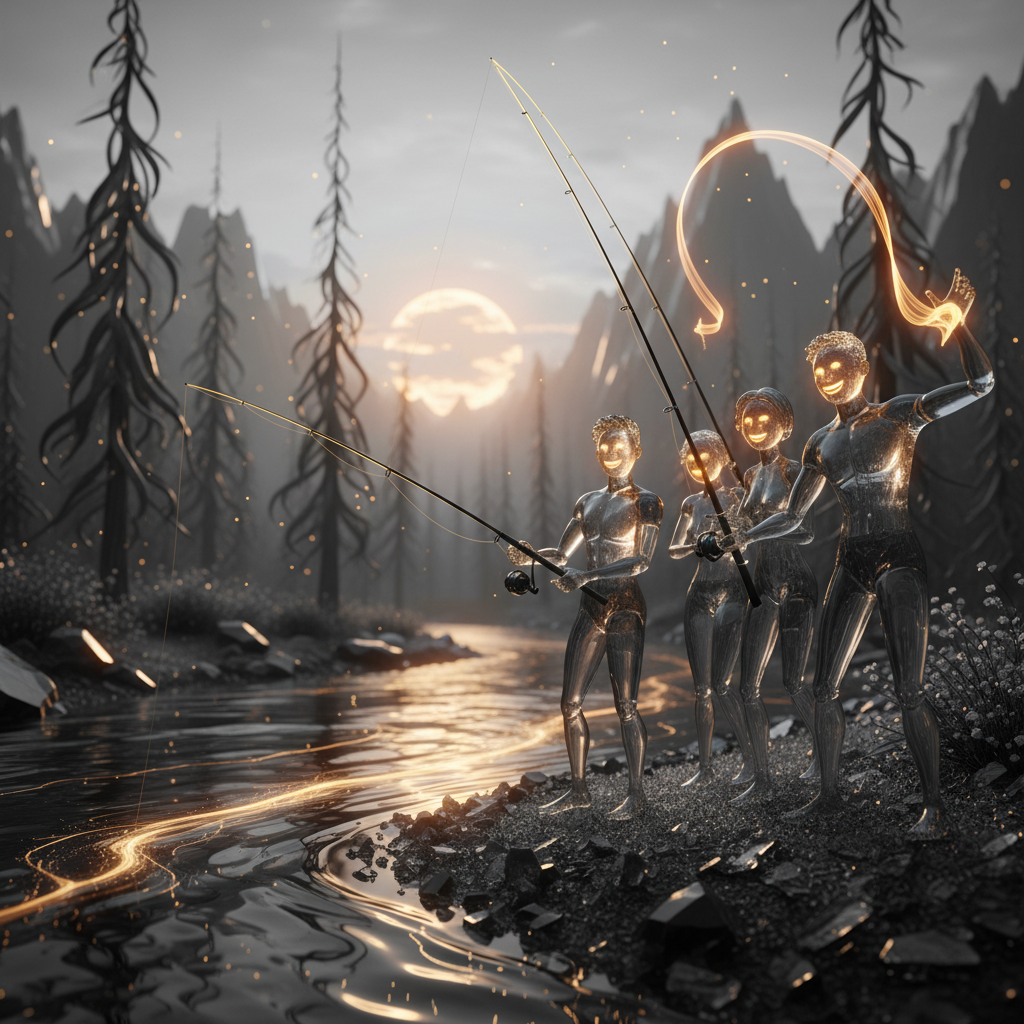
Paradoxically, fishing can be both a solitary and a deeply connecting experience. You can spend hours alone, immersed in your own thoughts, but you’re also connected to something larger than yourself, to the natural world, to the generations of anglers who have come before you.
There’s a certain camaraderie among fishermen, a shared understanding of the passion and the challenges that come with the sport. I’ve met some of my closest friends on the river, people from all walks of life who share a common love of fishing. We may have different backgrounds, different beliefs, but we’re united by our connection to the water and the fish that swim within it.
Have you ever shared a fishing story with someone? The way their eyes light up as they recount a memorable catch, the way they describe the beauty of the landscape, the way they express their passion for the sport? It’s a powerful connection, a reminder that we’re all part of something bigger than ourselves.
Preserving the Legacy
As anglers, we have a responsibility to protect the waters we fish and to preserve the legacy of fishing for future generations. This means practicing catch and release, respecting the environment, and advocating for responsible fishing regulations.
The health of our rivers and lakes is directly linked to the health of our communities. Clean water is essential for human health, for wildlife, and for the economy. We must work together to protect our waterways from pollution, from overfishing, and from habitat destruction.
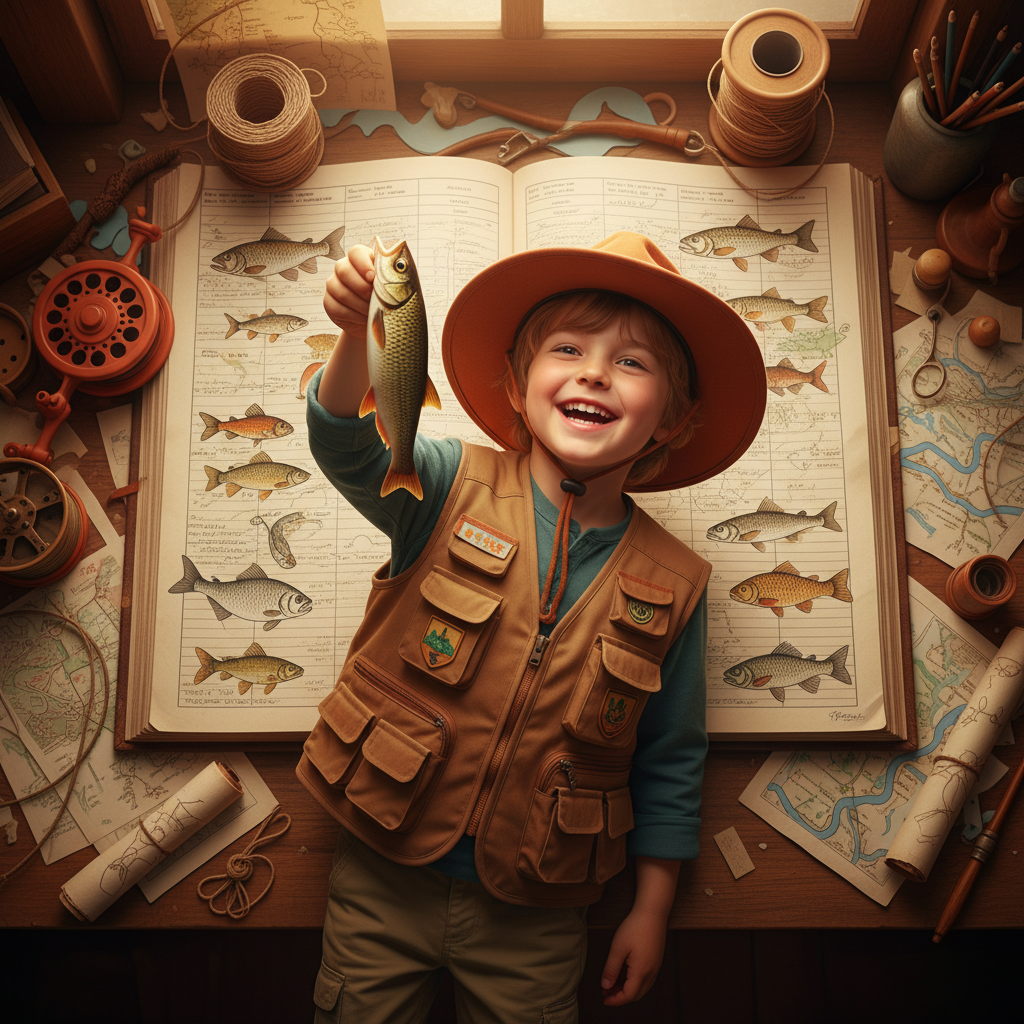
I believe that fishing can be a powerful tool for conservation. When people experience the beauty and the wonder of the natural world, they’re more likely to want to protect it. By introducing children to fishing, by teaching them about the importance of conservation, we can inspire the next generation of stewards of our environment.
Finding Your Own Silence
You don’t have to be an expert angler to experience the transformative power of fishing. You don’t need expensive gear, you don’t need to travel to exotic locations. All you need is a rod, a reel, and a willingness to connect with nature.
Start small. Find a local pond or stream. Spend an hour or two casting your line. Don’t worry about catching fish. Just focus on being present, on observing the world around you, on finding your own silence.
The rewards will be far greater than you can imagine. You’ll discover a new passion, a new connection to nature, and a new understanding of yourself. You’ll learn to appreciate the simple things in life, the beauty of the natural world, and the power of silence.
The Unexpected Benefits
Beyond the obvious benefits of spending time outdoors and connecting with nature, fishing offers a surprising array of other advantages. It can improve your physical health, reduce stress, and even boost your creativity.
The act of casting a line, reeling in a fish, and navigating the terrain can be a surprisingly good workout. Fishing can improve your cardiovascular health, strengthen your muscles, and increase your endurance. And because it’s often done in natural settings, it can also expose you to fresh air and sunshine, which are essential for overall well-being.
The meditative aspect of fishing can also have a profound impact on your mental health. Studies have shown that spending time in nature can reduce stress hormones, lower blood pressure, and improve mood. Fishing can be a particularly effective way to combat stress because it requires focus and concentration, which can help to quiet the mind and block out negative thoughts.
And perhaps surprisingly, fishing can also stimulate your creativity. The act of observing the natural world, of anticipating the movements of the fish, and of solving the puzzle of how to catch them can all spark new ideas and insights. Many writers, artists, and musicians have found inspiration in their time spent fishing.
The Enduring Allure
The allure of fishing has endured for centuries, and for good reason. It’s a timeless pursuit that connects us to our past, to our present, and to our future. It’s a way to escape the pressures of modern life and reconnect with something primal, something essential within ourselves.
Whether you’re a seasoned angler or a complete beginner, I encourage you to experience the magic of fishing for yourself. Find your own silence, learn the lessons of the river, and discover the enduring allure of this ancient and rewarding pastime.
The quiet moments, the unexpected triumphs, the deep connection with nature – these are the things that make fishing more than just a sport. They make it an adventure, a teacher, and a path to a deeper understanding of ourselves and the world around us. And it all starts with that profound silence, the silence only a true fishing adventure can teach.