The Unseen Element: Why Fishing Drones Succeed (or Fail)
Fishing drones. The very phrase conjures images of futuristic anglers, effortlessly casting lines hundreds of yards offshore, bypassing the limitations of a traditional rod and reel. They promise a gateway to untouched fishing grounds, bigger catches, and an undeniable technological edge. But beneath the shimmering surface of innovation lies a crucial, often overlooked secret that separates the truly successful fishing drone deployments from expensive, splashy failures. What is it that makes these high-tech tools actually deliver on their ambitious promises?
It’s not just about the drone’s power, its camera quality, or its payload capacity – although those factors certainly play a role. The core secret? Strategic integration of drone technology with time-tested angling knowledge. It’s the synthesis of the old and the new, the marriage of cutting-edge technology with the fundamental principles of fish behavior, weather patterns, and local fishing conditions. Without this crucial element, a fishing drone is just an expensive toy, destined to remain tethered to the shore, its potential unrealized.
Beyond the Hype: Understanding the Drone’s Role
Let’s face it, the initial allure of fishing drones is strong. The videos showcasing massive tuna or hefty kingfish being hauled in after a drone-assisted cast are undeniably captivating. The promise of effortlessly reaching previously inaccessible waters is intoxicating. However, it’s vital to step back and evaluate the drone’s role within the broader context of fishing. A drone is a tool, an extension of the angler’s capabilities, not a replacement for fundamental fishing skills.
Think of it this way: a top-of-the-line fishing rod won’t magically catch fish if you don’t know where to cast, what bait to use, or how to properly set the hook. Similarly, a sophisticated fishing drone won’t guarantee success if you lack an understanding of fish habits, local currents, or the prevailing weather conditions. The drone amplifies what you already know; it doesn’t create knowledge out of thin air. That’s why the “secret” lies in leveraging your existing angling expertise to maximize the drone’s potential.
Consider the experience of seasoned angler, Maria, who spent years fishing the Florida Keys before investing in a fishing drone. While initially excited by the drone’s capabilities, she quickly realized that simply flying it out and dropping a bait was not a recipe for success. Instead, she began using the drone’s camera to scout for submerged structures, identify promising areas with baitfish activity, and analyze current patterns. By combining her existing knowledge of local fish species and their preferred habitats with the drone’s aerial perspective, she transformed her fishing game. She wasn’t just blindly casting into the unknown; she was strategically deploying her bait in areas with a high probability of attracting her target species.
The Essential Angling Knowledge: A Foundation for Drone Success
So, what specific areas of angling knowledge are crucial for maximizing the effectiveness of a fishing drone? Here are a few key considerations:
- Fish Behavior: Understanding the habits, feeding patterns, and preferred habitats of your target species is paramount. Are they bottom feeders or surface strikers? Do they congregate around reefs, wrecks, or weed beds? What time of day are they most active?
- Local Conditions: Analyzing weather patterns, tidal cycles, and current strength is essential for predicting fish movements and selecting the appropriate fishing location. Is the wind blowing onshore or offshore? Is the tide rising or falling? How strong are the currents, and how will they affect your bait presentation?
- Bait and Lure Selection: Choosing the right bait or lure for your target species and the prevailing conditions is crucial for attracting strikes. Are you using live bait, artificial lures, or a combination of both? Are you matching the hatch, or are you using a contrasting color to attract attention?
- Fishing Techniques: Mastering various fishing techniques, such as trolling, jigging, or bottom fishing, allows you to adapt your approach based on the specific conditions and the behavior of the fish. Are you using a slow, steady retrieve, or are you employing a more erratic jigging motion? Are you fishing on the surface, in the mid-water column, or on the bottom?
Without a solid understanding of these fundamental principles, a fishing drone becomes a glorified bait delivery system, offering little advantage over traditional fishing methods. It’s the angler’s knowledge and experience that transforms the drone from a mere tool into a strategic asset.
The Drone’s Perspective: Seeing What Others Can’t
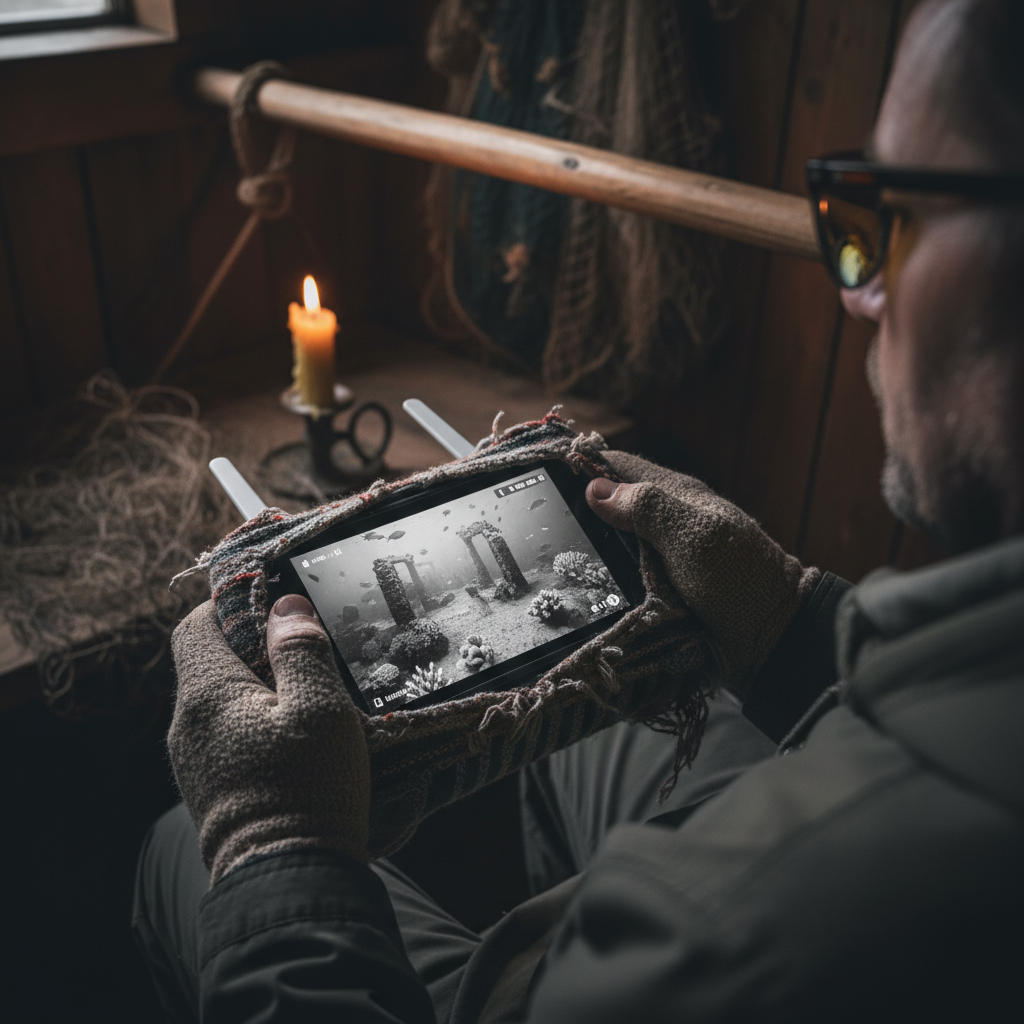
While angling knowledge forms the foundation, the fishing drone offers a unique perspective that can significantly enhance your fishing strategy. The ability to see the underwater environment from above provides invaluable insights that are simply unattainable from the shore or a boat.
Scouting for Structure and Fish Activity
One of the most significant advantages of using a fishing drone is its ability to scout for submerged structures, such as reefs, wrecks, and weed beds. These areas often serve as havens for fish, providing shelter from predators and attracting baitfish. By using the drone’s camera to identify these structures, you can pinpoint promising fishing locations and strategically deploy your bait.
Furthermore, the drone’s camera can also be used to detect signs of fish activity, such as schools of baitfish, surface disturbances, or even the presence of larger predator fish. By observing these indicators, you can gain valuable clues about the location and behavior of your target species.
For example, imagine you’re fishing in a coastal area with murky water. Traditional methods of scouting, such as using a fish finder or visually scanning the surface, may be ineffective due to limited visibility. However, by deploying a fishing drone, you can rise above the murk and gain a clear view of the underwater environment. You might discover a previously unknown reef system teeming with fish or a school of baitfish being actively pursued by larger predators. This information can be invaluable in determining where to cast your line and what type of bait to use.
Analyzing Current Patterns and Water Clarity
In addition to scouting for structure and fish activity, a fishing drone can also be used to analyze current patterns and water clarity. These factors play a significant role in determining fish movements and feeding behavior. By observing the direction and strength of the currents, you can predict where fish are likely to congregate. Similarly, by assessing the water clarity, you can choose the appropriate bait or lure color and presentation.
For instance, if you’re fishing in an area with strong currents, you might use the drone to identify areas where the current is slack or where eddies are forming. These areas often provide refuge for fish, allowing them to conserve energy while waiting for food to drift by. Alternatively, if you’re fishing in murky water, you might use the drone to locate areas with clearer water, as fish are often more active in these conditions.
The ability to analyze current patterns and water clarity from an aerial perspective provides a significant advantage over traditional fishing methods, allowing you to make more informed decisions about where to fish and how to present your bait.
Beyond the Cast: Strategic Drone Deployment
While the casting capabilities of a fishing drone are undeniably appealing, it’s important to recognize that the drone’s strategic deployment extends far beyond simply delivering a bait to a distant location. The true power of the fishing drone lies in its ability to enhance various aspects of the fishing process, from scouting and bait presentation to hook setting and fish retrieval.
Precise Bait Placement
One of the key advantages of using a fishing drone is the ability to precisely place your bait in a specific location. This is particularly useful when targeting fish that are holding in specific areas, such as around submerged structures or along current seams. By using the drone’s GPS and camera, you can accurately position your bait within a few feet of your target, increasing your chances of attracting a strike.
Imagine you’re targeting a specific species of grouper that is known to inhabit a particular hole in a reef system. Traditional methods of fishing, such as casting from a boat or drifting with the current, may be ineffective in accurately placing your bait near the hole. However, by using a fishing drone, you can precisely position your bait directly above the hole, maximizing your chances of enticing the grouper to come out and strike.
Furthermore, the ability to precisely place your bait can also be beneficial when fishing in areas with heavy fishing pressure. By targeting areas that are less likely to be fished by others, you can increase your chances of catching fish that are less wary and more likely to strike.
Enhanced Bait Presentation
In addition to precise bait placement, a fishing drone can also be used to enhance your bait presentation. By controlling the speed and direction of the drone, you can create a variety of enticing bait movements that are difficult to achieve with traditional fishing methods. For example, you can slowly troll your bait along a current seam, jig it up and down near a submerged structure, or even create a “walking the dog” action on the surface.
Consider the scenario of fishing for pelagic species such as tuna or mahi-mahi. These fish are often attracted to fast-moving lures that mimic fleeing baitfish. By using a fishing drone to troll your lure at a high speed, you can create a more realistic and enticing presentation, increasing your chances of attracting a strike. You can even use the drone to create sudden bursts of speed or changes in direction, further enhancing the lure’s attractiveness.
The ability to control your bait presentation with a fishing drone allows you to experiment with different techniques and find what works best for your target species and the prevailing conditions.
Assisted Hook Setting and Fish Retrieval
While the primary focus of fishing drones is often on bait deployment, they can also play a crucial role in hook setting and fish retrieval. By maintaining tension on the line and controlling the drone’s movement, you can assist in setting the hook and preventing the fish from escaping.
For example, when targeting large, powerful fish such as sharks or marlin, a solid hook set is essential for ensuring a secure connection. By using the drone to apply additional pressure on the line during the hook set, you can increase your chances of penetrating the fish’s tough jaws. Furthermore, the drone can also be used to help control the fish’s movements during the fight, preventing it from running into obstacles or breaking the line.
Moreover, in situations where the fish has run a considerable distance, the drone can be used to help retrieve the fish more quickly and efficiently. By flying the drone towards the fish, you can reduce the amount of line out and decrease the risk of the fish breaking free. This can be particularly useful when fishing in areas with strong currents or heavy cover.
Beyond the Technical Specs: Developing a Drone-Angling Mindset
Ultimately, the secret to making fishing drones truly work lies not just in understanding the technology or mastering the basic angling principles, but in cultivating a specific “drone-angling” mindset. This involves thinking strategically about how the drone can be integrated into your fishing approach, adapting your tactics based on the drone’s capabilities, and continuously learning and experimenting to refine your techniques.
Embracing the Learning Curve
Using a fishing drone effectively requires a willingness to embrace the learning curve. It’s not a plug-and-play solution that guarantees instant success. There will be challenges, setbacks, and moments of frustration. However, by persevering and learning from your mistakes, you can gradually develop the skills and knowledge necessary to become a proficient drone angler.
Start by practicing in a safe and controlled environment, such as a local park or lake. Familiarize yourself with the drone’s controls, camera functions, and payload release mechanisms. Experiment with different bait deployment techniques and observe how the drone responds to various wind conditions. Gradually increase the complexity of your challenges, such as fishing in more challenging locations or targeting more difficult species.
Remember to document your experiences, noting what works and what doesn’t. Share your findings with other drone anglers and learn from their successes and failures. By embracing the learning curve and continuously seeking to improve your skills, you can unlock the full potential of your fishing drone.
Adapting to the Drone’s Strengths and Limitations
A crucial aspect of developing a drone-angling mindset is recognizing the drone’s strengths and limitations. While drones offer numerous advantages over traditional fishing methods, they also have certain drawbacks. Understanding these limitations is essential for making informed decisions about when and how to use your drone.
For example, drones are susceptible to wind and weather conditions. Strong winds can make it difficult to control the drone, while rain or fog can impair visibility. Similarly, drones have limited battery life, which restricts the amount of time you can spend fishing. Furthermore, drones are subject to regulations and restrictions, which may limit where and when you can fly.
By acknowledging these limitations, you can adapt your fishing strategy accordingly. For instance, you might choose to fish in sheltered areas when the wind is strong, or you might bring extra batteries to extend your fishing time. Similarly, you should always be aware of local regulations and restrictions and comply with them accordingly.

Thinking Strategically About Drone Integration
The key to successful drone angling lies in thinking strategically about how the drone can be integrated into your overall fishing approach. This involves considering the specific fishing conditions, your target species, and the drone’s capabilities, and then developing a plan that maximizes your chances of success.
Before heading out to fish, take the time to research the area you plan to fish. Use online resources, such as fishing forums and satellite imagery, to identify promising fishing locations. Consider the weather forecast and tidal conditions, and plan your fishing trip accordingly. Once you arrive at your fishing location, use the drone to scout for submerged structures, identify areas with fish activity, and analyze current patterns.
Based on your observations, select the appropriate bait or lure and deploy your drone strategically. Monitor the drone’s camera feed closely, and adjust your bait presentation as needed. When a fish strikes, use the drone to assist in setting the hook and controlling the fish’s movements. By thinking strategically about drone integration, you can transform your fishing experience and increase your chances of landing your target species.
The Ethical Considerations: Responsible Drone Fishing
As with any new technology, the use of fishing drones raises ethical considerations that anglers must address. Responsible drone fishing involves respecting the environment, protecting fish stocks, and adhering to ethical fishing practices.
Minimizing Environmental Impact
One of the primary ethical considerations of drone fishing is minimizing environmental impact. Drones can potentially disturb wildlife, damage sensitive habitats, and contribute to pollution. To mitigate these risks, anglers should follow certain guidelines.
Avoid flying drones near nesting birds or marine mammals, as the noise and disturbance can disrupt their behavior. Be mindful of fragile ecosystems, such as coral reefs and seagrass beds, and avoid flying drones too close to these areas. Always retrieve any lost tackle or debris from the water to prevent pollution. Dispose of used batteries properly to avoid contaminating the environment. By taking these precautions, you can minimize the environmental impact of drone fishing.
Protecting Fish Stocks
Another ethical consideration is protecting fish stocks. Drones can potentially be used to overfish or target vulnerable species. To prevent this, anglers should adhere to fishing regulations and practice responsible harvesting.
Always comply with size and bag limits and avoid targeting species that are endangered or threatened. Practice catch and release when appropriate, and handle fish carefully to minimize stress. Avoid using drones to target spawning aggregations or nursery areas, as this can disrupt the reproductive cycle of fish. By following these guidelines, you can help protect fish stocks and ensure the sustainability of fishing resources.
Adhering to Ethical Fishing Practices
In addition to minimizing environmental impact and protecting fish stocks, anglers should also adhere to ethical fishing practices. This involves respecting other anglers, following fair chase principles, and being honest about your catches.
Avoid interfering with other anglers’ fishing lines or disturbing their fishing spots. Practice fair chase by not using drones to target fish that are trapped or confined. Be honest about the size and weight of your catches, and avoid exaggerating your fishing accomplishments. By adhering to ethical fishing practices, you can promote a positive and responsible fishing culture.
The secret to making fishing drones truly work is not just about the technology itself, but about the angler’s skill, knowledge, and ethical responsibility. It’s about integrating the drone into a broader fishing strategy that respects the environment, protects fish stocks, and enhances the overall fishing experience. By embracing this holistic approach, anglers can unlock the full potential of fishing drones and enjoy a more rewarding and sustainable fishing future.