Unlocking the Underwater Language: The Science of Attraction
Have you ever wondered why some days the fish seem to jump onto your hook, while other days you can barely get a nibble, no matter how skilled you are? Is it just luck, a matter of being in the right place at the right time? While environmental factors like water temperature and clarity certainly play a role, there’s a deeper, more scientific reason why certain lures and baits outperform others. It’s the secret language of attraction, a complex interplay of sight, smell, and vibration that triggers a fish’s predatory instincts. Understanding this language is the key to consistently enticing fish and transforming your fishing trips from frustrating exercises in patience to rewarding encounters with the underwater world.
We often think of fishing as a battle of wits between angler and fish, but it’s more accurately described as a conversation. We’re trying to communicate a message: “Here’s something delicious (or intriguing) to eat!” The problem is, fish speak a different language, one that relies heavily on sensory cues we often overlook. Imagine trying to order a meal in a country where you don’t speak the language. You might point, gesture, and hope for the best, but your chances of getting exactly what you want are slim. Similarly, throwing any old lure into the water and hoping for a bite is like relying on blind luck. To truly master the art of angling, we need to learn to speak the language of fish.
The Power of Visual Appeal: More Than Just Pretty Colors
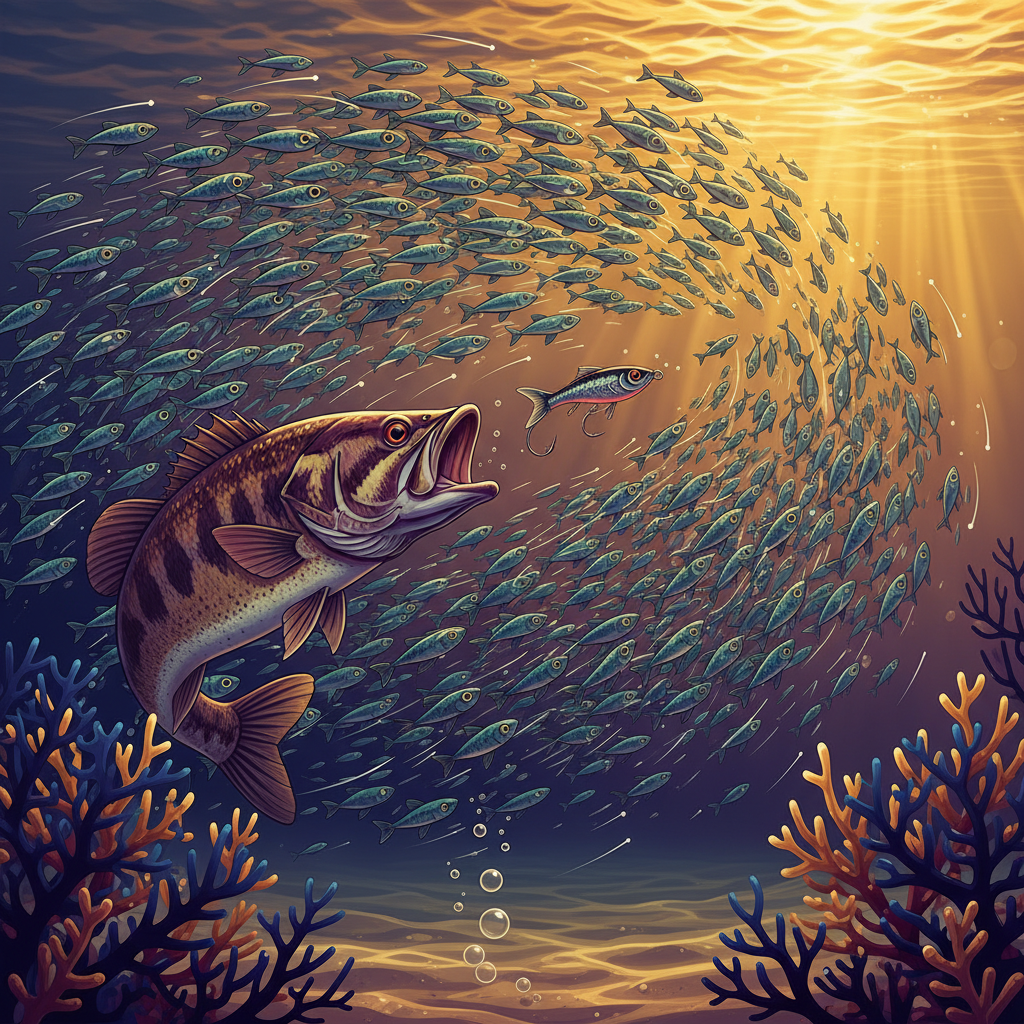
The first and most obvious element of attraction is visual appeal. Fish, particularly those that hunt by sight, are drawn to lures that resemble their natural prey. This is why lure manufacturers spend countless hours studying the color patterns, shapes, and movements of baitfish, crustaceans, and other aquatic organisms. But it’s not just about mimicking the appearance of prey; it’s about creating a visual trigger that stimulates a fish’s predatory response.
Think about the way a bass reacts to a fast-moving crankbait. The lure’s erratic wobble and flash mimic the frantic movements of a fleeing baitfish, signaling an easy meal. Similarly, a brightly colored spinnerbait can attract attention in murky water, where visibility is limited. The key is to choose lures that are appropriate for the specific conditions and the type of fish you’re targeting. In clear water, natural-looking colors and realistic profiles are often more effective, while in stained or murky water, brighter colors and lures with more vibration can help fish locate the bait.
However, visual appeal extends beyond just color and shape. The action of the lure, the way it moves through the water, is equally important. A lure that swims realistically, with a natural side-to-side wobble or a lifelike darting motion, is far more likely to fool a wary fish than one that moves stiffly or unnaturally. This is why some anglers spend hours practicing their retrieves, experimenting with different speeds and techniques to find the perfect action that will trigger a strike.
The Alluring Aroma: Scents That Drive Fish Wild
While visual cues are important, the sense of smell plays a crucial role in a fish’s ability to locate and identify food. Fish have highly developed olfactory systems that allow them to detect even minute traces of chemicals in the water. These chemicals can signal the presence of prey, warn of danger, or even attract mates. Understanding the power of scent can give you a significant advantage on the water.
This is where scented lures and baits come into play. These products are infused with chemicals that mimic the natural odors of prey, such as amino acids, fish oils, and other attractants. When a fish detects these scents, it triggers a feeding response, drawing it closer to the lure. The effectiveness of scented lures depends on several factors, including the type of fish, the water conditions, and the specific scent used. For example, bass are known to be attracted to garlic and crawfish scents, while trout are often drawn to anise and fish egg scents.
But scent isn’t just about attracting fish; it’s also about masking unnatural odors that can deter them. Our hands, for example, can transfer oils and chemicals to lures, leaving behind a scent that fish find repulsive. This is why many anglers use scent attractants to cover up these odors and make their lures more appealing. Furthermore, scent can also prolong the bite, giving you more time to set the hook. A fish that bites a scented lure is more likely to hold onto it longer, increasing your chances of a successful catch.

Vibration and Sound: The Underwater Symphony of Attraction
Beyond sight and smell, fish also rely heavily on their sense of hearing and vibration to detect prey. Fish have a lateral line system, a series of sensory receptors that run along the sides of their bodies, allowing them to detect vibrations in the water. These vibrations can be caused by the movements of prey, the flow of water, or even the sound of a boat motor.
Lures that produce vibrations, such as crankbaits, spinnerbaits, and chatterbaits, are particularly effective in attracting fish, especially in murky water where visibility is limited. The vibrations created by these lures mimic the movements of fleeing prey, signaling an easy meal. The frequency and intensity of the vibrations can also play a role in their effectiveness. For example, a lure with a high-frequency vibration may be more effective for attracting smaller fish, while a lure with a low-frequency vibration may be more effective for attracting larger fish.
The sound of a lure can also be an important factor in attracting fish. Some lures, such as rattling crankbaits, are designed to produce a distinct sound that can be heard from a distance. These sounds can mimic the sounds of feeding fish or other aquatic activity, attracting the attention of nearby predators. However, it’s important to note that sound can also be a deterrent. Loud or unnatural sounds, such as those produced by a boat motor or a poorly cast lure, can spook fish and drive them away.
The Art of Presentation: Putting It All Together
Once you understand the science of attraction, the next step is to master the art of presentation. This involves choosing the right lure for the conditions, presenting it in a way that mimics the natural movements of prey, and adjusting your technique based on the fish’s behavior.
Think of it like this: you might have the most delicious ingredients in the world, but if you don’t know how to cook them properly, the meal will be a disaster. Similarly, you might have the most attractive lure in your tackle box, but if you don’t present it in a way that appeals to the fish, you won’t get a bite.
Presentation involves several key elements, including:
* **Retrieve:** The speed and style of your retrieve can significantly impact the lure’s action and its ability to attract fish. Experiment with different retrieves to find what works best in the given conditions.
* **Depth:** Presenting the lure at the right depth is crucial for targeting fish that are holding in specific areas. Use lures that run at different depths or adjust your retrieve to control the depth of your lure.
* **Location:** Knowing where the fish are located is essential for effective presentation. Target areas where fish are likely to be feeding, such as weed beds, drop-offs, and submerged structure.
* **Timing:** Pay attention to the time of day, the season, and the weather conditions, as these factors can all influence the fish’s behavior and their willingness to bite.
Mastering the art of presentation requires patience, observation, and a willingness to experiment. Pay attention to the fish’s behavior, adjust your technique accordingly, and don’t be afraid to try new things.
Beyond the Basics: Advanced Techniques for Lure Enhancement
Now that we’ve covered the fundamental principles of lure attraction, let’s delve into some advanced techniques that can take your fishing game to the next level. These techniques involve modifying your lures and baits to further enhance their visual appeal, scent profile, and vibration patterns.
Customizing Lure Colors: Tailoring Your Bait to the Environment
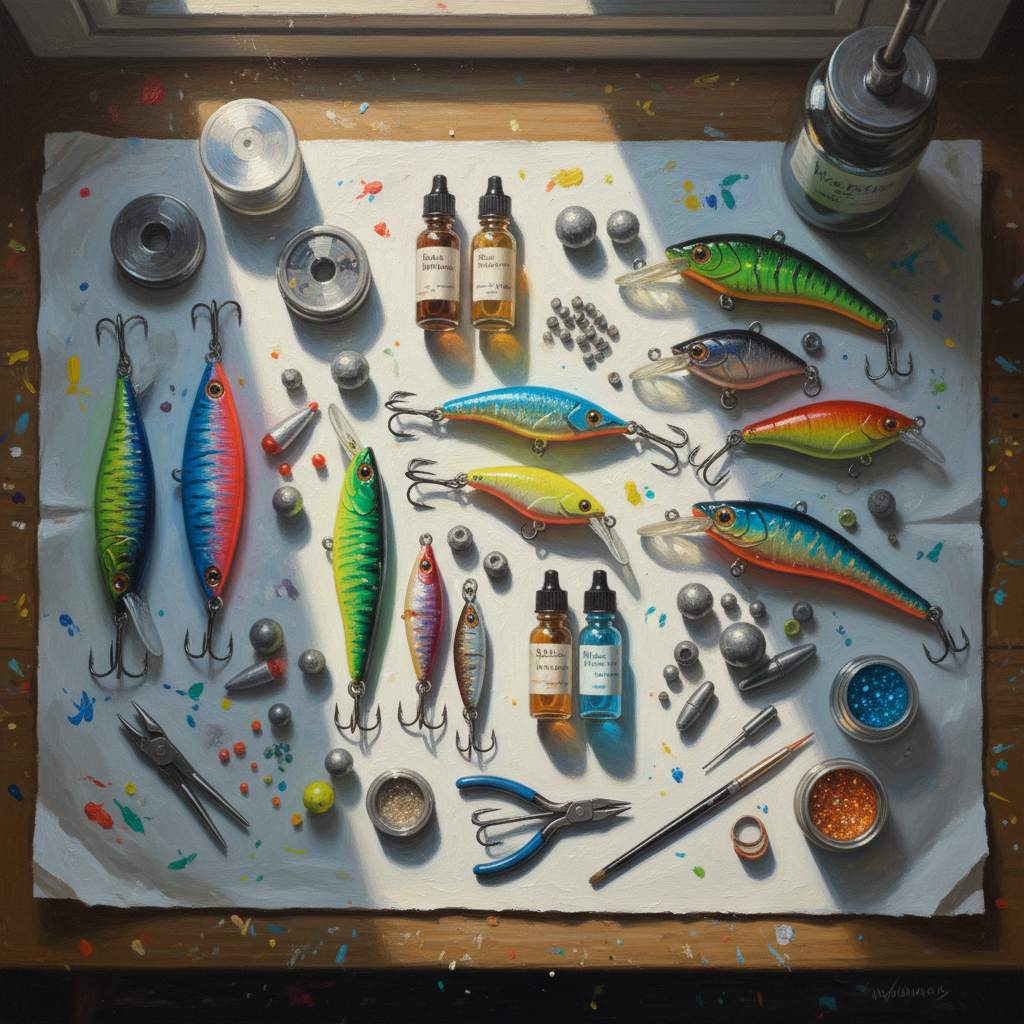
While lure manufacturers offer a wide range of colors, sometimes you need to customize your lures to match the specific conditions you’re fishing in. This can involve using lure paints, markers, or even simply adding colored tape to your lures.
For example, in clear water, you might want to use more natural-looking colors that blend in with the surroundings. In murky water, you might want to use brighter colors that stand out and attract attention. You can also experiment with different color combinations to create unique patterns that mimic the appearance of specific prey species.
Another technique is to use UV-reactive paints or tapes, which glow under ultraviolet light. These can be particularly effective in low-light conditions or in deep water, where UV light penetrates further. The UV glow can make your lures more visible to fish, increasing their chances of getting noticed.
Scent Chambers and Dispensers: Controlled Release of Attractants
Instead of simply applying scent attractants to your lures, you can use scent chambers or dispensers to provide a more controlled and sustained release of scent. These devices typically consist of a small container that holds a scent attractant, which is then slowly released into the water over time.
Scent chambers can be particularly effective for targeting fish that are holding in specific areas, as they create a concentrated plume of scent that draws fish in from a distance. They can also be used to prolong the bite, giving you more time to set the hook.
There are a variety of scent chambers and dispensers available on the market, ranging from simple plastic tubes to more sophisticated electronic devices. Some anglers even create their own scent chambers using household items such as straws or cotton balls.
Adding Rattles and Weights: Fine-Tuning the Vibration Profile
The vibration profile of a lure can significantly impact its ability to attract fish. You can fine-tune the vibration profile of your lures by adding rattles or weights. Rattles create a distinct sound that can attract fish from a distance, while weights can alter the lure’s action and its depth.
For example, adding a rattle to a crankbait can make it more effective in murky water, where visibility is limited. The sound of the rattle can help fish locate the lure, increasing their chances of getting noticed. Similarly, adding weight to a soft plastic lure can make it sink faster and allow you to fish it at a greater depth.
Experiment with different sizes and types of rattles and weights to find what works best for the specific conditions and the type of fish you’re targeting. You can also try combining rattles and weights to create a unique vibration profile that is particularly appealing to fish.
The Importance of Experimentation: Finding What Works Best
Ultimately, the best way to enhance your lures and baits is to experiment and find what works best for you. Every body of water is different, and the fish in each location may have different preferences. What works in one lake may not work in another.
Don’t be afraid to try new things, experiment with different techniques, and pay attention to the fish’s behavior. Keep a log of your successes and failures, and use this information to refine your approach over time. The more you experiment, the more you’ll learn about the science of attraction and the art of presentation.
Ethical Considerations: Fishing Responsibly and Sustainably
While mastering the art of lure enhancement can significantly improve your fishing success, it’s important to remember to fish responsibly and sustainably. This means respecting the environment, following fishing regulations, and practicing catch and release whenever possible.
Overfishing can deplete fish populations and disrupt the delicate balance of aquatic ecosystems. It’s our responsibility as anglers to protect these resources for future generations. This means only taking what we need, releasing fish that are too small or too large, and avoiding fishing in areas that are known to be overfished.
We should also be mindful of the impact that our fishing gear and techniques can have on the environment. Avoid using lead weights, which can be toxic to fish and wildlife. Dispose of fishing line properly, as it can entangle animals and pollute waterways. And always clean up after yourself, leaving the fishing area as you found it.
By fishing responsibly and sustainably, we can ensure that future generations will have the opportunity to enjoy the thrill of angling and the beauty of the underwater world.
The Future of Fishing Technology: Innovations on the Horizon
The world of fishing technology is constantly evolving, with new innovations emerging all the time. From advanced sonar systems to smart lures, the future of fishing promises to be more exciting and more effective than ever before.
One of the most promising areas of development is in the field of artificial intelligence (AI). AI-powered fishing tools can analyze data from sonar systems, weather patterns, and other sources to predict where fish are likely to be located. They can also recommend the best lures and techniques to use in specific conditions.
Another exciting area of development is in the field of virtual reality (VR). VR fishing simulators can provide anglers with a realistic and immersive fishing experience, allowing them to practice their techniques and experiment with different lures without ever leaving their homes.
As technology continues to advance, it’s likely that we’ll see even more innovative fishing tools and techniques emerge in the years to come. These tools will undoubtedly make fishing more accessible, more effective, and more enjoyable for anglers of all skill levels.
In conclusion, the secret to making fish bite faster isn’t just about luck or chance. It’s about understanding the science of attraction, mastering the art of presentation, and continuously learning and adapting your techniques. By paying attention to the visual appeal, scent profile, and vibration patterns of your lures, you can significantly increase your chances of enticing fish and transforming your fishing trips into rewarding and unforgettable experiences. And remember, always fish responsibly and sustainably, ensuring that future generations can enjoy the same thrill and joy that we experience on the water. The more we understand the underwater world, the better we can connect with it, and the more successful – and ethical – anglers we become. The conversation between angler and fish is a continuous one, and by learning their language, we unlock the secrets to a richer, more rewarding fishing experience.