Unlocking the Potential of Your Fishing Arsenal
We’ve all been there. Standing on the bank of a pristine lake, or the edge of a roaring river, surrounded by an impressive array of fishing gear, yet somehow feeling like something is missing. You’ve invested in the latest rods, the most alluring lures, the sonar technology that promises to reveal every hidden fish. But the results… they’re just not stacking up. Why is it that some anglers consistently reel in the trophies while others, armed with seemingly equivalent tools, return empty-handed?
The answer, often, isn’t about the gear itself, but about understanding the subtle, almost intuitive, connection between the angler, the equipment, and the environment. It’s about more than just casting a line; it’s about making every piece of gear work for you, transforming a collection of tools into a finely-tuned extension of your own senses. It’s about discovering the secret that separates the casual fisherman from the true master of the art.
This “secret,” as we’ll explore, isn’t a single, earth-shattering revelation. It’s a collection of principles, strategies, and a relentless dedication to understanding the nuances of your equipment and the waters you fish. It’s about evolving from a gear-dependent angler to an angler who commands their gear with confidence and precision.
The Illusion of Instant Success
Modern fishing technology often promises instant success. High-resolution sonar displays create incredibly detailed maps of the underwater world, showing every rock, weed bed, and, hopefully, a school of waiting fish. GPS-enabled trolling motors can hold you precisely on a productive spot, even in challenging wind and current. Lures are designed to mimic the exact movements and colors of natural prey. It’s tempting to believe that simply possessing these tools is enough to guarantee a full livewell.
But reality rarely aligns with marketing hype. These advanced technologies are incredibly powerful, but only when wielded with knowledge and skill. A sonar unit can show you fish, but it can’t tell you why they’re there, what they’re feeding on, or how they’re reacting to your presentation. A GPS trolling motor can hold you on a spot, but it can’t compensate for a poorly chosen lure or an unnatural retrieve. The gear is only as good as the angler using it.
Think of it like a master chef with a state-of-the-art kitchen. They might have the best ovens, the sharpest knives, and the rarest ingredients, but without the skill and experience to combine those elements into a culinary masterpiece, the tools are just expensive decorations. Similarly, the angler who truly understands their gear can take even basic equipment and achieve remarkable results.
Building the Connection: Understanding Your Tools
The first step in unlocking the potential of your fishing gear is to develop a deep understanding of each piece of equipment. This goes far beyond reading the instruction manual. It requires hands-on experimentation, meticulous observation, and a willingness to push your gear to its limits.
The Rod: More Than Just a Stick
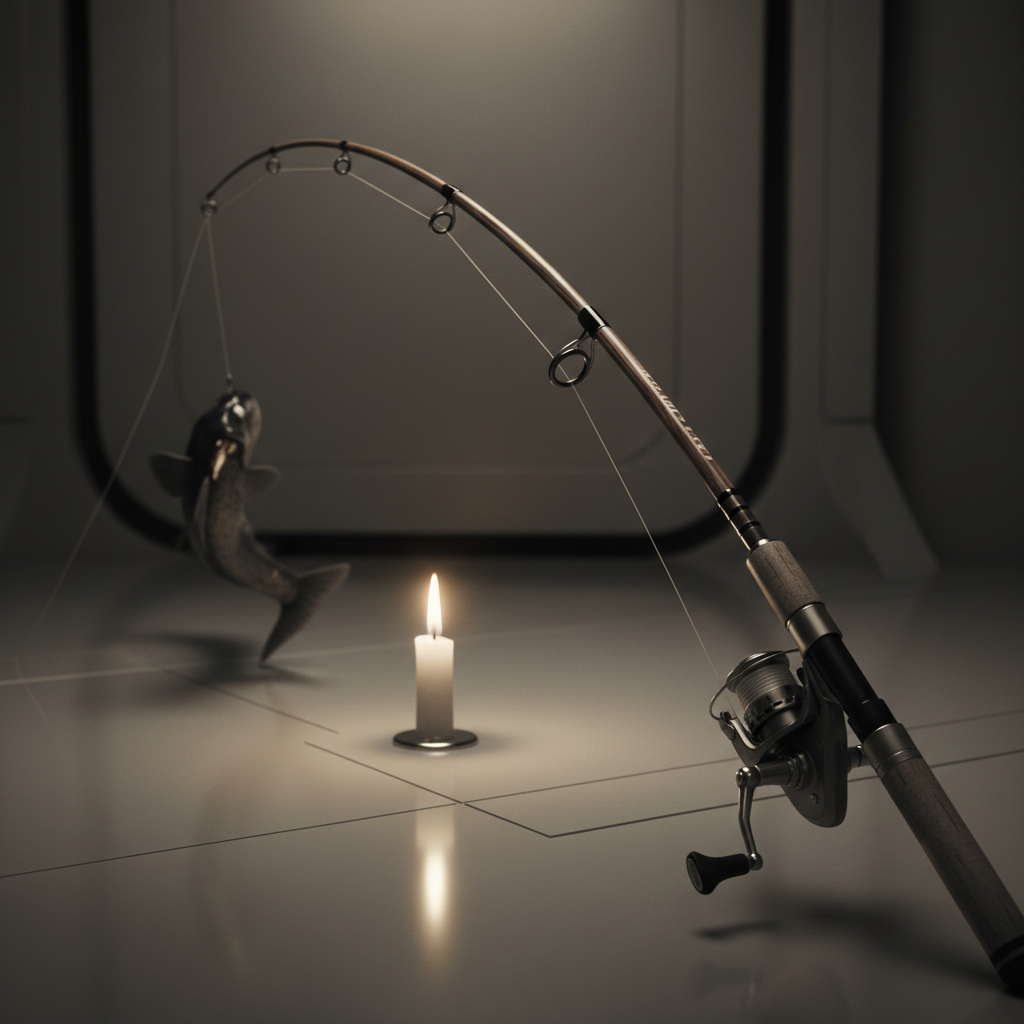
A fishing rod is arguably the most fundamental piece of equipment, and yet its capabilities are often underestimated. Rods are not created equal. Understanding the rod’s action (where it bends), its power (how much force it takes to bend it), and its material composition are critical to selecting the right tool for the job. A fast-action rod, which bends primarily near the tip, is ideal for techniques that require quick hooksets, such as jigging or fishing with single-hook lures. A moderate-action rod, which bends more evenly along its length, provides more cushioning and is better suited for crankbaits or spinnerbaits, where the fish often hook themselves. The power of the rod determines the size of the fish you can comfortably handle and the weight of the lures you can effectively cast.
Beyond the specifications, it’s crucial to feel the rod. How does it load up during the cast? Can you detect subtle strikes? Does it provide enough backbone to control a powerful fish? The more time you spend with a rod in your hand, the more attuned you become to its unique characteristics. Try different lures, different retrieves, and different line types to discover its optimal performance range. Don’t be afraid to experiment and push the boundaries of what you think the rod is capable of.
Consider this example: An angler consistently loses fish when using a fast-action rod with treble-hook crankbaits. They attribute the losses to poor hooksets. However, the real problem might be the rod’s lack of forgiveness. The stiff tip of the fast-action rod doesn’t allow the fish to fully inhale the bait before the angler yanks, resulting in a pulled hook. By switching to a moderate-action rod, the angler provides the necessary cushioning, allowing the fish to get a better grip on the bait and significantly reducing lost fish.
The Reel: The Engine of Your Fishing System
The fishing reel is the workhorse of your setup. It not only retrieves line, but it also plays a crucial role in casting distance, hooksetting power, and fish-fighting ability. Understanding the reel’s gear ratio, drag system, and spool capacity is essential. A higher gear ratio reel retrieves line faster, which is beneficial for techniques like burning a spinnerbait or quickly picking up slack line. A smooth and reliable drag system is critical for preventing line breakage when fighting a large fish. The spool capacity determines how much line you can spool onto the reel, which is important for fishing in deep water or targeting species that make long runs.
Just like with rods, it’s important to develop a feel for your reel. How smoothly does the drag operate? Can you make precise adjustments during a fight? Does the reel feel balanced and comfortable in your hand? Pay attention to the reel’s performance under different conditions. Does it perform consistently in cold weather? Does it require frequent maintenance? The more you understand your reel’s strengths and weaknesses, the better you can adapt your fishing techniques to maximize its capabilities.
Let’s say an angler is struggling to cast small, lightweight lures effectively. They blame the lures for being too light. However, the problem might be the reel’s spool. A reel with a deep spool requires more energy to get the line moving, making it difficult to cast light lures. By switching to a reel with a shallow spool, the angler reduces the amount of energy required to initiate the cast, resulting in significantly improved casting distance and accuracy.
The Line: The Invisible Connection
Fishing line is the often-overlooked link between you and the fish. Choosing the right line type, strength, and color can have a dramatic impact on your success. Monofilament line is a versatile choice that offers good abrasion resistance and stretch. Fluorocarbon line is virtually invisible underwater and offers excellent sensitivity. Braided line is incredibly strong and has no stretch, making it ideal for techniques that require direct contact with the lure. The appropriate line strength depends on the size of the fish you’re targeting and the type of cover you’re fishing around.
Experiment with different line types and strengths to see how they affect your lure presentation and hooksetting ability. Pay attention to how the line behaves in different water conditions. Does it float or sink? Does it stretch excessively? Is it prone to abrasion? Consider the color of the line as well. In clear water, a low-visibility line like fluorocarbon is often the best choice. In murky water, a brightly colored line can help you detect strikes more easily.
Consider a scenario where an angler is constantly breaking off fish while fishing around heavy cover. They blame the fish for being too strong. However, the problem might be the line’s abrasion resistance. Monofilament line, while versatile, is relatively susceptible to abrasion. By switching to braided line, which is incredibly abrasion-resistant, the angler significantly reduces the risk of line breakage and lands more fish.
Mastering the Environment: Reading the Water
Understanding your gear is only half the battle. To truly unlock its potential, you must also become a student of the environment. This means learning to read the water, identify key fish-holding structures, and adapt your presentation to the prevailing conditions.
Structure: The Fish’s Playground
Structure refers to any physical feature that disrupts the flow of water and provides cover or ambush points for fish. This can include everything from submerged trees and rock piles to weed beds and drop-offs. Fish are naturally drawn to structure because it provides them with food, shelter, and protection from predators.
Learning to identify and interpret different types of structure is crucial for locating fish. Use your sonar to scan the bottom and create a mental map of the underwater landscape. Pay attention to the depth changes, the types of vegetation present, and the presence of any submerged objects. Look for areas where different types of structure converge, as these often hold the highest concentrations of fish. For example, a weed bed adjacent to a drop-off is likely to be a prime fishing location.
An angler consistently fishes open water with little success. They attribute their lack of catches to a lack of fish in the lake. However, the problem might be their failure to target structure. By focusing their efforts on areas with submerged trees, rock piles, and weed beds, the angler dramatically increases their chances of finding fish.
Water Clarity: A Window into the Underwater World
Water clarity plays a significant role in fish behavior and feeding habits. In clear water, fish are more likely to be wary and selective, requiring a more subtle presentation. In murky water, fish are more likely to be aggressive and opportunistic, allowing for a more aggressive presentation.
Assess the water clarity before you begin fishing and adjust your lure selection and presentation accordingly. In clear water, use natural-colored lures and finesse techniques to avoid spooking the fish. In murky water, use brightly colored lures and aggressive retrieves to attract attention. Consider the depth at which you’re fishing as well. Even in clear water, the light penetration decreases with depth, making it necessary to use darker-colored lures in deeper water.
An angler uses the same bright, flashy lures in clear water that they use in murky water, with poor results. They blame the fish for being finicky. However, the problem might be their inappropriate lure selection. By switching to more natural-colored lures and downsizing their presentation, the angler avoids spooking the fish and increases their chances of getting a bite.
Weather Conditions: The Unpredictable Variable
Weather conditions can have a profound impact on fish behavior. Changes in temperature, barometric pressure, and wind can all influence where fish are located and how actively they’re feeding. For example, a sudden cold front can drive fish into deeper water, while a warming trend can bring them shallow to spawn.
Pay attention to the weather forecast and adjust your fishing strategy accordingly. Before a cold front, fish often feed aggressively in anticipation of the change. During a cold front, they tend to become sluggish and less active. After a cold front, they may gradually return to their normal feeding patterns. Similarly, wind can create current and oxygenate the water, attracting fish to the windward side of the lake. Be prepared to adapt your presentation to the prevailing weather conditions. Don’t be afraid to experiment with different lures, depths, and retrieves until you find what the fish are responding to.
An angler continues to fish the same shallow spots after a sudden cold front, with no success. They blame the fish for disappearing. However, the problem might be their failure to adapt to the changing weather conditions. By moving to deeper water and slowing down their presentation, the angler is more likely to find the fish that have sought refuge from the cold.
The Art of Presentation: Putting It All Together
Understanding your gear and the environment is essential, but it’s all for naught if you can’t present your lure in a way that entices the fish to strike. The art of presentation involves mastering casting accuracy, lure retrieves, and hooksetting techniques.
Casting Accuracy: Hitting Your Target
Casting accuracy is crucial for placing your lure in the strike zone. Whether you’re targeting a specific piece of structure, casting under overhanging trees, or simply covering water efficiently, the ability to consistently hit your target is essential. Practice your casting technique regularly, focusing on smooth, controlled movements. Pay attention to the wind and adjust your casting angle accordingly. Use visual cues, such as trees or rocks, to help you aim. Consider using a GPS unit to mark productive spots and cast to them with precision.
An angler consistently overshoots or undershoots their target, spooking the fish. They blame the wind for making accurate casts impossible. However, the problem might be their poor casting technique. By practicing their casting accuracy and adjusting their casting angle for the wind, the angler significantly improves their ability to hit their target without spooking the fish.
Lure Retrieves: Mimicking Natural Prey
The way you retrieve your lure can make all the difference between a strike and a refusal. Experiment with different retrieves to see what the fish are responding to. A slow, steady retrieve can be effective for imitating a injured or dying baitfish. A fast, erratic retrieve can trigger a reaction strike from an aggressive predator. Vary your retrieve speed and action to see what gets the fish’s attention. Pay attention to the depth at which you’re retrieving your lure. Fish may be suspended at different depths depending on the water temperature and light penetration.
An angler uses the same fast retrieve regardless of the fish’s activity level, with little success. They blame the lure for being ineffective. However, the problem might be their inappropriate retrieve. By slowing down their retrieve and adding pauses, the angler allows the fish to get a better look at the lure and increases their chances of getting a strike.
Hooksetting Techniques: Turning a Bite into a Catch
The hookset is the moment of truth. A proper hookset is essential for embedding the hook securely in the fish’s mouth and preventing it from escaping. The type of hookset you use depends on the type of lure you’re using and the type of fish you’re targeting. For single-hook lures, a sweeping hookset is often effective. For treble-hook lures, a quicker, more direct hookset is usually required. Pay attention to the line tension. If you feel slack in the line, reel up quickly before setting the hook. Use your rod to absorb the shock of the hookset and prevent the line from breaking.
An angler consistently misses fish when using treble-hook crankbaits. They attribute the missed strikes to the fish being small. However, the problem might be their slow hookset. By using a quicker, more direct hookset, the angler ensures that the hooks penetrate the fish’s mouth before it has a chance to spit out the lure.
The Mindset of a Master Angler: Patience, Persistence, and Observation
Ultimately, unlocking the potential of your fishing gear comes down to developing the right mindset. This means cultivating patience, persistence, and a keen sense of observation. Fishing is not always easy. There will be days when the fish simply aren’t biting, no matter what you try. But by remaining patient and persistent, you increase your chances of eventually finding the key to success.
Pay close attention to everything that’s happening around you. Observe the weather conditions, the water clarity, the fish’s behavior, and the actions of other anglers. Learn from your mistakes and celebrate your successes. The more you learn and the more you observe, the better equipped you’ll be to adapt to any situation and consistently catch fish.
Think of a seasoned guide, someone who has spent countless hours on the water. They have an almost uncanny ability to find fish, even when others are struggling. This isn’t magic; it’s the result of years of experience and a deep understanding of the interconnectedness of all the elements involved in fishing. They’ve learned to read the subtle cues that others miss, and they’ve developed an intuitive sense of what the fish are doing and why.
Becoming a master angler is a journey, not a destination. It’s a continuous process of learning, adapting, and refining your skills. By embracing this mindset and dedicating yourself to the pursuit of knowledge, you can unlock the full potential of your fishing gear and transform yourself from a casual fisherman into a true master of the art. Are you ready to commit to this journey? Are you ready to truly understand not just the tools, but the entire ecosystem you’re a part of?

So, the next time you’re standing on the water’s edge, remember that your gear is more than just a collection of tools. It’s an extension of your own abilities, a means of connecting with the natural world, and a pathway to unlocking a deeper understanding of the fish you pursue. Master your equipment, read the water, and cultivate the mindset of a true angler, and you’ll be amazed at what you can achieve. The secret to success isn’t in the gear itself, but in the way you use it.