The Allure of the Simple Cast: Why Fishing Still Matters
Fishing. The word itself conjures images ranging from a seasoned angler battling a marlin in the deep sea to a child patiently dangling a line off a sun-drenched pier. But beyond the diverse settings and techniques, there lies a common thread: a return to simplicity, a connection to something primal, and a temporary escape from the complexities of modern life. In a world obsessed with instant gratification and constant connectivity, fishing offers a refreshing antidote, a chance to slow down, observe, and appreciate the natural world.
Have we, in our relentless pursuit of progress, forgotten the fundamental human need to connect with nature? To engage in activities that require patience, skill, and a deep understanding of the environment? Fishing provides precisely that, offering a unique blend of challenge and tranquility that is increasingly rare in our hyper-connected world.
Beyond the Catch: The Deeper Meaning of Fishing
It’s easy to dismiss fishing as a mere hobby, a pastime for those with too much time on their hands. But to truly understand its enduring appeal, one must look beyond the act of catching fish. It’s about the process, the anticipation, and the quiet contemplation that comes with spending time in nature.
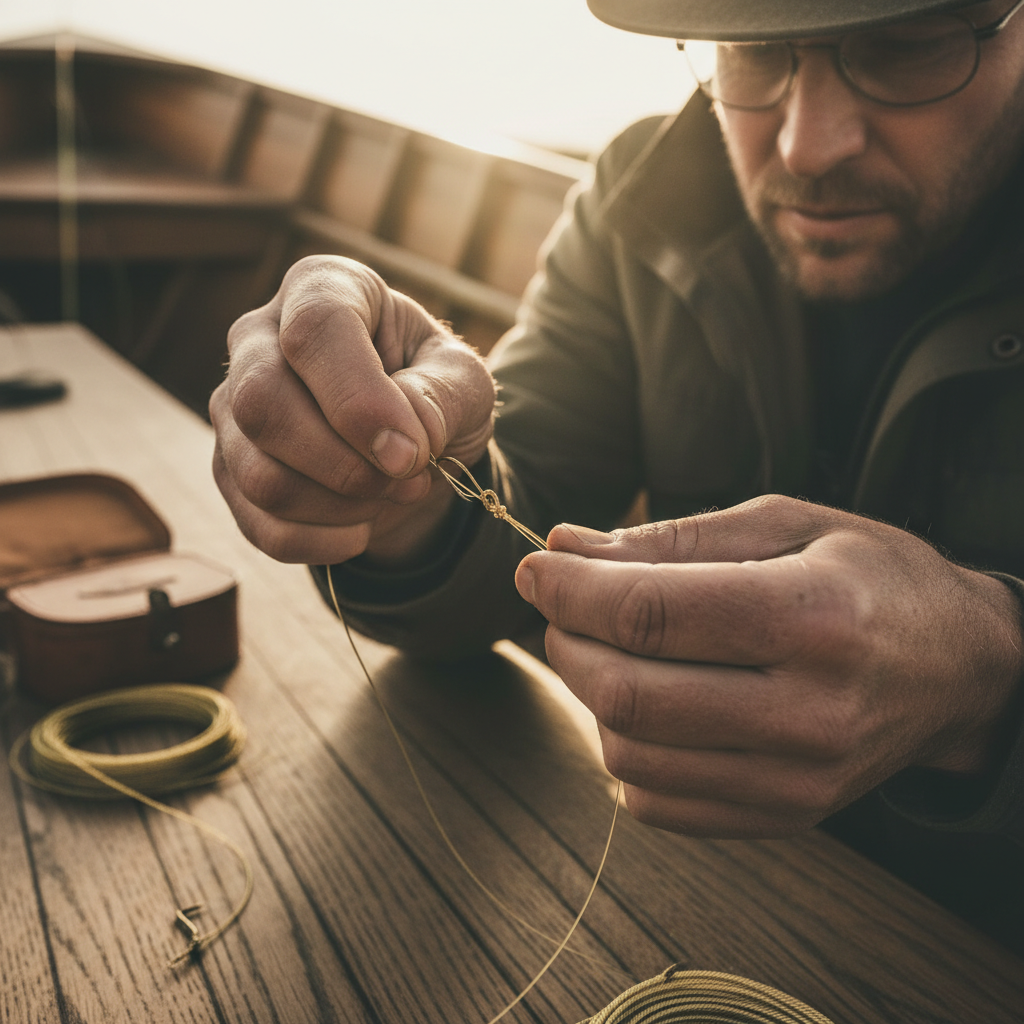
Consider the meticulous preparation involved. Choosing the right tackle, studying weather patterns, and understanding the habits of different species – these are all integral parts of the fishing experience. This preparation fosters a sense of anticipation, a feeling of excitement that builds as the day of the trip approaches.
And then there’s the solitude, the opportunity to disconnect from the digital world and reconnect with oneself. The gentle lapping of waves, the rustling of leaves, the calls of birds – these are the sounds that fill the air, replacing the constant barrage of notifications and emails. In this tranquil environment, thoughts can flow freely, and a sense of calm can wash over the soul.
The Art of Patience: A Lesson in Delayed Gratification
In a society driven by instant gratification, where we can order anything online and have it delivered to our doorstep within hours, fishing offers a stark contrast. It’s an activity that demands patience, perseverance, and the acceptance that success is not always guaranteed.
Hours can be spent casting a line, waiting for a bite that may never come. But even in the absence of a catch, there is value to be found in the waiting. It’s a lesson in delayed gratification, a reminder that not all rewards come easily.
This patience translates beyond the water’s edge. It seeps into other aspects of our lives, making us more tolerant, more understanding, and more resilient in the face of challenges. In a world that often feels chaotic and unpredictable, fishing teaches us to embrace the uncertainty and find peace in the present moment.
The Thrill of the Chase: Mastering the Art of the Angle
While patience is paramount, fishing is far from a passive activity. It requires skill, knowledge, and a keen understanding of the environment. Mastering the art of the angle involves learning to read the water, identifying the most likely spots for fish to congregate, and selecting the right lure or bait to entice them.
It’s a constant learning process, a continuous refinement of technique. Each cast is an experiment, each bite a potential reward. And when that reward finally comes, the feeling of accomplishment is immense. It’s the culmination of hours of preparation, patience, and skill, a testament to the angler’s dedication and expertise.
A Connection to Nature: Understanding Our Place in the Ecosystem
Fishing is more than just a sport or a hobby; it’s a connection to nature, a chance to understand our place in the intricate web of life. By spending time in the natural world, we gain a deeper appreciation for its beauty, its fragility, and its importance.
We observe the changing seasons, the ebb and flow of the tides, and the complex interactions between different species. We learn about the delicate balance of the ecosystem and the impact that human activity can have on it.
This understanding fosters a sense of responsibility, a desire to protect and preserve the natural world for future generations. We become more mindful of our consumption habits, more aware of the environmental impact of our actions, and more committed to living sustainably.
The Ethics of Angling: Respecting the Resource
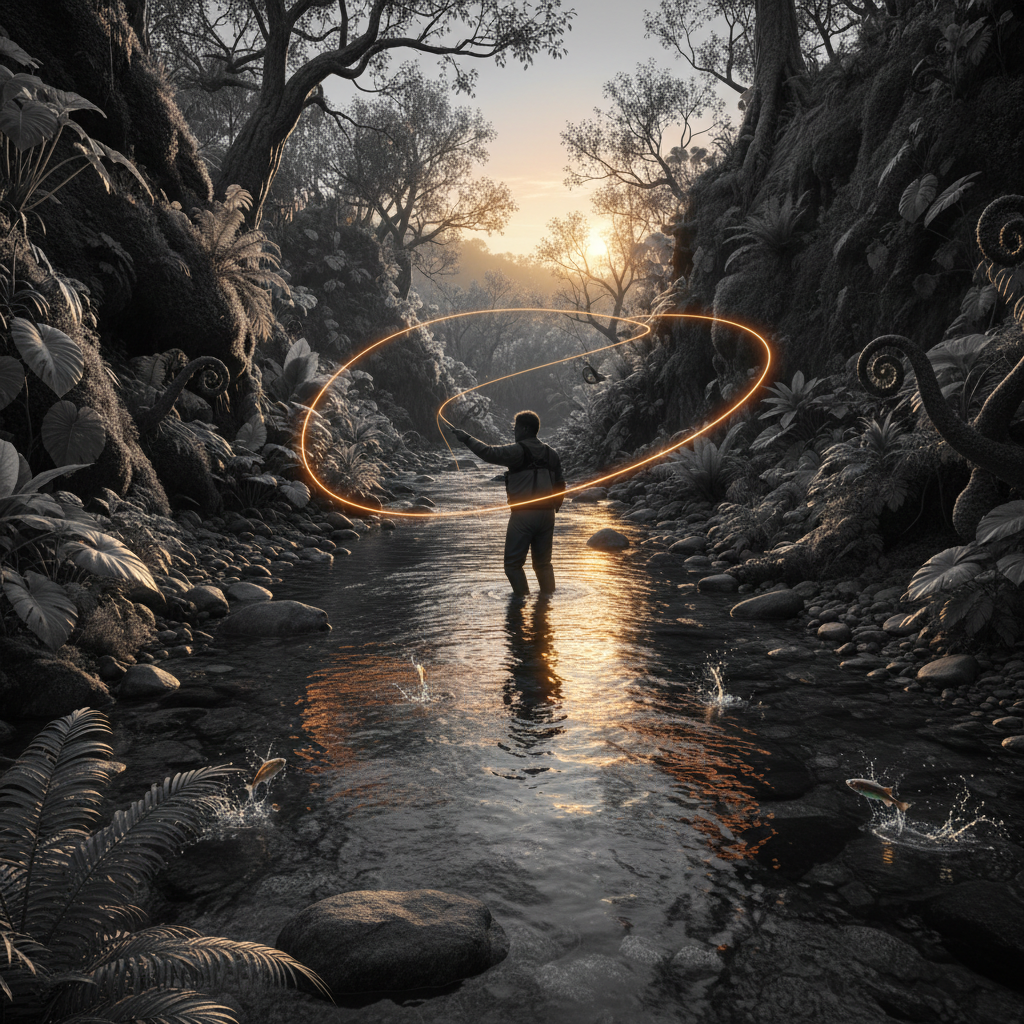
Responsible angling is crucial to ensuring the long-term sustainability of fish populations. This involves adhering to fishing regulations, practicing catch and release, and minimizing our impact on the environment.
Catch and release, in particular, is a vital conservation practice. By carefully releasing fish back into the water, we allow them to reproduce and contribute to the overall health of the population. It’s a recognition that fishing is not just about taking, but also about giving back.
Furthermore, respecting the environment means avoiding littering, minimizing noise pollution, and protecting sensitive habitats. We are guests in the natural world, and we must act accordingly.
Fishing as a Metaphor: Life Lessons from the Water
The lessons learned on the water often extend far beyond the realm of fishing. The patience, perseverance, and adaptability required to be a successful angler are also valuable qualities in life.
Fishing teaches us to embrace the uncertainty, to accept that things don’t always go according to plan. It teaches us to learn from our mistakes, to adapt our strategies, and to never give up hope.
It also teaches us the importance of observation, of paying attention to the subtle details that can make all the difference. Whether it’s reading the body language of a potential client or noticing a change in market trends, the ability to observe and interpret information is crucial to success in any field.
Finding Your Own Stillness: The Mental Health Benefits of Fishing
In today’s fast-paced world, stress and anxiety are rampant. Fishing provides a welcome escape from the pressures of modern life, a chance to disconnect from technology and reconnect with oneself.
The repetitive motion of casting a line, the gentle lapping of waves, and the quiet contemplation of nature all have a calming effect on the mind. Studies have shown that spending time in nature can reduce stress hormones, lower blood pressure, and improve overall mental well-being.
Fishing is a form of mindfulness, a way to focus on the present moment and let go of worries about the future. It’s a chance to find your own stillness, to quiet the inner critic, and to appreciate the simple joys of life.

Passing on the Tradition: Fishing as a Generational Bond
Fishing is often a tradition passed down through generations, a shared experience that strengthens family bonds and creates lasting memories. Grandparents teaching their grandchildren how to cast a line, fathers taking their sons on their first fishing trip – these are the moments that shape our lives and connect us to our past.
By sharing our love of fishing with younger generations, we not only impart valuable skills and knowledge but also instill a sense of respect for nature and a commitment to conservation. We pass on the tradition of patience, perseverance, and the appreciation of the simple things in life.
Creating Lasting Memories: The Stories We Tell
Every fishing trip has a story to tell, whether it’s the one that got away, the unexpected catch, or the hilarious mishap. These stories become part of our personal history, cherished memories that we relive and share with others.
They are the tales of camaraderie, of shared experiences, and of the bonds that are forged on the water. They are the stories that we tell around the campfire, the stories that we pass down to future generations, and the stories that keep the spirit of fishing alive.
The Future of Fishing: Adapting to a Changing World
As the world continues to evolve, the future of fishing will depend on our ability to adapt to changing environmental conditions, embrace sustainable practices, and engage new generations in the sport.
Climate change, pollution, and habitat loss all pose significant threats to fish populations and the ecosystems they inhabit. We must work together to mitigate these threats, to protect our waterways, and to ensure the long-term health of our fisheries.
This involves supporting conservation efforts, advocating for responsible fishing regulations, and educating others about the importance of sustainable practices. It also means embracing new technologies and techniques that can help us fish more efficiently and responsibly.
Embracing the Simplicity: Finding Your Own Fishing Story
Ultimately, the return to simplicity that fishing offers is a personal journey. It’s about finding your own connection to nature, your own sense of peace, and your own story to tell.
Whether you’re a seasoned angler or a complete novice, there’s something to be gained from spending time on the water. It’s a chance to slow down, to appreciate the beauty of the natural world, and to reconnect with yourself.
So, grab a rod, find a quiet spot, and cast a line. You might just discover that fishing is more than just a hobby; it’s a way of life. It’s a way to reconnect with our roots, to find solace in nature, and to embrace the simple joys of life. The lure of the water, the anticipation of the catch, and the quiet moments of reflection – these are the elements that make fishing an enduring and enriching experience. And in a world that’s constantly speeding up, perhaps that’s exactly what we need. The return to simplicity, the quiet focus, the connection to nature – all found in the simple act of casting a line.