The Unsung Virtue of Patience in Angling: A Beginner’s Guide
Fishing. It’s often portrayed as a leisurely pursuit, a chance to connect with nature and escape the hustle and bustle of modern life. And while that’s certainly part of its allure, anyone who’s ever cast a line knows that fishing also demands a considerable amount of patience. For the beginner angler, this can be one of the most challenging aspects to master. We live in a world of instant gratification, where information and entertainment are available at our fingertips. Learning to slow down, be present, and embrace the waiting game can feel almost counter-cultural. But trust me, patience isn’t just a virtue in fishing; it’s the key that unlocks success.
Why is patience so crucial? Because fishing is inherently unpredictable. You’re dealing with living creatures in a dynamic environment. There are countless factors that can influence whether or not a fish decides to bite – water temperature, weather conditions, time of day, the type of bait or lure you’re using, and even the fish’s mood. You can do everything “right” and still come home empty-handed. That’s where patience comes in. It allows you to persevere through the slow periods, to adapt to changing conditions, and to stay focused even when the fish aren’t cooperating.
Understanding the Patience Paradox
Here’s the paradox: The more patient you are, the more likely you are to catch fish. It seems counterintuitive, doesn’t it? You might think that constantly changing your bait, moving to different spots, or reeling in and casting repeatedly will increase your chances of success. And sometimes, that might be true. But more often than not, these frantic actions are counterproductive. They can spook the fish, disturb the water, and ultimately reduce your odds of getting a bite. Patience allows you to observe, to learn, and to react strategically, rather than impulsively.
Imagine you’re sitting by a lake, waiting for a bite. The sun is warm, the birds are singing, and the water is shimmering. After an hour, you haven’t had a single nibble. Your first instinct might be to pack up and go home. But what if, just five minutes later, a trophy-sized bass swam by and took your bait? Patience gives you the opportunity to be there for that moment, to capitalize on the unpredictable nature of fishing. It’s about trusting the process, believing in your strategy, and staying committed even when you don’t see immediate results. It’s about understanding that the reward is often proportional to the amount of effort and dedication you invest, not just in casting the line, but in waiting for the right moment.
Cultivating Patience: Practical Strategies for Beginner Anglers
So, how do you develop the patience of a seasoned angler? It’s not something that happens overnight. It requires conscious effort, practice, and a willingness to embrace the slow moments. Here are some practical strategies to help you cultivate patience on the water:
Embrace the Zen of Fishing
Think of fishing as a form of meditation. Focus on your breath, observe the natural world around you, and let go of your expectations. Don’t get so caught up in the pursuit of catching fish that you forget to appreciate the present moment. Notice the way the sunlight dances on the water, the sound of the wind in the trees, and the feeling of the earth beneath your feet. By connecting with nature, you can find a sense of calm and contentment that makes the waiting game much more enjoyable.
Consider this: fishing provides a unique opportunity to disconnect from the digital world and reconnect with the physical one. Leave your phone in your bag (or at least on silent) and resist the urge to constantly check emails or social media. Instead, focus your attention on the sights, sounds, and smells of your surroundings. This mindful approach can not only enhance your patience but also improve your overall well-being.

Set Realistic Expectations
One of the biggest reasons why beginner anglers get discouraged is that they have unrealistic expectations. They see pictures of people holding up huge fish and assume that catching a trophy is easy. The truth is, catching fish takes time, skill, and a healthy dose of luck. Don’t measure your success solely by the number or size of the fish you catch. Instead, focus on the process of learning and improving your skills. Celebrate small victories, like mastering a new knot, accurately casting your line, or identifying different types of fish. By setting realistic expectations, you’ll be less likely to get frustrated when the fish aren’t biting.
It’s also helpful to research the specific body of water you’ll be fishing in. Find out what species of fish are present, what their feeding habits are, and what types of bait or lures are most effective. This knowledge will help you make informed decisions and increase your chances of success, which can, in turn, boost your confidence and patience.
Develop a Pre-Fishing Ritual
Creating a pre-fishing ritual can help you mentally prepare for a day of patience and focus. This ritual could include things like checking the weather forecast, organizing your tackle box, preparing your fishing gear, and visualizing yourself catching fish. By following a consistent routine, you can create a sense of calm and anticipation that will help you stay patient and focused throughout the day.
Think of it as a mental warm-up. Just like athletes prepare their bodies for competition, you can prepare your mind for a day of fishing. This ritual can also serve as a reminder of why you enjoy fishing in the first place – the connection with nature, the challenge of the sport, and the satisfaction of catching a fish. By focusing on these positive aspects, you’ll be more likely to stay patient and persevere through the slow periods.
Experiment with Different Techniques
While patience is important, it’s also crucial to be adaptable. If you’ve been fishing in the same spot with the same bait for hours without any luck, it might be time to try something different. Experiment with different techniques, such as changing your bait or lure, adjusting your casting distance, or moving to a new location. Don’t be afraid to try new things and learn from your mistakes. The more you experiment, the more you’ll learn about the behavior of fish and the factors that influence their feeding habits.
Consider keeping a fishing journal to track your successes and failures. Note the date, time, location, weather conditions, bait or lure used, and any other relevant information. This journal can serve as a valuable resource for future fishing trips, helping you identify patterns and make informed decisions about your strategy. It also provides concrete data, allowing you to assess your progress and learn from past experiences, further building your resilience and patience.
Find a Fishing Buddy
Fishing with a friend or family member can make the waiting game much more enjoyable. You can share stories, offer encouragement, and learn from each other’s experiences. Having a fishing buddy can also help you stay motivated and focused, especially during slow periods. Plus, it’s always more fun to celebrate a successful catch with someone else.
Beyond the social aspect, fishing with a more experienced angler can provide valuable learning opportunities. They can offer tips and advice on everything from casting techniques to fish identification. Observing their approach and asking questions can accelerate your learning curve and help you develop the skills you need to become a more successful and patient angler.
The Long-Term Rewards of Patience in Fishing
The benefits of patience extend far beyond just catching more fish. Fishing teaches you valuable life lessons that can be applied to other areas of your life. It teaches you to be persistent, to be resilient, and to appreciate the small moments. It teaches you to be present, to be mindful, and to connect with nature. And perhaps most importantly, it teaches you that success often comes to those who are willing to wait for it.
Developing Mental Fortitude
The ability to remain calm and focused in the face of adversity is a valuable skill in any endeavor. Fishing provides ample opportunities to develop this mental fortitude. Whether you’re dealing with unfavorable weather conditions, stubborn fish, or tangled lines, fishing challenges you to stay positive and persevere. By learning to overcome these challenges, you’ll develop a stronger sense of self-confidence and resilience, which will serve you well in all aspects of your life.
Think of each fishing trip as a mini-lesson in patience and perseverance. Every time you resist the urge to give up and instead choose to stay focused and committed, you’re strengthening your mental muscles. Over time, these small victories will add up, making you a more resilient and patient individual.
Connecting with Nature
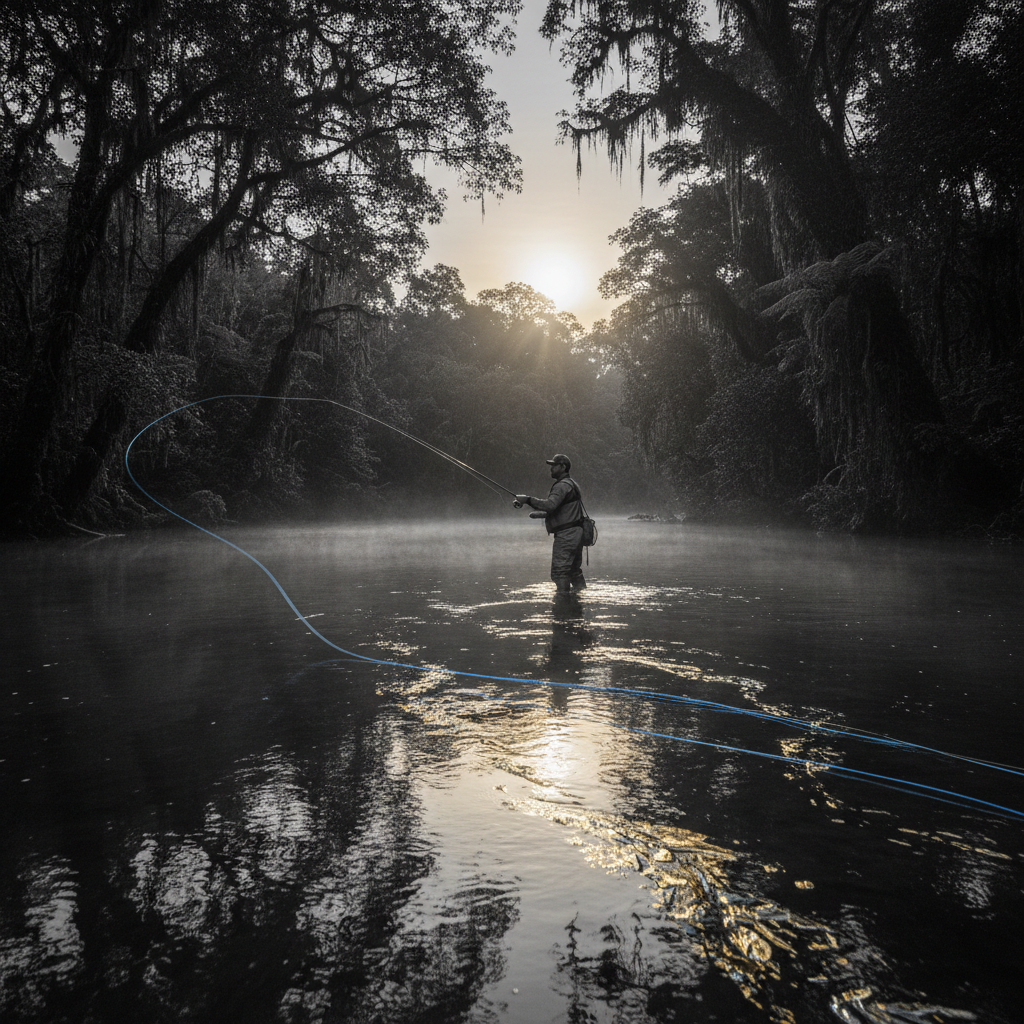
In today’s fast-paced world, it’s easy to become disconnected from nature. Fishing provides a wonderful opportunity to reconnect with the natural world and appreciate its beauty and complexity. By spending time outdoors, you can reduce stress, improve your mood, and gain a deeper understanding of the environment. You’ll learn to observe the subtle changes in the weather, the patterns of animal behavior, and the delicate balance of the ecosystem. This connection with nature can foster a sense of responsibility and stewardship, inspiring you to protect the environment for future generations.
Consider taking the time to learn about the local flora and fauna in the areas where you fish. Identify the different types of trees, plants, and animals that you encounter. This knowledge will deepen your appreciation for the natural world and make your fishing experience even more rewarding. It also highlights the importance of responsible fishing practices, such as catch and release, to ensure the sustainability of fish populations and the health of the ecosystem.
Finding Inner Peace
In the stillness of a lake or the rushing waters of a river, you can find a sense of peace and tranquility that’s hard to come by in other aspects of life. Fishing provides a chance to escape the noise and distractions of the modern world and focus on the present moment. It’s a time to quiet your mind, relax your body, and connect with your inner self. This can be a powerful antidote to stress and anxiety, promoting a sense of well-being and contentment.
Embrace the solitude of fishing and allow yourself to be fully present in the moment. Let go of your worries and anxieties and simply focus on the task at hand. Listen to the sounds of nature, feel the warmth of the sun on your skin, and breathe in the fresh air. By practicing mindfulness and cultivating a sense of inner peace, you can transform your fishing experience into a truly transformative one.
Common Patience-Testing Scenarios and How to Overcome Them
Even the most seasoned anglers face situations that test their patience. Here are a few common scenarios and strategies for navigating them:
The “Skunked” Trip
Everyone gets skunked – that is, goes fishing and catches absolutely nothing. It’s frustrating, but it’s part of the game. Don’t let a skunked trip discourage you. Instead, view it as a learning opportunity. Analyze what went wrong and identify areas where you can improve. Maybe you chose the wrong bait, fished in the wrong location, or used the wrong technique. By learning from your mistakes, you’ll be better prepared for your next fishing trip.
Instead of focusing on the lack of fish, try to focus on the positive aspects of the trip. Did you enjoy the scenery? Did you learn anything new? Did you spend quality time with friends or family? By shifting your perspective, you can turn a disappointing experience into a positive one.
Tangled Lines and Broken Gear
Tangled lines and broken gear are inevitable parts of fishing. They can be incredibly frustrating, especially when you’re trying to focus on catching fish. The key is to stay calm and address the problem methodically. Take a deep breath, assess the situation, and work to untangle the line or repair the gear as efficiently as possible. Having a well-stocked tackle box with essential tools can make these situations much easier to handle.
Consider practicing your knot-tying skills at home so you can quickly and easily tie new knots when necessary. Familiarize yourself with the operation and maintenance of your fishing gear to prevent breakdowns. By being prepared and proactive, you can minimize the impact of these frustrating situations on your overall fishing experience.
Uncooperative Weather
Weather can have a significant impact on fishing conditions. Sometimes, the weather simply doesn’t cooperate. It might be too hot, too cold, too windy, or too rainy. While you can’t control the weather, you can control how you react to it. Dress appropriately for the conditions and be prepared to adapt your fishing strategy as needed. If the weather is too severe, it’s always best to err on the side of caution and postpone your fishing trip.
Before heading out on a fishing trip, check the weather forecast carefully and be aware of any potential hazards. Pack extra layers of clothing, rain gear, and sunscreen to protect yourself from the elements. If the weather changes unexpectedly while you’re fishing, be prepared to adjust your plans or seek shelter.
Patience: The Gift That Keeps on Giving
In conclusion, patience is not just a virtue in fishing; it’s an essential ingredient for success. It allows you to persevere through the slow periods, to adapt to changing conditions, and to stay focused even when the fish aren’t cooperating. By cultivating patience, you’ll not only catch more fish but also develop valuable life skills that will serve you well in all aspects of your life. So, the next time you’re out on the water, remember to embrace the Zen of fishing, set realistic expectations, and find joy in the process. The rewards of patience are well worth the effort.

Ultimately, the patience you cultivate while fishing will extend beyond the banks of the river or the shores of the lake. It will seep into your everyday life, influencing how you approach challenges, how you interact with others, and how you perceive the world around you. It’s a skill that, once honed, becomes a silent strength, a quiet confidence that guides you through the inevitable ebbs and flows of life. So, embrace the wait, relish the silence, and let the patience that works for beginner anglers transform not only your fishing experience, but your life as well.