The Unspoken Creed of Successful Anglers: Master the Bait
For generations, anglers have chased the thrill of the catch, each cast a whisper of hope carried on the wind. We pour over maps, dissect weather patterns, and invest in the latest gear, all in pursuit of that elusive tug on the line. But amidst the complexities of modern fishing, one fundamental truth remains: the bait is king. Ignoring this single, crucial element is a mistake that separates the weekend dabbler from the seasoned pro. It’s more than just tossing something shiny into the water; it’s about understanding the ecosystem, the target species, and the subtle nuances that transform an offering into an irresistible temptation.
Have you ever considered why some days, despite all your efforts, the fish simply refuse to bite? The answer often lies not in your technique or location, but in the offering itself. It’s a lesson learned through countless hours on the water, a silent understanding passed down from one generation of anglers to the next. It’s a rule, often unspoken but universally understood by those who consistently find success: choose your bait wisely, and present it flawlessly.
Understanding the Ecosystem: A Fish’s Dinner Plate
Before even considering the type of bait, an experienced angler first seeks to understand the environment they’re fishing in. What naturally occurs in the water? What are the primary food sources for the target species? This knowledge forms the foundation of effective bait selection.
For example, if you’re fishing a trout stream known for its prolific mayfly hatches, presenting a realistic mayfly imitation is far more likely to yield results than throwing a large, gaudy spinner. Similarly, if you’re targeting bass in a lake teeming with crawfish, a crawfish-imitating crankbait or jig will be significantly more effective than a topwater lure designed for open water.
This understanding extends beyond simply identifying the prevalent food sources. It also involves considering the time of year, water temperature, and water clarity. During the spring spawning season, many fish become more aggressive and territorial, making them more likely to strike lures that mimic potential threats to their nests. In colder water, fish metabolism slows down, making them less likely to chase fast-moving baits. Clear water allows fish to see baits from a greater distance, requiring more natural presentations, while murky water calls for baits that create vibrations and silhouettes that are easily detected.
Think of it as preparing a meal for a discerning diner. You wouldn’t serve steak to a vegetarian, nor would you offer ice cream to someone with a lactose intolerance. Likewise, presenting the wrong bait to a fish is a surefire way to end up with an empty hook.
The Psychology of the Strike: Appealing to Instinct
Choosing the right bait is only half the battle; the presentation is equally crucial. This involves understanding the psychology of the fish you’re targeting and presenting the bait in a way that appeals to their instincts.
For predatory fish like bass, pike, and musky, the strike is often triggered by a combination of sight, sound, and vibration. They are ambush predators, lying in wait for unsuspecting prey to wander within striking distance. To entice a strike, your bait needs to mimic the movement and appearance of a natural food source, triggering the fish’s predatory instincts. This might involve using a retrieve that imitates the erratic movements of a wounded baitfish, or using a jigging motion that resembles a crawfish scurrying across the bottom.
For other species, like trout and panfish, the strike is often more subtle and deliberate. They are more likely to scrutinize the bait before committing to a strike, requiring a more natural and finesse presentation. This might involve using light line and small hooks, or drifting the bait naturally with the current to avoid any unnatural drag or movement.
The key is to think like a fish. What would make them want to strike your bait? What would make them hesitate? By understanding their behavior and adapting your presentation accordingly, you can significantly increase your chances of success.
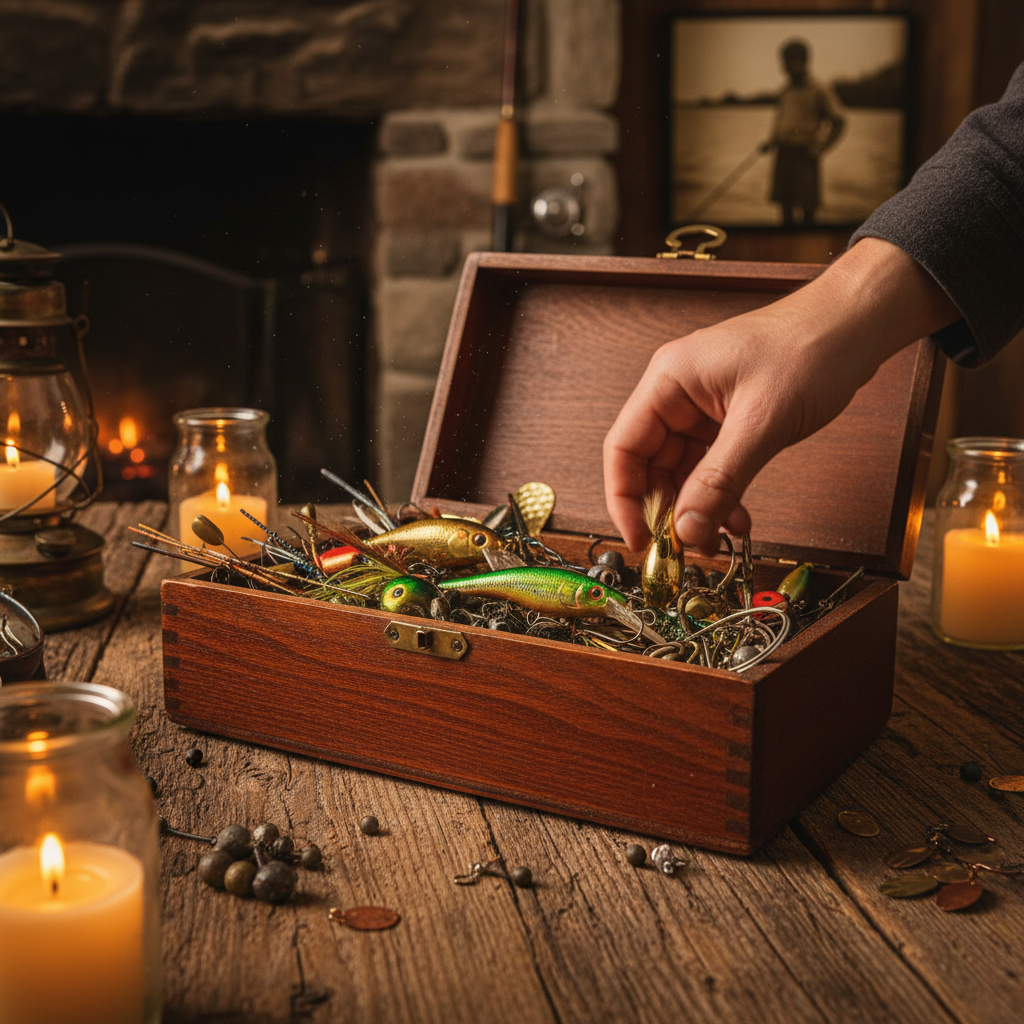
Beyond the Basics: Advanced Bait Strategies
Once you’ve mastered the fundamentals of bait selection and presentation, you can begin to explore more advanced strategies that can further enhance your fishing success. This involves experimenting with different techniques, adapting to changing conditions, and constantly learning from your experiences.
The Power of Scent: Adding Another Dimension
While sight and movement are often the primary triggers for a strike, scent can also play a significant role, especially in murky water or when targeting species with a keen sense of smell. Adding scent to your bait can help mask any unnatural odors, such as human scent or the smell of plastic, and can also create a scent trail that attracts fish from a distance.
There are a variety of scent products available, ranging from natural attractants like fish oil and anise extract to synthetic scents that mimic the smell of specific prey items. Experimenting with different scents can be a game-changer, especially when fishing in challenging conditions.
Consider, for example, using a crawfish-scented gel on a jig when fishing in murky water. The scent will help the fish locate the bait, even if they can’t see it clearly, and will also encourage them to hold onto the bait longer, giving you more time to set the hook.
Matching the Hatch: The Fly Fisherman’s Secret
For fly fishermen, matching the hatch is a fundamental principle that involves identifying the insects that are currently hatching on the water and using flies that closely imitate them. This requires a keen eye for detail and a thorough understanding of insect life cycles.
While matching the hatch is primarily associated with fly fishing, the underlying principle can be applied to other forms of fishing as well. By observing the natural food sources that are available to the fish and using baits that closely resemble them, you can significantly increase your chances of success.
If you notice a swarm of grasshoppers near the water’s edge, try using a topwater lure that imitates a grasshopper. If you see small baitfish swimming near the surface, try using a small crankbait or swimbait that mimics their size and color. The more closely your bait resembles the natural food sources that the fish are accustomed to eating, the more likely they are to strike.
The Art of the Tease: Provoking a Reaction
Sometimes, even the most realistic and well-presented bait won’t elicit a strike. In these situations, you may need to resort to more aggressive tactics to provoke a reaction from the fish. This might involve using a fast retrieve, erratic movements, or loud rattling lures to trigger their predatory instincts.
The key is to find the right balance between enticing and irritating the fish. You want to create enough commotion to get their attention, but not so much that you scare them away. This requires experimentation and a good understanding of the fish’s behavior.
Imagine you’re fishing for bass in a lake with heavy weed cover. A slow-moving bait might get lost in the weeds, while a fast-moving bait might not give the fish enough time to react. In this situation, a good strategy might be to use a buzzbait, which creates a lot of noise and vibration as it moves across the surface of the water. The noise and vibration will attract the fish’s attention, and the fast-moving bait will trigger their predatory instincts.
The Ethical Angler: Bait with Respect
While the pursuit of the catch is a driving force for many anglers, it’s important to remember that we are interacting with a living ecosystem and that our actions can have a significant impact on the environment. Choosing the right bait isn’t just about catching more fish; it’s also about doing so in a responsible and ethical manner.
Minimizing Harm: Choosing Sustainable Options
Some baits, such as live minnows and crawfish, can be highly effective but can also pose a risk to the environment. These baits can introduce invasive species or spread diseases to native fish populations. Additionally, the use of certain types of hooks can cause injury to fish, especially if they are swallowed.
To minimize harm, consider using artificial baits whenever possible. Artificial baits are often just as effective as live baits, and they don’t pose the same risks to the environment. When using live baits, make sure to purchase them from a reputable source and to dispose of any unused baits properly. Also, consider using circle hooks, which are designed to hook fish in the corner of the mouth, making it easier to release them unharmed.
It’s also important to be mindful of the chemicals that are used in some artificial baits. Some baits contain toxic chemicals that can leach into the water and harm aquatic life. Choose baits that are made from environmentally friendly materials and avoid using baits that contain harmful chemicals.
Practicing Catch and Release: Conserving Resources
Catch and release fishing is an important conservation practice that allows anglers to enjoy the sport while minimizing the impact on fish populations. By releasing the fish that you catch, you are helping to ensure that future generations will have the opportunity to enjoy the same fishing experiences that you do.
When practicing catch and release, it’s important to handle the fish carefully and to minimize the amount of time that they are out of the water. Use wet hands to handle the fish, and avoid touching their gills or eyes. If you need to take a photo, do so quickly and efficiently, and then release the fish as gently as possible.
It’s also important to use the right gear when practicing catch and release. Use barbless hooks or crimp down the barbs on your hooks to make it easier to remove them from the fish’s mouth. Use a landing net to avoid dropping the fish, and use a dehooker to remove the hook quickly and efficiently.

The Never-Ending Pursuit: Continuous Learning and Adaptation
The world of fishing is constantly evolving, with new techniques, baits, and technologies emerging all the time. To remain a successful angler, it’s essential to embrace a mindset of continuous learning and adaptation.
Staying Informed: Reading, Watching, and Talking
There are countless resources available to help anglers improve their skills and knowledge. Books, magazines, websites, and videos offer a wealth of information on everything from bait selection and presentation to advanced fishing techniques.
Take the time to read articles and watch videos about the species that you are targeting and the waters that you are fishing. Talk to other anglers and ask them for advice. The more you learn, the better equipped you will be to adapt to changing conditions and to find success on the water.
Consider joining a local fishing club or organization. These groups often host seminars, workshops, and fishing trips that can provide valuable learning opportunities. They also offer a chance to connect with other anglers and to share your experiences.
Experimenting and Observing: The School of Hard Knocks
While learning from others is important, the best way to improve your fishing skills is to spend time on the water and to learn from your own experiences. Experiment with different baits, techniques, and presentations, and pay attention to what works and what doesn’t.
Keep a fishing log to record your catches, the conditions you were fishing in, and the baits and techniques that you used. This will help you to identify patterns and to learn from your mistakes. It will also help you to remember what worked well in the past so that you can repeat those successes in the future.
Don’t be afraid to try new things. The more you experiment, the more likely you are to discover new and effective ways to catch fish.
The Ultimate Bait: Patience and Perseverance
In the end, the most important bait of all is patience and perseverance. Fishing is not always easy, and there will be days when the fish simply refuse to bite. But if you are persistent, if you keep learning, and if you never give up, you will eventually find success.
Remember that fishing is more than just catching fish. It’s about spending time outdoors, connecting with nature, and enjoying the peace and tranquility of the water. It’s about the camaraderie of sharing stories with friends and family, and about the satisfaction of overcoming challenges and achieving your goals.
So, the next time you head out to the water, remember the unspoken creed of the experienced angler: master the bait. Understand the ecosystem, appeal to the fish’s instincts, and always fish with respect. And most importantly, be patient and persistent, and never give up on your dreams. The rewards will be well worth the effort. It’s a journey, not just a destination. The lessons learned on the water transcend the act of fishing itself, shaping us into more observant, patient, and appreciative individuals. The “one bait rule” isn’t just about catching fish; it’s about connecting with something deeper, something primal within us all. It’s about understanding our place in the natural world and respecting the delicate balance of life that surrounds us. And that, ultimately, is the greatest catch of all.