The Unseen Edge: Small Bait, Big Difference
In the grand theater of angling, where persistence dances with precision, and patience waltzes with the whims of the underwater world, it’s often the minuscule details that orchestrate the most dramatic scenes. We obsess over rod action, scrutinize line strength, and debate the merits of various reel technologies, yet frequently overlook the silent protagonist in our fishing narrative: the bait presentation. Specifically, the nearly invisible adjustments we can make that tip the scales in our favor.
Think about it. Fish are bombarded with stimuli. They navigate a world of constant currents, shifting shadows, and a cacophony of scents. To entice them, we need to cut through the noise, offering not just sustenance, but an irresistible proposition. It’s not enough to simply impale a worm on a hook; we need to present it in a way that mimics nature, triggers instinct, and ultimately, encourages a commitment.
This isn’t about magic or superstition. It’s about understanding the nuances of fish behavior, the subtle cues that separate a cautious nibble from a full-blown strike. It’s about recognizing that even the smallest tweak to your bait presentation can be the difference between a frustrating day on the water and a memory etched in angling lore.
The Illusion of Natural Movement
One of the most critical aspects of effective bait presentation is creating the illusion of natural movement. Fish are incredibly adept at detecting unnatural presentations. A bait that appears stiff, lifeless, or tethered is far less likely to elicit a positive response. The key is to mimic the way a natural food source would behave in the water.
Consider a minnow, for example. It doesn’t swim in a straight line at a constant speed. It darts, pauses, and undulates with the current. To replicate this, we need to focus on rigging techniques that allow our bait to move freely and naturally. This might involve using lighter hooks, thinner line, or specialized rigging methods like drop-shotting or wacky rigging.
The size and shape of the bait itself also play a crucial role. Overly large or bulky baits can appear unnatural and intimidating, particularly in clear water or when targeting wary fish. In these situations, downsizing your bait can significantly improve your chances of success. Opt for smaller, more streamlined profiles that resemble the natural forage available to the fish.
Furthermore, think about the color of your bait. While bright, vibrant colors can be effective in murky water or during periods of low light, they can be detrimental in clear water. In these situations, natural colors that blend in with the surroundings are often a better choice. Consider using baits that mimic the color of local baitfish or insects. You can even experiment with clear or translucent baits, which can be particularly effective when fish are highly pressured or selective.
The Art of Finesse: When Less is More
Finesse fishing is a technique that emphasizes subtle presentations and natural movements. It’s particularly effective when targeting pressured fish or fishing in clear water. The core principle of finesse fishing is to use the lightest possible tackle and the smallest possible baits to entice cautious fish to strike.
One of the most popular finesse techniques is the drop-shot rig. This rig involves suspending a small bait above the weight, allowing it to move freely and naturally in the water column. The drop-shot rig is incredibly versatile and can be used to target a wide variety of species, from bass and walleye to trout and panfish.
Another effective finesse technique is wacky rigging. This involves hooking a soft plastic bait through the middle, allowing it to wiggle and undulate enticingly as it falls through the water. Wacky rigging is particularly effective for targeting bass and other predatory fish that are holding near cover.
The key to success with finesse fishing is patience and attention to detail. You need to be willing to experiment with different baits, rigging methods, and retrieves to find what works best in a given situation. Pay close attention to the way your bait is moving in the water and make adjustments as needed. Remember, the goal is to create the illusion of a natural food source that is easy for the fish to catch.
The Power of Scent and Taste
While visual presentation is undoubtedly important, don’t underestimate the power of scent and taste. Fish have incredibly sensitive olfactory systems and can detect even the slightest traces of scent in the water. By incorporating scents and flavors into your bait presentation, you can significantly increase your chances of attracting fish and triggering a strike.
There are a wide variety of scent and flavor attractants available on the market, ranging from natural extracts to synthetic formulas. Some attractants are designed to mimic the scent of natural food sources, while others are designed to simply mask human scent or other unnatural odors. Experiment with different attractants to find what works best in your local waters.
You can also enhance the scent and taste of your bait by using natural ingredients. For example, you can soak your bait in fish oil, garlic juice, or anise oil to add an extra layer of attraction. You can even use live bait, which naturally exudes a strong scent that can be irresistible to fish.
When using scent attractants, it’s important to apply them sparingly. Too much scent can actually repel fish, particularly in clear water or when targeting pressured fish. Start with a small amount and gradually increase the dosage until you find the right balance.

Hook Selection: The Unsung Hero
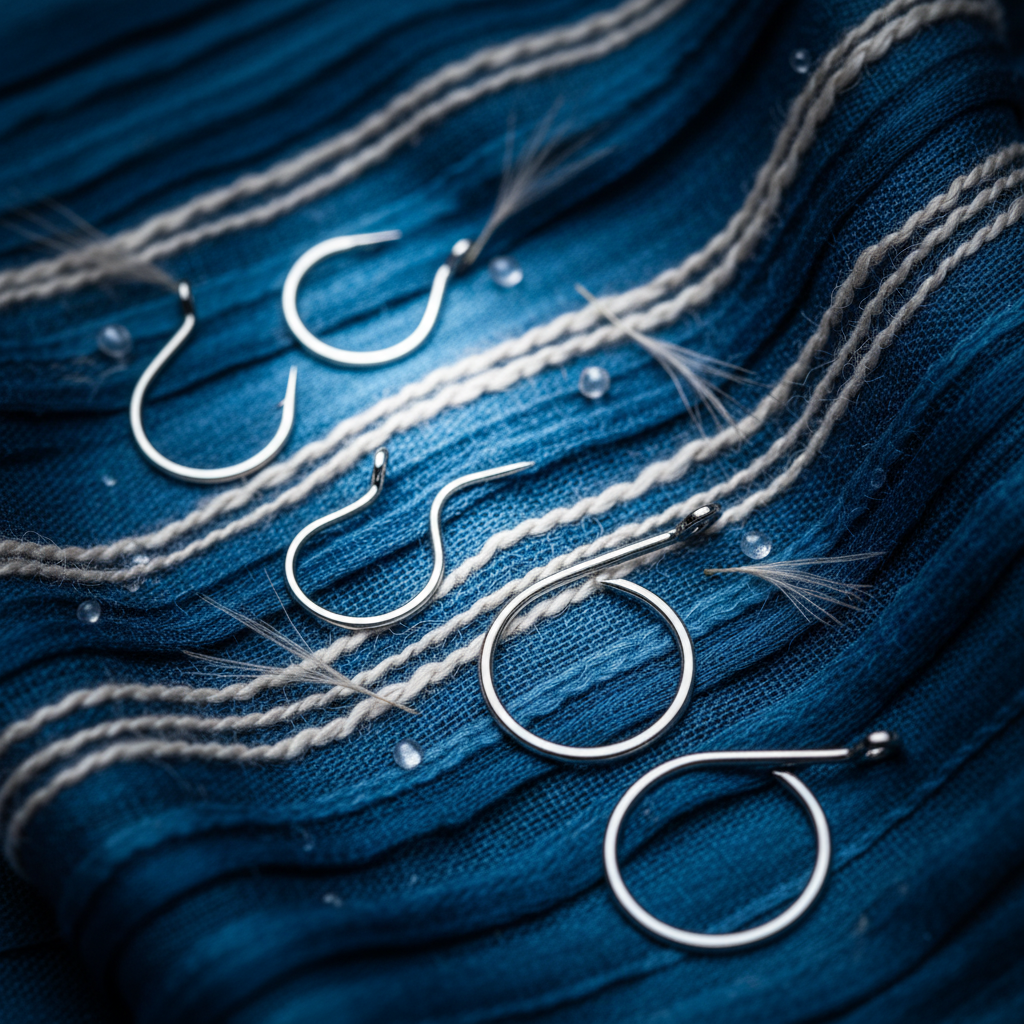
The hook is the critical link between angler and fish, and its selection deserves careful consideration. Choosing the right hook size, shape, and style can significantly impact your hook-up ratio and your ability to land fish. Many anglers choose hooks based on size alone, without fully considering the specific type of bait and fishing technique they plan to use.
For example, when fishing with soft plastic baits, a wide gap hook is often the best choice. These hooks have a wider gap between the point and the shank, which allows for better hook penetration when fishing with bulky baits. Circle hooks are ideal for live bait fishing because they are designed to hook fish in the corner of the mouth, minimizing the risk of gut hooking. Treble hooks are commonly used on crankbaits and other hard lures, as they provide multiple hooking points and increase the chances of a solid hook-up.
The size of the hook should be matched to the size of the bait. A hook that is too large can make the bait appear unnatural and may deter fish from striking. A hook that is too small may not provide adequate hook penetration, leading to missed opportunities. Experiment with different hook sizes to find the perfect match for your bait.
The sharpness of the hook is also crucial. A dull hook will require more force to penetrate the fish’s mouth, increasing the risk of losing the fish. Regularly sharpen your hooks with a hook sharpener to ensure that they are always razor-sharp. You can also opt for hooks that are chemically sharpened, which are known for their exceptional sharpness and durability.
Line Visibility: A Clear and Present Danger
In clear water, line visibility can be a significant factor in spooking fish. Fish have excellent eyesight and can easily detect thick, brightly colored lines. To minimize line visibility, opt for thinner, clearer lines. Fluorocarbon lines are virtually invisible underwater, making them an excellent choice for clear water fishing. You can also use a fluorocarbon leader in conjunction with a braided or monofilament mainline to reduce line visibility near the bait.
The color of your line can also impact its visibility. Clear or translucent lines are generally the least visible, but you can also experiment with different colors to find what works best in your local waters. Green and blue lines tend to blend in well with the aquatic environment, while brown and camouflage lines can be effective in murky water or when fishing near cover.
Consider the depth you are fishing. The deeper you fish, the less light penetrates the water, and the less visible your line becomes. In deep water, you can often get away with using slightly thicker or more visible lines without spooking the fish. However, it’s always best to err on the side of caution and use the lightest, clearest line possible.

Reading the Water: Understanding the Environment
Effective bait presentation goes beyond simply selecting the right bait and rigging it properly. It also requires a deep understanding of the environment in which you are fishing. Pay attention to the water clarity, current, depth, and structure. These factors can all influence the way you present your bait and the type of bait you choose to use.
For example, in clear water, you’ll need to use more subtle presentations and natural-looking baits. In murky water, you can often get away with using brighter colors and more aggressive presentations. In strong currents, you’ll need to use heavier weights to keep your bait in the strike zone. When fishing near structure, you’ll need to be careful to avoid snags and present your bait in a way that is appealing to fish that are holding near the cover.
Take the time to observe the water conditions and adjust your presentation accordingly. Look for signs of fish activity, such as baitfish jumping or swirls on the surface. These clues can help you pinpoint the areas where fish are most likely to be feeding.
The Psychology of the Strike
Ultimately, effective bait presentation is about understanding the psychology of the strike. Why does a fish choose to strike one bait over another? What triggers their predatory instincts? While there is no definitive answer, there are some general principles that can help you increase your chances of success.
Fish are opportunistic feeders. They are constantly on the lookout for easy meals. Present your bait in a way that makes it appear vulnerable and easy to catch. Use natural movements and subtle presentations to entice fish to strike. Avoid using jerky, unnatural retrieves that can spook fish. Instead, focus on creating a smooth, fluid presentation that mimics the behavior of a natural food source.
Consider the size and shape of your bait. Fish are often attracted to baits that resemble their natural prey. If you are fishing in an area where baitfish are abundant, use baits that mimic the size, shape, and color of those baitfish. You can also experiment with different bait profiles to see what the fish are most attracted to.
The speed of your retrieve can also influence the strike. Some fish prefer a fast-moving bait, while others prefer a slow, deliberate presentation. Experiment with different retrieve speeds to see what works best in a given situation. You can also try varying your retrieve, incorporating pauses, twitches, and other subtle movements to entice fish to strike.

Beyond the Catch: Respecting the Resource
While mastering the art of subtle bait presentation can undoubtedly enhance your angling success, it’s crucial to remember the importance of responsible fishing practices. We are stewards of the aquatic environment, and it’s our duty to protect and preserve these resources for future generations. Practice catch-and-release whenever possible, and always handle fish with care. Use barbless hooks to minimize injury, and avoid fishing in spawning areas during sensitive times of the year. By respecting the resource and fishing responsibly, we can ensure that these incredible ecosystems continue to thrive for years to come.
So, the next time you’re on the water, take a moment to consider the nearly invisible details that can make all the difference. Fine-tune your presentation, experiment with different techniques, and pay attention to the subtle cues that fish are giving you. With a little patience and attention to detail, you can unlock a new level of angling success and forge a deeper connection with the underwater world.