The Unseen Symphony of Preparation
Fishing, at its core, isn’t just about the act of casting a line and hoping for a bite. It’s a nuanced dance between angler and environment, a silent conversation conducted through the language of tackle, technique, and, most importantly, mental preparation. It’s in that quiet space before the strike, the moment before the reel screams, that the true definition of a successful catch resides. This isn’t merely about luck; it’s about the unseen symphony of preparation, a mental detail often overlooked by the casual observer.
Have you ever watched a seasoned angler, seemingly unfazed by hours of fruitless casting, suddenly explode into action with a perfectly timed hookset? What separates them from the angler who spends the day reeling in seaweed and disappointment? It’s not magic, nor is it sheer chance. It’s the culmination of meticulous planning, unwavering focus, and an almost preternatural ability to anticipate the unseen events unfolding beneath the water’s surface.
The “catch before the strike” is a concept that encapsulates this mental fortitude. It speaks to the angler’s ability to visualize the entire fishing process, from selecting the right lure to presenting it in a way that entices a strike. It’s about understanding the behavior of the target species, the nuances of the water conditions, and the subtle cues that indicate a fish is nearby. It’s about building a mental model of the underwater world and projecting yourself into that space.
Deconstructing the Mental Catch
Let’s break down the key components that contribute to this “catch before the strike” mentality:
- Knowledge is Power: Understanding the habits of the fish you’re targeting is paramount. What do they eat? Where do they like to hide? What time of day are they most active? The more you know, the better you can predict their behavior.
- Environmental Awareness: Paying attention to the surrounding environment is crucial. What’s the water temperature? Is there current? What’s the weather doing? These factors can all influence fish behavior and affect your presentation.
- Tackle Mastery: Knowing your equipment inside and out is essential. Can you cast accurately with your rod and reel? Do you understand the action of your lure? Are your knots strong and reliable? Confidence in your gear allows you to focus on the task at hand.
- Presentation Precision: How you present your lure or bait is critical. Are you retrieving it at the right speed? Are you imparting the right action? Are you fishing the right depth? A well-presented lure can trigger a strike even when the fish aren’t actively feeding.
- Mental Visualization: This is perhaps the most crucial element. Close your eyes and visualize the entire fishing process. See your lure swimming through the water, imagine a fish tracking it, and anticipate the moment of the strike.
The Importance of Pre-Trip Preparation
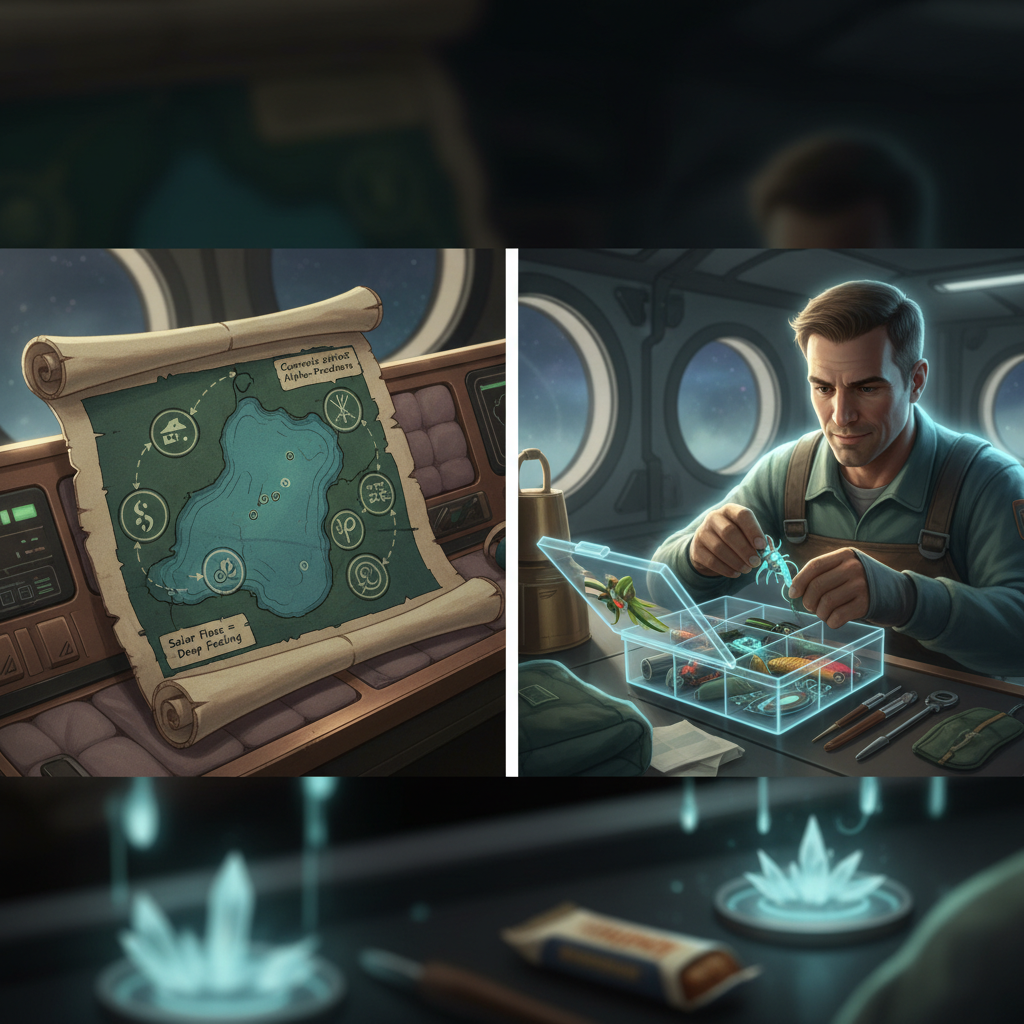
The mental preparation for a fishing trip begins long before you even step foot on the water. It starts with research and planning. Spend time studying maps of the area you’ll be fishing, looking for promising spots. Read reports from other anglers to get an idea of what’s been working. Check the weather forecast and plan your attire accordingly.
Organize your tackle box and make sure you have all the necessary gear. Sharpen your hooks, spool fresh line onto your reels, and check your knots. This may seem like a mundane task, but it’s a crucial step in building confidence and ensuring you’re prepared for anything.
Consider the specific conditions you’ll be facing and select your lures and baits accordingly. If you’re fishing in clear water, you might want to use natural-looking lures. If you’re fishing in murky water, you might want to use brightly colored lures or lures that produce a lot of vibration.
Case Study: The Prepared Bass Angler
Let’s consider a hypothetical case study of a bass angler preparing for a tournament on a local lake. This angler wouldn’t simply show up on tournament day and start casting blindly. Instead, they would spend weeks scouting the lake, looking for areas that hold bass. They would use sonar to map the bottom structure and identify potential ambush points.
They would experiment with different lures and techniques to determine what’s working best. They would pay attention to the weather and water conditions and adjust their strategy accordingly. They would keep a detailed log of their findings, noting the location, time of day, lure used, and any other relevant information.
On tournament day, this angler would have a clear game plan in mind. They would know exactly where they want to fish and what techniques they want to use. They would be confident in their ability to catch fish, and they would be prepared to adapt to changing conditions.
The Art of Attentive Observation
Once you’re on the water, the mental game intensifies. It’s time to put your pre-trip preparation into practice and begin actively observing your surroundings. Pay close attention to the water clarity, the current, the wind direction, and any other environmental factors that might influence fish behavior.
Look for signs of fish activity, such as baitfish flickering on the surface, birds diving into the water, or subtle disturbances on the surface. These cues can indicate the presence of predatory fish.
Listen to your surroundings. Can you hear the splashing of fish feeding? Can you hear the buzzing of insects? These sounds can provide valuable clues about what’s happening beneath the surface.
The Subtleties of Strike Detection
Detecting a strike is an art form in itself. It requires a high degree of sensitivity and an ability to distinguish between the feeling of a fish biting and the feeling of your lure bumping into an object. Many strikes are subtle, barely perceptible tugs or taps on the line.
Learn to use your senses to your advantage. Watch your line closely for any sudden movement. Feel for any unusual vibrations in your rod. Pay attention to the sound of your reel. The more attuned you are to these subtle cues, the better your chances of detecting a strike.
Don’t be afraid to experiment with different hooksetting techniques. Some anglers prefer a quick, sharp jerk, while others prefer a slow, steady pull. Find what works best for you and practice it until it becomes second nature.

The Power of Mental Resilience
Fishing can be a frustrating sport. There will be days when you don’t catch anything, no matter how hard you try. It’s during these times that mental resilience becomes crucial. Don’t get discouraged. Don’t give up. Keep casting, keep experimenting, and keep learning. Every cast is an opportunity to improve your skills and increase your chances of success.
Learn from your mistakes. Analyze what went wrong and try to avoid making the same mistakes in the future. Ask yourself questions like: Did I choose the wrong lure? Was I fishing the wrong depth? Was I retrieving the lure too fast or too slow?
Stay positive and maintain a good attitude. Fishing should be enjoyable, even when you’re not catching fish. Appreciate the beauty of your surroundings and the camaraderie of your fellow anglers.
Embracing Failure as a Learning Opportunity
Failure is an inevitable part of fishing. Even the most experienced anglers have days when they get skunked. The key is to embrace failure as a learning opportunity. Don’t dwell on your mistakes. Instead, analyze what went wrong and use that knowledge to improve your skills.
Keep a journal of your fishing trips, noting the date, time, location, weather conditions, lures used, techniques employed, and any other relevant information. This journal can be a valuable resource for identifying patterns and trends in your fishing success.
Don’t be afraid to ask for help. Talk to other anglers and ask them for advice. Attend fishing seminars and workshops to learn new techniques. Read books and articles about fishing to expand your knowledge.
Beyond the Catch: The Deeper Meaning
The “catch before the strike” isn’t just about catching more fish. It’s about developing a deeper understanding of the natural world and a greater appreciation for the art of angling. It’s about cultivating patience, focus, and resilience – qualities that are valuable in all aspects of life.
It’s about connecting with nature and escaping the stresses of modern life. It’s about enjoying the simple pleasures of being outdoors, breathing fresh air, and spending time with friends and family.
Ultimately, the “catch before the strike” is a metaphor for life itself. It’s a reminder that success is often the result of careful planning, diligent preparation, and unwavering focus. It’s a reminder that even in the face of adversity, we can always learn, adapt, and improve.

The Ethical Angler: A Mindful Approach
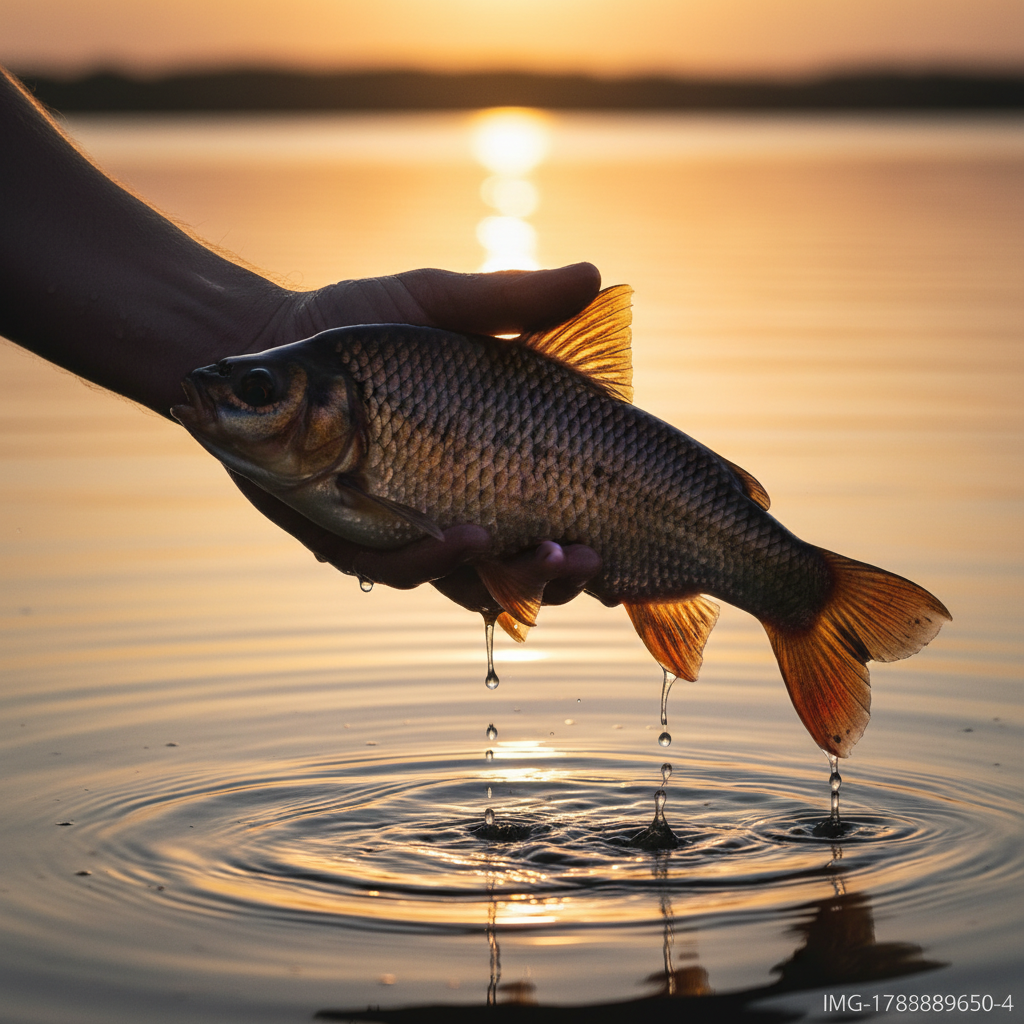
The mental preparation for fishing also extends to ethical considerations. A true angler respects the environment and practices responsible fishing techniques. This includes catch and release fishing, using barbless hooks, and avoiding fishing in sensitive areas.
It also means being mindful of the impact we have on fish populations and taking steps to minimize our impact. This might involve limiting the number of fish we keep, practicing selective harvesting, and supporting conservation efforts.
An ethical angler understands that fishing is a privilege, not a right, and that it’s our responsibility to protect this valuable resource for future generations.
Integrating Mindfulness into Your Fishing Practice
Mindfulness, the practice of paying attention to the present moment without judgment, can significantly enhance your fishing experience. By cultivating a mindful approach, you can become more attuned to your surroundings, more aware of your thoughts and feelings, and more present in the moment.
Before you start fishing, take a few deep breaths and center yourself. Focus on the sensations in your body, the sounds around you, and the sights before you. Let go of any distractions and simply be present in the moment.
As you fish, pay attention to your thoughts and feelings. Notice any anxieties, frustrations, or expectations that might be interfering with your enjoyment. Gently acknowledge these thoughts and feelings, and then let them go.
Focus on the simple act of fishing. Feel the weight of the rod in your hand, the pull of the line as you reel, and the subtle movements of your lure in the water. Allow yourself to be fully immersed in the experience.
The Legacy of a Thoughtful Angler
The “catch before the strike” represents more than just a technique to improve fishing success. It embodies a philosophy of mindful engagement with the natural world, a commitment to ethical practices, and a dedication to continuous learning. By embracing this mindset, you not only enhance your fishing skills but also cultivate a deeper appreciation for the art of angling and its profound connection to the environment.
The legacy of a thoughtful angler isn’t measured solely by the size or quantity of fish caught. It’s measured by the respect shown for the environment, the knowledge shared with others, and the passion ignited in future generations of anglers. It’s a legacy built on the understanding that the true reward of fishing lies not just in the catch, but in the journey of preparation, observation, and mindful engagement that leads to that moment of connection. So, the next time you prepare for a fishing trip, remember the “catch before the strike” and embrace the mental detail that truly defines the experience.