The Unsung Hero: Line Control in the Final Moments
We’ve all been there. The heart-stopping moment when you feel that unmistakable tug, the signal that a prized fish has taken your bait. The initial surge of adrenaline, the careful balancing act of applying pressure and giving line – all the hallmarks of a seasoned angler. But what happens in those final, crucial moments, when the fish is close enough to see, yet still capable of one last, desperate run? This is where the art of line control truly shines, separating the anglers who land trophy fish from those who are left with only a “one that got away” story.
Line control isn’t just about reeling in a fish; it’s about managing the tension, the angle, and the slack in your line to maintain a strategic advantage. It’s about understanding the fish’s behavior, anticipating its movements, and reacting with precision and finesse. It’s the invisible thread that connects you to your quarry, a lifeline that must be carefully managed to avoid disaster.
Think of it like conducting an orchestra. Each instrument (your rod, reel, line, and even the fish itself) plays a vital role, and it’s your job to harmonize them all into a successful symphony of angling. Mismanage one element, and the whole performance can fall apart.
Why Line Control Matters More Than You Think
Many anglers focus on the initial hookset or the power of their rod, but often overlook the importance of line control in the endgame. They might think, “I’ve got him close, just reel him in!” But this is precisely when mistakes are most likely to happen. A sudden burst of speed from the fish, a snag on an underwater obstacle, or even a simple knot in the line can all spell disaster if you’re not prepared.
Effective line control provides several key advantages:
- Reduces the risk of break-offs: By maintaining consistent tension and avoiding sudden jerks, you can prevent the line from snapping under pressure.
- Prevents hook pulls: A slack line can allow the hook to dislodge, especially when the fish is shaking its head or thrashing violently.
- Keeps the fish away from obstacles: By carefully guiding the fish, you can steer it clear of rocks, weeds, and other hazards that could lead to a lost fish.
- Conserves the fish’s energy: A controlled fight tires the fish more efficiently, making it easier to land and release safely.
Imagine you’re battling a powerful tarpon near a mangrove shoreline. The fish is strong, and it’s making repeated runs towards the tangled roots. Without precise line control, you risk getting tangled in the mangroves, resulting in a break-off and a lost fish. But with careful management of the line’s tension and angle, you can steer the tarpon away from the danger zone and bring it safely to the boat.
The Anatomy of Line Control: Key Techniques and Tactics
Mastering line control requires a combination of skill, knowledge, and experience. Here are some essential techniques and tactics that every serious angler should know:
Rod Position: The Foundation of Control
Your rod is your primary tool for line control. The angle at which you hold your rod, the amount of bend you apply, and the way you move it can all significantly impact the tension and direction of your line.
A high rod position, with the rod tip pointed upwards, provides maximum leverage and helps to lift the fish. This is particularly useful when fishing in deep water or when trying to keep the fish away from bottom structure. However, a high rod position can also put more strain on your arms and back, so it’s important to maintain good posture and use your legs to support the weight.
A low rod position, with the rod tip closer to the water, reduces the amount of leverage but allows for more subtle movements and adjustments. This is often preferred when fishing in shallow water or when fighting a fish that is running parallel to the shore. A low rod position also makes it easier to detect subtle strikes and changes in tension.
Experiment with different rod positions to find what works best for you in different situations. Pay attention to how the angle of your rod affects the feel of the line and the way the fish responds.
Reel Management: The Art of Drag and Retrieve
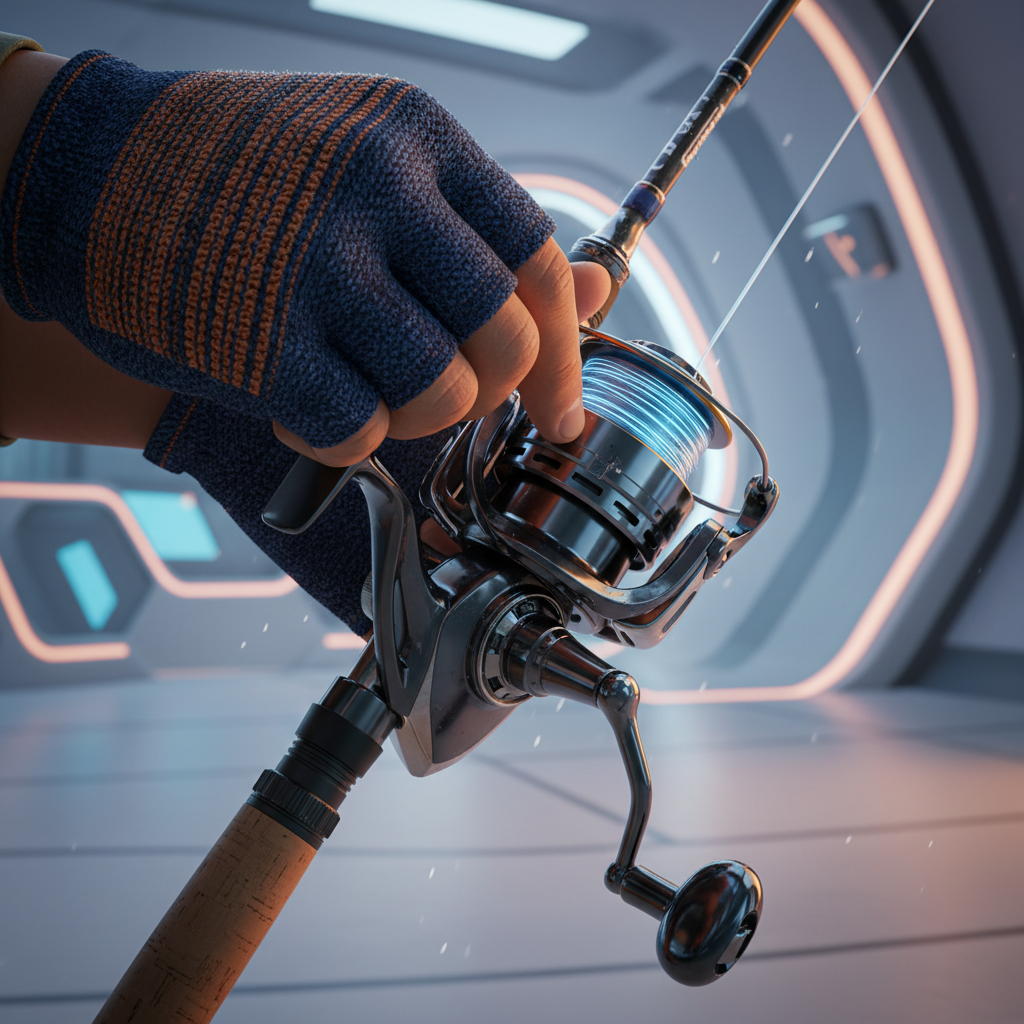
Your reel is another crucial component of line control. The drag setting determines the amount of pressure required for the line to spool off the reel, while the retrieve rate determines how quickly you can take up slack or gain ground on the fish.
Setting the drag correctly is essential for preventing break-offs. Too little drag, and the fish will be able to run freely, potentially stripping all the line off your reel. Too much drag, and the line will be more likely to snap under pressure. A good starting point is to set the drag to about one-third of the line’s breaking strength. You can then adjust it as needed during the fight, depending on the size and strength of the fish.
The retrieve rate is also important. A fast retrieve rate allows you to quickly take up slack when the fish changes direction or swims towards you. A slow retrieve rate provides more control and allows you to apply steady pressure without overpowering the fish.
Line Tension: The Delicate Balance
Maintaining consistent line tension is perhaps the most critical aspect of line control. Too much tension, and you risk breaking the line or pulling the hook. Too little tension, and you risk allowing the fish to escape.
The key is to find a balance that allows you to maintain contact with the fish without putting undue strain on the line. This requires constant attention and subtle adjustments to your rod position, reel speed, and body posture.
Pay attention to the feel of the line. Can you feel the fish swimming, shaking its head, or changing direction? If the line feels slack, quickly take up the slack by reeling in or moving your rod tip. If the line feels tight, ease off the pressure by lowering your rod tip or loosening the drag.
Imagine you’re fighting a bonefish on a shallow flats. The fish is incredibly fast and agile, making repeated runs in different directions. To maintain consistent line tension, you need to constantly adjust your rod position and reel speed, anticipating the fish’s movements and reacting accordingly.
Fighting Techniques: Adapting to the Fish’s Behavior
Every fish fights differently. Some fish are powerful and make long, sustained runs. Others are more agile and make short, quick bursts of speed. Understanding the fish’s behavior is crucial for adapting your fighting techniques and maintaining line control.
For powerful fish that make long runs, the key is to let them run but maintain consistent pressure. Allow the fish to tire itself out while gradually gaining line when it pauses. Avoid trying to stop the fish abruptly, as this can put excessive strain on the line.
For agile fish that make short bursts of speed, the key is to react quickly and take up slack whenever possible. Use a combination of rod work and reel speed to maintain contact with the fish and prevent it from escaping. Be prepared to change direction quickly and anticipate the fish’s next move.
Observe the fish’s behavior closely. Is it swimming deep or near the surface? Is it shaking its head or thrashing violently? Is it running towards structure or away from it? Use this information to inform your fighting techniques and maintain line control.
Advanced Line Control: Mastering the Nuances
Once you’ve mastered the basic techniques of line control, you can start to explore more advanced tactics that can give you an edge in challenging situations:
Using the Current to Your Advantage
In moving water, the current can be both a help and a hindrance. Understanding how the current affects your line and the fish’s movements is crucial for maintaining control.
In some cases, you can use the current to your advantage by positioning yourself upstream of the fish and allowing the current to help you pull it towards you. This can be particularly effective when fishing for trout or salmon in rivers.
In other cases, the current can work against you by creating slack in the line or pulling the fish towards structure. In these situations, you may need to adjust your position or use a heavier weight to maintain contact with the fish.
Dealing with Wind and Waves
Wind and waves can also make line control more challenging. Wind can create slack in the line or push the boat around, while waves can make it difficult to maintain a steady rod position.
In windy conditions, try to position yourself so that the wind is blowing towards you. This will help to keep the line tight and prevent it from tangling. You may also need to use a heavier weight or a longer rod to compensate for the wind’s effects.
In choppy water, try to brace yourself against the boat and maintain a steady rod position. Use your legs and core muscles to absorb the movement of the waves and prevent your rod from jerking around. You may also need to adjust your drag setting to prevent the line from snapping under the strain.

The Art of the Controlled Release
For many anglers, catch and release is an important part of responsible fishing. Releasing a fish safely requires careful handling and a thorough understanding of line control.
Before you even hook the fish, be prepared for a potential release. Have your de-hooking tools ready and know how to handle the fish without injuring it. Use barbless hooks whenever possible to minimize damage.
When fighting the fish, try to bring it in quickly but without exhausting it excessively. A tired fish is less likely to survive after being released.
Once you have the fish alongside the boat, handle it gently and remove the hook as quickly as possible. If necessary, revive the fish by holding it in the water and moving it back and forth to force water through its gills. Release the fish only when it is able to swim away strongly on its own.
Case Studies: Line Control in Action
To illustrate the importance of line control, let’s look at a few real-world examples:
Case Study 1: The Stubborn Snook
An angler was fishing for snook around mangrove roots in South Florida. He hooked a large snook, but the fish immediately ran towards the mangroves, threatening to break the line. The angler quickly tightened his drag and used a high rod position to steer the snook away from the roots. He then gradually gained line, keeping the snook under constant pressure. After a tense battle, the angler was able to land the snook and release it safely.
In this case, line control was crucial for preventing the snook from reaching the mangroves and breaking the line. The angler’s quick thinking and skillful rod work allowed him to overcome the challenge and land the fish.
Case Study 2: The Deep-Sea Grouper
An angler was deep-sea fishing for grouper off the coast of North Carolina. He hooked a large grouper near the bottom, but the fish immediately tried to dive back down into its hole. The angler used a heavy rod and a high drag setting to prevent the grouper from reaching its refuge. He then slowly and steadily cranked the reel, gradually lifting the grouper off the bottom. After a grueling fight, the angler was able to bring the grouper to the surface and admire its size before releasing it back into the depths.
In this case, line control was essential for preventing the grouper from escaping into its hole and breaking the line. The angler’s strength, determination, and precise reel control allowed him to overcome the grouper’s powerful resistance.
Case Study 3: The Elusive Permit
An angler was flats fishing for permit in Belize. He hooked a permit on a shallow flat, but the fish immediately took off on a long, blistering run. The angler kept his rod tip low and allowed the permit to run, but he maintained consistent pressure on the line. He then gradually gained line as the permit tired, carefully avoiding any sudden jerks that could break the fragile tippet. After a nail-biting battle, the angler was able to land the permit and admire its beauty before releasing it back into the wild.
In this case, line control was critical for preventing the permit from breaking the delicate tippet. The angler’s patience, finesse, and precise line management allowed him to overcome the permit’s speed and agility.
The Mental Game: Patience, Focus, and Anticipation
Line control isn’t just about physical skill; it’s also about mental fortitude. Patience, focus, and anticipation are essential for success.
Patience is key. Don’t try to rush the fight. Allow the fish to tire itself out and wait for the right moment to apply pressure. A premature attempt to land the fish can often result in a lost opportunity.
Focus is also crucial. Pay attention to the feel of the line, the movements of the fish, and the surrounding environment. Distractions can lead to mistakes and missed opportunities.
Anticipation is perhaps the most important mental skill of all. Try to anticipate the fish’s next move and react accordingly. This requires a deep understanding of the fish’s behavior and a keen awareness of your surroundings.
Gear Considerations: Choosing the Right Equipment
While skill and technique are paramount, the right gear can certainly enhance your line control abilities. Choosing the right rod, reel, and line for the type of fishing you’re doing is essential.
Rods: Sensitivity and Power
Your rod should be sensitive enough to detect subtle strikes and changes in tension, yet powerful enough to handle the size and strength of the fish you’re targeting. A rod with a moderate action is often a good compromise, providing both sensitivity and power.
Reels: Smooth Drag and Reliable Performance
Your reel should have a smooth and reliable drag system that allows you to apply consistent pressure without jerking or sticking. It should also have a sufficient line capacity to handle long runs from powerful fish.
Lines: Strength, Stretch, and Visibility
Your line should be strong enough to withstand the weight and power of the fish you’re targeting, yet thin enough to minimize drag and maximize casting distance. Consider the amount of stretch in the line, as this can affect your ability to detect strikes and set the hook. Also, consider the visibility of the line, especially when fishing in clear water.
Beyond the Catch: The Ethical Angler’s Perspective
Ultimately, line control is not just about catching more fish; it’s about being a responsible and ethical angler. By mastering the art of line control, you can minimize stress on the fish, reduce the risk of injury, and ensure a higher survival rate for released fish.
Remember, we are all stewards of the environment. By practicing responsible fishing techniques, we can help to protect our fisheries for future generations.
The next time you’re out on the water, take a moment to think about your line control. Are you managing your line effectively? Are you minimizing stress on the fish? Are you being a responsible angler?
By focusing on these questions, you can not only improve your fishing success but also contribute to the long-term health of our aquatic ecosystems.

So, the next time you hook that trophy fish, remember the unsung hero – line control. It’s the subtle art, the delicate dance between you and your quarry that ultimately determines success. Master it, and you’ll not only land more fish but also become a more responsible and respected angler, ensuring the thrill of the catch endures for generations to come. The subtle adjustments, the unwavering focus, and the deep understanding of the aquatic world – that’s what separates the truly skilled from the merely lucky. It’s a journey of continuous learning and refinement, but the rewards are well worth the effort. Go forth, practice, and perfect your line control. The trophy fish are waiting.