The Silent Killer of Hooksets: Understanding the Problem
We’ve all been there. You feel the telltale thump-thump-thump of a fish inhaling your bait. Your heart leaps into your throat. You rear back with what you believe is the perfect hookset… only to come up empty. The line goes slack, and a wave of frustration washes over you. What went wrong? Was it the fish? Was it your technique? Or was it something far more fundamental: your hook setup?
Missed hooksets are the bane of every angler’s existence. They represent lost opportunities, deflated confidence, and the nagging feeling that you could have done something differently. While factors like line stretch, rod action, and the fish’s behavior certainly play a role, a poorly designed or improperly rigged hook setup is often the primary culprit. It’s the silent killer, the unseen saboteur that robs you of landed fish. But why is this the case? What makes a hook setup good, and what makes it bad?
The key lies in understanding the mechanics of a successful hookset. It’s not just about pulling hard; it’s about efficiently transferring energy from your rod and reel to the hook point, ensuring it penetrates the fish’s mouth and holds securely. A flawed setup disrupts this energy transfer, dissipating force and reducing the likelihood of a solid hookup.
The Culprits Behind Missed Hooksets
Several factors contribute to ineffective hooksets originating from poor hook selection and rigging:
- Insufficient Hook Exposure: The hook point must be exposed enough to make contact with the fish’s mouth, yet protected enough to prevent snagging. Finding this balance is crucial. Too little exposure, and the hook bounces off without purchase.
- Bulky or Restrictive Bait: An oversized or poorly rigged bait can impede hook penetration. The fish might grab the bait, but the bulk of the plastic or other material prevents the hook point from reaching its target.
- Incorrect Hook Size: Using a hook that’s too small for the bait or the size of fish you’re targeting is a common mistake. A small hook might not have the gap necessary to clear the bait and reach the fish’s jaw. Conversely, a hook that’s too large can feel unnatural and cause the fish to reject the bait.
- Poor Hook Quality: Not all hooks are created equal. Cheap or poorly manufactured hooks can be dull, brittle, or easily bent. A dull hook requires significantly more force to penetrate, while a weak hook can straighten out under pressure, leading to a lost fish.
- Improper Rigging: How you rig your bait onto the hook is just as important as the hook itself. A poorly rigged bait can twist, turn, or impede hook penetration, reducing your chances of a successful hookset.
By understanding these common pitfalls, we can begin to address them and develop strategies for improving our hookset ratios. The first step is to choose the right hook for the job.
Choosing the Right Hook: A Critical First Step
The sheer variety of fishing hooks available today can be overwhelming. From offset worm hooks to circle hooks to treble hooks, each design is intended for a specific purpose and a particular type of bait. Selecting the appropriate hook for your chosen presentation is paramount to increasing your hookset success.
Consider the following factors when selecting a hook:
Bait Type
The type of bait you’re using is the most important factor in determining the appropriate hook. Soft plastic baits, for example, require different hooks than live bait or hard-bodied lures.
- Soft Plastics: Offset worm hooks, EWG (Extra Wide Gap) hooks, and straight shank hooks are all popular choices for rigging soft plastics. The specific style will depend on the size and shape of the bait, as well as the desired presentation (e.g., Texas rig, Carolina rig, wacky rig).
- Live Bait: Circle hooks are often preferred for live bait fishing, as they are designed to hook the fish in the corner of the mouth, reducing the risk of gut-hooking. J-hooks are another option, but require more attention to avoid deep hooking.
- Hard-Bodied Lures: Treble hooks are commonly used on hard-bodied lures like crankbaits and jerkbaits. The multiple points increase the chances of a hookup, but they can also be more prone to snagging.
Target Species
The size and fighting characteristics of your target species should also influence your hook selection. Larger, stronger fish require larger, heavier hooks with greater strength.
- Bass: Bass anglers often use a variety of hook sizes, depending on the size of the bait and the cover being fished. Hook sizes ranging from 1/0 to 5/0 are common for soft plastics, while smaller treble hooks are typically used on crankbaits and jerkbaits.
- Trout: Trout fishing typically requires smaller hooks, ranging from size 8 to size 14. Fine wire hooks are often preferred, as they are less likely to spook wary trout.
- Catfish: Catfish anglers often use larger, stronger hooks, such as circle hooks or J-hooks in sizes ranging from 2/0 to 8/0. These hooks are designed to withstand the powerful jaws and aggressive strikes of catfish.
Fishing Environment
The type of cover you’re fishing around should also be considered when choosing a hook. If you’re fishing in heavy cover, such as weeds or brush, you’ll need a hook that is weedless or snag-resistant.
- Weeds: Offset worm hooks with weed guards or Texas-rigged soft plastics are effective for fishing in weeds. The weed guard helps to prevent the hook from snagging on vegetation.
- Brush: Carolina-rigged soft plastics or jig trailers are good choices for fishing around brush. The weight of the Carolina rig or jig helps to pull the bait through the cover.
- Open Water: In open water, you can use a wider variety of hooks, depending on the bait and the target species.

The Offset Worm Hook: A Versatile Solution
Among the many hook styles available, the offset worm hook stands out as a particularly versatile and effective option, especially for fishing soft plastic baits. Its unique design allows for weedless rigging while still providing excellent hook penetration. Understanding the nuances of rigging with an offset worm hook can dramatically improve your hookset ratio.
Understanding the Offset Design
The key feature of the offset worm hook is the “offset” bend in the shank, just below the eye. This offset creates a gap between the hook point and the shank, allowing the hook to be rigged weedless by burying the point back into the body of the soft plastic bait. When a fish bites, the pressure compresses the plastic, exposing the hook point and allowing for a clean hookset.
The Texas Rig: A Classic Application
The Texas rig is perhaps the most well-known and widely used application for offset worm hooks. It involves rigging the soft plastic bait so that it is weedless and snag-resistant, making it ideal for fishing in heavy cover.
Here’s how to rig a Texas rig with an offset worm hook:
- Thread the Hook: Insert the hook point into the head of the soft plastic bait and thread it up the shank, exiting the bait about ¼ inch from the head.
- Rotate the Bait: Rotate the bait 180 degrees so that the hook point is facing back towards the body of the bait.
- Skin Hook the Bait: Lay the bait along the shank of the hook to measure where the hook point should re-enter the bait. Lightly skin hook the hook point back into the body of the bait making it weedless.
The key to a properly rigged Texas rig is to ensure that the bait is straight and the hook point is securely buried in the plastic. This will prevent the bait from snagging on weeds or brush while still allowing for a solid hookset.
The Importance of Hook Exposure
While weedless rigging is essential for fishing in heavy cover, it’s crucial to maintain adequate hook exposure. Too much plastic covering the hook point can impede penetration, leading to missed hooksets. Experiment with different rigging techniques to find the optimal balance between weedlessness and hook exposure. For example, you can slightly expose the hook point by barely skin hooking it into the plastic.
Fine-Tuning Your Hookset Technique
Even with the perfect hook and a flawless rig, a poor hookset technique can still result in lost fish. Mastering the art of the hookset involves understanding the nuances of timing, force, and rod position.
Timing is Everything
Knowing when to set the hook is crucial. Setting the hook too early can pull the bait away from the fish before it has a chance to fully engulf it. Setting the hook too late can give the fish time to spit out the bait. The ideal timing depends on the type of bait you’re using and the behavior of the fish.
- Soft Plastics: With soft plastics, it’s generally best to wait until you feel a solid tug or see your line moving off to the side. This indicates that the fish has taken the bait and is moving away with it.
- Live Bait: With live bait, it’s important to give the fish a little more time to eat the bait. Allow the fish to run with the bait for a few seconds before setting the hook. This will give the fish time to fully engulf the bait and increase your chances of a solid hookup.
The Power of a Solid Hookset
Once you’ve determined that it’s time to set the hook, it’s important to do so with sufficient force. A weak hookset can result in the hook simply bouncing off the fish’s mouth, while a strong hookset can drive the hook home securely.
The amount of force required for a successful hookset depends on several factors, including the type of hook, the type of bait, and the distance to the fish. Generally, larger hooks and heavier baits require more force than smaller hooks and lighter baits. Also, the farther the fish is away, the more force you’ll need to overcome line stretch and ensure a solid hookup.
Rod Position and Angle
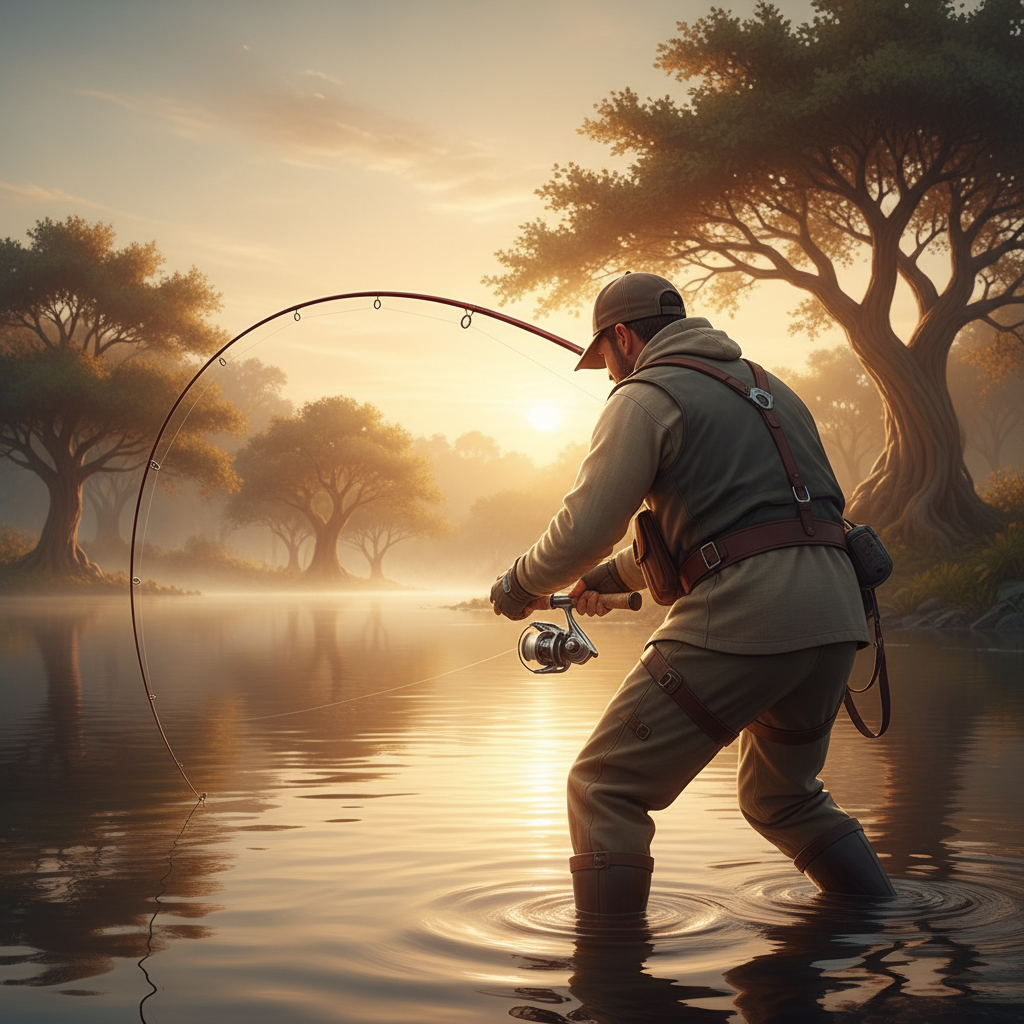
The angle at which you hold your rod during the hookset can also affect your success rate. A high rod angle (pointing the rod tip upwards) provides more leverage and allows you to generate more force. However, it can also reduce your ability to detect subtle strikes. A low rod angle (pointing the rod tip downwards) provides less leverage but allows you to feel more of what’s happening at the end of your line.
Experiment with different rod angles to find what works best for you in different situations. In general, a high rod angle is preferred for setting the hook on fish that are far away, while a low rod angle is better for setting the hook on fish that are close by.
Beyond the Basics: Advanced Hookset Strategies
Once you’ve mastered the fundamentals of hook selection and hookset technique, you can begin to explore more advanced strategies for improving your hookset ratio. These strategies involve fine-tuning your approach based on specific conditions and behaviors.
The Importance of Line Management
Slack line is the enemy of a solid hookset. Any slack in your line will absorb energy from your hookset, reducing the amount of force that is transferred to the hook point. To maximize your hookset power, it’s essential to keep your line tight and manage slack effectively.
- Reel in Slack: Before setting the hook, quickly reel in any slack in your line. This will ensure that your hookset is direct and powerful.
- Use a High-Speed Reel: A high-speed reel allows you to quickly take up slack and set the hook effectively, especially when fishing at a distance.
- Maintain Line Contact: Always maintain contact with your line, even when the bait is sitting still. This will allow you to detect subtle strikes and react quickly.
Adjusting for Different Cover Types
The type of cover you’re fishing around can also influence your hookset strategy. When fishing in heavy cover, you’ll need to use a more aggressive hookset to ensure that the hook penetrates the fish’s mouth and clears the cover.
- Heavy Weeds: When fishing in heavy weeds, use a heavy-duty rod and line, and set the hook with a powerful, upward sweep. This will help to pull the fish out of the weeds and prevent it from getting tangled.
- Brush Piles: When fishing around brush piles, use a Carolina rig or a jig trailer to help pull the bait through the cover. Set the hook with a quick, sideways sweep to drive the hook home.
- Rocky Bottom: When fishing around rocky bottoms, use a Texas rig or a jig to prevent the hook from snagging on the rocks. Set the hook with a firm, upward sweep to lift the fish off the bottom.
Reading the Fish’s Behavior
Paying attention to the fish’s behavior can provide valuable clues about when and how to set the hook. Some fish are aggressive strikers, while others are more subtle. Learning to recognize these different behaviors can help you to adjust your hookset strategy accordingly.
- Aggressive Strikes: When a fish strikes aggressively, you’ll typically feel a strong tug or see your line moving off quickly. In these situations, you can set the hook immediately with a powerful, upward sweep.
- Subtle Strikes: When a fish strikes subtly, you might only feel a slight tick or see your line twitch. In these situations, it’s important to wait a moment to ensure that the fish has fully engulfed the bait before setting the hook.
For example, if you are fishing for smallmouth bass in clear water, they often “inhale” the bait. You’ll feel a subtle tick, and then the line will simply start moving. In these cases, a sweeping hookset is more effective than a violent jerk, as it allows you to maintain contact with the fish and drive the hook home without pulling the bait away prematurely.
The Art of the Follow-Up: Securing the Hookset
A successful hookset is only the first step in landing a fish. Once you’ve set the hook, it’s important to maintain pressure and prevent the fish from throwing the hook. This requires a combination of skill, technique, and proper equipment.
Maintaining Constant Pressure
The key to keeping a fish hooked is to maintain constant pressure on the line. This will prevent the hook from loosening or dislodging during the fight. Avoid giving the fish any slack, as this can allow it to throw the hook.
- Keep the Rod Bent: Keep your rod bent throughout the fight. This will help to absorb the fish’s movements and prevent it from pulling the hook.
- Use a Smooth Drag: Adjust your drag so that it is smooth and consistent. A jerky drag can cause the hook to tear out of the fish’s mouth.
- Reel Smoothly: Reel in the line smoothly and steadily. Avoid jerking or pumping the rod, as this can also cause the hook to loosen.
Fighting the Fish Effectively
Knowing how to fight a fish effectively is essential for landing it successfully. Different species of fish have different fighting styles, so it’s important to adjust your technique accordingly. For example, bass are known for their powerful runs and jumps, while trout are more likely to make long, steady runs.
- Bass: When fighting a bass, keep your rod bent and your drag set appropriately. Allow the fish to run when it needs to, but maintain constant pressure. Be prepared for sudden jumps and head shakes.
- Trout: When fighting a trout, use a lighter drag and allow the fish to run. Avoid putting too much pressure on the line, as this can cause the hook to tear out of the fish’s soft mouth.
The Importance of a Sharp Hook
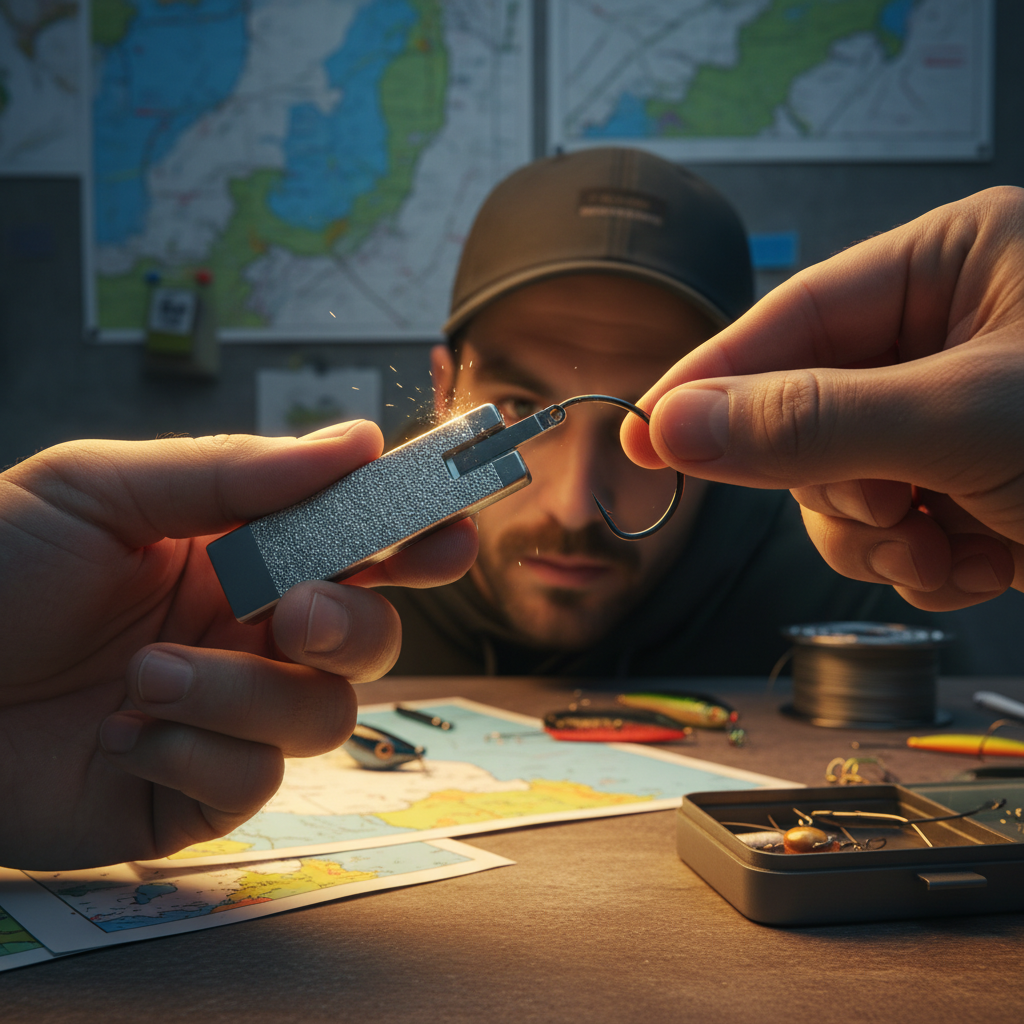
Even with the best hookset technique, a dull hook will significantly reduce your chances of landing a fish. A sharp hook penetrates quickly and easily, ensuring a solid hookup. Regularly check your hooks for sharpness and sharpen them as needed.
Case Studies: Real-World Examples of Hookset Success
To illustrate the importance of proper hook setup and hookset technique, let’s examine a few real-world case studies.
Case Study 1: The Weedy Lake
An angler was fishing in a heavily weeded lake, targeting largemouth bass. He was using a Texas-rigged soft plastic worm with a standard offset worm hook. He was experiencing a high number of missed hooksets, despite feeling solid strikes.
The Problem: The angler was using too small of a hook for the bulky worm he was using, and the hook point wasn’t exposed enough to penetrate the fish’s mouth through the weeds. The bulk of the worm was preventing a solid hookset.
The Solution: The angler switched to a larger EWG (Extra Wide Gap) hook, which provided more gap between the hook point and the shank. He also adjusted his rigging so that the hook point was slightly more exposed. By increasing the hook size and improving hook exposure, the angler significantly improved his hookset ratio.
Case Study 2: The Clear Water Stream
An angler was fishing for trout in a clear water stream. He was using small nymphs and dry flies with fine wire hooks. He was getting a lot of strikes, but he was having trouble keeping the fish hooked.
The Problem: The angler was setting the hook too aggressively, causing the hook to tear out of the trout’s soft mouth. He was also using too much pressure during the fight, which further exacerbated the problem.
The Solution: The angler adjusted his hookset technique, using a softer, more sweeping motion. He also lightened his drag and allowed the trout to run more freely. By using a gentler hookset and reducing pressure during the fight, the angler was able to significantly improve his landing ratio.
Case Study 3: The Deep Water Jig
An angler was fishing for walleye in deep water using a heavy jig. He was feeling a lot of bites, but he was missing a significant number of fish.
The Problem: The angler was not taking up enough slack in his line before setting the hook. The deep water and the heavy jig created a lot of slack, which absorbed the energy from his hookset.
The Solution: The angler started reeling in the slack line quickly as soon as he felt a bite. This ensured that his hookset was direct and powerful. In addition, he switched to using braid line, which has minimal stretch. By taking up slack and using braid line, the angler dramatically increased his hookup rate.
The Ultimate Goal: Consistent Success on the Water
Mastering the art of the hookset is a continuous process of learning, experimenting, and adapting. By understanding the principles of hook selection, hookset technique, and follow-up strategy, you can significantly improve your hookset ratio and increase your success on the water. It’s about paying attention to the details, analyzing your mistakes, and constantly striving to refine your approach.
So, the next time you find yourself frustrated by missed hooksets, don’t just chalk it up to bad luck. Take a closer look at your hook setup, your technique, and your equipment. By addressing the underlying issues, you can transform those frustrating moments into opportunities for learning and growth, ultimately becoming a more skilled and successful angler. Are you ready to turn those missed opportunities into trophy catches?