The Unseen Hook Killer: Why Fish Say “No”
We’ve all been there. Hours spent on the water, casting with precision, varying our retrieves, offering what we believe is an irresistible presentation. Yet, the fish remain stubbornly uninterested. We scratch our heads, change lures, adjust our lines, blaming everything from the water temperature to the alignment of the planets. But what if the problem isn’t what you’re offering, but how you’re offering it? What if the very thing designed to entice a strike is actually repelling the fish before they even get close?
The secret, often overlooked, lies in the subtle but critical details of your hook. It’s not just about size or style; it’s about the presentation of that hook in relation to your bait, and how that presentation telegraphs danger to the fish. Fish are incredibly sensitive to anything that looks unnatural or out of place. They’ve evolved to survive, and their survival depends on spotting inconsistencies that could signal a predator – or a poorly presented offering. And often, the biggest culprit is a seemingly insignificant mistake we make in rigging our hooks.
The Dreaded “Quitting Point”
Think about it: a fish approaches your bait. It circles, studies, analyzes. It’s not simply reacting on instinct; it’s making a calculated decision. This is where the “quitting point” comes in. It’s the moment the fish, based on its assessment of the offering, decides to either commit to the strike or reject it entirely. And often, that decision is made based on something as subtle as the angle of the hook point, the amount of exposed hook shank, or the unnatural stiffness of the bait presentation. The fish senses something is “off,” and it aborts the mission before you even feel a tap on your line.
So, what are these subtle hook killers? Let’s dive into some common mistakes that cause fish to quit before biting, and how to fix them.
Mistake #1: The Stiff Presentation – Killing Natural Movement
One of the biggest mistakes anglers make is creating a stiff, unnatural presentation. This happens when the hook restricts the bait’s natural movement, making it look artificial and unappealing to fish. Imagine a worm that’s supposed to slither and wiggle seductively, but instead moves with the rigidity of a board. That’s a red flag for any discerning fish.
The Culprit: Improper Rigging. This stiffness often comes from using the wrong size hook, forcing the bait onto the hook incorrectly, or using a hook that’s simply too thick for the type of bait you’re using. For example, using a large, heavy-gauge hook on a delicate finesse worm will completely negate the bait’s intended action. The worm will move unnaturally, and the fish will see right through the charade.
The Solution: Match the Hook to the Bait. This is paramount. Consider the size, shape, and action of your bait when selecting a hook. For finesse presentations, opt for smaller, lighter-wire hooks that allow the bait to move freely. For bulkier baits, you may need a larger hook, but still pay attention to how the hook affects the bait’s overall action. Experiment with different hook styles and sizes until you find the perfect combination that allows the bait to move naturally and enticingly. Consider using EWG (Extra Wide Gap) hooks for thicker baits, as they provide ample room for the bait to compress and allow for better hook penetration.
Case Study: The Wacky Rig Revelation. Take the wacky rig, for instance. This technique relies on the subtle, undulating movement of a soft plastic worm suspended in the water column. If you use a hook that’s too large or has too much weight, it will dampen that natural movement, turning what should be a seductive dance into a clumsy stumble. By switching to a smaller, lighter wire hook specifically designed for wacky rigging, you’ll unlock the bait’s full potential and dramatically increase your hook-up ratio.
Think about it: are you allowing your bait to truly “swim” and express its designed action, or are you unintentionally handcuffing its performance with a poorly chosen hook?
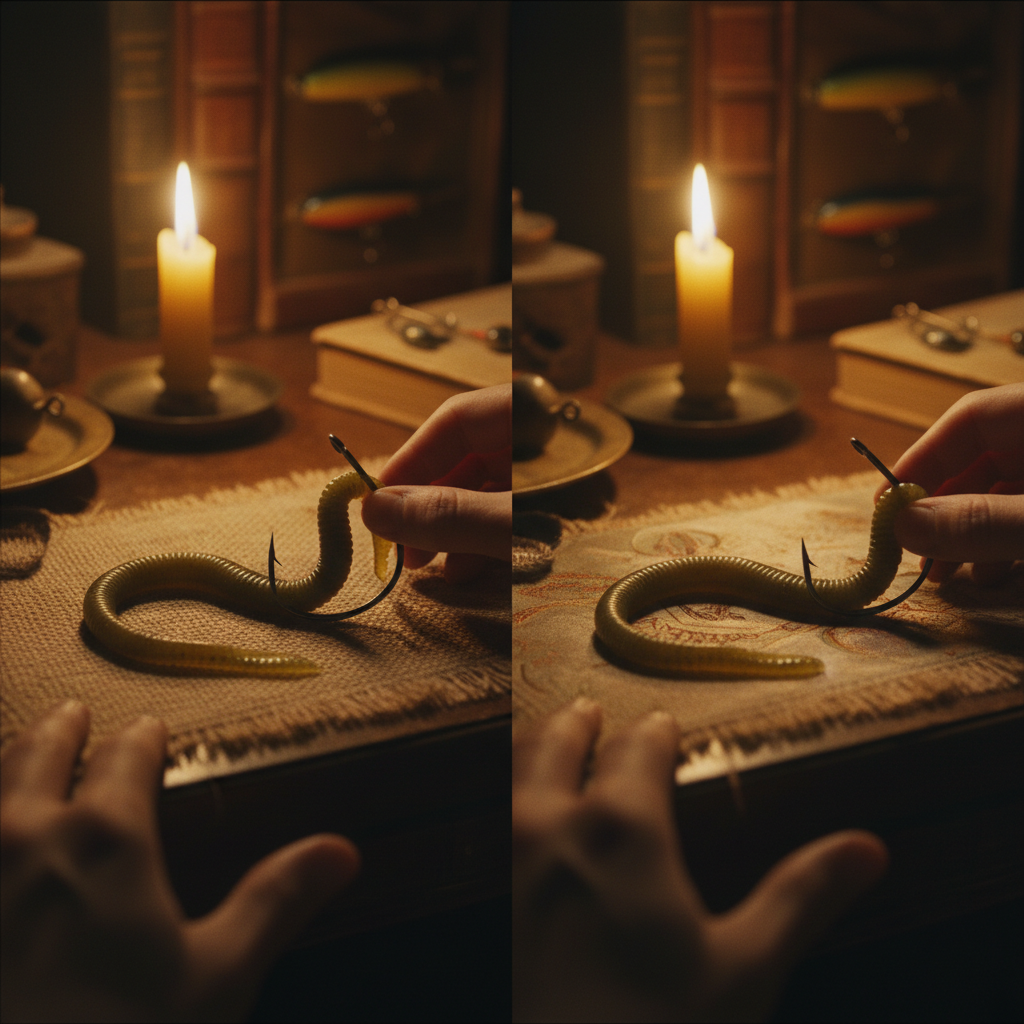
Mistake #2: The “Shiny Object Syndrome” – Hook Glare and Suspicion
Fish are wary creatures, and anything that glints or flashes unnaturally can send them scurrying for cover. A shiny, new hook, straight from the package, can sometimes be a detriment, especially in clear water and bright sunlight. This “shiny object syndrome” can trigger a fish’s natural defenses, causing it to reject the bait before even considering a bite.
The Culprit: Excessive Reflectivity. The highly polished finish of some hooks can reflect light in a way that is unnatural and alarming to fish. It’s like holding a mirror underwater – the sudden flash of light can spook them, especially in shallow or clear water where they’re more vulnerable to predators.
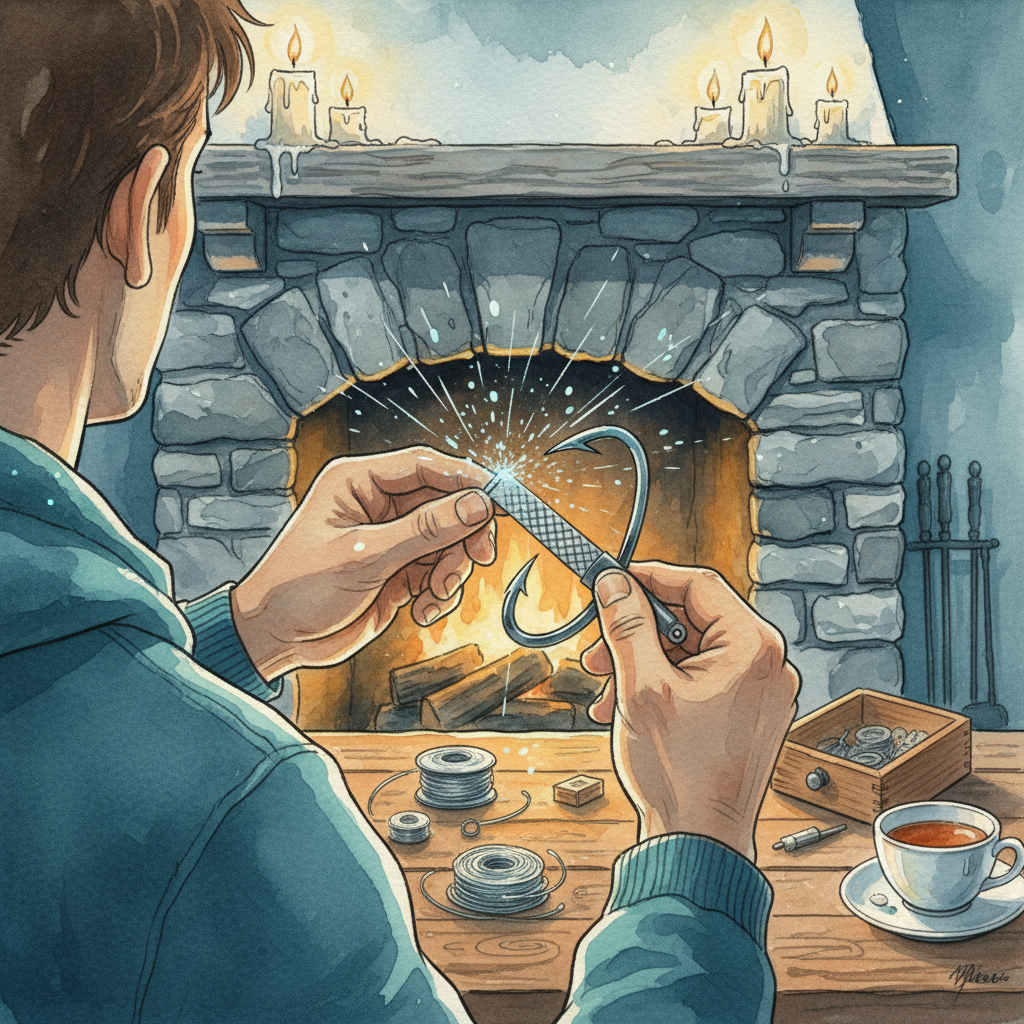
The Solution: Dull the Shine. There are several ways to mitigate this issue. One simple trick is to scuff the hook with a piece of sandpaper or a file to dull the finish. You can also use a permanent marker in a dark color (green, brown, or black) to camouflage the hook and reduce its reflectivity. Another option is to use hooks with a pre-existing dull finish, such as those with a matte black or bronze coating.
Pro Tip: Consider Water Clarity. The need to dull your hooks depends on the water clarity. In murky or stained water, the shine is less of an issue, as the visibility is already limited. However, in crystal-clear water, it’s crucial to take steps to reduce the hook’s reflectivity. Pay attention to the conditions and adjust your approach accordingly.
Are you unintentionally broadcasting a warning signal to the fish with a hook that’s too shiny? A little bit of camouflage can go a long way in increasing your chances of success.
Mistake #3: The Exposed Hook Point – A Painful Lesson
One of the most common mistakes anglers make is leaving too much of the hook point exposed. While it might seem like a surefire way to ensure a solid hookset, an exposed hook point can actually deter fish from biting in the first place. This is especially true in areas with heavy cover or when fishing for pressured fish.
The Culprit: Unnatural Feel and Snagging. An exposed hook point feels unnatural to the fish. As they investigate the bait, they might bump into the hook point, causing them to reject the offering immediately. Furthermore, an exposed hook point is more likely to snag on weeds, rocks, or other underwater obstructions, which can spook fish and ruin your presentation.
The Solution: Texas Rigging and Beyond. The Texas rig is a classic example of how to address this issue. By burying the hook point back into the body of the soft plastic bait, you create a weedless and snag-resistant presentation that also feels more natural to the fish. The hook point remains concealed until the fish bites, at which point the plastic compresses, exposing the hook for a solid hookset.
Beyond the Texas Rig: The principle of concealing the hook point applies to other rigging techniques as well. When using a Carolina rig, for example, consider using a smaller hook and burying the point slightly. Similarly, when using a drop-shot rig, ensure that the hook point is tucked away to prevent snags and create a more natural presentation. Even with crankbaits and hard lures, check the hook placement to ensure they aren’t excessively exposed.
Think of it this way: you want the fish to commit to the bite without feeling any resistance or encountering any sharp edges. A concealed hook point is key to achieving this goal.

Mistake #4: The Unbalanced Bait – Tipping the Scales Against You
An unbalanced bait is another common culprit that can cause fish to reject your offering. This occurs when the weight of the hook, or any additional weight added to the rig, throws off the bait’s natural balance and movement. The result is an unnatural presentation that screams “danger” to wary fish.
The Culprit: Uneven Weight Distribution. When a bait is unbalanced, it might sink at an unnatural angle, wobble erratically, or simply fail to move in the way it was intended. This can be caused by using a hook that’s too heavy for the bait, adding weight in the wrong place, or using a bait that’s inherently unbalanced due to its design.
The Solution: Fine-Tune Your Rig. The key to addressing this issue is to experiment with different hook sizes, weights, and rigging techniques until you achieve a balanced presentation. For example, if you’re using a swimbait and it’s sinking nose-down, try using a lighter hook or adding a small amount of weight to the tail. Conversely, if the bait is rolling over on its side, try using a hook with a wider gap or adjusting the placement of the weight.
Example: The Importance of Keel-Weighted Hooks. For certain baits, such as flukes and jerkbaits, keel-weighted hooks can be incredibly effective at maintaining a natural, horizontal presentation. The keel weight, positioned on the shank of the hook, helps to keep the bait upright and prevent it from rolling over, resulting in a more realistic and enticing action.
Take the time to observe how your bait moves in the water. Does it look natural and balanced? Or does it appear awkward and ungainly? By paying attention to these subtle details, you can fine-tune your rig and create a presentation that’s irresistible to fish.
Mistake #5: The “Old Faithful” Hook – Neglecting Hook Maintenance
We all have our favorite hooks, the ones we’ve caught countless fish on. But hooks, like any other piece of fishing tackle, degrade over time. A dull hook point, a corroded finish, or a bent shank can all significantly reduce your chances of landing fish. Neglecting hook maintenance is a surefire way to turn potential strikes into frustrating near misses.
The Culprit: Wear and Tear. Hooks are subjected to a lot of abuse. They’re constantly being dragged across rocks, weeds, and other abrasive surfaces. They’re exposed to saltwater, which can cause corrosion. And they’re repeatedly stressed during hooksets and battles with fish. All of this takes a toll on the hook’s sharpness and integrity.
The Solution: Sharpen, Replace, Repeat. The simplest and most effective way to address this issue is to regularly sharpen your hooks. A hook sharpener is an essential tool for any serious angler. Use it to hone the hook point to a razor-sharp edge. If a hook is heavily corroded or bent, it’s best to simply replace it. Hooks are relatively inexpensive, and the cost of replacing a dull or damaged hook is far less than the cost of losing a trophy fish.
Prevention is Key: To extend the life of your hooks, rinse them with fresh water after each use, especially if you’ve been fishing in saltwater. Store your hooks in a dry, rust-resistant container. And inspect your hooks regularly for signs of wear and tear. A little bit of preventative maintenance can go a long way in keeping your hooks in top condition.
Beyond the Basics: Understanding Fish Behavior
While addressing these common hook-related mistakes is crucial, it’s equally important to understand the behavior of the fish you’re targeting. Different species have different feeding habits, preferences, and levels of wariness. What works for one species might not work for another. For example, bass are generally more aggressive and less cautious than trout. Therefore, you might be able to get away with a slightly less refined presentation when fishing for bass than you would when fishing for trout. Similarly, pressured fish that have been caught and released multiple times are often more difficult to fool than naive fish that have never seen a hook before. You’ll need to be extra meticulous in your presentation and pay close attention to the subtle details that can make or break your success.
Understanding seasonal patterns, water clarity, and available forage is also critical. Fish behavior changes throughout the year, influenced by factors such as spawning cycles, water temperature, and food availability. By understanding these factors, you can select the right baits, hooks, and rigging techniques to match the prevailing conditions.
Experimentation and Observation: The Keys to Mastery
Ultimately, mastering the art of hook presentation is an ongoing process of experimentation and observation. Don’t be afraid to try new things, test different hook styles and sizes, and fine-tune your rigging techniques. Pay close attention to how fish react to your offerings. Are they following the bait but not striking? Are they nipping at the tail? Are they completely ignoring your presentation? By analyzing these cues, you can learn to adapt your approach and create a presentation that’s irresistible to fish. The more time you spend on the water, the more attuned you’ll become to the subtle nuances of hook presentation and the more successful you’ll be at fooling even the wariest of fish.
Remember, fishing is a constant learning experience. There’s always something new to discover, some new technique to master. Embrace the challenge, stay curious, and never stop learning. The more you understand about hooks, baits, and fish behavior, the more successful you’ll be at putting fish in the boat.

In the end, the hook is more than just a piece of metal; it’s the crucial link between you and the fish. By understanding the subtle nuances of hook presentation and avoiding these common mistakes, you can dramatically increase your chances of success and turn those frustrating days on the water into unforgettable fishing memories. So, take a closer look at your hooks, pay attention to the details, and get ready to experience a whole new level of fishing success. The fish are waiting.