The Unseen Decider: Mastering the Hook’s Finesse
Fishing, at its core, is a dance between angler and aquatic creature. A ballet of deception, patience, and ultimately, connection. And at the very heart of this intricate performance lies a humble, often overlooked piece of equipment: the fishing hook. We celebrate the rod, admire the reel, and obsess over the perfect lure, but how often do we truly dissect the crucial role of the hook itself? It’s the final point of contact, the ultimate arbiter between a successful catch and a frustrating tale of “the one that got away.”
But the hook isn’t merely a bent piece of metal. It’s a complex engineering marvel, a testament to centuries of refinement, and a crucial key to unlocking the mysteries of the underwater world. Choosing the right hook, presenting it effectively, and ensuring its deadly sharpness are all vital components of angling success. Forget to mind these details and you might as well be casting into an empty void.
In this article, we’ll delve into the nuances of hook selection, exploring the subtle yet profound differences between various types, sizes, and features. We’ll examine the art of rigging, uncovering the secrets to presenting your bait or lure in a way that entices even the most discerning fish. And finally, we’ll address the often-neglected but absolutely essential topic of hook maintenance, ensuring that your hooks remain razor-sharp and ready to perform when the moment of truth arrives. Prepare to elevate your angling game by mastering the unseen detail that decides between landing and losing.
Beyond the Bend: Understanding Hook Anatomy
Before we dive into specific hook types and applications, it’s essential to understand the basic anatomy of a fishing hook. Each part plays a crucial role in its overall performance, and knowing the terminology will help you make informed decisions when selecting hooks for different fishing scenarios.
- The Eye: This is the part of the hook where you attach your line or leader. Eyes can be looped, needle eye, or even barbless, each offering slightly different advantages depending on the fishing technique.
- The Shank: The shank is the straight part of the hook that extends from the eye to the bend. Shank length can vary significantly, influencing the hook’s strength, presentation, and hooking ability. Longer shanks are often used for larger baits or when targeting fish with sharp teeth.
- The Bend: The bend is the curved portion of the hook that connects the shank to the point. Different bend shapes, such as round, O’Shaughnessy, or offset, affect the hook’s gape and its ability to penetrate the fish’s mouth.
- The Gape: The gape is the distance between the shank and the point of the hook. A wider gape generally allows for better hook penetration, especially when using bulky baits.
- The Point: This is the sharp end of the hook that pierces the fish’s flesh. Hook points come in various styles, including needle points, knife-edge points, and conical points, each designed for specific types of fish and fishing conditions.
- The Barb: The barb is a small projection located on the inside of the hook point. Its purpose is to prevent the hook from easily backing out of the fish’s mouth. However, barbless hooks are becoming increasingly popular for catch-and-release fishing, as they cause less damage to the fish.
Knowing these terms allows you to communicate effectively with other anglers and understand the nuances of hook design. It’s like learning the alphabet before writing a novel; you need the foundational knowledge to build upon.
The Arsenal of Angling: Exploring Different Hook Types
The world of fishing hooks is vast and diverse, with countless variations designed for specific species, baits, and fishing techniques. Navigating this complex landscape can be daunting, but understanding the fundamental differences between hook types is crucial for optimizing your chances of success. Let’s explore some of the most common and versatile hook types used by anglers today.
Circle Hooks: The Conservationist’s Choice
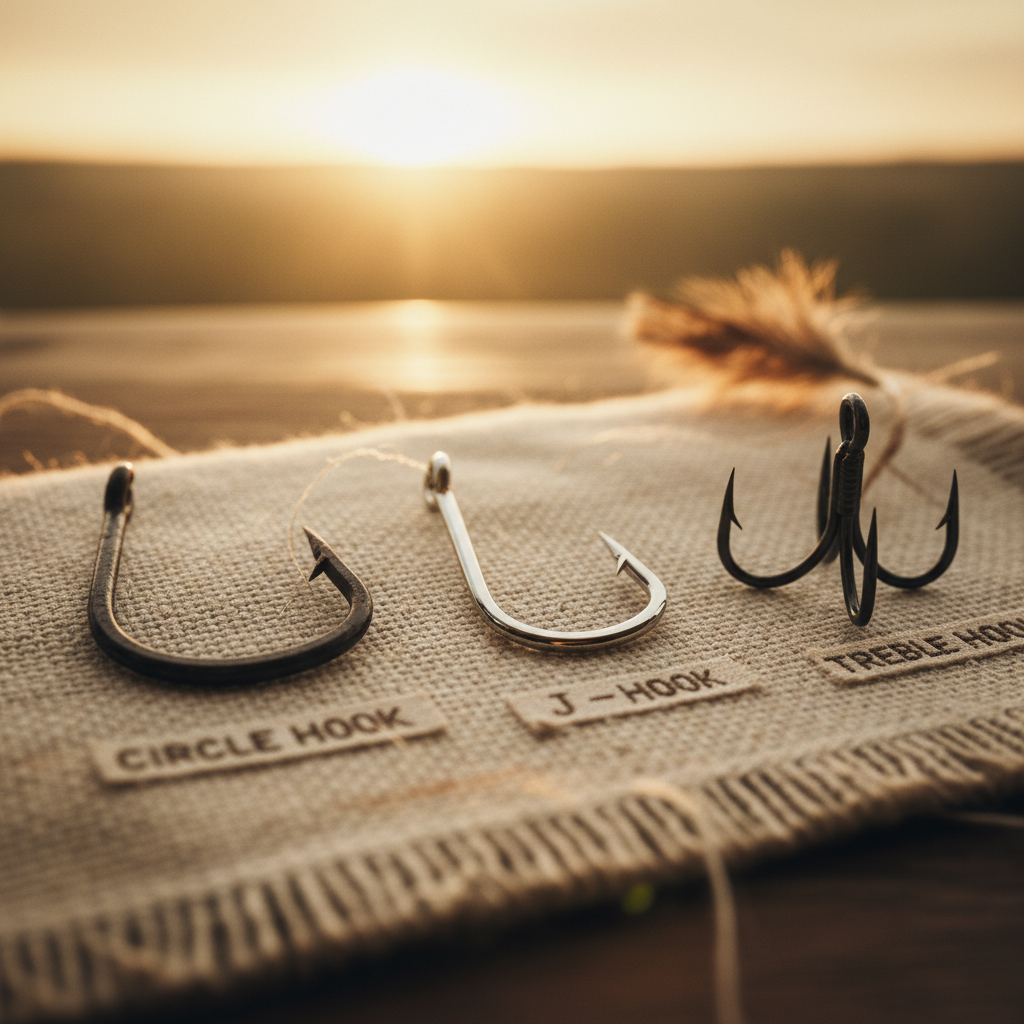
Circle hooks are characterized by their distinct circular shape, with the point turned perpendicularly back towards the shank. This unique design makes them exceptionally effective for hooking fish in the corner of the mouth, leading to cleaner releases and minimizing injury, making them a favorite among conservation-minded anglers. When a fish takes a bait on a circle hook, the hook is designed to slide along the throat until it reaches the corner of the mouth, where it will then set firmly with a gentle tightening of the line. This avoids gut-hooking, which can be fatal to fish.
Circle hooks are particularly well-suited for fishing with natural baits, such as live or cut bait, and are often used in bottom fishing and trolling applications. They require a different hooking technique than traditional J-hooks. Instead of snapping the rod to set the hook, you simply need to slowly reel in the line, allowing the hook to find its purchase in the fish’s mouth. Many anglers find that using a slow, steady retrieve is the most effective way to ensure a solid hookset with circle hooks. It’s a matter of trusting the design and letting the hook do its job.
J-Hooks: The Classic and Versatile Option
J-hooks, as the name suggests, are shaped like the letter “J.” They are the most traditional and widely used type of fishing hook, known for their versatility and effectiveness in a wide range of fishing situations. J-hooks are available in various sizes, shapes, and wire thicknesses, making them suitable for everything from panfish to large game fish.
Unlike circle hooks, J-hooks require a more active hookset. When a fish takes the bait, the angler must quickly snap the rod to drive the hook point into the fish’s mouth. The timing of the hookset is crucial with J-hooks; too early, and you risk pulling the hook away from the fish; too late, and the fish may swallow the hook, leading to gut-hooking. Mastering the art of the J-hook hookset requires practice and a keen understanding of fish behavior. It’s about anticipating the bite and reacting decisively. J-hooks are a staple for many anglers, and mastering their use is a fundamental skill for any serious fisherman.
Treble Hooks: The Lure Enhancer
Treble hooks feature three points emanating from a single eye. They are commonly used on lures, such as crankbaits, jerkbaits, and topwater plugs, to increase the chances of hooking a fish. The multiple points of a treble hook provide a wider target area, making it more likely that at least one point will penetrate the fish’s mouth during a strike.
While treble hooks are effective for hooking fish, they can also cause significant damage, especially if the fish is deeply hooked. For this reason, many anglers are opting to replace treble hooks with single hooks on their lures, particularly when practicing catch-and-release fishing. Replacing treble hooks with single inline hooks can significantly reduce injury to fish while still maintaining a good hook-up ratio. It’s a simple modification that can make a big difference in the health of the fish population.
Specialty Hooks: Tailored for Specific Situations
Beyond the common hook types, there exists a wide array of specialty hooks designed for specific fishing techniques and target species. These hooks often feature unique shapes, sizes, and features that optimize their performance in particular situations. For example, worm hooks are designed for rigging soft plastic worms, while octopus hooks are popular for bait fishing for salmon and steelhead. Kahle hooks, with their wide gapes, are ideal for fishing with bulky baits. Each specialty hook is designed to solve a specific problem or enhance a particular fishing technique. Exploring these specialized options can open up new possibilities and improve your success in niche fishing scenarios.
The Art of Rigging: Presenting Your Hook with Finesse
Choosing the right hook is only half the battle. Presenting that hook effectively is equally crucial for enticing fish to bite and ensuring a solid hookset. The art of rigging involves carefully selecting the appropriate line, leader, and terminal tackle to create a presentation that is both appealing to the fish and conducive to a successful hookup. Let’s examine some key considerations for rigging your hooks effectively.
Matching the Hook to the Bait: A Symbiotic Relationship
The size and style of your hook should be carefully matched to the size and type of bait you are using. A hook that is too small may not be able to penetrate the fish’s mouth effectively, while a hook that is too large may deter fish from biting. When using live bait, such as worms or minnows, the hook should be small enough to allow the bait to move naturally but strong enough to withstand the force of a strike. For larger baits, such as cut bait or whole fish, a larger and sturdier hook is necessary. The goal is to create a seamless and natural-looking presentation that entices fish to strike with confidence. It’s about creating a visual harmony that appeals to the fish’s instincts.
Line and Leader Selection: The Invisible Connection
The type of line and leader you use can also significantly impact your hook presentation. In clear water, using a fluorocarbon leader can make your presentation less visible to wary fish. Fluorocarbon line is nearly invisible underwater, making it an excellent choice for situations where stealth is paramount. In murky water, a brightly colored line can help you detect strikes more easily. The strength of your line and leader should be matched to the size of the fish you are targeting and the type of cover you are fishing around. Using too light of a line can result in break-offs, while using too heavy of a line can reduce the sensitivity of your presentation. It’s about finding the right balance between stealth, strength, and sensitivity.
Knot Know-How: Securing the Connection
A strong and reliable knot is essential for ensuring that your hook stays connected to your line. There are many different fishing knots to choose from, each with its own strengths and weaknesses. Some popular knots for attaching hooks include the improved clinch knot, the palomar knot, and the snell knot. It’s important to practice tying your knots until you can tie them quickly and consistently, even in challenging conditions. A poorly tied knot can be the weakest link in your fishing setup, leading to lost fish and wasted time. Learning a few reliable knots and mastering their execution is a fundamental skill for any serious angler.
Consider the Palomar knot, revered for its strength and simplicity. It’s a fantastic choice for braided lines, known for their slickness, which can cause other knots to slip. Or the Improved Clinch Knot, a versatile option suitable for monofilament and fluorocarbon lines. The key is not just knowing the steps, but practicing them until they become second nature. Imagine the frustration of losing a trophy fish due to a poorly tied knot; it’s a lesson best learned through practice and preparation.

Adding Attraction: Enhancing Your Hook Presentation
In some situations, adding additional attractants to your hook presentation can significantly increase your chances of success. This can include using scents, attractants, or adding visual cues such as beads or spinners. Scents can mask human odors and attract fish from a distance, while beads and spinners can add flash and vibration to your presentation, making it more appealing to fish in murky water. Experimenting with different attractants can help you discover what works best in your local waters. It’s about appealing to the fish’s senses and triggering their predatory instincts.
The Edge of Sharpness: Maintaining Your Hooks for Peak Performance
A dull hook is a useless hook. No matter how perfectly you present your bait or lure, if your hook isn’t razor-sharp, you’ll struggle to hook fish consistently. Maintaining your hooks is an often-overlooked but absolutely essential aspect of angling. Regular sharpening and inspection can dramatically improve your hookup ratio and increase your overall fishing success.
The Importance of Hook Sharpening: A Razor’s Edge
Over time, hook points can become dulled by contact with rocks, weeds, and other underwater obstacles. Even simply being used to hook fish can dull the point. A dull hook requires significantly more force to penetrate the fish’s mouth, reducing your chances of a solid hookset. Sharpening your hooks regularly ensures that they maintain their razor-sharp edge, allowing them to penetrate quickly and easily. Think of it like a knife in the kitchen – a sharp knife is safer and more effective than a dull one. The same principle applies to fishing hooks.
Sharpening Tools and Techniques: Honing Your Skills
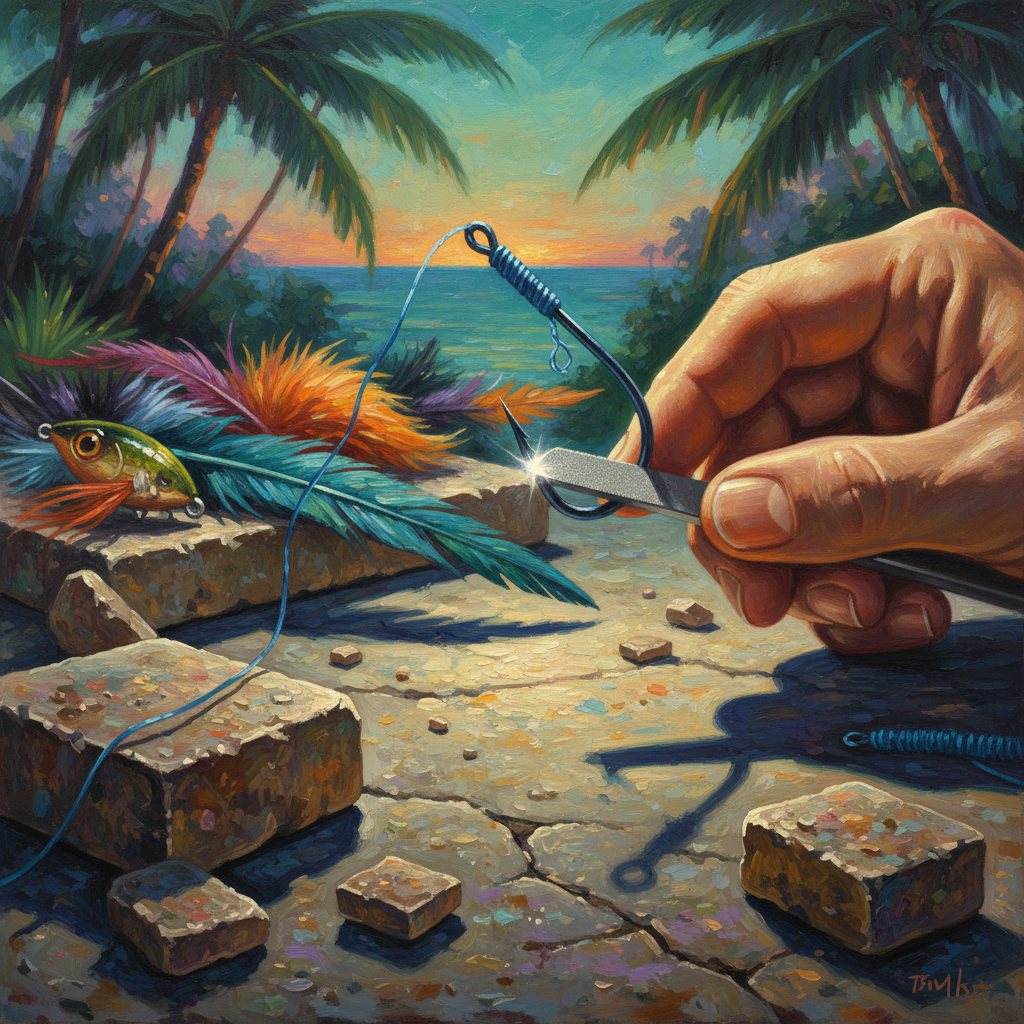
There are several different types of hook sharpeners available, including files, stones, and ceramic sharpeners. Each type has its own advantages and disadvantages, so it’s important to choose a sharpener that you are comfortable using. When sharpening your hooks, it’s important to maintain the original angle of the hook point. Avoid applying too much pressure, as this can damage the hook. Instead, use light, even strokes to gradually restore the sharpness of the point. Practice makes perfect when it comes to hook sharpening. With a little patience and practice, you can learn to sharpen your hooks to a razor-sharp edge.
Inspecting Your Hooks: A Routine Check
In addition to sharpening your hooks regularly, it’s also important to inspect them for damage. Check for bent points, broken barbs, and corrosion. Any hooks that are damaged should be discarded and replaced. Corrosion can weaken the hook, making it more likely to break under pressure. Bent points can affect the hook’s ability to penetrate effectively. Regularly inspecting your hooks and replacing any damaged ones will ensure that you are always fishing with the best possible equipment.
Imagine meticulously preparing for a fishing trip, selecting the perfect rod, reel, and lures, only to have your efforts thwarted by a rusty, dull hook. It’s a preventable tragedy. A quick check of your hooks before each outing can save you from frustration and lost opportunities. Look for signs of wear and tear, and don’t hesitate to replace any questionable hooks. Your hook is your direct connection to the fish, and it deserves your attention.
Storage and Maintenance: Protecting Your Investment
Proper storage and maintenance can help extend the lifespan of your hooks and keep them in optimal condition. Store your hooks in a dry place to prevent corrosion. Consider using a tackle box with individual compartments to keep your hooks organized and prevent them from rubbing against each other. After each fishing trip, rinse your hooks with fresh water to remove any salt or debris. Applying a light coating of oil can also help prevent corrosion. Taking care of your hooks is an investment in your fishing success. It’s a small effort that can pay off big time in the long run.
Beyond the Basics: Advanced Hook Considerations
Once you’ve mastered the fundamentals of hook selection, rigging, and maintenance, you can begin to explore more advanced concepts that can further enhance your angling success. These advanced considerations involve fine-tuning your hook selection and presentation to match specific fishing conditions and fish behavior.
Matching the Hatch: Imitating Nature’s Menu
Matching the hatch is a technique commonly used in fly fishing, but it can also be applied to bait fishing. It involves selecting a bait and hook that closely resemble the natural food sources that fish are currently feeding on. This can involve observing the insects or other prey items that are present in the water and selecting a bait and hook that mimic their size, shape, and color. Matching the hatch can be particularly effective when fishing in clear water or when targeting finicky fish. It’s about understanding the fish’s diet and presenting them with a meal that they can’t resist.
Adjusting to Conditions: Adapting to the Environment
Fishing conditions can change rapidly, so it’s important to be able to adapt your hook selection and presentation accordingly. For example, if the water is murky, you may need to use a larger hook and a brighter bait to increase visibility. If the fish are biting aggressively, you may be able to use a smaller hook and a more subtle presentation. Paying attention to the environmental conditions and adjusting your approach accordingly can significantly improve your chances of success. It’s about being a flexible and adaptable angler.
Understanding Fish Behavior: Decoding the Signals
Understanding fish behavior is crucial for selecting the right hook and presenting it effectively. Different species of fish have different feeding habits and preferences. Some fish are aggressive predators that readily strike at fast-moving lures, while others are more cautious and prefer to feed on slow-moving baits. By observing fish behavior and understanding their feeding habits, you can make more informed decisions about your hook selection and presentation. It’s about becoming a student of the fish and learning their secrets.
The Philosophy of the Hook: More Than Just Metal
In the end, the fishing hook is more than just a piece of metal. It’s a symbol of the connection between angler and fish, a testament to the art of deception, and a crucial component of the angling experience. Mastering the nuances of hook selection, rigging, and maintenance is an ongoing process, but it’s a process that can significantly enhance your fishing success and deepen your appreciation for the sport. So, the next time you’re preparing for a fishing trip, take a moment to appreciate the humble fishing hook and consider the crucial role it plays in the dance between angler and aquatic creature. It’s the unseen detail that decides between landing and losing, and it deserves your attention.

Remember, every cast is a learning opportunity. Each missed strike, each landed fish, provides valuable data that can inform your future decisions. Don’t be afraid to experiment with different hooks, rigs, and techniques. Keep a fishing journal to track your successes and failures. And most importantly, never stop learning. The world of fishing is constantly evolving, and there’s always something new to discover. Embrace the challenge, and you’ll be rewarded with a lifetime of angling adventures.