Unlocking the Secret to Effortless Hooksets: The Hook Angle
Have you ever felt that frustrating tug on your line, only to reel in nothing but an empty hook? It’s a feeling every angler knows all too well, a testament to the subtle dance between predator and prey that plays out beneath the water’s surface. While many factors contribute to a successful hookset – line tension, rod action, and even the angler’s reaction time – there’s one often-overlooked element that can dramatically increase your odds: the hook angle. But what exactly is the hook angle, and how can mastering it transform your fishing game?
The hook angle, simply put, refers to the angle at which the hook point is presented to the fish. This angle is influenced by a multitude of factors, including the type of hook you’re using, the way you rig your bait, the size and species of fish you’re targeting, and even the prevailing water conditions. Understanding how these factors interact is crucial to maximizing your hookset ratio and landing more fish. It’s not just about having a sharp hook; it’s about presenting that hook in a way that encourages the fish to take it deeply and securely.
Think of it like this: imagine trying to pierce a piece of fruit with a needle. If you approach the fruit at a perpendicular angle, the needle will likely penetrate easily. But if you approach it at a shallow angle, the needle might glance off the surface. The same principle applies to fishing. A well-presented hook, with the right angle, will find its mark more effectively, increasing your chances of a solid hookup.
The Anatomy of a Hook: Understanding the Key Components
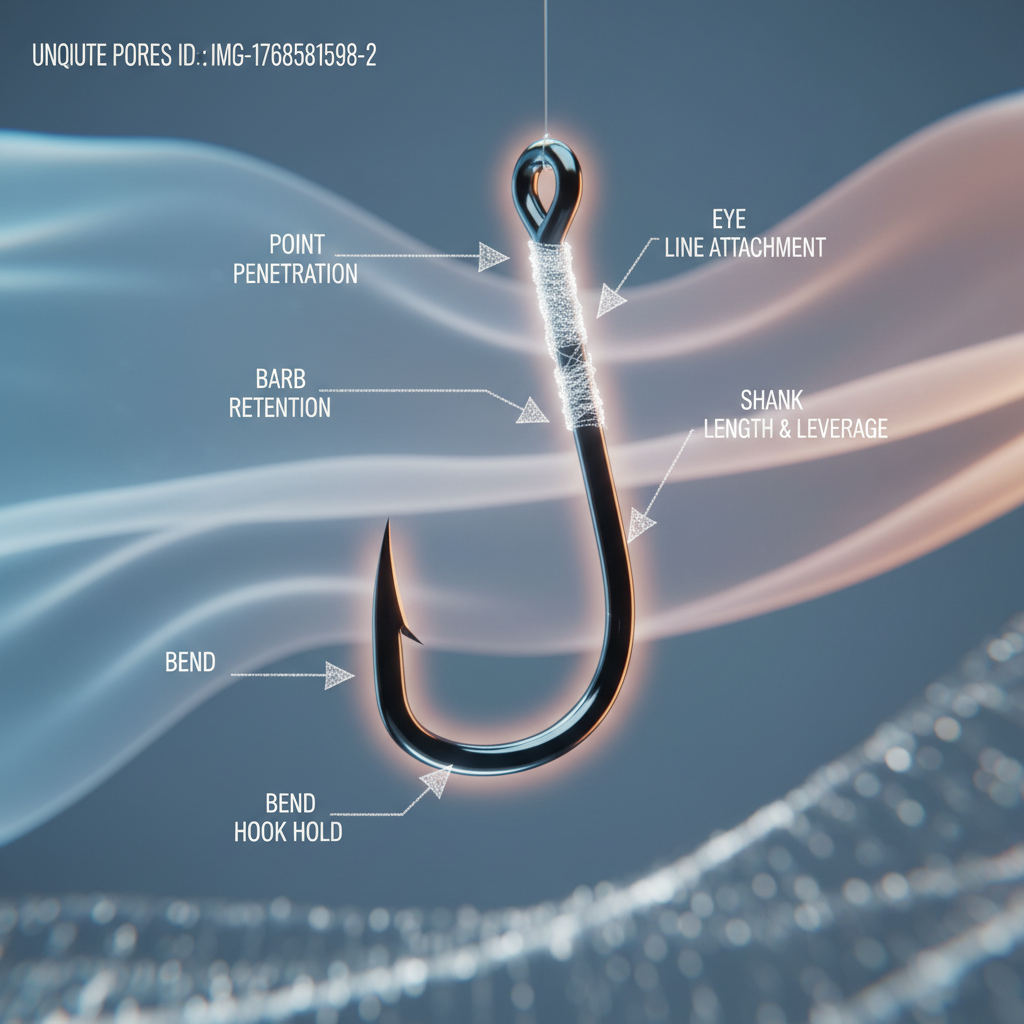
Before diving deeper into the nuances of hook angles, it’s essential to understand the anatomy of a fishing hook. Each component plays a vital role in its overall performance and contributes to the effectiveness of your hookset. Let’s break down the key parts:
* **The Point:** This is the business end of the hook, the part that penetrates the fish’s mouth. The sharpness and shape of the point are critical for a quick and secure hookup. Different point styles, such as needle points, offset points, and barbless points, are designed for specific fishing situations.
* **The Barb:** The barb is a small projection located behind the point that helps to prevent the hook from dislodging once it’s embedded in the fish’s mouth. While barbed hooks offer greater holding power, they can also cause more damage to the fish, which is a consideration for catch-and-release anglers.
* **The Eye:** The eye is the loop at the top of the hook where you attach your fishing line. Different eye types, such as turned-up eyes, turned-down eyes, and straight eyes, can influence the hook’s presentation and affect the angle at which it penetrates the fish’s mouth.
* **The Shank:** The shank is the straight portion of the hook that connects the eye to the bend. The length and thickness of the shank can vary depending on the hook’s intended use. Longer shanks are often used for live bait fishing, while shorter shanks are preferred for artificial lures.
* **The Bend:** The bend is the curved portion of the hook that connects the shank to the point. The shape of the bend affects the hook’s gape, which is the distance between the point and the shank. A wider gape allows for better hook penetration, especially when using bulky baits.
Understanding these components will empower you to make informed decisions when selecting hooks and rigging your bait, ultimately leading to more successful hooksets.
Decoding the Factors Influencing Hook Angle
The ideal hook angle isn’t a static value; it’s a dynamic parameter that changes based on several factors. Mastering the art of adjusting your hook angle to suit the specific conditions you’re facing is what separates the average angler from the consistently successful one.
Bait Selection and Rigging Techniques
The type of bait you choose and how you rig it can have a profound impact on the hook angle. For instance, a large, bulky bait like a nightcrawler might require a wider gape hook and a different rigging technique than a small, delicate bait like a bloodworm.
* **Live Bait:** When fishing with live bait, it’s crucial to rig the bait in a way that allows it to move naturally while still presenting the hook point effectively. Hooking a minnow through the lips or behind the dorsal fin will create different hook angles and affect the way the fish takes the bait.
* **Artificial Lures:** With artificial lures, the hook angle is often determined by the lure’s design. Crankbaits, for example, typically have hooks that are positioned to maximize hooksets when the fish strikes from behind. Jigs, on the other hand, require a more deliberate hookset to drive the hook point home.
* **Soft Plastics:** Soft plastic baits offer a wide range of rigging options, each with its own unique hook angle. Texas rigging, Carolina rigging, and wacky rigging are just a few examples of techniques that can be used to present soft plastics in different ways and target different species of fish.
Species-Specific Considerations
Different species of fish have different feeding habits and mouth structures, which means that the ideal hook angle will vary depending on the type of fish you’re targeting. For example, a fish with a soft mouth, like a trout, might require a smaller, finer wire hook with a sharper point, while a fish with a bony mouth, like a bass, might require a larger, stronger hook with a wider gape.
Consider the way different fish feed. Some fish are aggressive strikers that engulf their prey whole, while others are more cautious feeders that nibble at the bait before committing to a full strike. Understanding these feeding behaviors will help you choose the right hook size, shape, and angle for the species you’re targeting.
Environmental Factors: Water Clarity and Current
Even environmental factors like water clarity and current can influence the ideal hook angle. In clear water, fish are more likely to scrutinize the bait before taking it, so it’s important to use a more subtle presentation with a smaller hook and a natural-looking bait. In murky water, fish rely more on their sense of smell and vibration, so you can get away with using a larger hook and a more aggressive presentation.
Current can also affect the hook angle by influencing the way the bait moves in the water. In strong currents, it’s important to use a heavier weight to keep the bait on the bottom and prevent it from drifting too far. This can also affect the angle at which the hook is presented to the fish, so it’s important to adjust your rigging accordingly.
Fine-Tuning Your Technique: Practical Tips for Optimizing Hook Angle
Now that we’ve explored the theory behind hook angles, let’s delve into some practical tips that you can use to optimize your technique and increase your hookset ratio.
Selecting the Right Hook: A Guide to Hook Styles and Sizes
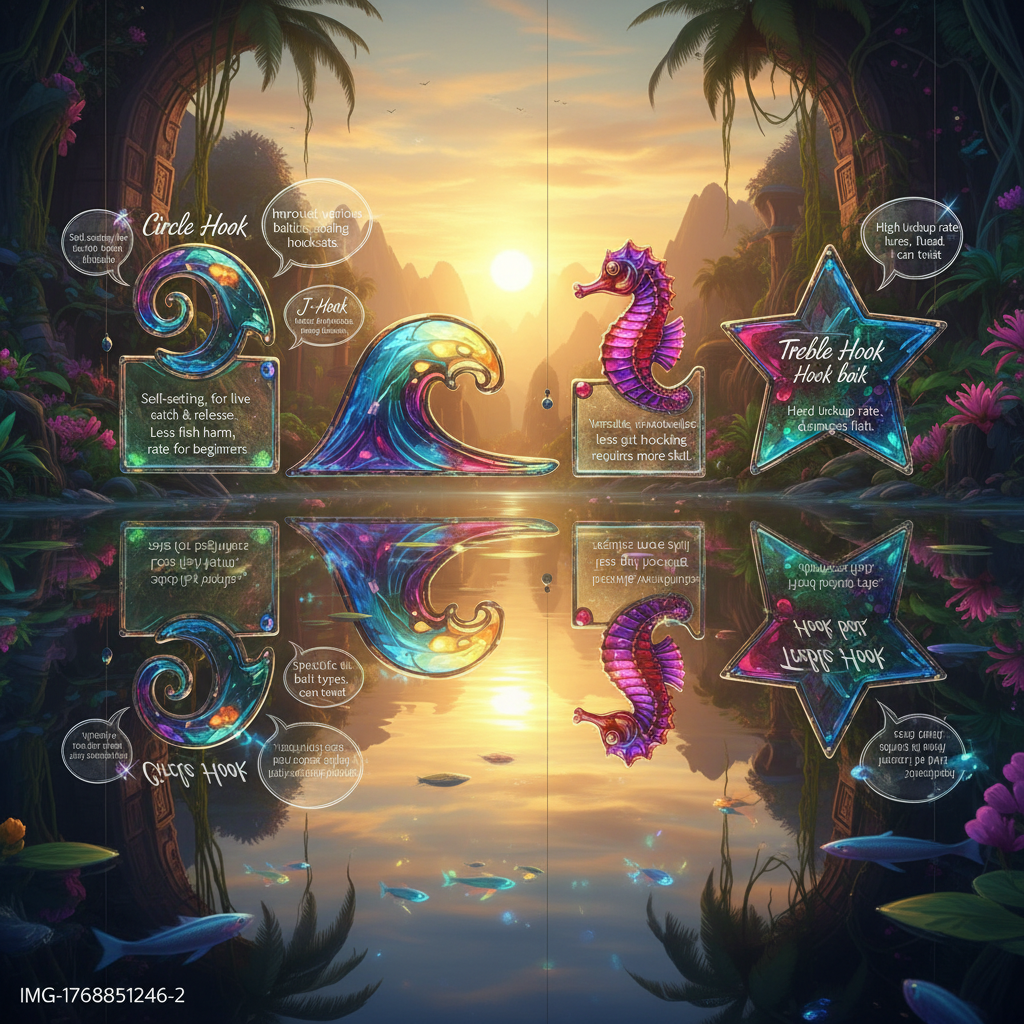
Choosing the right hook is the first step towards achieving the perfect hook angle. There are countless hook styles and sizes available on the market, each designed for specific fishing applications. Here’s a quick guide to some of the most popular hook types:
* **Circle Hooks:** Circle hooks are designed to hook fish in the corner of the mouth, making them a popular choice for catch-and-release fishing. They are particularly effective when fishing with live bait and require a different hookset technique than traditional J-hooks. Instead of jerking the rod, you simply reel slowly and steadily until the hook sets itself.
* **J-Hooks:** J-hooks are the classic hook design, characterized by their curved shape and sharp point. They are versatile hooks that can be used for a wide range of fishing applications, from bait fishing to lure fishing.
* **Offset Hooks:** Offset hooks have a slight bend in the shank, which helps to improve hook penetration. They are often used when fishing with soft plastic baits and are particularly effective for Texas rigging and Carolina rigging.
* **Treble Hooks:** Treble hooks have three points and are commonly used on crankbaits, jerkbaits, and other artificial lures. They provide multiple points of contact, increasing the chances of hooking a fish.
The size of the hook is also an important consideration. Generally, you should choose a hook size that is proportional to the size of the bait you’re using. A hook that is too small might not penetrate effectively, while a hook that is too large might spook the fish.
Mastering the Hookset: Timing, Power, and Follow-Through
The hookset is the moment of truth, the culmination of all your efforts. A well-executed hookset can mean the difference between landing a trophy fish and watching it swim away. Here are some key elements to consider:
* **Timing:** The timing of the hookset is crucial. You need to wait until the fish has taken the bait fully into its mouth before setting the hook. If you set the hook too early, you’ll likely pull the bait away from the fish. If you wait too long, the fish might spit the bait out.
* **Power:** The amount of power you use when setting the hook will depend on the size and species of fish you’re targeting, as well as the type of hook you’re using. For smaller fish and softer-mouthed species, a gentle flick of the wrist might be sufficient. For larger fish and bony-mouthed species, you’ll need to use a more powerful, sweeping hookset.
* **Follow-Through:** After setting the hook, it’s important to maintain a tight line and continue reeling. This will help to keep the hook firmly embedded in the fish’s mouth and prevent it from escaping.
Practice makes perfect when it comes to mastering the hookset. Experiment with different techniques and pay attention to how the fish respond. Over time, you’ll develop a feel for the right timing, power, and follow-through for different fishing situations.
Adjusting to Conditions: Adapting Your Approach on the Water
No two fishing trips are ever exactly the same. Conditions can change rapidly, and it’s important to be able to adapt your approach accordingly. If you’re not getting bites, don’t be afraid to experiment with different baits, rigs, and hooksets.
* **Change Baits:** If the fish aren’t responding to your current bait, try switching to something different. Experiment with different colors, sizes, and types of bait until you find something that the fish are interested in.
* **Adjust Your Rig:** Sometimes, a simple adjustment to your rig can make a big difference. Try changing the weight, leader length, or hook size to see if it improves your hookset ratio.
* **Vary Your Hookset:** Experiment with different hookset techniques. Try a faster hookset, a slower hookset, or a more powerful hookset. Pay attention to how the fish respond and adjust your technique accordingly.
Remember, fishing is a learning process. The more time you spend on the water, the better you’ll become at reading the conditions and adapting your approach to maximize your success.
Case Studies: Real-World Examples of Hook Angle Mastery
To illustrate the importance of hook angle in real-world fishing scenarios, let’s examine a few case studies:
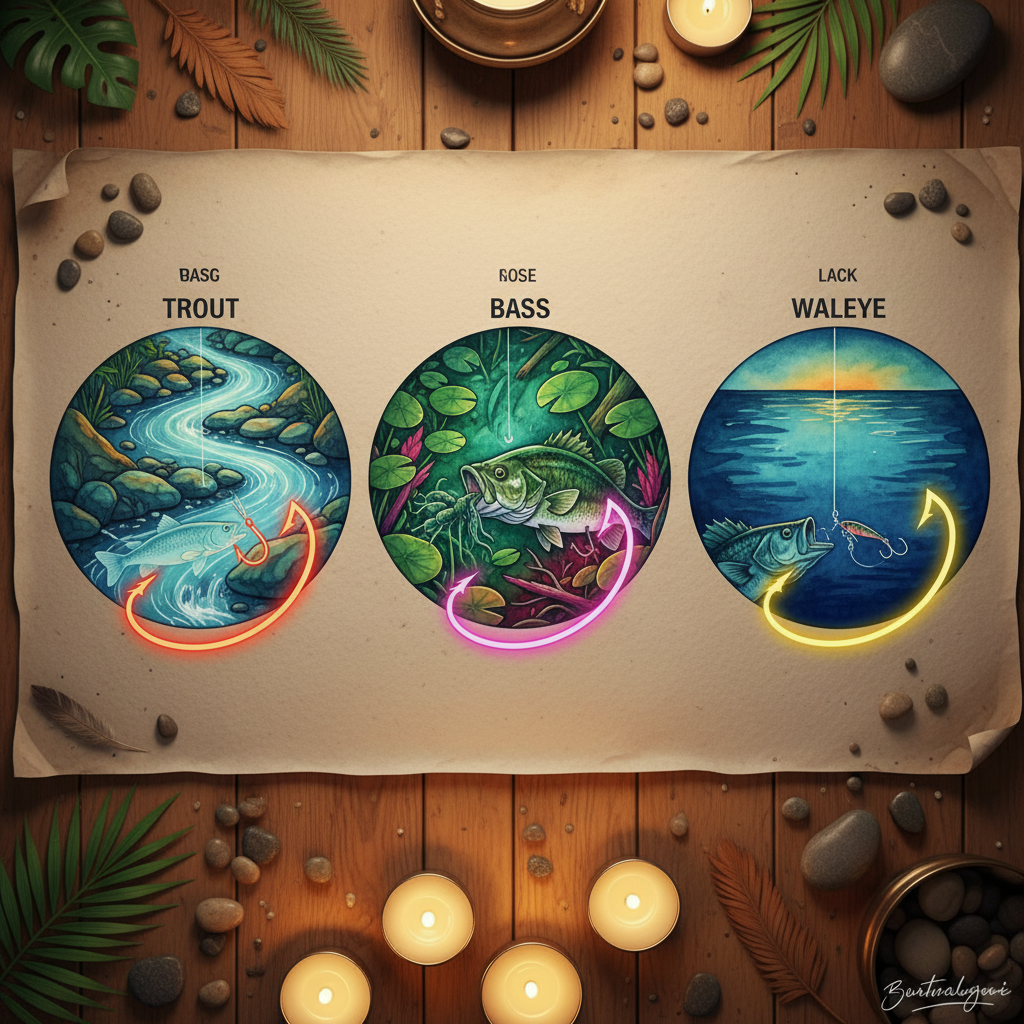
**Case Study 1: The Wary Trout**
A fly fisherman was struggling to catch trout in a clear, spring-fed stream. The trout were highly pressured and easily spooked. After observing their behavior, he realized that they were carefully inspecting his flies before taking them. He switched to a smaller, barbless hook and a longer, finer tippet to create a more natural presentation. He also adjusted his casting technique to minimize drag and ensure that the fly drifted naturally through the water. By paying close attention to the hook angle and presentation, he was able to fool the wary trout and land several beautiful fish.
**Case Study 2: The Powerful Bass**
A bass angler was fishing a weed-choked lake with heavy cover. He was using a Texas-rigged worm, but he was missing a lot of fish. He realized that the hook point was not penetrating the thick vegetation effectively. He switched to a heavier wire hook with an offset point and a bullet weight to help the worm penetrate the cover more easily. He also adjusted his hookset technique to use a more powerful, sweeping motion to drive the hook home. By addressing the hook angle issue, he was able to consistently hook and land bass in the heavy cover.
**Case Study 3: The Finicky Walleye**
A walleye fisherman was jigging for walleye in a deep, cold lake. The walleye were biting lightly, and he was having trouble detecting the strikes. He switched to a smaller jig head with a longer shank hook and a stinger hook to increase his chances of hooking the fish. He also adjusted his jigging technique to use a more subtle, vertical presentation. By paying attention to the hook angle and jigging action, he was able to improve his hookset ratio and catch a limit of walleye.
Beyond the Basics: Advanced Techniques for Hook Angle Optimization
For anglers looking to take their skills to the next level, there are several advanced techniques that can be used to further optimize hook angle:
* **The Snell Knot:** The snell knot is a specialized knot that is used to tie hooks with turned-up or turned-down eyes. It allows you to adjust the angle of the hook point relative to the line, which can improve hook penetration.
* **The Stinger Hook:** A stinger hook is a small, supplementary hook that is attached to the main hook with a short piece of line or wire. It is often used when fishing with soft plastic baits or live bait to increase the chances of hooking fish that are short-striking.
* **The Trailer Hook:** A trailer hook is a hook that is attached to the back of a lure, such as a spinnerbait or buzzbait. It helps to catch fish that are nipping at the tail of the lure.
* **Custom Hook Modification:** Some anglers even go so far as to modify their hooks to achieve the perfect hook angle. This might involve bending the hook point, sharpening the barb, or even adding weight to the shank.
These advanced techniques require a deep understanding of hook mechanics and fish behavior. However, when used correctly, they can significantly improve your hookset ratio and help you catch more fish.
The Ethical Angler: Considering the Impact on the Fish
While mastering the hook angle is undoubtedly a valuable skill, it’s important to remember that we are stewards of the environment and must fish responsibly. Choosing the right hook and hookset technique can minimize harm to the fish, particularly if you practice catch-and-release fishing.
Barbless hooks, for example, are easier to remove and cause less damage to the fish’s mouth. Circle hooks are designed to hook fish in the corner of the mouth, which is less likely to cause serious injury. And using a quick, decisive hookset can prevent the fish from swallowing the hook too deeply.
Always handle fish with care and release them as quickly as possible. By practicing ethical angling techniques, we can ensure that future generations will have the opportunity to enjoy the sport of fishing.

Ultimately, the “hook angle” is more than just a technical term. It represents a deeper understanding of the intricate interplay between angler, tackle, and the aquatic environment. By paying attention to the details – the hook type, the bait presentation, the species of fish, and the prevailing conditions – you can unlock a new level of fishing success. It’s a journey of continuous learning and adaptation, but the rewards are well worth the effort. So, the next time you’re on the water, take a moment to consider the hook angle. You might be surprised at the difference it makes. Remember, fishing is not just about catching fish; it’s about connecting with nature and honing your skills as an angler. It’s about the pursuit of knowledge and the satisfaction of mastering a craft. And the hook angle is just one piece of the puzzle, a crucial element in the art of angling. Embrace the challenge, experiment with different techniques, and watch your hookset ratio soar. The fish will thank you for it.