Why the Fish Aren’t Biting: A Hard Look in the Mirror
We’ve all been there. Hours spent on the water, casting line after line, only to be met with…nothing. The frustration mounts, the sun beats down, and the internal monologue begins. “These fish just aren’t biting today,” we mutter, blaming the conditions, the spot, or even the fish themselves. But what if the problem isn’t them? What if, just maybe, you’re the reason the fish aren’t biting?
It’s a tough pill to swallow, admitting that our lack of success might be self-inflicted. But fishing, like any skill, requires constant learning, adaptation, and a willingness to confront our own shortcomings. It’s not just about luck; it’s about understanding the fish, the environment, and, most importantly, ourselves as anglers.
This isn’t about assigning blame. It’s about taking ownership of our fishing journey and identifying the common pitfalls that keep so many anglers from reaching their full potential. So, let’s dive in and explore the uncomfortable truths that might be hindering your fishing success.
The Illusion of Knowledge: Thinking You Know It All
One of the biggest obstacles to improvement is the belief that we already know everything. This is especially true for anglers who’ve had some initial success. A few lucky catches can lead to overconfidence, a reluctance to experiment, and a resistance to learning new techniques. “I’ve always done it this way, and it works,” is a common refrain, even when the evidence suggests otherwise.
The truth is, fishing is constantly evolving. New technologies emerge, fishing pressure changes fish behavior, and our understanding of aquatic ecosystems deepens. An angler who isn’t actively seeking out new knowledge is destined to fall behind. This might involve reading fishing magazines, watching online tutorials, joining fishing clubs, or simply talking to more experienced anglers.
Consider the example of a bass angler who exclusively uses crankbaits because they caught a few big fish on them years ago. They stubbornly stick to this technique, even when fishing clear, shallow water where finesse tactics would be far more effective. Their refusal to adapt limits their success and prevents them from exploring the full range of possibilities.
Humility is key. Recognize that there’s always more to learn, and be open to trying new things. Question your assumptions and be willing to challenge your own beliefs. The more you learn, the more adaptable you become, and the more consistently you’ll catch fish.
Ignoring the Clues: Failing to Read the Water
Fishing isn’t just about casting a line and hoping for the best. It’s about becoming a detective, observing the environment, and piecing together clues to understand where the fish are likely to be and what they’re likely to be feeding on. This requires a keen eye, a willingness to experiment, and a deep understanding of fish behavior.
Are you paying attention to water temperature, clarity, and current? Are you observing insect hatches, baitfish activity, or the presence of predators? Are you using sonar or other electronic devices to locate structure and identify fish holding areas? These are all crucial pieces of the puzzle that can help you pinpoint the best locations and techniques.
Imagine two anglers fishing the same stretch of river. One blindly casts their line into the middle of the channel, while the other carefully observes the water, noticing a subtle seam where the current slows down behind a submerged rock. They target this area with a well-placed cast and immediately hook a fish. The difference isn’t luck; it’s observation and understanding.
Learning to read the water takes time and practice, but it’s one of the most valuable skills an angler can develop. Start by focusing on a few key indicators, such as water temperature and clarity. As you gain experience, you can gradually incorporate more factors into your analysis. The more you learn to read the water, the better equipped you’ll be to find fish, regardless of the conditions.
Technique Troubles: Sloppy Presentation and Poor Execution
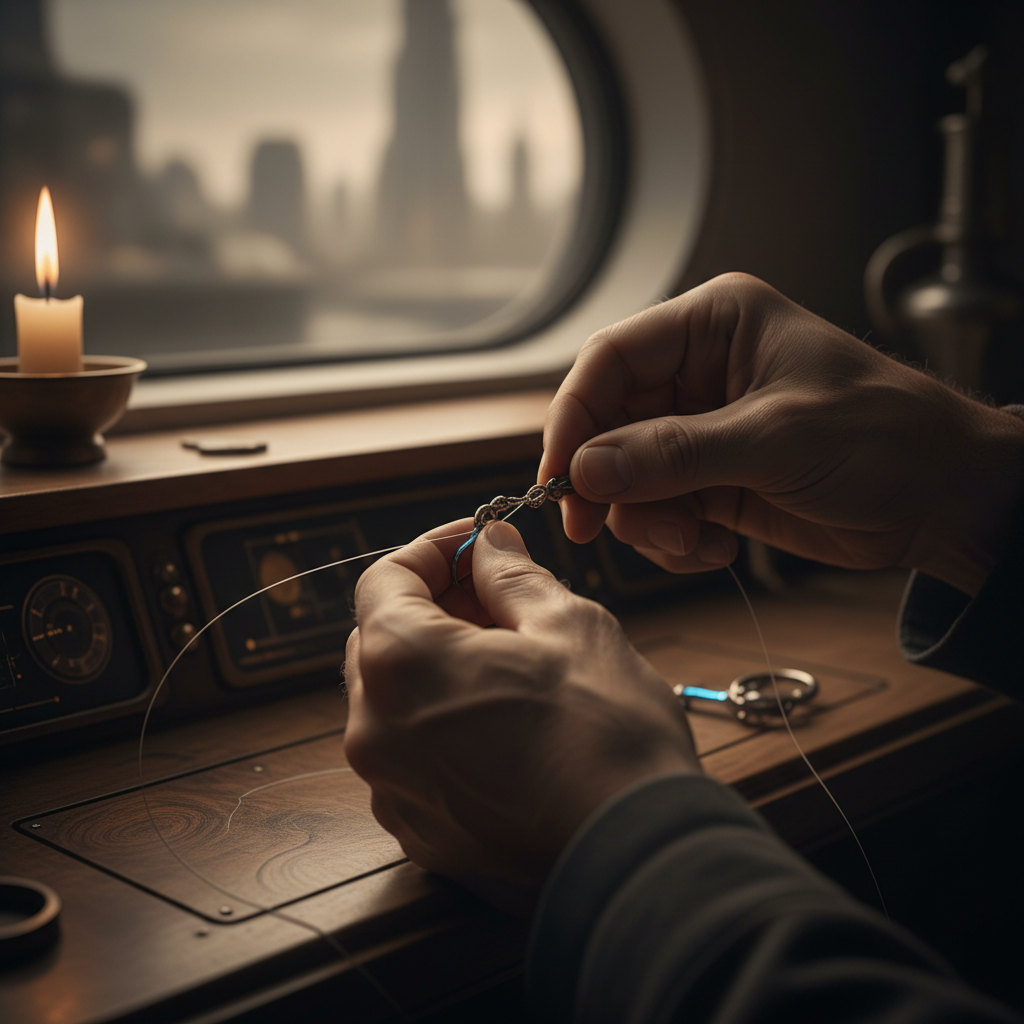
Even with the right knowledge and the right location, poor technique can sabotage your fishing efforts. Sloppy casts, improper retrieves, and poorly tied knots can all lead to missed opportunities and lost fish. Attention to detail and consistent execution are essential for success.
Are you practicing your casting technique to improve accuracy and distance? Are you using the right retrieves for the type of lure you’re using and the conditions you’re fishing? Are you regularly checking your knots for strength and integrity? These are all fundamental aspects of fishing that are often overlooked.
Consider the example of an angler who consistently loses fish after hooking them. After closer examination, it becomes clear that their knots are failing due to improper tying technique. A few simple adjustments to their knot tying procedure dramatically improve their hook-up ratio.
Don’t underestimate the importance of practice. Spend time honing your skills, both on and off the water. Watch videos, read articles, and seek out instruction from experienced anglers. The more you practice, the more consistent you’ll become, and the more fish you’ll catch.
Gear Gaffes: Using the Wrong Equipment for the Job
Having the right gear can make a significant difference in your fishing success. Using a rod that’s too heavy, a reel that’s too slow, or a line that’s too thick can all hinder your ability to present your lure effectively and detect subtle strikes. Choosing the right equipment for the specific type of fishing you’re doing is crucial.
Are you using a rod and reel that are properly matched to the size and type of lure you’re using? Are you using the appropriate line strength for the species of fish you’re targeting? Are you using hooks that are sharp and properly sized? These are all important considerations when selecting your gear.
Imagine an angler trying to fish for trout in a clear stream using a heavy spinning rod and thick monofilament line. The bulky presentation spooks the fish, and they never get a bite. Switching to a lighter rod, a smaller reel, and a thin fluorocarbon line dramatically improves their success.
Investing in quality gear doesn’t necessarily mean spending a fortune. Focus on selecting equipment that’s appropriate for the type of fishing you’ll be doing most often. Do your research, read reviews, and talk to other anglers to get recommendations. The right gear can make a world of difference.
The Patience Paradox: Giving Up Too Soon
Fishing requires patience. There will be days when the fish simply aren’t biting, no matter what you do. The key is to stay persistent, keep experimenting, and never give up. Many anglers make the mistake of giving up too soon, switching spots or techniques prematurely, just before the fish start to bite.
Are you willing to spend hours on the water, even when you’re not catching fish? Are you willing to try different lures, techniques, and locations until you find something that works? Are you able to stay focused and maintain a positive attitude, even when the conditions are challenging?
Consider the example of an angler who spends all day fishing a particular lake, trying different lures and techniques without any success. Just as they’re about to pack up and leave, they decide to make one last cast with a different lure. To their surprise, they immediately hook a fish, and then another, and another. Their persistence paid off in the end.
Patience is a virtue in fishing. Don’t get discouraged by slow days or tough conditions. Stay focused, keep experimenting, and believe that eventually, the fish will bite. The most rewarding catches often come after hours of frustration and perseverance.

The “Spot Hopping” Hustle: Not Giving a Spot Enough Time
Similar to lacking patience, constantly moving from spot to spot without thoroughly exploring each one can be detrimental. Many anglers fall into the trap of “spot hopping,” spending only a few minutes at each location before moving on to the next. This prevents them from fully understanding the potential of each spot and often leads to missed opportunities.
Are you giving each spot enough time to produce? Are you thoroughly exploring different depths, cover, and presentations before moving on? Are you paying attention to the subtle changes in the environment that might indicate the presence of fish?
Imagine an angler who arrives at a lake and immediately starts driving around, casting a few times at each spot before moving on to the next. They never give the fish a chance to find their lure or to become comfortable in their presence. In contrast, another angler arrives at the same lake and chooses one spot to focus on. They spend hours thoroughly exploring the area, trying different lures and techniques until they finally figure out what the fish want.
Resist the urge to constantly move. Choose a spot that looks promising and give it a fair chance. Experiment with different presentations, depths, and retrieves until you’ve exhausted all possibilities. You might be surprised at what you discover.
The Fear of Failure: Sticking to Your Comfort Zone
Growth comes from stepping outside of our comfort zones. In fishing, this means trying new techniques, exploring unfamiliar waters, and targeting different species. Many anglers become stuck in a rut, fishing the same way, in the same places, for the same fish, year after year. This limits their growth and prevents them from experiencing the full range of possibilities that fishing has to offer.
Are you willing to try new techniques, even if they feel awkward or uncomfortable? Are you willing to explore unfamiliar waters, even if you’re not sure where to start? Are you willing to target different species of fish, even if you’re not sure how to catch them?
Consider the example of an angler who has always fished for bass in freshwater lakes. They’re hesitant to try saltwater fishing because they’re unfamiliar with the techniques and species. However, after some encouragement from a friend, they decide to give it a try. To their surprise, they discover a whole new world of fishing opportunities and quickly become hooked on saltwater fishing.
Embrace the challenge of learning new things. Step outside of your comfort zone and explore the vast and diverse world of fishing. You might just discover your new favorite technique, location, or species.
Ignoring the Ethics: Unsportsmanlike Conduct
Fishing is more than just catching fish; it’s about respecting the environment, the fish, and other anglers. Unsportsmanlike conduct, such as littering, keeping more fish than allowed, or harassing other anglers, can damage the reputation of fishing and negatively impact the resource for everyone.
Are you practicing catch and release whenever possible? Are you properly disposing of your trash and fishing line? Are you respecting the rights of other anglers and avoiding crowding them or interfering with their fishing?
Imagine an angler who leaves a mess of trash and discarded fishing line behind them at their fishing spot. This not only pollutes the environment but also creates a negative impression for other anglers. In contrast, another angler takes the time to clean up their fishing spot, leaving it better than they found it. This demonstrates respect for the environment and sets a positive example for others.
Practice ethical fishing habits and promote responsible stewardship of our aquatic resources. Leave no trace, respect other anglers, and always prioritize the health and well-being of the fish.
The Ego Trap: Fishing for Validation, Not Enjoyment
For some, fishing becomes less about the joy of the experience and more about the need to catch the biggest fish, impress others, or win tournaments. This can lead to unhealthy competition, unethical behavior, and a loss of the true spirit of fishing. It’s important to remember that fishing is ultimately about enjoying the outdoors, connecting with nature, and challenging ourselves.
Are you fishing for the right reasons? Are you focusing on the process of fishing, rather than just the outcome? Are you enjoying the scenery, the camaraderie, and the challenge, regardless of whether you catch a fish?
Consider the example of an angler who becomes obsessed with winning fishing tournaments. They spend all their time and money on expensive gear and travel, neglecting their family and friends in the process. They become so focused on winning that they lose sight of the simple joy of fishing.
Remember that fishing is ultimately about enjoyment. Relax, disconnect from the pressures of daily life, and appreciate the beauty of the natural world. The fish are just a bonus.
The Weather Whine: Letting Conditions Dictate Your Mindset
It’s easy to let unfavorable weather conditions dampen your spirits and convince you that the fish won’t bite. However, skilled anglers know that fish can be caught in all types of weather. The key is to adapt your techniques and expectations to the prevailing conditions.
Are you willing to fish in the rain, wind, or cold? Are you adjusting your lures and techniques to match the water temperature, clarity, and current? Are you using appropriate clothing and gear to stay comfortable in challenging conditions?
Imagine an angler who cancels their fishing trip because the forecast calls for rain. They assume that the fish won’t bite in the rain and decide to stay home. Meanwhile, another angler braves the elements and heads out to the lake. They know that rain can often trigger a feeding frenzy, and they’re prepared to take advantage of the opportunity.
Don’t let the weather control your mindset. Be prepared to fish in all types of conditions and adapt your techniques accordingly. You might be surprised at how productive fishing can be, even in unfavorable weather.
The Path to Improvement: From Problem to Solution
So, what can you do to overcome these common pitfalls and become a more successful angler? The answer is simple: be honest with yourself, identify your weaknesses, and commit to continuous improvement. This requires a willingness to learn, experiment, and adapt.
Start by reflecting on your recent fishing trips. What went well? What could you have done better? Be honest with yourself about your mistakes and identify areas where you need to improve. Then, develop a plan to address those weaknesses. This might involve reading books, watching videos, taking a class, or simply spending more time practicing on the water.
Don’t be afraid to ask for help. Talk to experienced anglers, join a fishing club, or hire a guide. Learning from others can be a valuable shortcut to improvement. And remember, fishing is a lifelong journey. There’s always more to learn, and there’s always room for improvement. Embrace the challenge and enjoy the process.
Ultimately, the key to catching more fish lies within you. By taking ownership of your fishing journey, confronting your weaknesses, and committing to continuous improvement, you can unlock your full potential as an angler and experience the true joy of this rewarding sport. It’s not always about the fish, but about the journey of becoming a better version of yourself on the water.