The Illusion of the Perfect Cast: Why Beginners Struggle
We’ve all been there. Standing on the bank, rod in hand, convinced that this time, this time, we’ll execute the perfect cast. The line will unroll flawlessly, the fly will land gently on the water’s surface, and a hungry trout will rise to meet it. But reality often has a different script. The line tangles, the fly lands with a splash that would scare away Godzilla, and frustration begins to mount. The fish, naturally, remains unbothered. It’s easy to blame the fish, the weather, or even the alignment of the planets. But the truth, often a bitter pill to swallow, is that the problem lies with us. The fish doesn’t make mistakes; we do.
This isn’t meant to be a harsh indictment, but rather a crucial perspective shift. Beginner anglers often get caught up in the pursuit of perfection, focusing on achieving an idealized, flawless technique. They watch countless videos of seasoned pros, mimicking their every move, but failing to understand the underlying principles and nuances that make those movements effective. This chase for perfection leads to tension, overthinking, and ultimately, more mistakes. The key to improvement isn’t about eliminating errors altogether, but about understanding them, learning from them, and developing the adaptability to overcome them.
Think about it like learning a musical instrument. No one picks up a guitar for the first time and immediately shreds like Jimi Hendrix. There are awkward chords, fumbled notes, and moments of sheer frustration. But with practice and a willingness to learn from those mistakes, proficiency gradually develops. Fishing is no different. It’s a skill that requires patience, persistence, and a healthy dose of self-awareness.
The Trap of Comparison: The Enemy Within
One of the biggest hurdles for beginner anglers is the tendency to compare themselves to others, especially those with years of experience. Social media, with its carefully curated images of trophy fish and picture-perfect casts, only exacerbates this problem. It’s easy to feel inadequate when you’re constantly bombarded with images of anglers who appear to have mastered the art of fishing. But remember, those images represent a highlight reel, not the full story. Every angler, no matter how skilled, has faced setbacks, made mistakes, and experienced periods of frustration. Don’t let the illusion of perfection discourage you from pursuing your own fishing journey.
Instead of focusing on what you can’t do, focus on what you can do. Celebrate small victories, like successfully tying a new knot or accurately casting to a specific target. Learn from your mistakes, but don’t dwell on them. Fishing is a continuous learning process, and every experience, whether positive or negative, contributes to your growth as an angler.
Deciphering the “Mistakes”: A Catalog of Common Errors
So, what exactly are these “mistakes” that beginners make? Let’s delve into some of the most common errors and explore how to correct them.
Casting Calamities: From Bird’s Nests to Underwater Explosions
Casting is arguably the most fundamental skill in fishing, and it’s also one of the most common sources of frustration for beginners. Here are some of the most frequent casting errors:
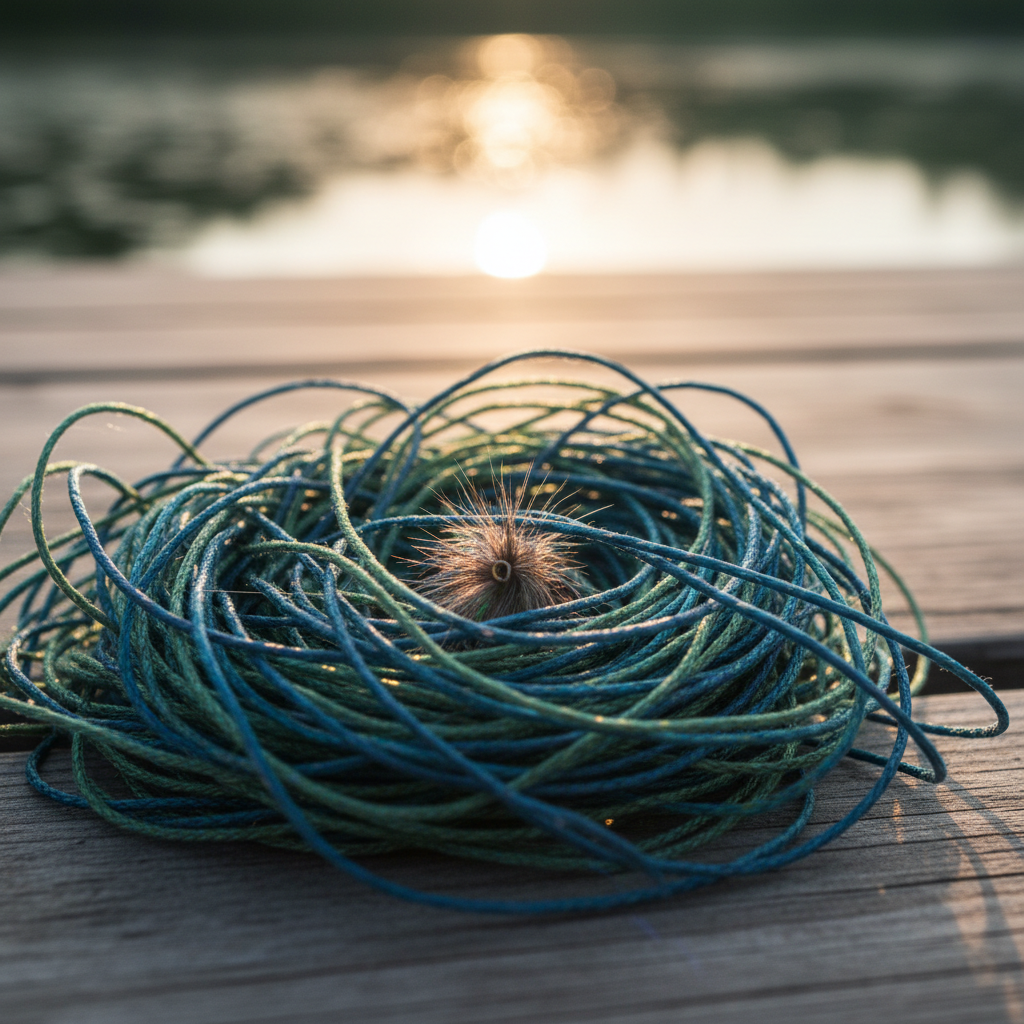
* The Bird’s Nest (or Backlash): This dreaded tangle of line occurs when the spool spins faster than the line is being drawn out during a cast, resulting in a snarled mess that can take hours to untangle. This is especially common with baitcasting reels. The solution? Practice proper spool tension adjustment, use your thumb to control the spool speed, and gradually increase your casting power.
* The “Underwater Explosion”: This occurs when the fly or lure hits the water with excessive force, creating a loud splash that scares away nearby fish. This is often caused by using too much power in the cast or by failing to slow down the rod tip at the end of the cast. The solution? Focus on a smooth, controlled casting motion, and practice “feathering” the line with your fingers to soften the impact.
* The Short Cast: This happens when the cast falls short of the intended target. This can be caused by a variety of factors, including insufficient power, improper rod loading, or wind resistance. The solution? Experiment with different casting techniques, adjust your power based on the distance required, and consider using a heavier line or lure in windy conditions.
* The Tail Wind Disaster: A tail wind can cause the line to collapse on itself, resulting in a tangled mess or a cast that veers off course. The solution? Adjust your casting angle to compensate for the wind, use a more aerodynamic lure or fly, and consider shortening your cast.
The Art of the Hookset: Timing is Everything
Hooking a fish is more than just yanking on the rod. It requires precise timing and a good understanding of fish behavior. Common hookset errors include:
* The Premature Hookset: This occurs when you try to set the hook too early, before the fish has fully taken the bait. This often results in pulling the bait away from the fish before it has a chance to get a good hold. The solution? Wait until you feel a solid tug on the line before setting the hook.
* The Weak Hookset: This occurs when you don’t use enough force to drive the hook home. This can result in the fish spitting out the hook before you have a chance to reel it in. The solution? Use a firm, deliberate hookset, and ensure that your hook is sharp.
* The Lazy Hookset: This occurs when you react too slowly to the bite, giving the fish time to reject the bait. The solution? Be attentive and ready to react quickly when you detect a bite.
Tackle Troubles: Gear-Related Gaffes
Using the wrong gear or failing to properly maintain your tackle can also lead to mistakes. Common tackle-related errors include:
* Using the Wrong Line: Using a line that is too heavy or too light for the species you’re targeting can significantly reduce your chances of success. The solution? Research the appropriate line weight for the fish you’re targeting and the type of fishing you’re doing.
* Dull Hooks: Dull hooks are less likely to penetrate the fish’s mouth, resulting in missed hooksets. The solution? Regularly sharpen your hooks or replace them with new ones.
* Improper Knot Tying: A poorly tied knot can break under pressure, resulting in the loss of your lure or, even worse, the fish. The solution? Learn and practice reliable knot-tying techniques.
* Ignoring Drag Settings: Improper drag settings can lead to broken lines or lost fish. The solution? Adjust your drag settings according to the size of the fish you’re targeting and the strength of your line.
Embrace the Learning Curve: The Path to Improvement
Now that we’ve identified some of the common mistakes that beginners make, let’s discuss how to overcome them and accelerate your learning curve. The key is to adopt a proactive and analytical approach to fishing.
Observation is Key: Become a Student of the Water
One of the most valuable skills an angler can develop is the ability to observe their surroundings. Pay attention to the water conditions, the weather, and the behavior of the fish. Are there insects hatching? Are the fish actively feeding on the surface? Are there any obvious signs of predator activity? The more you observe, the better you’ll be able to adapt your tactics and increase your chances of success. Consider keeping a fishing journal to document your observations and track your progress. Note the date, time, location, weather conditions, water conditions, and the techniques you used. Over time, this journal will become a valuable resource for identifying patterns and improving your fishing skills.
Experimentation and Adaptation: Don’t Be Afraid to Try New Things
Fishing is not a one-size-fits-all activity. What works in one situation may not work in another. Don’t be afraid to experiment with different techniques, lures, and flies. Try fishing at different times of day, in different locations, and with different presentations. The more you experiment, the more you’ll learn about what works and what doesn’t. And don’t be afraid to adapt your tactics based on the conditions. If the fish aren’t biting on the surface, try fishing deeper. If they’re not responding to a fast retrieve, try a slower retrieve. The key is to be flexible and adaptable.
Think of each fishing trip as a scientific experiment. Form a hypothesis, test it, and analyze the results. For example, you might hypothesize that the fish are feeding on a particular type of insect. To test this hypothesis, you could try using a fly that imitates that insect. If the fish start biting, your hypothesis is likely correct. If they don’t, you can try a different fly or a different technique.
Seek Guidance and Mentorship: Learn from the Experts
One of the best ways to accelerate your learning curve is to seek guidance from experienced anglers. Join a local fishing club, attend workshops, or hire a fishing guide. These resources can provide you with valuable insights and tips that can help you avoid common mistakes and improve your fishing skills. Don’t be afraid to ask questions, even if they seem basic. Most anglers are happy to share their knowledge and experience with newcomers.
Consider finding a mentor who can provide you with personalized guidance and support. A mentor can help you identify your strengths and weaknesses, develop a personalized fishing plan, and provide you with encouragement and feedback along the way. Look for someone who is patient, knowledgeable, and passionate about fishing.
Beyond Technique: Cultivating the Right Mindset
While mastering the technical aspects of fishing is important, it’s equally important to cultivate the right mindset. A positive and resilient attitude can make all the difference between a frustrating day on the water and a rewarding experience.
Patience is a Virtue: Embrace the Slow Pace
Fishing requires patience. There will be days when the fish just aren’t biting, no matter what you do. Don’t get discouraged. Instead, embrace the slow pace and enjoy the process of being outdoors. Use the time to relax, observe your surroundings, and practice your casting. Remember, fishing is about more than just catching fish. It’s about connecting with nature, challenging yourself, and enjoying the company of friends and family.
Resilience in the Face of Adversity: Turning Setbacks into Opportunities
Every angler experiences setbacks. You’ll lose fish, break lines, and get skunked on occasion. Don’t let these setbacks discourage you. Instead, view them as learning opportunities. Analyze what went wrong and identify ways to improve your technique. Remember, even the most experienced anglers make mistakes. The key is to learn from those mistakes and keep moving forward.
Respect for the Environment: Becoming a Steward of the Water
As anglers, we have a responsibility to protect the environment. Practice catch and release whenever possible, dispose of your trash properly, and avoid disturbing wildlife. By being responsible stewards of the water, we can ensure that future generations will have the opportunity to enjoy the sport of fishing.
Consider participating in conservation efforts, such as stream cleanups or habitat restoration projects. Educate yourself about the local ecosystem and the threats it faces. Support organizations that are working to protect our waterways. By taking these steps, you can make a positive impact on the environment and contribute to the long-term health of our fisheries.

The Enduring Allure of Fishing: A Journey of Discovery
Fishing is more than just a hobby; it’s a journey of discovery. It’s a journey of self-discovery, as you learn about your own strengths and weaknesses. It’s a journey of environmental discovery, as you learn about the natural world and the delicate balance of ecosystems. And it’s a journey of personal growth, as you develop patience, resilience, and a deep appreciation for the beauty of nature. So, embrace the learning curve, learn from your mistakes, and enjoy the ride. The fish doesn’t make mistakes; you do, but it’s through those “mistakes” that you’ll ultimately become a better angler and a more well-rounded human being.