The Unseen Dance Between Angler and Line: Mastering Fine Adjustments
Sport fishing, at its heart, is a conversation. Not a literal one, of course, but a delicate exchange of information and intention between the angler and the aquatic world. That conversation unfolds through the fishing rod, the line, and the lure or bait. But more profoundly, it hinges on the subtle adjustments we make – the almost imperceptible shifts in pressure, speed, and angle that transform a clumsy tug-of-war into an elegant dance. These fine adjustments, often overlooked in the pursuit of powerful casts and flashy gear, are the key to preventing critical break-offs and unlocking the true potential of our fishing experience.
Have you ever felt that sickening snap of a line parting under pressure? The momentary disbelief followed by the sinking realization that a prized fish, perhaps a personal best, has just vanished into the depths? We’ve all been there. Sometimes, it’s simply bad luck – a frayed line, a faulty knot, or a hidden obstruction in the water. But more often than not, a break-off is the result of a missed opportunity for fine adjustment, a failure to respond with sufficient sensitivity to the unfolding drama beneath the surface.
Decoding the Language of the Line
The fishing line is more than just a tether; it’s a conduit, a sensory extension of our own nervous system. It transmits vibrations, tugs, and subtle shifts in weight that can reveal a wealth of information about what’s happening underwater. Learning to “read” the line is the first step toward mastering the art of fine adjustment. Are you paying close attention to the subtle signals it’s sending?
For example, a sharp, erratic tap might indicate a tentative strike from a smaller fish, while a slow, steady pull could signal a larger fish testing the bait or lure. A sudden slack in the line might mean the fish has turned and is swimming towards you, requiring an immediate take-up of the slack to maintain contact. Each of these signals demands a different response, a specific adjustment in technique that can either secure the hookset or prevent a disastrous break-off.
Consider the scenario of fishing in heavy cover, such as lily pads or submerged vegetation. The line might constantly be rubbing against these obstacles, creating a series of vibrations that can mask the more subtle signals of a fish. In this case, you need to develop a heightened sense of touch, filtering out the extraneous noise and focusing on the distinct feeling of a strike. This requires a conscious effort to relax your grip on the rod, allowing your fingers to become more sensitive to the nuances of the line.
Or imagine fishing in strong currents. The pressure of the water against the line can make it difficult to detect subtle strikes. In this situation, you might need to use a heavier weight to maintain contact with the bottom, or switch to a braided line with minimal stretch to improve sensitivity. The key is to constantly adapt your technique to the specific conditions, making fine adjustments that enhance your ability to perceive what’s happening beneath the surface.
The Dance of Drag: Managing Pressure with Finesse
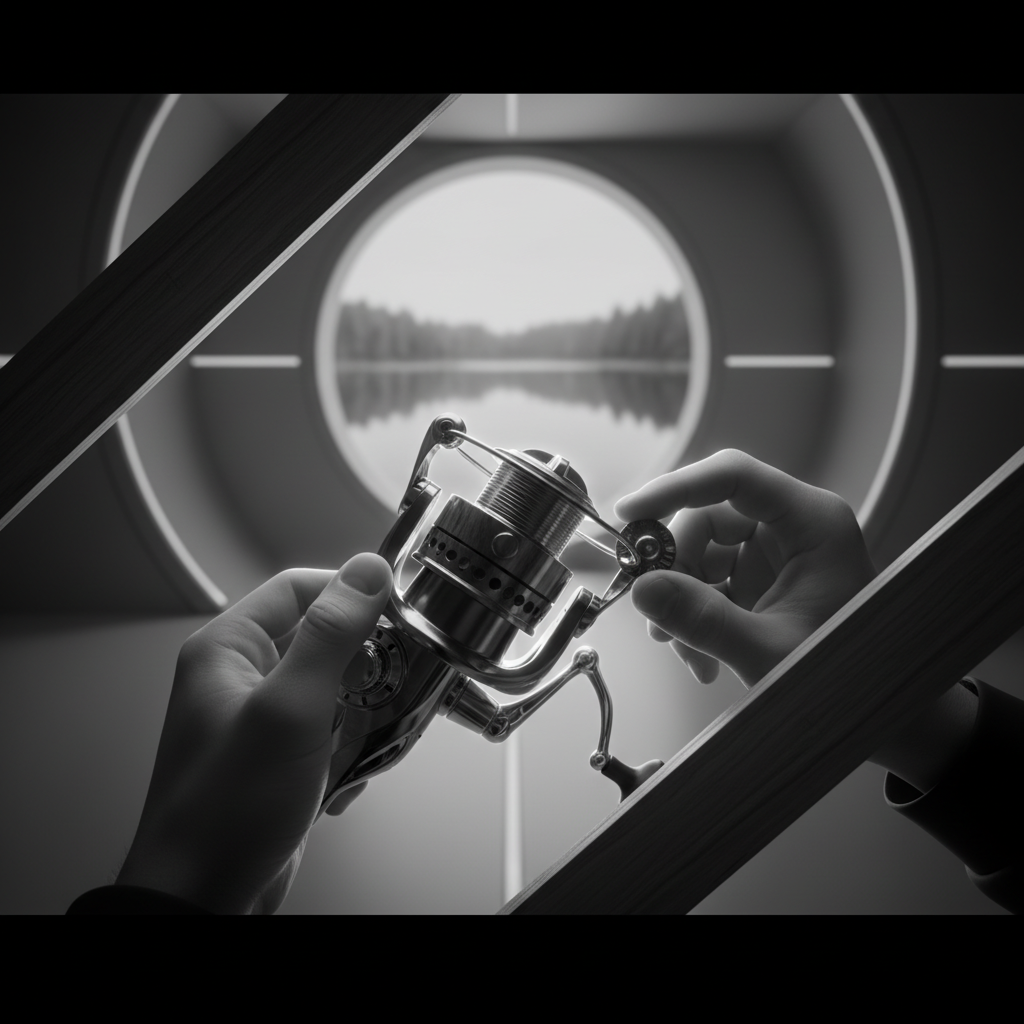
The drag setting on your reel is arguably the most crucial tool for preventing break-offs, especially when fighting larger fish. It’s the mechanism that allows the line to spool out under pressure, preventing it from exceeding its breaking strength. However, simply setting the drag to a pre-determined value is not enough. The real art lies in knowing how to adjust the drag during the fight, responding to the fish’s movements and the changing conditions.
Think of the drag as a shock absorber. It needs to be firm enough to allow you to maintain control of the fish, but not so tight that it causes the line to snap under sudden stress. A good starting point is to set the drag to about one-third of the line’s breaking strength. You can test this by pulling the line directly from the spool with a hand scale or by feeling the pressure with your hand. The line should spool out smoothly without excessive force.
But the initial setting is just a starting point. As the fight progresses, you may need to make adjustments to the drag to accommodate the fish’s behavior. If the fish is making a long, powerful run, you might need to loosen the drag slightly to prevent the line from breaking. Conversely, if the fish is close to cover and you need to prevent it from reaching safety, you might need to tighten the drag to exert more control. This is where experience and intuition come into play. You need to be able to anticipate the fish’s movements and react accordingly, making fine adjustments to the drag that keep the line within its safe operating range.
Consider the case of fishing for a large saltwater fish like a tuna or a marlin. These fish are capable of incredible bursts of speed and power, and they can easily strip hundreds of yards of line from your reel in a matter of seconds. In this scenario, you need to be extremely vigilant about monitoring the drag and making constant adjustments to keep the line from breaking. You might even need to use your thumb to apply additional pressure to the spool during particularly intense runs.
Or imagine fighting a smaller fish in a river with strong currents. The current can add significant pressure to the line, making it feel like the fish is much larger than it actually is. In this case, you might need to loosen the drag to compensate for the added pressure, preventing the line from breaking unnecessarily.
Rod Angle and Line Management: The Geometry of the Fight
The angle of your fishing rod plays a crucial role in distributing the pressure on the line and maximizing your leverage during the fight. A high rod angle, with the rod tip pointing towards the sky, can help to absorb shocks and prevent the line from breaking, especially when the fish is making sudden runs or headshakes. However, a high rod angle can also reduce your leverage and make it more difficult to control the fish.
A low rod angle, with the rod tip closer to the water, provides more leverage and allows you to exert more pressure on the fish. This can be particularly useful when you need to turn the fish away from cover or prevent it from reaching a specific location. However, a low rod angle also increases the risk of the line rubbing against rocks or other obstacles, which can weaken it and lead to a break-off.
The ideal rod angle is constantly changing throughout the fight, depending on the fish’s behavior and the surrounding environment. You need to be able to adjust the rod angle fluidly and instinctively, finding the optimal balance between shock absorption, leverage, and line protection.
Line management is another critical aspect of preventing break-offs. Keeping the line tight and free from slack is essential for maintaining contact with the fish and reacting quickly to its movements. Slack line can also increase the risk of the line becoming entangled in underwater obstacles or wrapping around the rod tip, which can lead to a break-off.
To maintain proper line management, you need to constantly reel in any slack line and keep the line taut between the rod tip and the fish. You can also use your free hand to guide the line onto the reel spool, ensuring that it is evenly distributed and prevents tangles. Pay attention to the wind and current, which can create slack in the line, and adjust your position accordingly.
Knot Know-How: The Foundation of Strength
Even the most expensive line and the most finely tuned drag system are useless if your knots aren’t up to the task. A weak knot is the Achilles’ heel of any fishing setup, and it’s often the culprit behind frustrating break-offs. Learning to tie strong, reliable knots is an essential skill for any angler who wants to avoid losing fish.
There are dozens of different fishing knots, each with its own strengths and weaknesses. Some knots are better suited for tying lines to hooks or swivels, while others are designed for joining two lines together. The best knot for a particular application depends on the type of line you’re using, the size of the hook or swivel, and the fishing conditions.
It’s crucial to learn a few basic knots well and practice tying them until you can do it flawlessly, even in challenging conditions. Some popular and reliable knots include the Improved Clinch Knot, the Palomar Knot, the Uni Knot, and the Blood Knot. Experiment with different knots and test their strength until you find the ones that work best for you.
Beyond simply knowing how to tie a knot, it’s equally important to understand the factors that can weaken a knot. Over-tightening a knot can damage the line fibers, reducing its breaking strength. Similarly, using a dry knot can create friction that weakens the line. Always lubricate the knot with saliva or water before tightening it, and avoid over-tightening it.
Regularly inspect your knots for signs of wear or damage. If you notice any fraying, abrasion, or slippage, retie the knot immediately. It’s also a good idea to retie your knots after landing a large fish, as the stress of the fight can weaken them.

The Equipment Equation: Matching Gear to the Task
Using the right equipment is another crucial factor in preventing break-offs. The line, rod, and reel should all be properly matched to the size and type of fish you’re targeting, as well as the fishing conditions. Using a line that is too light for the fish can lead to frequent break-offs, while using a line that is too heavy can reduce your sensitivity and make it more difficult to detect strikes.
Similarly, the rod should have the appropriate action and power for the fishing situation. A rod with a light action is more sensitive and allows you to detect subtle strikes, but it may not have enough power to handle larger fish. A rod with a heavy action has more power, but it may be less sensitive.
The reel should have a smooth drag system that allows you to apply consistent pressure to the fish without causing the line to break. The reel should also have enough line capacity to handle the size of the fish you’re targeting.
Beyond the basic equipment, there are other accessories that can help to prevent break-offs. Line conditioners can help to reduce friction and increase the line’s breaking strength. Shock leaders can be used to absorb shocks and protect the main line from abrasion. Swivels can help to prevent line twist, which can weaken the line and lead to break-offs.
For example, if you’re fishing for bass in heavy cover, you might want to use a braided line with a fluorocarbon leader. The braided line provides the strength needed to pull the fish out of the cover, while the fluorocarbon leader provides abrasion resistance and reduces visibility to the fish.
Or if you’re fishing for trout in a clear stream, you might want to use a light monofilament line with a long, flexible rod. The light line provides sensitivity and allows you to make delicate presentations, while the flexible rod helps to protect the line from breaking when the fish makes sudden runs.
Sharpening the Senses: Intuition and Anticipation
Ultimately, preventing critical break-offs is not just about mastering techniques and using the right equipment; it’s about developing a heightened sense of awareness and intuition. It’s about learning to anticipate the fish’s movements and react accordingly, making fine adjustments that keep the line within its safe operating range.
This requires a combination of experience, observation, and a willingness to learn from your mistakes. The more time you spend on the water, the better you’ll become at reading the line, feeling the fish, and anticipating its next move. Pay attention to the subtle cues that the fish is giving you, such as the direction of its run, the speed of its movements, and the vibrations in the line.
Don’t be afraid to experiment with different techniques and approaches. Try different drag settings, rod angles, and line management strategies until you find what works best for you in different situations. And most importantly, learn from your mistakes. Analyze each break-off to determine the cause and identify areas where you can improve your technique.
For instance, after losing a fish, take a moment to examine the broken line. Is it frayed or abraded? This might indicate that the line was rubbing against a rock or other obstruction. Was the knot poorly tied? This might indicate that you need to practice your knot-tying technique. Was the line simply too light for the fish? This might indicate that you need to upgrade to a heavier line.
By constantly learning and refining your skills, you can develop a sixth sense for preventing break-offs. You’ll be able to anticipate the fish’s movements before they happen, make subtle adjustments that keep the line from breaking, and ultimately land more fish.
Beyond the Break-Off: The Ethical Angler’s Perspective
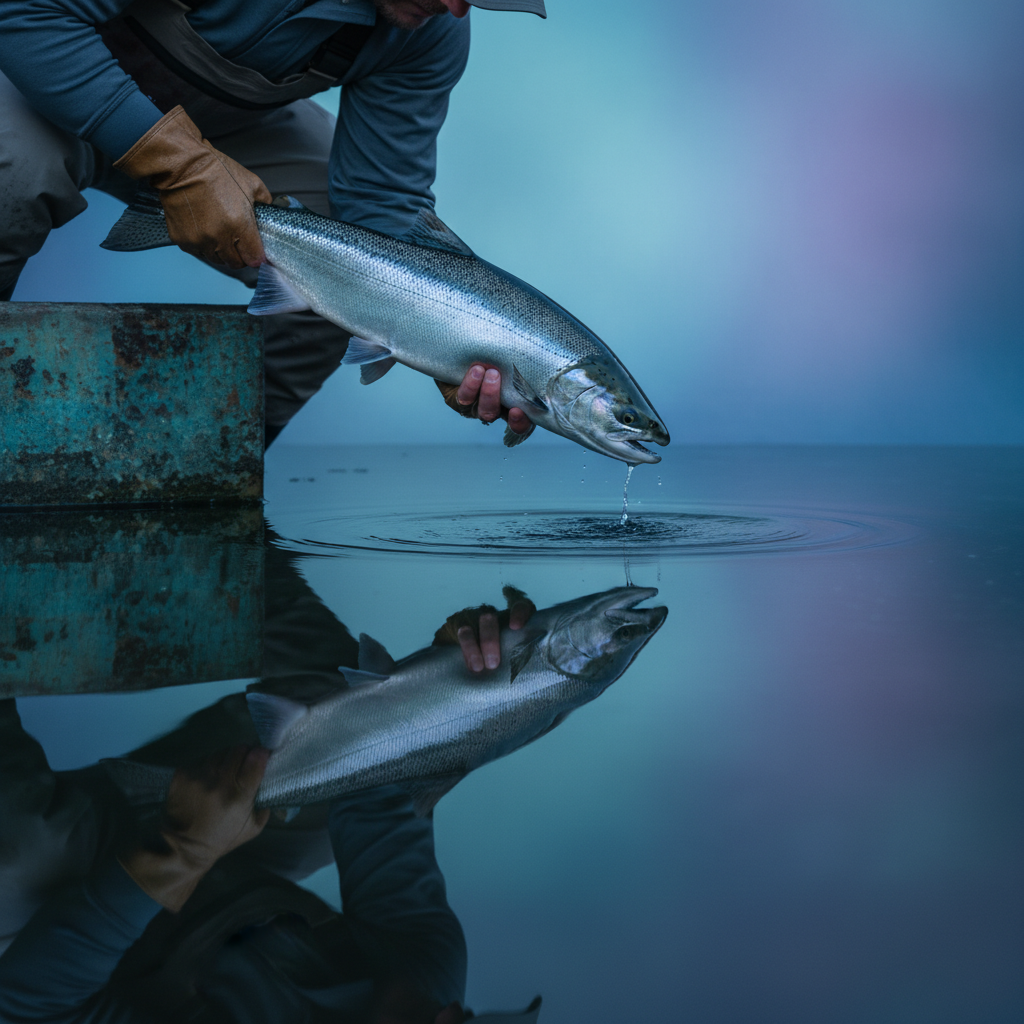
While preventing break-offs is undoubtedly important for the sake of landing more fish, it’s also a matter of ethical responsibility. A broken line leaves a fish with a hook in its mouth, potentially causing injury or even death. By minimizing break-offs, we can reduce the impact of our sport on the aquatic environment and ensure the long-term sustainability of fish populations.
This means not only taking steps to prevent break-offs during the fight, but also taking responsibility for any tackle that is lost in the water. If you break off a fish with a lure or bait attached, make an effort to retrieve the line and lure if possible. Discarding broken line and unwanted tackle responsibly is also crucial to prevent entanglement and other hazards for wildlife.
Consider the impact on the fish. A fish left with a hook lodged in its mouth can experience significant pain and discomfort. The hook can also interfere with its ability to feed and swim, potentially leading to starvation or increased vulnerability to predators. By minimizing break-offs and retrieving lost tackle, we can reduce the suffering of fish and promote their well-being.
Furthermore, lost tackle can also pose a threat to other wildlife, such as birds, turtles, and marine mammals. These animals can become entangled in discarded line or ingest hooks and lures, leading to injury or death. By being responsible anglers, we can protect these animals and preserve the health of the aquatic ecosystem.
Therefore, strive to be a conscientious angler, prioritizing the well-being of the fish and the health of the environment. By mastering the art of fine adjustment, you not only increase your chances of landing that trophy fish, but you also contribute to a more sustainable and ethical fishing experience.
In conclusion, the fine adjustment that prevents critical break-offs is a multifaceted skill, a confluence of technique, equipment, and awareness. It’s about understanding the language of the line, mastering the dance of drag, and cultivating a deep respect for the delicate balance between angler and aquatic world. It’s a journey of continuous learning and refinement, one that ultimately leads to a more rewarding and responsible fishing experience. So, the next time you’re on the water, remember to slow down, pay attention, and embrace the art of fine adjustment. The rewards, both in terms of landed fish and ethical angling, will be well worth the effort. The subtle shifts, the almost imperceptible changes, they are the key to unlocking the true potential of your angling prowess, ensuring a connection that lasts beyond the fight, a connection built on respect, skill, and a deep understanding of the underwater world.