The Subtle Art of Mastery in Angling
Fishing, at its core, seems simple enough: cast a line, wait, and reel in your prize. But beneath this veneer of simplicity lies a world of nuance, a realm where the slightest adjustments can mean the difference between a barren day and a legendary catch. What truly separates a good angler from a master isn’t just luck or even experience in the most general sense; it’s a commitment to the detail, a relentless pursuit of the small, often overlooked aspects of the sport that collectively elevate skill to an art form. It’s about understanding that fishing is not just a hobby, but a continuous learning process, a dialogue with nature itself.
Beyond the Basics: A Deep Dive into Detail
Most anglers understand the basics: choosing the right rod and reel, selecting an appropriate lure or bait, and knowing a few fundamental casting techniques. But the master angler delves deeper. They obsess over line diameter and its impact on casting distance and lure presentation. They scrutinize the action of their rod, understanding how it translates subtle vibrations from the water into information about the fish’s behavior. They meticulously maintain their equipment, knowing that a frayed line or a rusty hook can cost them a trophy. Are you simply going through the motions, or are you truly paying attention to every aspect of your gear and its performance?
For example, consider the simple act of spooling line onto a reel. A good angler might just fill the spool and call it a day. A master angler, however, understands the importance of line twist, backlashes, and the overall smoothness of the spool. They’ll use a line winder to ensure even distribution, paying careful attention to tension to prevent digging and improve casting distance. They’ll also choose the correct type of knot to connect the line to the spool, ensuring maximum strength and minimal slippage. This seemingly minor detail can have a significant impact on the fishing experience, preventing frustrating tangles and maximizing the angler’s ability to feel subtle strikes.
Decoding the Aquatic Environment
Understanding the aquatic environment is crucial. A good angler knows that fish are often found near structure, but a master angler understands why. They know that structure provides cover from predators, ambush points for feeding, and areas of temperature refuge. They can read the water, identifying subtle currents, changes in depth, and variations in bottom composition. They consider factors like water clarity, temperature, and oxygen levels, and how these factors influence fish behavior.
Consider a scenario where you’re fishing a lake with a submerged weed bed. A good angler might cast randomly around the edges of the weed bed, hoping to entice a fish. A master angler, however, would analyze the weed bed more closely. They’d look for areas where the weeds are thicker or thinner, where there are openings or pockets, and where the weed bed intersects with other types of structure, such as a drop-off or a submerged log. They’d also consider the time of day and the angle of the sun, understanding that fish are likely to seek shade and ambush points in certain areas. By carefully analyzing the weed bed and tailoring their presentation accordingly, the master angler significantly increases their chances of success.
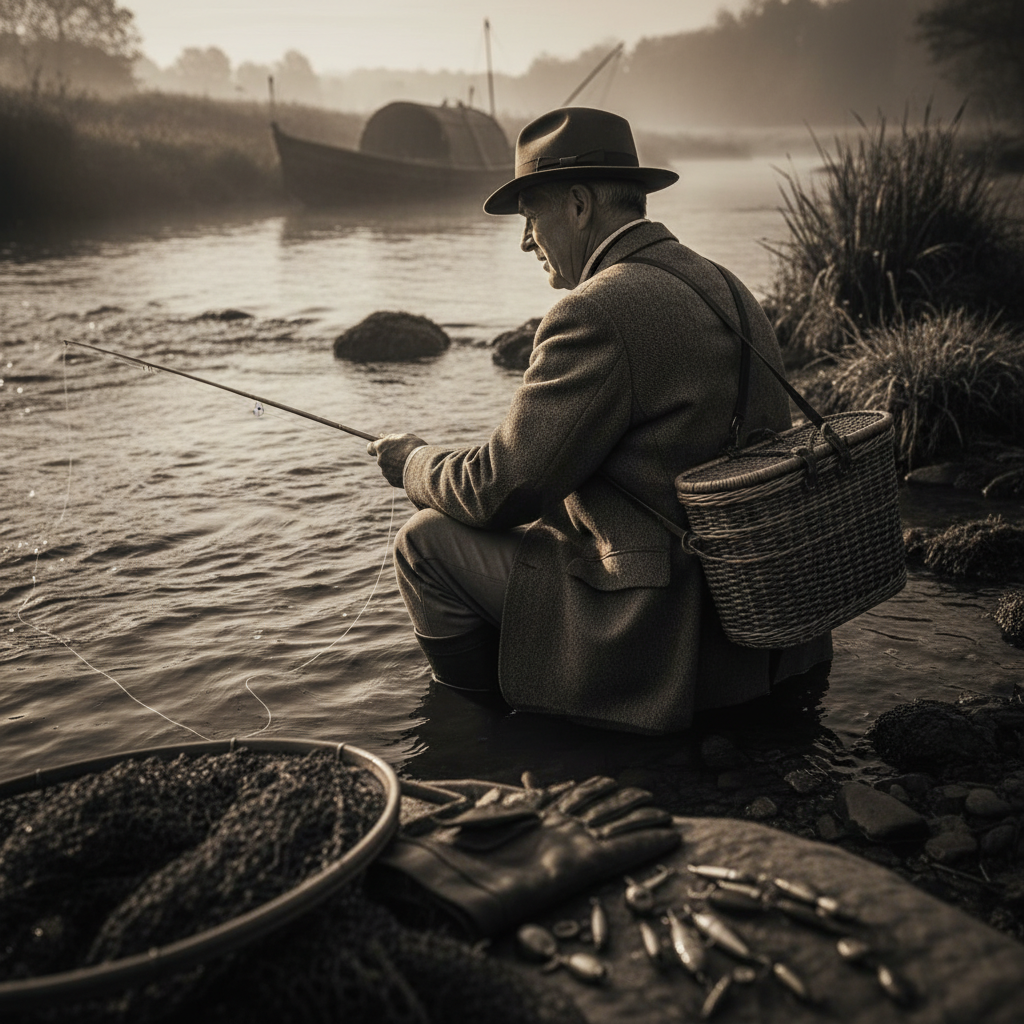
The Art of Presentation: More Than Just Casting
Presentation is everything. You can have the best gear and the most comprehensive knowledge of fish behavior, but if you can’t present your lure or bait in a way that entices a fish to strike, you’re going to struggle. A good angler knows how to cast and retrieve, but a master angler understands the nuances of lure action, retrieve speed, and depth control.
Take, for instance, the use of a crankbait. A good angler might simply cast out a crankbait and reel it back in. A master angler, however, would consider the type of crankbait, the depth of the water, and the speed of the retrieve. They’d experiment with different retrieve techniques, such as stop-and-go retrieves, twitching retrieves, and burning retrieves, to see what triggers the fish to strike. They’d also pay attention to the sound and vibration of the crankbait, understanding that different crankbaits produce different sounds and vibrations, which can be more or less effective depending on the conditions. They would even consider the color of the crankbait, matching it to the water clarity and the type of forage that the fish are feeding on. This meticulous attention to detail in presentation is what separates the successful angler from the one who merely gets lucky.
Consider also the art of fly fishing. While casting is certainly important, presentation goes far beyond simply getting the fly onto the water. A master fly angler understands the importance of drag-free drifts, matching the hatch, and presenting the fly in a natural and believable way. They’ll consider the angle of the sun, the speed of the current, and the behavior of the insects that the fish are feeding on. They’ll also pay attention to the subtle movements of their fly line, using mends and other techniques to control the drift of the fly and prevent drag. The more realistic the presentation, the greater the chance of fooling a wary trout.
Mastering the Mental Game
Fishing is as much a mental game as it is a physical one. Patience, perseverance, and a positive attitude are essential for success. A good angler might get discouraged after a few hours without a bite, but a master angler understands that fishing is often a process of trial and error. They remain patient, persistent, and adaptable, constantly learning from their mistakes and adjusting their approach as needed.
The ability to analyze and adapt is key. When the fish aren’t biting, a good angler might simply give up or try the same thing over and over again. A master angler, however, would systematically analyze the situation. They’d consider the factors that might be affecting the fish’s behavior, such as the weather, the water conditions, and the time of day. They’d then experiment with different lures, baits, and techniques, carefully observing the results and adjusting their approach accordingly. They wouldn’t be afraid to try something completely different, even if it seems unconventional or risky. This willingness to experiment and adapt is what allows the master angler to consistently catch fish, even when conditions are tough.
Consider also the importance of maintaining focus. Fishing can be a relaxing and enjoyable activity, but it also requires a high degree of concentration. A good angler might let their mind wander or get distracted by other things, but a master angler remains fully present and engaged in the moment. They’re constantly observing the water, feeling for subtle strikes, and anticipating the next move. They’re also aware of their surroundings, paying attention to the wind, the waves, and the other anglers on the water. This heightened level of awareness allows them to react quickly and effectively to changing conditions, maximizing their chances of success.
The Importance of Record Keeping and Analysis
One of the most overlooked details that separates a good angler from a master is the habit of meticulous record-keeping. A good angler might remember a particularly successful trip or a specific lure that worked well, but a master angler keeps detailed records of every trip, including the date, time, location, weather conditions, water conditions, lures or baits used, and the number and size of fish caught.
This data can be invaluable for identifying patterns and trends that can help the angler improve their fishing skills. For example, by analyzing their records, they might discover that they consistently catch more fish on cloudy days, or that a certain lure color is particularly effective in murky water. They can also use their records to track the effectiveness of different techniques, and to identify areas where they need to improve. Furthermore, they can refer back to their records in future years to see how conditions have changed and how fish behavior has adapted. This data-driven approach to fishing is a hallmark of the master angler.
Imagine an angler who consistently fishes the same lake. A good angler might rely on their memory of past trips to make decisions about where to fish and what lures to use. A master angler, however, would have a detailed log of every trip to that lake, including information on water temperature, depth, clarity, and the presence of aquatic vegetation. They would also have detailed records of the fish they caught, including their size, species, and the lures or baits that were used. By analyzing this data, they could identify the most productive areas of the lake, the best times to fish, and the most effective lures for different conditions. This level of detail would give them a significant advantage over other anglers.
Embracing Continuous Learning
Fishing is a constantly evolving sport. New techniques, new equipment, and new information about fish behavior are constantly emerging. A good angler might be content to stick with the same techniques and equipment that they’ve always used, but a master angler is constantly seeking to learn and improve. They read books and articles, watch videos, attend seminars, and talk to other anglers. They’re always looking for new ways to refine their skills and stay ahead of the curve. This commitment to continuous learning is what allows the master angler to adapt to changing conditions and maintain their edge.
Consider the impact of technology on fishing. In recent years, advancements in sonar, GPS, and other technologies have revolutionized the way anglers find and catch fish. A good angler might use these technologies to some extent, but a master angler would fully embrace them and learn how to use them to their full potential. They would understand how to interpret sonar readings to identify fish, structure, and bottom composition. They would use GPS to mark productive fishing spots and track their movements. They would also use online resources to research fishing reports, water conditions, and fish behavior patterns. By leveraging technology to their advantage, the master angler can significantly increase their chances of success.

Respect for the Resource
Finally, a detail that often goes unmentioned, but is crucial, is the respect that a master angler has for the environment and the fish they pursue. A good angler might be primarily focused on catching fish, but a master angler understands that fishing is a privilege, not a right. They practice catch-and-release whenever possible, handle fish with care, and follow all fishing regulations. They also take steps to minimize their impact on the environment, such as using biodegradable lures and cleaning up after themselves. This respect for the resource is not only ethically responsible, but it also ensures that future generations will be able to enjoy the sport of fishing.
Consider the impact of fishing on fish populations. Overfishing can deplete fish stocks and damage ecosystems. A good angler might not be aware of the potential consequences of their actions, but a master angler understands the importance of sustainable fishing practices. They follow catch-and-release guidelines to protect fish populations, and they support conservation efforts to preserve aquatic habitats. They also educate other anglers about the importance of responsible fishing practices. By acting as stewards of the resource, the master angler helps to ensure the long-term health of the environment and the sustainability of the sport of fishing.
The Unseen Advantage: Intuition and Feel
Beyond all the technical skills and knowledge, there lies an almost mystical element that defines the master angler: intuition. This isn’t some magical gift, but rather the culmination of years of experience, honed observation, and a deep connection with the water. It’s the ability to anticipate a fish’s movements, to “feel” a subtle strike before it’s even visible, and to make split-second decisions based on instinct rather than conscious thought.
This intuition is developed through countless hours spent on the water, paying attention to the smallest details and learning to recognize subtle patterns. It’s about understanding the rhythm of the environment, the ebb and flow of the tides, and the subtle changes in weather that can affect fish behavior. It’s also about developing a deep empathy for the fish themselves, understanding their needs, their fears, and their motivations. This intuitive understanding allows the master angler to anticipate the fish’s actions and react accordingly, giving them an edge that cannot be quantified or taught.

Furthermore, the master angler cultivates a heightened sense of “feel.” This isn’t just about feeling the tug of a fish on the line, but about feeling the vibrations of the lure as it moves through the water, feeling the texture of the bottom as it bumps along the rocks, and feeling the subtle changes in water pressure that indicate the presence of nearby fish. This heightened sense of feel allows the master angler to detect subtle strikes that would be missed by a less experienced angler, and to adjust their presentation accordingly. It’s a skill that is developed over time through careful attention and focused practice, and it’s one of the hallmarks of the truly exceptional angler.
In conclusion, becoming a master angler is not about mastering a single technique or possessing a vast amount of knowledge. It’s about a commitment to continuous learning, a relentless pursuit of detail, and a deep respect for the environment. It’s about understanding that fishing is not just a hobby, but a lifelong journey of discovery and refinement. It’s about embracing the challenge, celebrating the successes, and learning from the failures. And it’s about recognizing that the true reward of fishing is not just the fish you catch, but the connection you forge with nature and the satisfaction you gain from mastering a challenging skill. The detail, in the end, is not just about the fish, but about the angler they shape you into.