The Pressure Cooker of the Final Cast
We’ve all been there. Hours spent on the water, the sun relentlessly beating down, the wind a constant companion, and the fish… elusive. You’ve tried every lure in your tackle box, every technique you’ve learned, and still, nothing. Doubt starts to creep in, whispering insidious suggestions of failure. “Maybe they’re not biting today,” it says. “Maybe you should just pack it in.” But then, as the day begins to fade, as the light dips below the horizon, you get one last chance. One final cast. This is where the true test begins.
The final cast isn’t just about catching a fish. It’s about resilience, about refusing to surrender to the frustration and disappointment that inevitably come with fishing. It’s about focusing all your energy, all your skill, all your hope into a single, decisive moment. Think of it as the game-winning shot in basketball, the last-second field goal in football, the putt for birdie on the 18th hole. It’s everything you’ve worked for distilled into one make-or-break opportunity.
The Weight of Expectation
The pressure on that final cast is immense. It’s a culmination of the entire day’s effort, the anticipation built over hours, and the burning desire to not go home empty-handed. This pressure can manifest in different ways. Some anglers become tense and jerky, their movements losing the fluidity and grace that come with experience. Others become overly cautious, afraid to take risks and opting for safe, predictable casts that are unlikely to yield results.
Consider the story of old man Hemmings, a seasoned fisherman known for his uncanny ability to land trophy-sized bass. He’d spent an entire day on Lake Serenity, a notoriously fickle body of water. Every trick in his arsenal had failed him. As the sun began to set, casting long shadows across the lake, Hemmings prepared for his final cast. He took a deep breath, closed his eyes for a moment, and visualized the perfect presentation. He didn’t focus on the pressure, on the expectation of success. Instead, he focused on the process, on executing the cast with precision and control. And that, ultimately, was the key.
The Art of Focus
The ability to maintain focus under pressure is what separates the successful anglers from the rest. It’s about blocking out the distractions, quieting the inner critic, and concentrating solely on the task at hand. This requires mental discipline, a skill that can be honed through practice and mindfulness.
One technique many anglers use is visualization. Before making the cast, they imagine the lure landing in the perfect spot, the fish striking with aggression, and the smooth, controlled fight that follows. This mental rehearsal helps to build confidence and reduce anxiety. Another technique is to focus on the sensory experience of the cast. Feel the weight of the rod in your hand, the smoothness of the line as it peels off the reel, the sensation of the lure as it flies through the air. By immersing yourself in the present moment, you can effectively shut out the distractions and concentrate on executing the cast with precision.
Beyond the Catch: The Real Reward
While landing a fish on that final cast is undoubtedly a satisfying experience, the true reward lies in the process itself. It’s in the challenge of overcoming adversity, of maintaining focus under pressure, and of refusing to give up even when the odds seem stacked against you. These are valuable life lessons that extend far beyond the realm of fishing.
Fishing, at its core, is a metaphor for life. It teaches us about patience, perseverance, and the importance of adapting to changing conditions. It reminds us that success is not always guaranteed, but that the effort and dedication we put in are always worthwhile. And it shows us that even in the face of disappointment, there is always beauty and wonder to be found in the natural world.
The Importance of Observation
A crucial element often overlooked when discussing the “final cast” is the power of observation. After a long day of fishing without success, many anglers simply go through the motions, mechanically casting without truly analyzing their surroundings. However, the final hour of daylight can often reveal subtle clues that were missed earlier in the day.
For example, perhaps you notice a sudden increase in insect activity on the water’s surface, indicating a potential feeding frenzy. Or maybe you observe a subtle change in the wind direction, pushing baitfish towards a specific shoreline. These observations can provide valuable insights into where the fish might be holding and what they might be feeding on, allowing you to adjust your tactics and increase your chances of success with that final cast.
Consider the scenario of a fly fisherman targeting trout on a river. He’s spent the entire day casting various nymphs and streamers without a single strike. As the sun begins to set, he notices a hatch of caddisflies emerging from the water. Instead of sticking with his previous tactics, he quickly switches to a dry fly that imitates the emerging caddis and begins casting to rising trout. His keen observation and willingness to adapt his strategy ultimately lead to a successful final hour of fishing.

Embracing the Unknown
The beauty of fishing lies in its inherent unpredictability. No matter how much experience you have or how skilled you are, there will always be days when the fish simply refuse to cooperate. It’s tempting to become frustrated and blame external factors, such as the weather or the water conditions. However, the key to overcoming these challenges is to embrace the unknown and to view each fishing trip as an opportunity to learn and grow.
Instead of focusing solely on the outcome of catching a fish, try to appreciate the process itself. Enjoy the serenity of the natural surroundings, the challenge of mastering new techniques, and the camaraderie of fishing with friends. By shifting your perspective, you can find enjoyment and fulfillment in fishing, even when the fish aren’t biting.
Think about the vastness of the ocean or the complexity of a river system. There are countless variables that influence the behavior of fish, many of which are beyond our control. The wind, the tides, the water temperature, the available food sources – all of these factors play a role in determining whether or not the fish will be active and willing to strike. Accepting this inherent uncertainty is essential for maintaining a positive attitude and for approaching each fishing trip with an open mind.
The Psychology of Perseverance
The final cast is as much a mental game as it is a physical one. It requires a certain level of mental fortitude, a willingness to push through the fatigue and frustration and to maintain a positive attitude even when faced with adversity. This mental toughness is not something that you are born with; it is a skill that can be developed through practice and self-awareness.
One of the most effective techniques for building mental resilience is to focus on your past successes. Think back to times when you faced similar challenges and were able to overcome them. Remind yourself of the skills and strategies that you used to achieve those victories. By drawing on these positive experiences, you can boost your confidence and strengthen your resolve.
Another important aspect of perseverance is the ability to learn from your mistakes. Every fishing trip, even the ones where you don’t catch any fish, provides valuable opportunities for growth. Take the time to analyze your performance, identify areas where you can improve, and develop a plan for addressing those weaknesses. By viewing setbacks as learning opportunities, you can turn them into stepping stones towards future success.
The Role of Ritual
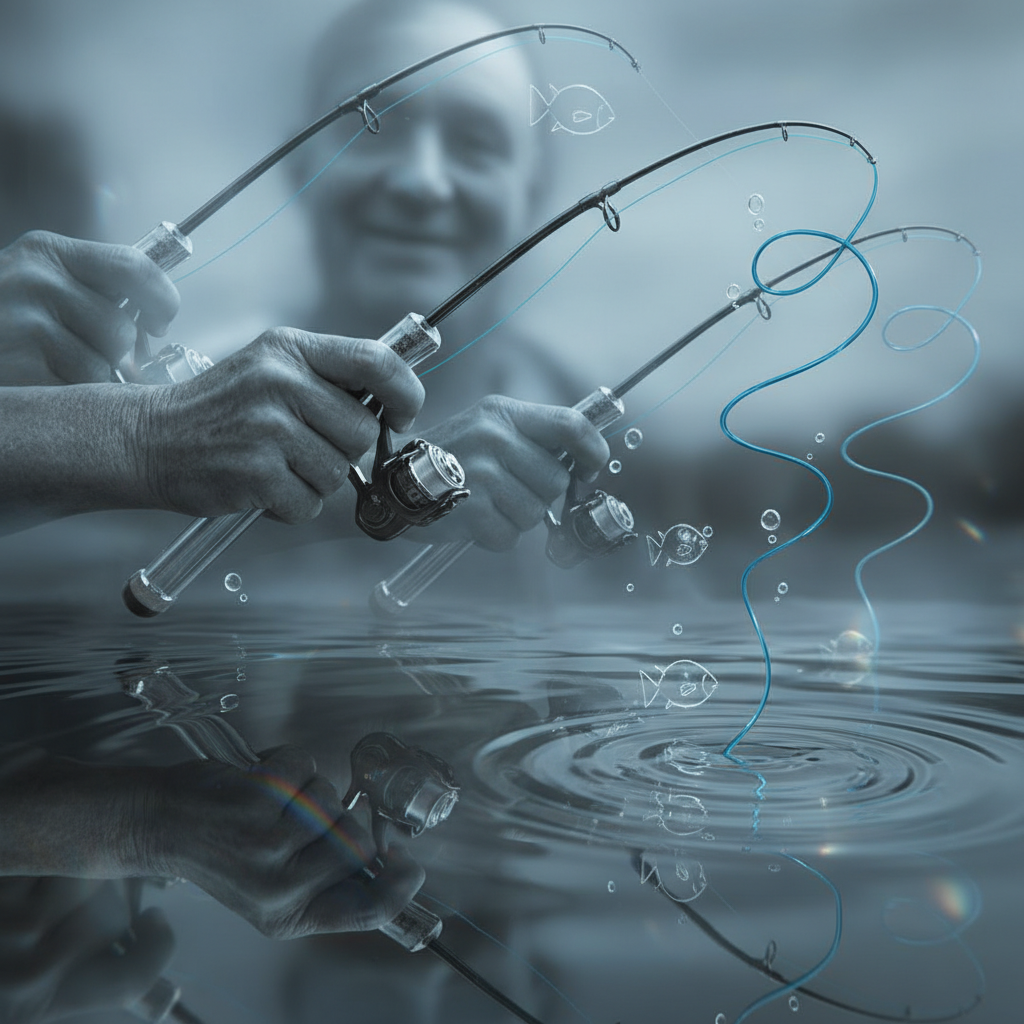
Many anglers develop specific rituals or routines that they perform before making a cast, especially the final cast. These rituals can range from simple actions, such as adjusting their hat or re-tying a knot, to more elaborate sequences involving specific prayers or affirmations. The purpose of these rituals is to create a sense of calm and focus, to quiet the mind, and to prepare the body for action.
While the specific rituals may vary from angler to angler, the underlying principle remains the same: to establish a sense of control and predictability in a situation that is inherently unpredictable. By performing a familiar routine, you can reduce anxiety, boost your confidence, and increase your chances of executing a successful cast.
Imagine a baseball player stepping up to the plate with the bases loaded and two outs in the bottom of the ninth inning. He might go through a series of familiar gestures, such as tapping his bat on the plate, adjusting his batting gloves, and taking a deep breath. These rituals help him to focus his attention, block out the distractions, and prepare himself for the pressure of the moment. Similarly, an angler performing a pre-cast ritual is essentially creating a mental and emotional space that allows him to perform at his best.
The Power of Belief
Ultimately, the success of the final cast often comes down to the power of belief. If you truly believe that you are capable of catching a fish, even after a long and frustrating day, you are far more likely to succeed. This belief is not simply wishful thinking; it is a deep-seated conviction that stems from your past experiences, your skills, and your unwavering commitment to the task at hand.
Belief can be a self-fulfilling prophecy. When you believe that you can achieve something, you are more likely to take the necessary actions to make it happen. You will be more persistent, more resourceful, and more willing to overcome obstacles. Conversely, if you doubt your abilities or succumb to negativity, you are more likely to give up and to accept failure.
Think about the story of Roger Bannister, the first person to break the four-minute mile. For years, it was widely believed that the human body was simply incapable of running a mile in under four minutes. But Bannister refused to accept this limitation. He trained relentlessly, both physically and mentally, and he developed an unwavering belief in his own ability to break the record. And on May 6, 1954, he achieved the impossible, shattering the four-minute barrier and inspiring countless others to push the limits of human performance.
Case Studies in Last-Minute Success
Let’s delve into some real-world examples of anglers who have turned seemingly hopeless situations into triumphant victories with their final cast, highlighting the key elements that contributed to their success.
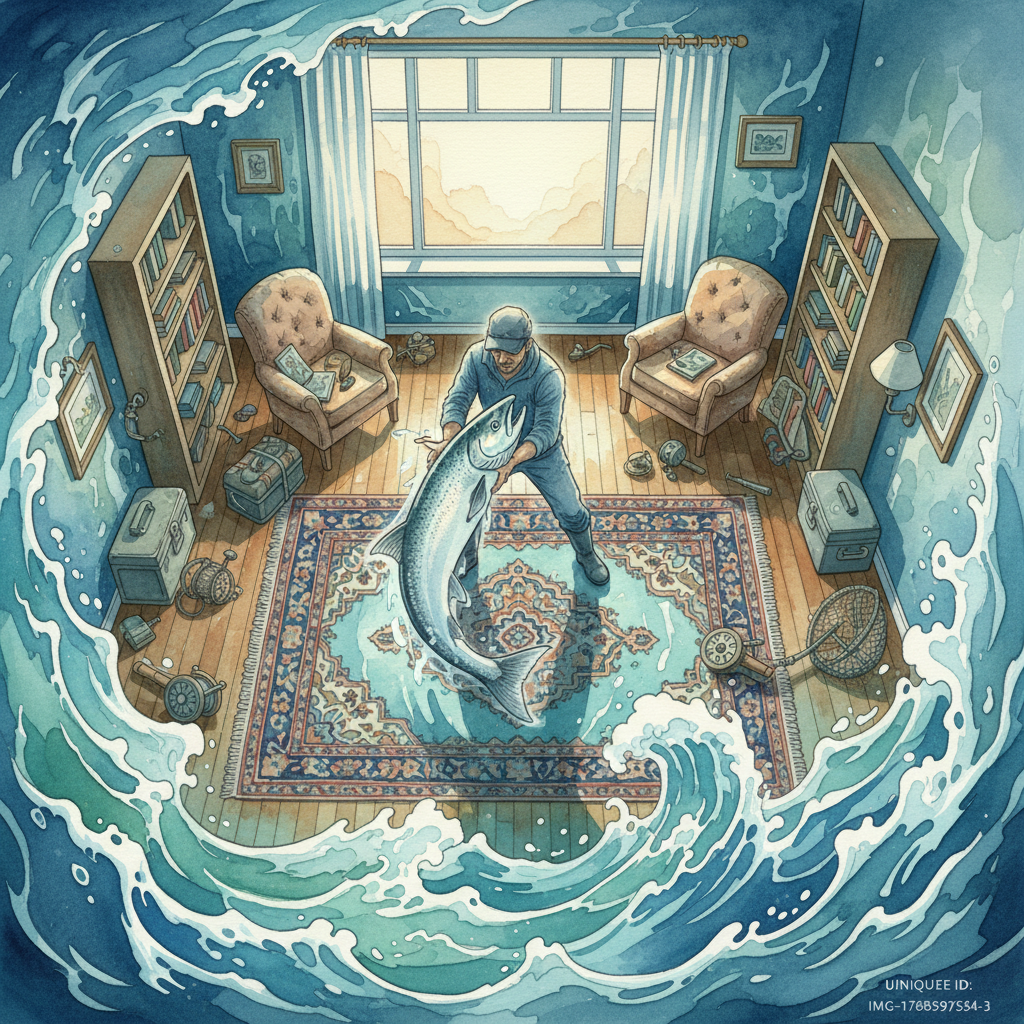
One compelling case involves a competitive bass fisherman named Sarah, participating in a high-stakes tournament on a vast, challenging reservoir. For two days, Sarah struggled to find a consistent pattern, catching only a few small fish. On the final day, with only minutes remaining before the weigh-in, Sarah found herself in a remote cove with no signs of fish activity. Desperate, she decided to try one last tactic: a long cast with a topwater lure near a submerged log. To her astonishment, a massive bass exploded on the lure, resulting in a heart-pounding battle that she ultimately won. That single fish propelled Sarah to victory, proving that even in the face of overwhelming odds, a well-executed final cast can change everything. Her success hinged on her willingness to adapt, her refusal to give up, and her unwavering belief in her ability to find a fish.
Another captivating example comes from the world of saltwater fly fishing. A seasoned angler named Mark was targeting tarpon in the Florida Keys. After hours of fruitless casting in the blistering sun, Mark was nearing the point of exhaustion. As the tide began to change, he noticed a subtle shift in the current and a flurry of activity near a mangrove shoreline. Sensing an opportunity, he made a precise cast with a streamer fly, and a magnificent tarpon engulfed the fly. After a grueling fight, Mark landed the fish, a moment he described as the culmination of years of dedication and perseverance. Mark’s success was a testament to his keen observation skills, his patience, and his ability to capitalize on a fleeting opportunity.
These examples illustrate that the final cast is not just about luck; it’s about a combination of skill, strategy, mental fortitude, and a willingness to embrace the unknown. It’s about learning from your mistakes, adapting to changing conditions, and never giving up on your dream of landing that trophy fish.
Turning Failure into Fuel
It’s important to acknowledge that not every final cast will result in success. In fact, more often than not, you will likely go home empty-handed. However, even in those moments of disappointment, there is an opportunity to learn and grow. The key is to avoid dwelling on the negative aspects of the experience and instead to focus on what you can take away from it.
One of the most valuable lessons that fishing can teach us is the importance of resilience. The ability to bounce back from setbacks, to learn from our mistakes, and to maintain a positive attitude in the face of adversity are essential skills for success in all areas of life. When you approach fishing with this mindset, even the unsuccessful trips can be rewarding.
Consider the example of a young angler who spends an entire summer trying to catch his first fish. He spends countless hours on the water, experimenting with different lures and techniques, but without success. Instead of becoming discouraged, he uses each failed attempt as an opportunity to learn. He asks experienced anglers for advice, he studies books and articles on fishing, and he carefully analyzes his own performance. By the end of the summer, he may not have caught a fish, but he has gained a wealth of knowledge and experience that will serve him well in the future. And when he finally does land that first fish, the feeling of accomplishment will be all the more satisfying.

The Lasting Legacy of the Final Cast
The final cast, therefore, transcends the simple act of angling. It becomes a symbol of our unwavering spirit, our ability to persevere in the face of adversity, and our deep connection to the natural world. It’s a reminder that even when everything seems lost, there’s always one more chance, one more opportunity to rewrite the ending. It’s a moment that encapsulates the essence of fishing: not just the pursuit of a catch, but the cultivation of character, the appreciation of nature, and the enduring pursuit of a challenge. The memory of that final cast, whether successful or not, will stay with you long after you’ve left the water, a testament to the power of perseverance and the enduring magic of fishing.