The Subtle Art of Bait Presentation: It’s All in the Detail
Fishing, at its core, is a conversation. Not with the fish, of course, but with the environment and, more importantly, with the fish’s instincts. We’re presenting an offering, a supposed meal, and hoping that the fish finds it appealing enough to take the bait. But what separates a casual cast from a strategic presentation that keeps a fish interested, holding onto the bait for those critical seconds necessary for a solid hookset? The answer lies not just in the type of bait, but in the often-overlooked details of its presentation. Are you merely impaling a worm, or are you crafting an irresistible temptation?
Think of it like this: you wouldn’t present a beautifully cooked steak on a dirty plate, would you? The same principle applies to fishing. The bait might be perfect, but the presentation can make or break the entire experience. It’s about understanding the fish’s perspective, their feeding habits, and the subtle cues that trigger their predatory instincts.
Beyond the Basics: Understanding Fish Behavior
Before we dive into the specifics of bait presentation, it’s crucial to understand the fish we’re trying to attract. Different species have different feeding habits, preferences, and levels of wariness. A bass, for example, is an ambush predator, often striking quickly and decisively. A trout, on the other hand, can be more cautious, carefully inspecting its prey before committing. Carp are notoriously picky, often testing the bait before fully taking it in. This understanding shapes how we present our bait.
Consider the clarity of the water. In murky water, scent becomes paramount. A bait that releases a strong, appealing scent trail will be more effective. In clear water, however, visual presentation takes precedence. The bait needs to look natural and enticing, free from any unnatural movements or unnatural appearances. Are you fishing in a heavily pressured area? The fish might be more accustomed to seeing artificial lures and baits, making them more cautious and selective. Understanding these nuances is the first step in mastering the art of bait presentation.
Beyond species-specific preferences, consider the time of year and the available food sources. During spawning season, fish might be more aggressive and less selective. When natural food sources are abundant, they might be more finicky, requiring a more refined presentation. Observing the environment, paying attention to the natural prey in the area, and adapting your bait presentation accordingly can significantly increase your chances of success.
The Little Things That Matter: Hook Selection and Rigging
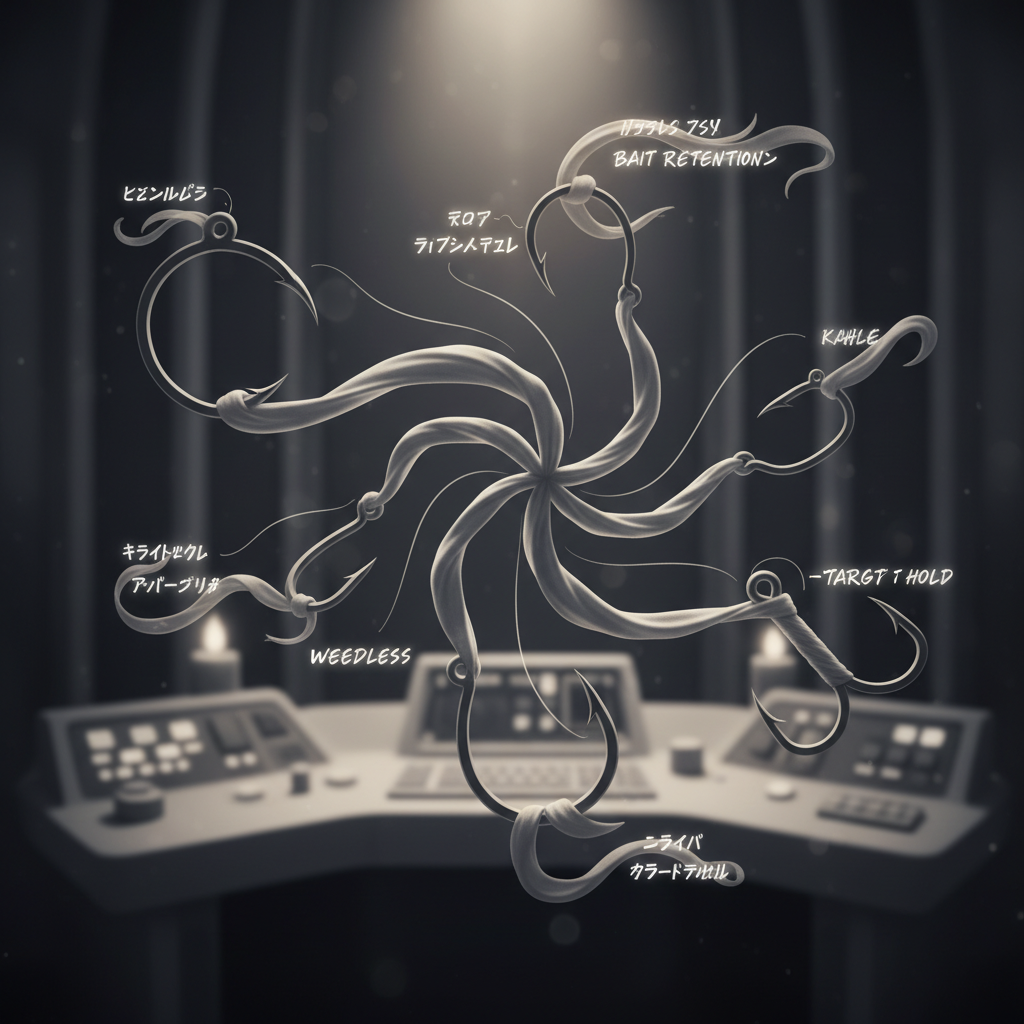
The hook is the crucial link between you and the fish. Choosing the right hook size, shape, and style is paramount to a successful hookset. A hook that is too large can spook the fish, while a hook that is too small might not provide a secure hold. The shape of the hook also plays a role. Circle hooks, for example, are designed to hook the fish in the corner of the mouth, making them ideal for catch-and-release fishing. Offset hooks can improve hook-up ratios with certain baits. Aberdeen hooks, known for their light wire, are great for live bait fishing, allowing the bait to move more naturally.
Rigging the bait correctly is equally important. A poorly rigged bait can look unnatural, deterring fish. With live bait, the goal is to present it in a way that allows it to move freely and naturally. Hooking a minnow through the lips, for example, allows it to swim and dart around, attracting attention. With worms, threading the hook through the body can provide a more secure hold and allow the worm to wriggle enticingly. The key is to experiment with different rigging techniques and find what works best for the specific bait and species you’re targeting. Consider using a snell knot for improved hookset power, or a Palomar knot for superior strength.
And don’t overlook the importance of hook sharpness. A dull hook will struggle to penetrate the fish’s mouth, resulting in missed opportunities. Regularly check your hooks for sharpness and sharpen them as needed. A small hook file or sharpening stone can be a valuable addition to your tackle box. Remember, a sharp hook is a confident hook.
The Power of Scent: Attracting Fish from Afar
Scent is a powerful attractant, especially in murky water or when targeting species with a keen sense of smell. Adding scent to your bait can create a scent trail that draws fish in from a distance. There are various ways to enhance the scent of your bait. You can use commercially available scent attractants, such as sprays, dips, or pastes. These products often contain amino acids, pheromones, and other ingredients that stimulate the fish’s feeding response.
Alternatively, you can create your own scent attractants using natural ingredients. Garlic, anise, and various fish oils are popular choices. Experiment with different combinations to find what works best in your local waters. Soaking your bait in the attractant for a period of time before fishing can allow the scent to fully permeate the bait, creating a stronger and longer-lasting scent trail. Consider the water temperature as well – warmer water will disperse scent more quickly, requiring more frequent application.
However, it’s important to use scent attractants judiciously. Too much scent can be just as detrimental as not enough. Overpowering scents can repel fish, especially in clear water or when targeting wary species. Start with a small amount and gradually increase it until you find the optimal level. Pay attention to the fish’s response and adjust accordingly. Scent is a tool, and like any tool, it’s most effective when used with precision and understanding.
Movement and Action: Creating an Enticing Presentation
The way your bait moves in the water can be just as important as its scent or appearance. A bait that moves naturally and enticingly is more likely to trigger a strike. There are several ways to impart action to your bait. With live bait, the natural movement of the bait itself is often enough. However, you can enhance the action by using specific rigging techniques or by adding a small float or weight. A float can keep the bait suspended in the water column, allowing it to drift naturally with the current. A weight can help the bait sink to the desired depth and create a more erratic movement as it bounces along the bottom.
With artificial lures, the action is determined by the lure’s design and the angler’s retrieve. Crankbaits, for example, have a built-in wobble that mimics the movement of a swimming fish. Spinnerbaits create flash and vibration, attracting attention in murky water. Jigs can be hopped or dragged along the bottom, imitating a fleeing prey item. The key is to experiment with different retrieves and find what triggers the fish’s interest. Vary your speed, pause occasionally, and try different angles of approach. Watch the lure’s action closely and adjust your retrieve accordingly. Are you fishing in current? Use the current to your advantage, allowing the bait to drift naturally into likely holding areas.
Remember, the goal is to create the illusion of life. A bait that looks and moves like a natural prey item is far more likely to fool a fish. Pay attention to the details, experiment with different techniques, and never stop learning.
The Art of the Pause: Temptation and Timing
One of the most effective, yet often overlooked, techniques in bait presentation is the pause. A brief pause in your retrieve can create a sense of vulnerability, making the bait appear injured or unsuspecting. This can be particularly effective when targeting predatory fish like bass or pike. The pause gives the fish an opportunity to strike, and it also allows them to get a better look at the bait.
The duration of the pause can vary depending on the species you’re targeting and the conditions you’re fishing in. In general, a longer pause is more effective in clear water, allowing the fish more time to inspect the bait. A shorter pause is better in murky water, where the fish are more likely to rely on their instincts. Experiment with different pause durations and see what works best. Pay attention to the fish’s response and adjust accordingly. Sometimes, a subtle twitch after the pause can trigger a strike.
The pause is not just about stopping the bait’s movement; it’s about creating anticipation and tension. It’s about making the fish believe that they have a chance to catch an easy meal. Mastering the art of the pause can significantly increase your hook-up ratio and turn hesitant fish into aggressive strikers.

Camouflage and Stealth: Minimizing Suspicion
In clear water or when targeting wary species, camouflage and stealth are essential. Fish are often highly sensitive to unnatural movements and appearances. Using fluorocarbon line, which is virtually invisible underwater, can significantly reduce the chances of spooking fish. Choosing baits that match the natural prey in the area is also crucial. If the fish are feeding on small minnows, using a minnow-imitating lure or bait is a good idea. If they’re feeding on insects, using a fly or small jig that resembles an insect can be effective.
Minimizing your own visibility is also important. Wearing clothing that blends in with the environment can help you avoid being detected by the fish. Avoiding sudden movements and keeping a low profile can also reduce the chances of spooking them. Consider the angle of the sun and position yourself accordingly to avoid casting shadows on the water. Sound travels easily through water, so try to be as quiet as possible. Avoid slamming your tackle box or stomping around on the bank. Stealth is not just about being quiet and invisible; it’s about respecting the fish’s environment and minimizing your impact on their behavior.
Also, think about your hardware. Shiny swivels and snaps can reflect light and spook fish. Opt for matte finishes or use a permanent marker to dull the shine. Every little detail counts when it comes to minimizing suspicion and maximizing your chances of success.
Adaptability and Observation: The Keys to Consistent Success
Ultimately, the most important detail in bait presentation is adaptability. What works one day might not work the next. Fish are constantly adapting to their environment, and anglers must do the same. Pay attention to the conditions you’re fishing in, the fish’s behavior, and the results you’re getting. Be willing to experiment with different baits, rigging techniques, and retrieves until you find what works. Don’t be afraid to try something new, even if it seems unconventional. The best anglers are those who are constantly learning and adapting.
Observation is key to adaptability. Pay attention to the water clarity, the current, the weather, and the available food sources. Observe the fish’s behavior. Are they actively feeding on the surface? Are they holding deep in the water column? Are they spooked easily? The more you observe, the better you’ll be able to adapt your bait presentation to the specific conditions you’re facing. Keep a fishing log to record your observations and track your results. Over time, you’ll develop a better understanding of the fish’s behavior and the factors that influence their feeding habits. This knowledge will give you a significant advantage on the water.
Remember, fishing is a learning process. Every trip is an opportunity to learn something new. Embrace the challenges, be patient, and never stop experimenting. The more you practice and refine your bait presentation techniques, the more consistent your success will become.

The Psychology of the Strike: What Makes a Fish Commit?
Understanding the psychology of the strike is crucial for mastering bait presentation. What motivates a fish to commit to taking a bait? Is it hunger? Curiosity? Aggression? The answer is likely a combination of all three, but the relative importance of each factor can vary depending on the species, the conditions, and the time of year.
For predatory fish like bass or pike, aggression often plays a significant role. These fish are ambush predators, and they’re often triggered by movement or vibration. A bait that mimics a fleeing prey item can provoke an aggressive strike. For other species, like trout or carp, curiosity might be a more important factor. These fish are often more cautious and selective, and they might be drawn to a bait that looks unusual or intriguing. Understanding these motivations can help you choose the right bait and presentation to trigger the fish’s predatory instincts.
Consider the concept of “risk versus reward.” A fish is more likely to take a bait if the perceived reward (the food value) outweighs the perceived risk (the potential for danger). This is why stealth and camouflage are so important. Minimizing the fish’s perception of risk can make them more likely to commit to the bait. A well-presented bait appears to be an easy and safe meal, making it more enticing to the fish. By understanding the psychology of the strike, you can create a bait presentation that is irresistible to the fish you’re targeting.
It’s about creating a believable narrative. Your bait isn’t just a lump of something on a hook; it’s a potential meal, a vulnerable creature, a tempting morsel. The more convincing you can make that narrative, the more likely you are to get a strike. That’s the power of detail.
The Importance of Confidence: Belief Breeds Success
Finally, one of the most important, yet often overlooked, details in bait presentation is confidence. Believe in your bait, your presentation, and your ability to catch fish. Confidence is contagious, and it can influence your actions in subtle but significant ways. If you’re confident that you’re using the right bait and presentation, you’ll be more likely to fish with focus and determination. You’ll be more likely to experiment with different techniques and adapt to changing conditions. And you’ll be more likely to stay positive and persistent, even when the fish aren’t biting. Confidence doesn’t guarantee success, but it significantly increases your chances of achieving it.
Confidence comes from knowledge and experience. The more you learn about fish behavior, bait presentation, and the local waters, the more confident you’ll become. The more time you spend on the water, experimenting and refining your techniques, the more confident you’ll be. Don’t be afraid to try new things, and don’t get discouraged by setbacks. Every trip is a learning opportunity, and every failure is a chance to improve. With practice and persistence, you’ll develop the knowledge, experience, and confidence you need to become a successful angler. So go out there, trust your instincts, and believe in yourself. The fish are waiting.
Mastering the detail that makes fish hold the bait for those crucial seconds isn’t about magic or secret formulas. It’s about understanding, observation, and adaptation. It’s about recognizing that every cast is a conversation, and every detail contributes to the message you’re sending. By focusing on the little things – hook selection, rigging, scent, movement, stealth, and confidence – you can transform your fishing from a game of chance into a strategic and rewarding pursuit. So, the next time you’re on the water, remember that it’s not just about what you’re using, but how you’re using it. The fish are waiting for an offer they can’t refuse, are you ready to present it?