The Unseen Edge: Why Focusing on the Small Stuff Makes You a Fishing Master
We often hear that fishing is about patience, about understanding the environment, about having the right gear. And all of that is true, to a point. But what separates the consistently successful angler from the weekend warrior who occasionally gets lucky isn’t just knowledge or equipment. It’s a far more subtle, yet infinitely more powerful, attribute: the ability to hyper-focus on the details that others overlook. It’s about seeing the unseen, feeling the unfelt, and knowing the unknowable.
Are you truly observing the subtle shifts in water current, or are you just casting blindly into the river? Are you analyzing the insect life hatching around you, or are you relying solely on your “go-to” fly pattern? Are you paying attention to the way the light reflects off the water, or are you simply hoping for a bite? The answer to these questions will likely determine your success on the water.
This isn’t about becoming obsessed with minutiae to the point of paralysis. It’s about cultivating a heightened awareness, a deep attentiveness to the nuances of the fishing experience. It’s about understanding that the difference between a fishless day and a trophy catch often lies in the details.
The Power of Observation: Seeing What Others Miss
Observation is the cornerstone of detail-oriented fishing. It’s about training your eyes and your mind to notice the subtle cues that indicate the presence and behavior of fish. This goes far beyond simply looking at the water; it requires actively seeking out information.
Consider the seemingly simple task of reading the water. Most anglers can identify obvious features like riffles, runs, and pools. But a truly detail-oriented angler will delve deeper. They’ll analyze the speed and direction of the current at different depths, identify subtle seams where fish might be holding, and look for areas of slack water that provide refuge from the flow.
They’ll also pay close attention to the surface of the water. Are there any unusual disturbances or swirls that might indicate feeding activity? Are there any insects hatching or landing on the surface? Are there any signs of predator activity, such as birds diving or fish jumping?
For example, let’s say you’re fishing a seemingly featureless stretch of river. Most anglers might simply cast their line randomly into the water and hope for the best. But a detail-oriented angler would take the time to observe the area carefully. They might notice a slight depression in the riverbed, a subtle change in the water color, or a small patch of aquatic vegetation. These seemingly insignificant details could be indicators of a prime holding spot for fish.

The Art of Imitation: Matching the Hatch with Precision
In fly fishing, “matching the hatch” is a fundamental principle. It means selecting a fly pattern that closely resembles the insects that fish are actively feeding on. But simply choosing a fly that looks vaguely similar to the local insects isn’t enough. To truly master the art of imitation, you need to pay attention to the details.
What species of insect are hatching? What is their size, shape, and color? How are they behaving on the water? Are they drifting passively, struggling to escape the surface film, or actively flying around? The more closely you can match your fly to the natural insects, the more likely you are to fool the fish.
This requires a deep understanding of insect entomology and the ability to identify different species of insects. It also requires a keen eye for detail and the willingness to experiment with different fly patterns and techniques. Don’t be afraid to spend time observing the insects on the water, collecting samples, and comparing them to your fly box.
Consider a situation where mayflies are hatching. A beginner might simply tie on a generic mayfly pattern and start casting. But an experienced angler would take the time to identify the specific species of mayfly that is hatching, noting its size, color, and wing shape. They would then select a fly pattern that closely matches these characteristics and present it to the fish in a way that mimics the natural insect’s behavior. They might even experiment with different nymph patterns to imitate the emerging mayflies before they reach the surface.
The Sixth Sense: Feeling the Unfelt and Knowing the Unknowable
Beyond observation and imitation, there’s a deeper level of detail-oriented fishing that involves intuition and feel. This is about developing a “sixth sense” for what’s happening beneath the surface of the water, about being able to feel subtle changes in the line and the rod that indicate the presence of fish.
This requires a tremendous amount of experience and practice. It’s about learning to distinguish between the feel of the current, the feel of the bottom, and the feel of a fish taking the bait. It’s about developing a connection with your equipment and with the environment that allows you to anticipate the movements of the fish.
For instance, imagine you’re nymphing in a fast-flowing river. You’re using a strike indicator to detect bites, but the current is strong and the bottom is uneven. It’s difficult to tell whether the indicator is moving because of a fish or because of the current. A detail-oriented angler will learn to feel the difference. They’ll develop a sense for the subtle tugs and pulls that indicate a fish has taken the bait, even when the indicator doesn’t move dramatically.
This “sixth sense” isn’t something that can be taught or learned overnight. It comes from spending countless hours on the water, paying attention to the details, and developing a deep understanding of the fishing environment. It’s about trusting your instincts and learning to rely on your own intuition.
Applying the Detail-Oriented Approach: Case Studies and Examples
Let’s examine some specific scenarios where a detail-oriented approach can make a significant difference in your fishing success.
Case Study 1: The Selective Trout
Imagine you’re fishing a clear, spring-fed creek known for its selective trout. These fish are notoriously picky eaters and will often refuse even the most expertly presented flies. How do you crack the code and catch these finicky fish?
The answer lies in paying attention to the details. Start by observing the water carefully. What insects are hatching? What size and color are they? How are the trout behaving? Are they rising to the surface to feed, or are they feeding subsurface?
Once you’ve gathered this information, you can start to narrow down your fly selection. Choose a fly that closely matches the size, shape, and color of the natural insects. Pay attention to the details of your presentation as well. Are you using the correct tippet size? Are you getting a drag-free drift? Are you presenting the fly at the correct depth?
Even small adjustments can make a big difference. For example, if the trout are refusing your dry fly, try switching to a smaller size or a different color. Or, try adding a dropper nymph to your leader to imitate an emerging insect. The key is to experiment and observe until you find something that works.
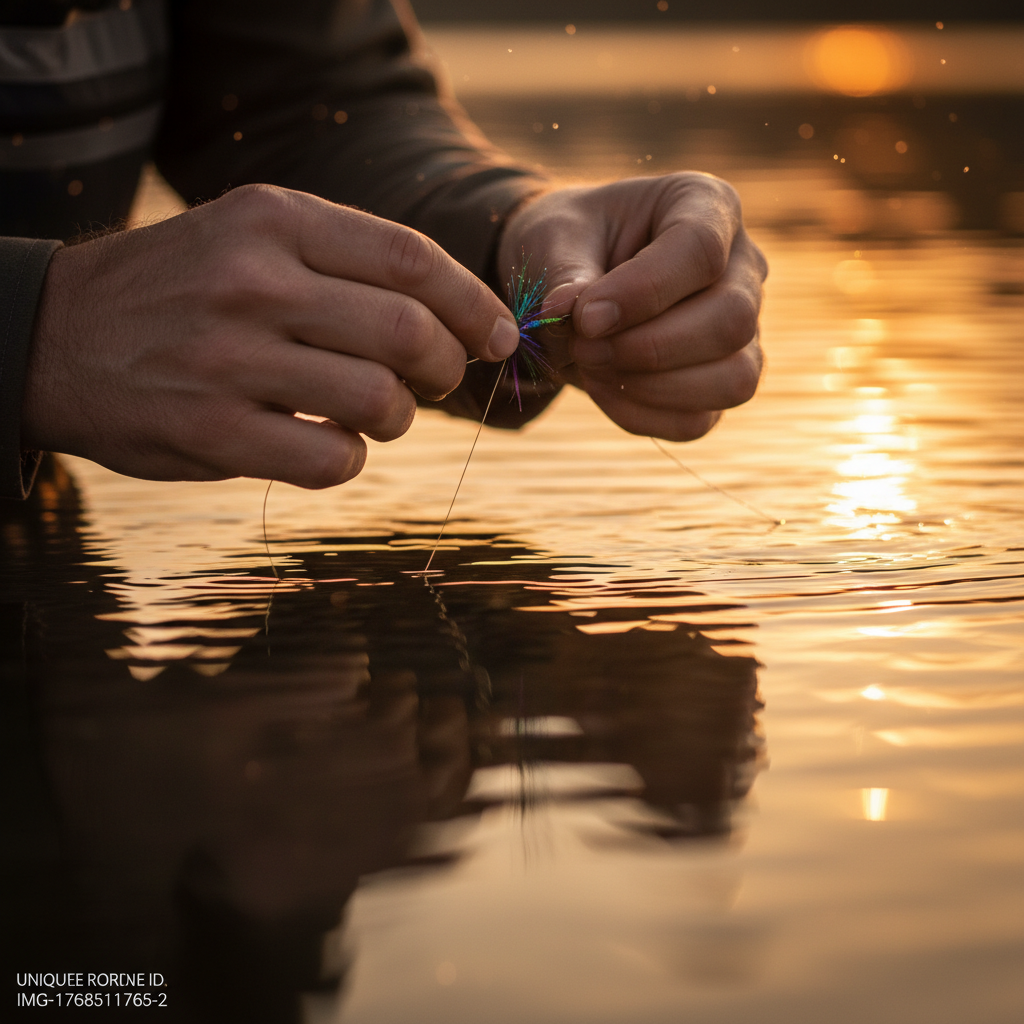
One angler I know spent an entire afternoon trying to catch a particularly large brown trout in a spring creek. He tried every fly in his box, but the fish refused them all. Finally, he noticed that the trout were selectively feeding on a tiny species of midge that was barely visible to the naked eye. He tied on a size 24 midge pupa imitation and presented it to the trout with a delicate, drag-free drift. The trout took the fly immediately, and he landed the biggest brown trout of his life.
Case Study 2: The Deep Water Bass
Fishing for bass in deep water can be challenging, as it’s difficult to know where the fish are holding and what they’re feeding on. How do you locate and catch bass in these conditions?
Again, the key is to pay attention to the details. Start by using your electronics to scan the bottom structure. Look for drop-offs, ledges, humps, and other features that might attract bass. Pay attention to the depth and temperature of the water. Bass typically prefer water temperatures between 60 and 75 degrees Fahrenheit.
Once you’ve located some promising structure, you can start to experiment with different lures and techniques. Try using a Carolina rig, a Texas rig, or a deep-diving crankbait to get your lure down to the bottom. Pay attention to the way your lure is moving and the feel of the bottom. Are you bumping into rocks, weeds, or other obstructions? Are you getting any bites?
Small details can make a big difference in deep water bass fishing. For example, try using a heavier weight to get your lure down to the bottom faster. Or, try using a different color lure to match the forage that the bass are feeding on. The key is to experiment and observe until you find something that works.
A professional bass angler once told me that he always pays close attention to the thermocline when fishing deep water. The thermocline is the layer of water where the temperature changes rapidly. Bass often congregate near the thermocline because it provides a comfortable temperature and plenty of oxygen. By targeting areas near the thermocline, he’s able to consistently catch bass in deep water.
Case Study 3: The Elusive Bonefish
Bonefishing on the flats is a game of stealth and precision. These fish are incredibly wary and easily spooked, so you need to be extremely careful and pay attention to every detail.
Start by wading slowly and quietly, scanning the flats for signs of bonefish. Look for subtle movements in the water, such as wakes, nervous water, or tailing fish. Pay attention to the wind and the current. Bonefish often feed into the wind or current, so position yourself accordingly.
When you spot a bonefish, make a long, accurate cast that lands your fly a few feet in front of the fish. Allow the fly to sink to the bottom and then begin stripping it slowly. Watch the bonefish carefully. If it shows any interest in the fly, continue stripping it at a steady pace. If it ignores the fly or spooks, stop stripping and let the fly sink to the bottom again.
The details of your presentation are crucial when bonefishing. Use a long leader and a small, sparsely tied fly. Be sure to remove any slack from your line and maintain a tight connection with the fly. And above all, be patient and persistent.
A bonefishing guide I know always tells his clients to imagine they are “fishing for ghosts.” He says that bonefish are so wary and elusive that you have to approach them with the utmost respect and attention to detail. By following his advice, his clients consistently catch bonefish, even in challenging conditions.
The Mental Game: Cultivating a Mindset of Detail
Focusing on the details is not just a matter of technique; it’s also a matter of mindset. It requires cultivating a particular way of thinking and approaching the fishing experience.
First and foremost, it requires patience. Detail-oriented fishing takes time and effort. You can’t expect to become a master angler overnight. You need to be willing to put in the hours, to observe, to experiment, and to learn from your mistakes.
It also requires curiosity. Detail-oriented anglers are constantly asking questions. Why is this fish behaving this way? What is it feeding on? What is the water temperature? The more questions you ask, the more you’ll learn about the fishing environment.
Finally, it requires humility. Detail-oriented anglers are always willing to admit when they’re wrong. They understand that there’s always more to learn and that even the most experienced anglers can make mistakes. By being humble and open-minded, you’ll be able to learn from your experiences and continue to improve your fishing skills.

Embrace the Learning Process
Don’t be afraid to experiment and try new things. Fishing is a constantly evolving sport, and there’s always something new to learn. Attend fishing seminars, read books and articles, and talk to other anglers. The more you learn, the better you’ll become at focusing on the details.
Keep a fishing journal. Record your observations, your experiments, and your results. Over time, you’ll start to see patterns and trends that will help you to become a more successful angler. Note the weather conditions, water temperatures, fly patterns used, and any other relevant information. This will help you build a database of knowledge you can draw upon in future fishing trips.
Practice Mindfulness on the Water
Fishing can be a great way to relax and escape from the stresses of everyday life. But it can also be a great way to practice mindfulness. Pay attention to your surroundings, to your senses, and to your thoughts. By being present in the moment, you’ll be more likely to notice the subtle details that can make a difference in your fishing success.
Take a moment to appreciate the beauty of the natural world. Listen to the sounds of the water, feel the wind on your face, and observe the wildlife around you. By connecting with nature, you’ll develop a deeper appreciation for the fishing experience.
Beyond the Catch: The Deeper Rewards of Detail-Oriented Fishing
While catching more fish is certainly a desirable outcome, the benefits of detail-oriented fishing extend far beyond the number of fish you bring to the net. It fosters a deeper connection with nature, enhances your problem-solving skills, and cultivates a sense of mindfulness that can benefit all aspects of your life.
By paying close attention to the details of the fishing environment, you’ll develop a greater appreciation for the complexity and beauty of the natural world. You’ll learn about the intricate relationships between fish, insects, plants, and other organisms. You’ll gain a deeper understanding of the delicate balance of the ecosystem.
Detail-oriented fishing also challenges you to think critically and solve problems. You’ll need to analyze the situation, identify the key factors, and develop a plan of action. You’ll need to be creative and resourceful in your approach. These skills can be applied to many other areas of your life, from your career to your relationships.
Ultimately, detail-oriented fishing is about more than just catching fish. It’s about developing a deeper understanding of yourself, your environment, and the world around you. It’s about cultivating a mindset of curiosity, patience, and humility. It’s about finding joy and fulfillment in the pursuit of knowledge and skill.
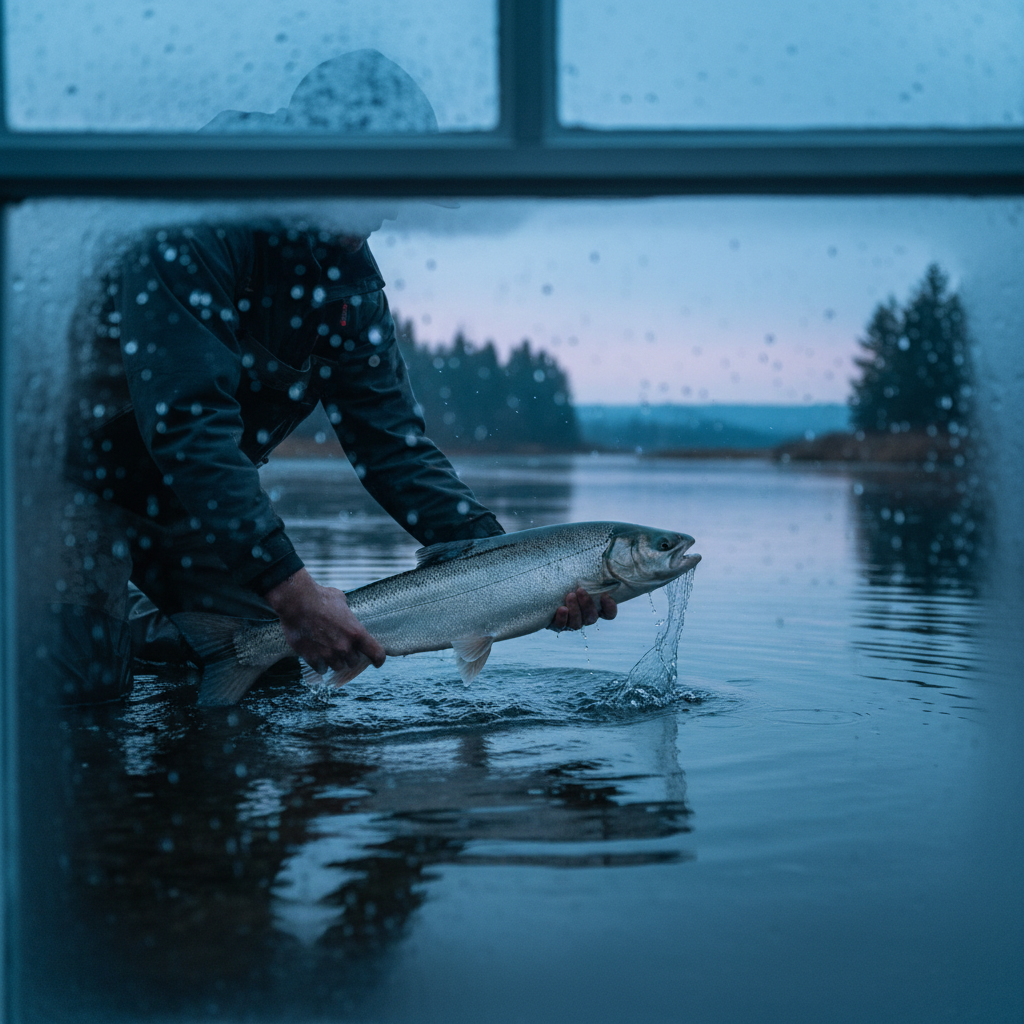
So, the next time you’re on the water, take a moment to slow down, observe your surroundings, and pay attention to the details. You might be surprised at what you discover. You might just unlock a new level of fishing success and a deeper appreciation for the sport. Remember, it’s not just about the catch; it’s about the journey, the learning, and the connection with nature that makes fishing such a rewarding and enriching experience.