The Silent Killer of Fishing Gadget Success
How many times have you excitedly unboxed a brand-new fishing gadget, brimming with anticipation of landing the biggest catch of your life, only to be met with…mediocre results? You meticulously read the manual (or at least skimmed it), watched a few YouTube tutorials, and felt confident you were ready to unleash its full potential. Yet, the fish remained stubbornly unimpressed. What went wrong?
The problem, more often than not, isn’t the gadget itself, but the critical detail that beginners routinely overlook: understanding the *underlying data* and how to interpret it within the context of their specific fishing environment. We’re talking about the nuances of sonar readings, the subtle shifts in GPS coordinates, the implications of water temperature fluctuations, and the countless other data points these gadgets provide. They are not magic wands; they are sophisticated tools that require a degree of interpretive skill. Think of it like this: giving a novice pilot the controls of a Boeing 747 doesn’t make them a pilot. They need to understand the instruments, the weather patterns, and the principles of flight to successfully navigate. Similarly, a fish finder is useless if you can’t decipher what the arcs and squiggles on the screen truly mean.
Consider the angler who buys the latest and greatest fish finder, complete with side-scanning sonar and GPS mapping. They head out to their favorite lake, turn on the device, and see a dazzling array of colorful images. “Fish!” they exclaim, pointing at a cluster of pixels on the screen. Hours later, after casting to these “fish” with every lure in their tackle box, they return empty-handed, frustrated and disillusioned. What they failed to realize is that those “fish” were likely a school of baitfish huddled near a submerged log, completely uninterested in anything an angler might offer. A more experienced angler, understanding the nuances of sonar, would have recognized the baitfish and moved on to search for larger, predatory fish lurking nearby. The gadget provides the raw data; the angler provides the interpretation and strategic decision-making.
Deciphering the Language of Your Gadget
The key to unlocking the true potential of your fishing gadgets lies in learning to “speak their language.” This means going beyond the basic features and delving into the intricacies of how they collect and present information.
Understanding Sonar: More Than Just Fish Arcs
Sonar, or Sound Navigation and Ranging, is the foundation of most fish finders. It works by emitting sound waves and analyzing the echoes that return. While the familiar “fish arc” is a common sight on sonar screens, it’s crucial to understand that not every arc represents a fish, and not every fish produces an arc. The shape, size, and density of the arc provide valuable clues about the size, species, and behavior of the target.
* Arc Shape: A full, well-defined arc typically indicates a fish that swam completely through the sonar cone. A half-arc or a broken arc might suggest a fish that only partially entered the cone or was moving quickly. A thick, strong arc usually indicates a larger fish, while a thin, weak arc suggests a smaller fish or a weaker signal return.
* Arc Density: The color or intensity of the arc can also provide clues. A bright, solid color often indicates a dense target, such as a large fish or a school of fish. A faint or translucent color might indicate a less dense target, such as vegetation or debris.
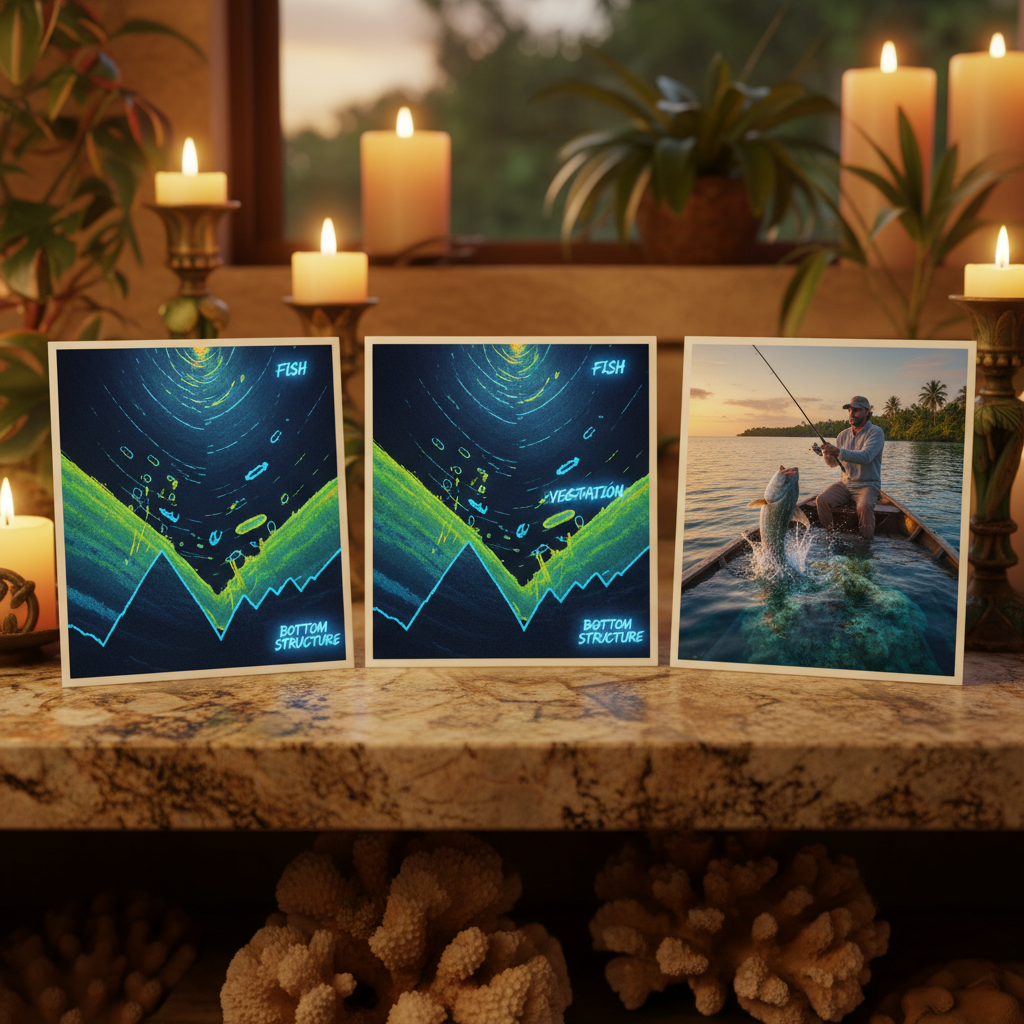
* Beyond Arcs: Modern sonar systems can display a variety of other targets, such as submerged structures, vegetation, and even the bottom composition. Learning to identify these targets is crucial for understanding the overall fishing environment. High-frequency sonar, for instance, provides incredibly detailed images of the bottom, allowing you to distinguish between rock, sand, and mud. This information can be invaluable for targeting specific species that prefer certain bottom types.
Consider a scenario where you’re fishing a deep lake and your sonar is showing numerous weak, scattered arcs near the bottom. A novice angler might dismiss these as insignificant, but an experienced angler would recognize them as potential signs of baitfish or small schooling fish. This could indicate a feeding frenzy is about to occur, or that larger predatory fish are nearby, waiting to ambush their prey. By understanding the nuances of the sonar readings, you can make more informed decisions about where and how to fish.
GPS and Mapping: Precision Navigation and Structure Identification
GPS (Global Positioning System) technology has revolutionized fishing, allowing anglers to precisely mark and return to productive fishing spots. However, GPS is more than just a navigation tool; it can also be used to create detailed maps of underwater structures.
* Waypoint Management: Marking waypoints for productive fishing spots is a fundamental use of GPS. However, it’s important to go beyond simply marking the spot and to add detailed notes about the conditions at the time. This could include the date, time, water temperature, lure used, and any other relevant information. This data can be invaluable for identifying patterns and predicting when and where fish are likely to be found in the future.
* Creating Contour Maps: Many modern fish finders have the ability to create custom contour maps of the lake or river you’re fishing. By slowly driving your boat across the water while recording GPS data and depth readings, you can create a detailed map showing the underwater topography. This can reveal hidden structure, such as submerged humps, drop-offs, and creek channels, which are often hotspots for fish.
* Understanding GPS Accuracy: It’s important to be aware that GPS accuracy can vary depending on factors such as satellite coverage and atmospheric conditions. While GPS is generally accurate to within a few meters, it’s not always perfect. When marking waypoints or navigating to specific locations, it’s important to use visual cues and other navigational aids to confirm your position.
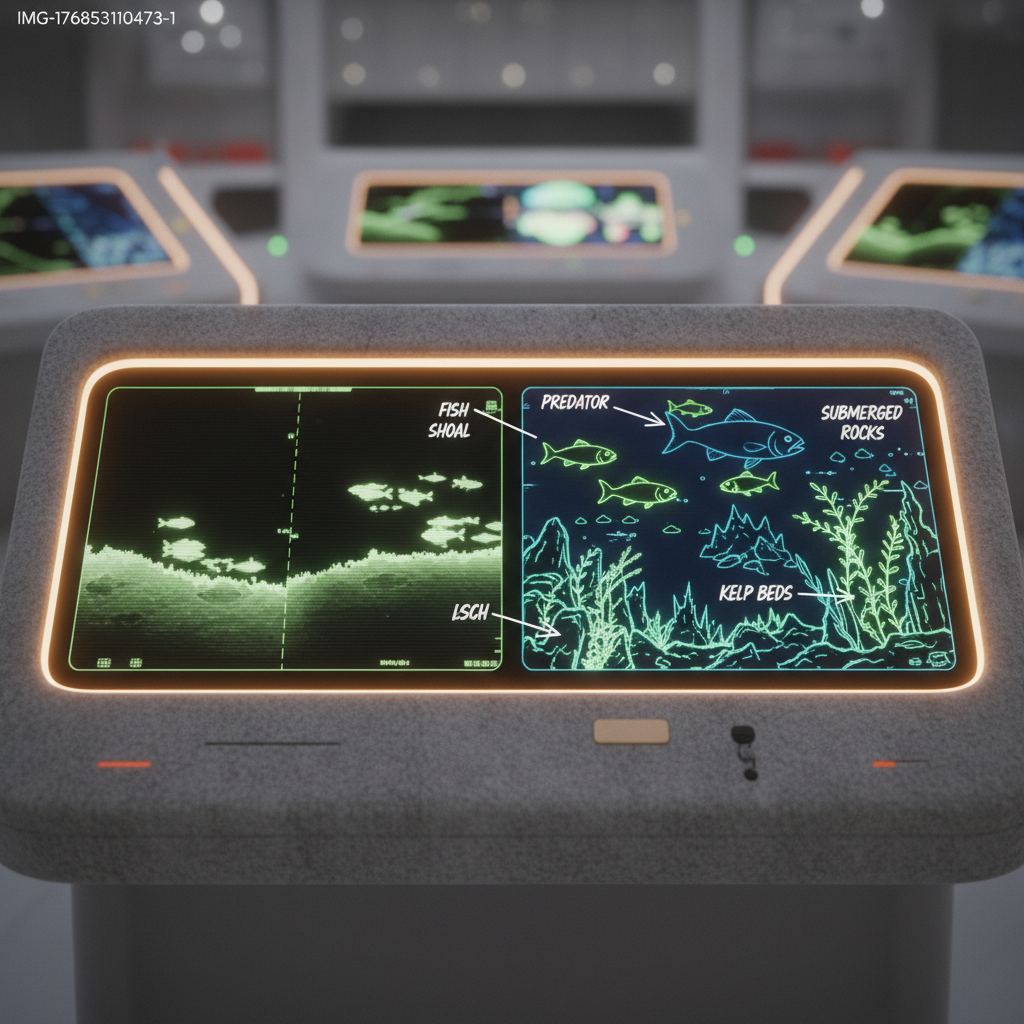
Imagine you’re fishing a large reservoir with limited visible structure. By using GPS and sonar to create a detailed contour map, you discover a submerged ridge that rises sharply from the surrounding bottom. This ridge creates an area of upwelling current, which attracts baitfish and, in turn, predatory fish. By targeting this specific structure, you significantly increase your chances of success.
Water Temperature and Other Environmental Data
Many fishing gadgets also provide information about water temperature, depth, and other environmental factors. These data points can be crucial for understanding fish behavior and predicting when and where they are likely to be active.
* Water Temperature: Fish are cold-blooded animals, meaning their body temperature is directly influenced by the surrounding water. Water temperature affects their metabolism, activity level, and feeding habits. Knowing the water temperature can help you determine the optimal depth and lure presentation for targeting specific species.
* Depth: Depth is another critical factor influencing fish distribution. Different species prefer different depths, depending on factors such as light penetration, oxygen levels, and food availability. Using a depth finder can help you locate the depth range where fish are most likely to be found.
* Other Environmental Factors: Some fishing gadgets also provide information about other environmental factors, such as barometric pressure, wind speed, and humidity. These factors can indirectly influence fish behavior by affecting the availability of food or the clarity of the water.
For example, during the spring spawning season, many fish species migrate to shallow water to reproduce. Knowing the water temperature and depth can help you pinpoint the exact locations where these fish are likely to be spawning. Similarly, during the summer months, when surface water temperatures can become too warm, fish may seek refuge in deeper, cooler water.
Beyond the Gadget: Applying Your Knowledge
Acquiring the data is only half the battle. The real magic happens when you translate that data into informed decisions about your fishing strategy.
Matching Lures to the Environment
The data provided by your fishing gadgets can help you choose the right lures for the conditions.
* Sonar: Sonar can help you identify the size and type of fish that are present, as well as the type of structure they are relating to. This information can help you choose a lure that is the appropriate size, color, and action for targeting those fish.
* GPS: GPS can help you pinpoint the exact location of productive fishing spots, allowing you to target specific areas with precision. This can be particularly useful when fishing around structure, such as submerged trees or rock piles.
* Water Temperature: Water temperature can influence the activity level of fish, which in turn can affect the type of lure that is most effective. For example, during colder water temperatures, fish may be more lethargic and prefer slower-moving lures.
Imagine you’re using your sonar to identify a school of bass huddled near a submerged weed bed. The water temperature is relatively cool, indicating that the fish are likely to be less active. Based on this information, you might choose to use a slow-moving lure, such as a jig or a Texas-rigged worm, and work it slowly along the bottom near the weed bed.
Adjusting Your Presentation
The way you present your lure can be just as important as the lure itself. The data from your gadgets can help you fine-tune your presentation to maximize your chances of success.
* Depth: Knowing the depth at which fish are holding is crucial for presenting your lure effectively. Using a depth finder can help you determine the optimal depth to target, and you can adjust your presentation accordingly.
* Speed: The speed at which you retrieve your lure can also influence its effectiveness. During colder water temperatures, a slower retrieve is often more effective, while during warmer water temperatures, a faster retrieve may be more productive.
* Action: The action of your lure can also be a key factor in attracting fish. Some lures have a subtle, natural action, while others have a more aggressive, erratic action. The best action to use will depend on the species of fish you are targeting and the conditions of the water.
For example, if you’re fishing a deep lake and your sonar is showing fish suspended at a specific depth, you might use a countdown lure or a crankbait to target that depth range. By adjusting the speed and action of your retrieve, you can experiment to find the presentation that is most effective at triggering strikes.

Adapting to Changing Conditions
Fishing conditions can change rapidly, and it’s important to be able to adapt your strategy accordingly. Your fishing gadgets can help you monitor these changes and make informed decisions about how to adjust your approach.
* Weather: Changes in weather can have a significant impact on fish behavior. For example, a sudden cold front can cause fish to become less active and move to deeper water. By monitoring the weather forecast and observing the current conditions, you can anticipate these changes and adjust your strategy accordingly.
* Water Clarity: Water clarity can also influence fish behavior. In clear water, fish may be more easily spooked and require a more subtle presentation. In murky water, fish may rely more on their sense of smell and vibration, and a lure with a strong scent or action may be more effective.
* Time of Day: Fish behavior can also vary depending on the time of day. Some species are more active during the early morning or late evening, while others are more active during the middle of the day. By observing the patterns of fish activity, you can adjust your strategy to target them during their peak feeding times.
Imagine you’re fishing a lake on a sunny afternoon, and the wind suddenly picks up and starts to blow from the north. This could indicate an approaching cold front, which could cause the fish to become less active. In response, you might consider moving to a more sheltered area of the lake, or switching to a slower-moving lure and fishing deeper water.
The Pitfalls of Over-Reliance and the Importance of Observation
While fishing gadgets are invaluable tools, it’s crucial to avoid becoming overly reliant on them. Technology should augment, not replace, your own observation skills and intuition.
Don’t Forget the Basics
The most sophisticated fish finder in the world won’t help you if you neglect the fundamentals of fishing. This includes understanding fish behavior, reading the water, and having a solid understanding of basic fishing techniques. Before you invest heavily in technology, make sure you have a strong foundation in these areas.
Consider the angler who spends thousands of dollars on a high-end fish finder but neglects to learn about the local fish species and their preferred habitats. They may be able to identify fish on the screen, but they won’t know where to find them or what lures to use to catch them.
Trust Your Instincts
Sometimes, the data from your gadgets may contradict what you’re seeing or feeling. In these situations, it’s important to trust your instincts. If you have a hunch that fish are present in a certain area, even if your fish finder isn’t showing them, it’s worth investigating.
Imagine you’re fishing a river and you notice a group of birds actively feeding on the surface. Your fish finder isn’t showing any fish in the area, but your instincts tell you that there must be something there. You decide to cast a lure into the area, and sure enough, you hook into a large trout.
Observe Your Surroundings
Pay attention to the details of your surroundings, such as the water clarity, the weather, and the presence of other wildlife. These observations can provide valuable clues about fish behavior and help you make more informed decisions about your fishing strategy.
For example, if you notice a lot of mayflies hatching on the surface of the water, this could indicate that trout are actively feeding on insects. In this case, you might consider using a dry fly to match the hatch and target the trout feeding on the surface.
Case Studies: Gadgets in Action
Let’s look at some real-world examples of how understanding the data from fishing gadgets can lead to success.
Case Study 1: The Lake Erie Walleye Hunter
A walleye angler on Lake Erie was struggling to find fish, despite using a high-end fish finder with side-scanning sonar. After studying the sonar images closely, he noticed a subtle difference in the bottom composition in one area. The sonar was showing a slightly harder bottom, indicating the presence of gravel or rock. Knowing that walleye often congregate in areas with hard bottoms to spawn or feed, he decided to focus his efforts on this area. He used his GPS to mark the location and returned to it the next day. Using a jigging technique, he quickly caught several large walleye, proving the value of interpreting subtle differences in sonar readings.
Case Study 2: The Bass Tournament Pro
A professional bass angler was fishing a tournament on a large reservoir. He used his GPS to create a detailed contour map of the lake, revealing several submerged humps and drop-offs. He focused his efforts on these structures, knowing that they often hold bass. Using his sonar, he identified schools of baitfish congregating near the humps. He then used a crankbait to target the bass that were feeding on the baitfish, ultimately winning the tournament.
Case Study 3: The River Trout Fisherman
A trout fisherman was fishing a river that was known for its difficult conditions. The water was murky, and the fish were often skittish. He used a portable sonar device to scan the riverbed, identifying areas with deep holes and submerged logs. Knowing that trout often seek refuge in these areas, he targeted them with a nymph pattern. By carefully presenting his lure near the structure, he was able to catch several large trout, even in the challenging conditions.
The Future of Fishing Gadgets: AI and Beyond
The future of fishing gadgets is bright, with advancements in artificial intelligence (AI) and other technologies promising to further enhance the angling experience.
AI-Powered Fish Identification
AI is already being used in some fish finders to automatically identify fish species and sizes. This can save anglers valuable time and effort, allowing them to focus on fishing rather than interpreting sonar images. In the future, AI could also be used to predict fish behavior based on environmental conditions, providing anglers with even more valuable information.
Augmented Reality Fishing
Augmented reality (AR) technology could revolutionize the way anglers interact with their fishing environment. Imagine being able to point your smartphone at the water and see a real-time overlay of underwater structure, fish locations, and other relevant data. This could provide an unprecedented level of situational awareness, allowing anglers to make more informed decisions about where and how to fish.
Underwater Drones
Underwater drones are already being used by some anglers to scout out fishing spots and identify fish. These drones can be equipped with cameras, sonar, and other sensors, providing a detailed view of the underwater environment. In the future, drones could also be used to deliver bait to specific locations or even to assist in landing fish.
Embrace the Learning Curve
Mastering fishing gadgets is a journey, not a destination. Don’t be discouraged if you don’t see immediate results. Embrace the learning curve, experiment with different techniques, and never stop observing and analyzing the data. The more you learn, the more effectively you’ll be able to use your gadgets to catch more fish.
Remember the detail that every beginner ignores: it’s not about *having* the technology, it’s about *understanding* it. Invest the time in learning how to interpret the data your gadgets provide, and you’ll unlock a whole new level of fishing success. And don’t forget to balance the technology with the timeless skills of observation, intuition, and a deep respect for the natural world. The best anglers are those who can seamlessly blend technology with traditional knowledge, creating a synergy that leads to unforgettable fishing experiences.
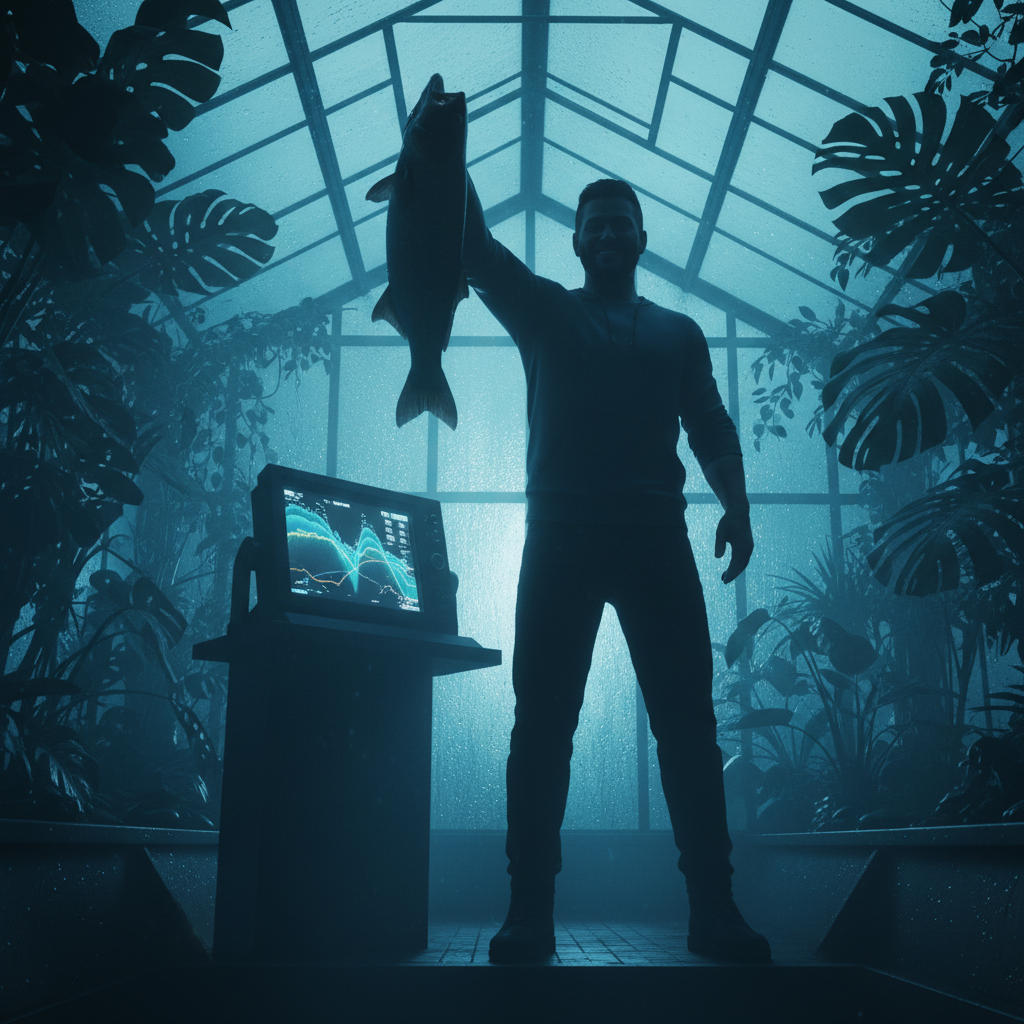
So, the next time you’re out on the water, take a moment to really *listen* to what your gadgets are telling you. Go beyond the surface-level features and delve into the nuances of the data. Ask yourself: What is the sonar telling me about the bottom composition? How is the water temperature affecting fish behavior? What patterns can I identify by analyzing my GPS data? By asking these questions and actively seeking to understand the data, you’ll be well on your way to becoming a more successful and knowledgeable angler. And remember, the biggest fish are often caught by those who are willing to go the extra mile and pay attention to the details that others overlook.