The River’s Quiet Lessons
I’ve always been a voracious reader, a devotee of the written word. I believed, perhaps naively, that the sum total of human knowledge resided within the covers of books. Libraries were my temples, and each turning page a step closer to enlightenment. Then, one crisp October morning, I discovered a different kind of library – one with flowing currents, rustling leaves, and the silent wisdom of ages etched into its rocky banks.
It was a fishing trip, ostensibly. My grandfather, a man of few words but immense patience, had invited me to join him on his annual pilgrimage to the Willow Creek, a relatively untouched stretch of river about an hour outside our town. I went along mostly to humor him, armed with a new fly rod I’d received as a birthday gift and a head full of preconceived notions about what constituted valuable learning. Little did I know, the river had its own curriculum, and I was about to enroll in a masterclass.
Beyond the Textbook: An Immersive Education
My grandfather, a man whose hands bore the map of a life lived outdoors, didn’t bother with much in the way of formal instruction. He simply pointed to the water, the trees, the sky, and let the river do the talking. He showed me how to read the currents, to identify the subtle eddies where trout might be lurking, to understand the lifecycle of the mayflies that danced above the water’s surface. These were lessons not found in books, lessons learned through observation, intuition, and a deep connection with the natural world.
Initially, I struggled. My casts were clumsy, my knots unreliable, and my patience thin. I felt a pang of familiar frustration, the same feeling I experienced when grappling with a particularly dense passage in a textbook. But the river offered no easy answers, no quick fixes. It demanded persistence, adaptability, and a willingness to learn from my mistakes. Each missed strike, each tangled line, was a gentle reminder that mastery comes not from knowing, but from doing.
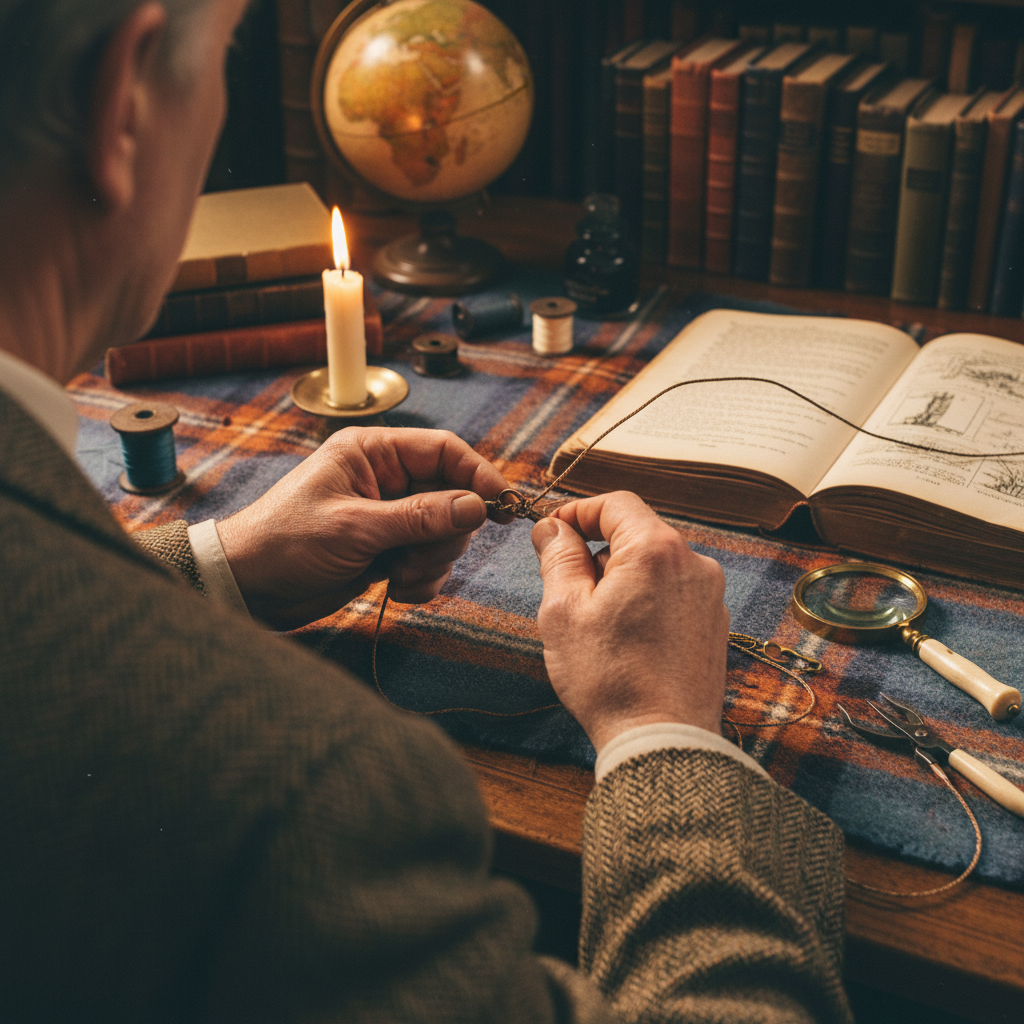
The Language of the Water
As the day wore on, I began to tune into the river’s subtle language. I noticed how the sunlight dappled through the leaves, creating shifting patterns on the water’s surface. I heard the rustling of the wind in the trees, the chirping of crickets in the underbrush, the gentle gurgle of the current as it flowed over the rocks. Each sound, each sight, each sensation was a piece of the puzzle, a clue to understanding the complex ecosystem that surrounded me. It was as if the river was whispering secrets, inviting me to become a part of its story.
I realized that the true value of fishing wasn’t just about catching fish. It was about connecting with something larger than myself, about immersing myself in the rhythms of nature, about finding a sense of peace and belonging in a world that often feels chaotic and disconnected. It was about learning to listen, to observe, to appreciate the simple beauty of the present moment.
Patience as a Virtue: A Lesson in Mindfulness
One of the most profound lessons the river taught me was the importance of patience. In a world of instant gratification, where information is readily available at our fingertips, waiting for a fish to bite can feel like an eternity. But the river doesn’t operate on our schedule. It moves at its own pace, indifferent to our desires and demands. It requires us to slow down, to be present, to appreciate the stillness and the quiet anticipation.
I remember one particular moment when I had been casting for hours without a single strike. Frustration was beginning to creep in, and I was tempted to give up. But then I took a deep breath, closed my eyes, and focused on the sound of the river. I felt the cool breeze on my skin, the warmth of the sun on my face. I let go of my expectations and simply allowed myself to be present in that moment. And then, suddenly, I felt a tug on my line. A beautiful rainbow trout, glistening in the sunlight, leaped from the water. It was a moment of pure joy, a reward for patience and perseverance.
The Illusion of Control
The river also taught me a valuable lesson about the illusion of control. We often believe that we can control our environment, that we can manipulate the world around us to suit our needs and desires. But the river is a constant reminder that nature is a powerful force, one that cannot be tamed or controlled. It flows where it wants to flow, it rises and falls with the changing seasons, and it is ultimately indifferent to our plans and ambitions.
I learned that the best we can do is to adapt to the river’s rhythms, to understand its forces, and to work with it rather than against it. This lesson, I realized, extended far beyond the realm of fishing. It applied to all aspects of life, from our relationships to our careers to our personal goals. True success, I discovered, lies not in trying to control the uncontrollable, but in learning to navigate the currents of life with grace and resilience.
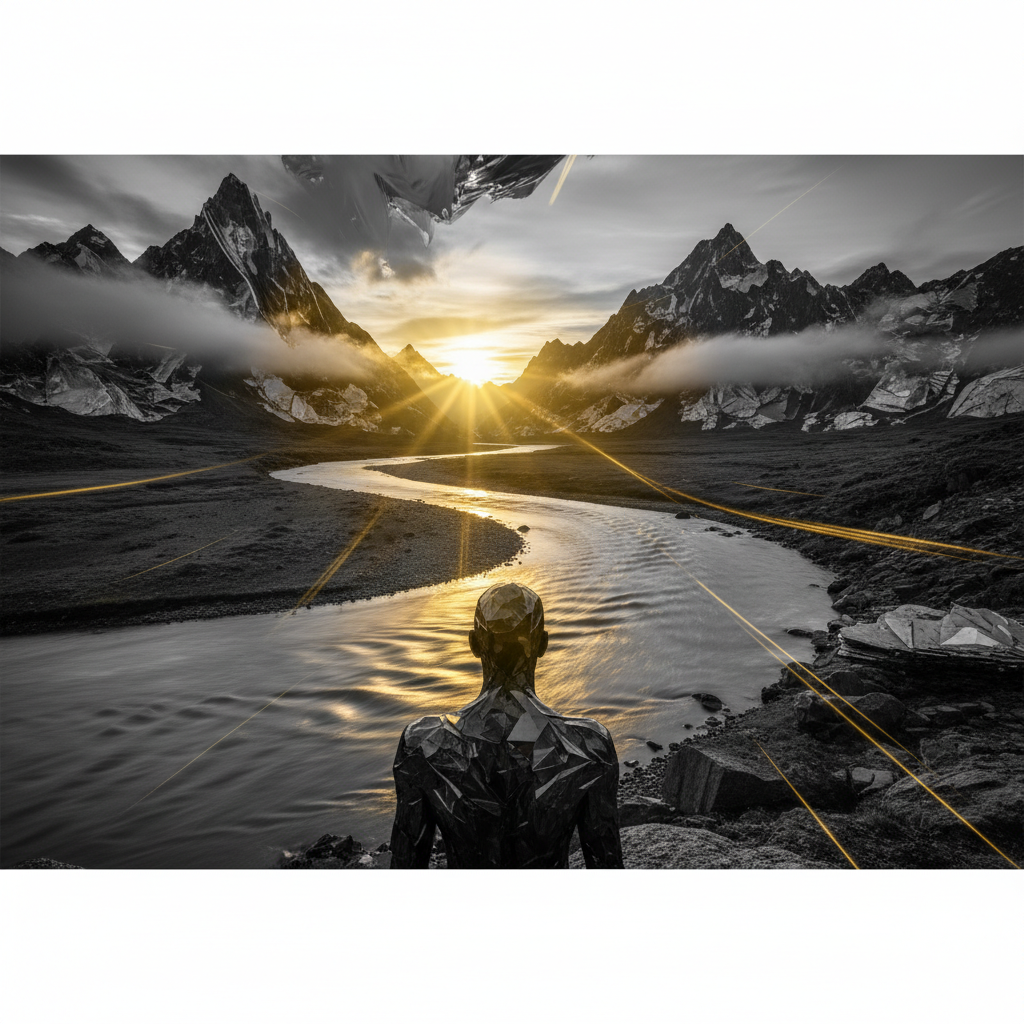
Humility in the Face of Nature
There’s a certain humbling experience that comes with spending time in nature, particularly in a place as raw and untamed as the Willow Creek. Surrounded by the towering trees, the rushing water, and the vast expanse of the sky, one can’t help but feel a sense of insignificance. Our problems, our worries, our ambitions – they all seem to shrink in the face of such immense and enduring beauty.
The river taught me to appreciate the small things, the simple pleasures that often go unnoticed in the hustle and bustle of daily life. The way the sunlight catches the dew on a spiderweb, the sound of a bird singing in the trees, the feel of cool water on my skin – these are the things that truly matter, the things that nourish the soul and connect us to something larger than ourselves. It’s a lesson in humility, a reminder that we are just a small part of a much grander tapestry.
More Than Just Fishing: A Deeper Connection
That day on the Willow Creek wasn’t just about fishing. It was about forging a deeper connection with nature, about learning to appreciate the wisdom of the natural world, and about discovering a different kind of knowledge – a knowledge that couldn’t be found in books, but only through direct experience. It was about understanding my place within the intricate web of life and appreciating the delicate balance that sustains it.
I remember a specific instance when a bald eagle soared overhead, its wings casting a fleeting shadow on the water. My grandfather simply stopped fishing, looked up, and watched in silent reverence. He didn’t say a word, but I understood. It was a moment of pure connection, a shared appreciation for the beauty and majesty of the natural world. These are the moments that stay with you, the moments that shape you, the moments that teach you more than any textbook ever could.
The Interconnectedness of All Things
The river, in its own quiet way, demonstrated the profound interconnectedness of all things. From the smallest insect to the largest mammal, every creature plays a vital role in the ecosystem. The health of the river depends on the health of the surrounding forest, and the health of the forest depends on the health of the soil. Everything is connected, everything is interdependent, and any disruption to one part of the system can have ripple effects throughout the whole.
This understanding, I realized, had profound implications for how we live our lives. It challenged me to think more consciously about my impact on the environment, to consider the consequences of my actions, and to strive to live in a way that is more sustainable and harmonious with the natural world. It was a call to responsibility, a reminder that we are all stewards of this planet and that we have a duty to protect it for future generations.
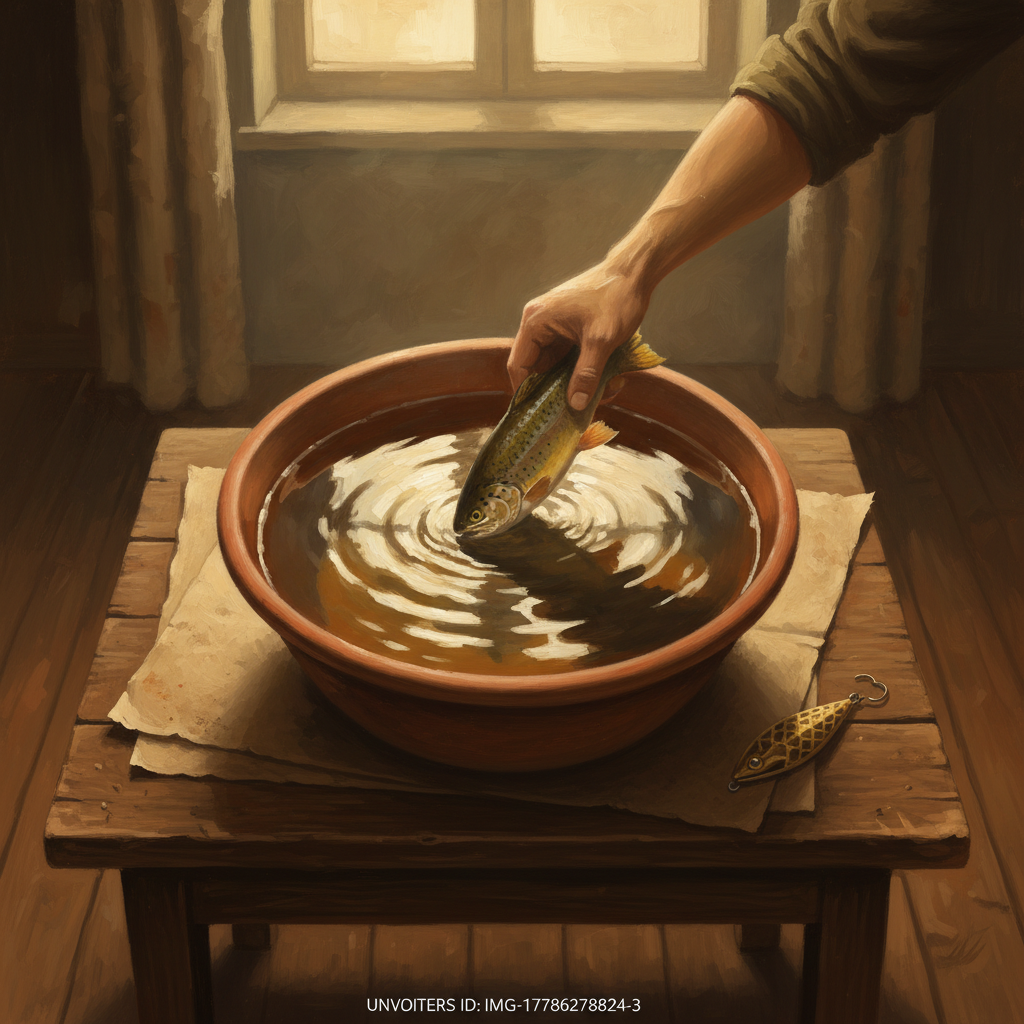
The Value of Mentorship: Grandfather’s Silent Guidance
My grandfather’s role in this education was subtle but profound. He wasn’t a lecturer, but a guide, a mentor who led by example. He didn’t bombard me with information, but instead, allowed me to discover things for myself. He created a space for learning, a space where I could experiment, make mistakes, and ultimately, find my own way.
He taught me the importance of observation, of patience, of respect for nature. He showed me how to read the signs, how to interpret the clues, and how to connect with the river on a deeper level. But perhaps his most important lesson was simply the power of presence. He was fully present in the moment, fully engaged with the experience, and his presence created a sense of safety and security that allowed me to learn and grow.
A Legacy of Learning: Passing on the Torch
I often think about the legacy my grandfather left me – not in terms of material possessions, but in terms of wisdom, values, and a deep appreciation for the natural world. He passed on to me a love of fishing, yes, but more importantly, he passed on a way of seeing the world, a way of connecting with nature, and a way of learning that has enriched my life in countless ways.
Now, I try to pass on that legacy to others, to share my knowledge and experience with those who are interested in learning. I take my own children fishing, not just to teach them how to catch fish, but to show them the beauty and wonder of the natural world. I encourage them to ask questions, to explore, to discover things for themselves, and to develop their own connection with nature.
The River as a Mirror: Reflecting on Life’s Journey
The river, in many ways, serves as a mirror, reflecting back to us our own lives, our own challenges, and our own potential. It reminds us that life is a journey, not a destination, and that the most important thing is not to reach the end, but to enjoy the process along the way. It teaches us to embrace the unknown, to navigate the unexpected twists and turns, and to find beauty and meaning in every moment.
I often find myself returning to the Willow Creek, not just to fish, but to reconnect with myself, to reflect on my life, and to seek guidance from the silent wisdom of the river. It’s a place where I can slow down, disconnect from the noise and distractions of modern life, and reconnect with my own inner voice. It’s a place where I can find peace, inspiration, and a renewed sense of purpose.
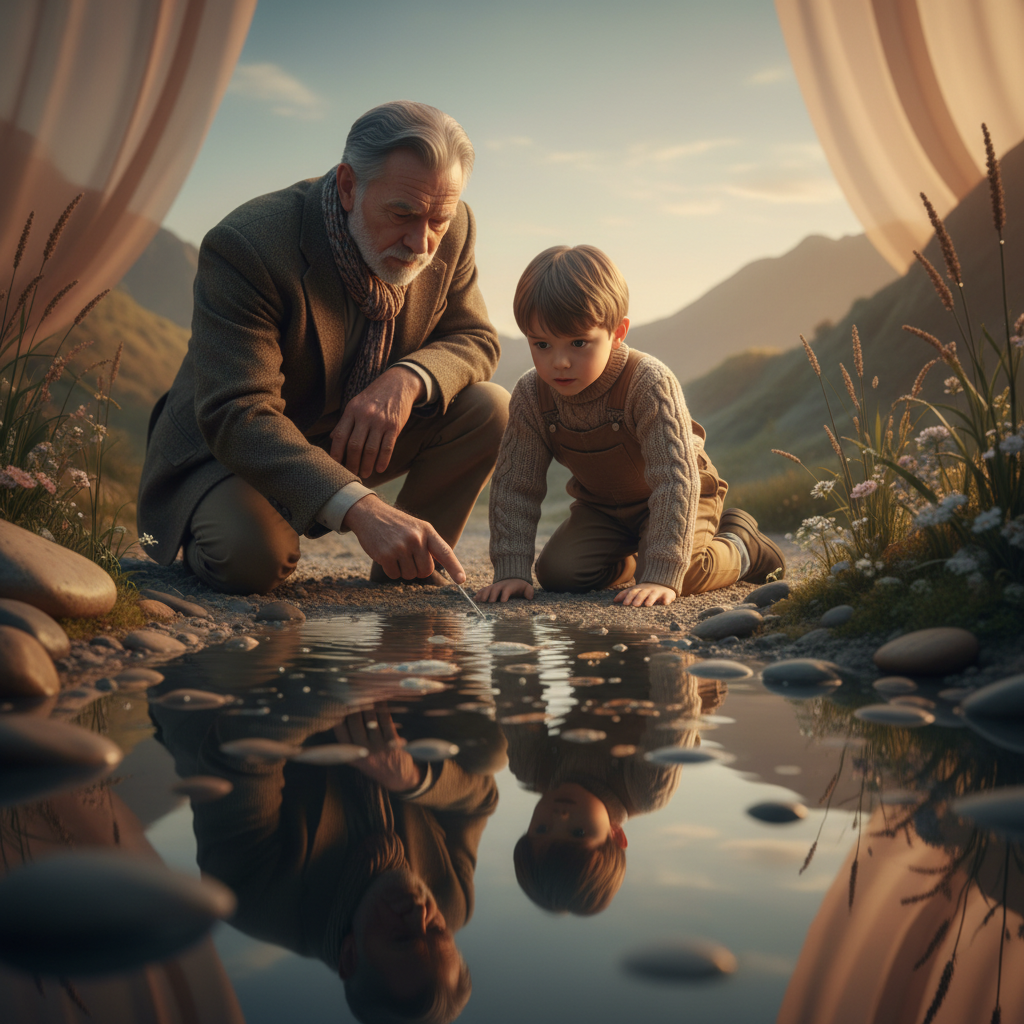
The Enduring Power of Nature’s Lessons
Years have passed since that first fishing trip with my grandfather, but the lessons I learned on the Willow Creek remain as vivid and relevant as ever. The river taught me more than any book ever could – about patience, humility, resilience, interconnectedness, and the enduring power of nature’s wisdom. It was a transformative experience that shaped my life in profound ways and instilled in me a lifelong love of learning and a deep appreciation for the natural world.
The river continues to flow, its waters carving new paths, its lessons ever-evolving. And I, for one, am eternally grateful for the opportunity to be a student of its silent, yet profound, curriculum.