The Lure of Simplicity: Why the “Easy Start” is a Myth
Fishing, at its heart, is a dance between patience and knowledge, a quiet conversation with nature whispered through the line and hook. We are often sold the idea of an “easy start,” a beginner’s kit that promises instant success and overflowing creels. But this promise, I argue, is the biggest myth in beginner fishing. It’s a seductive lie that sets many up for frustration and, ultimately, abandonment of what could be a lifelong passion.
Think about it. How many times have you seen a beautifully packaged starter kit, complete with a generic rod, reel, and a handful of brightly colored lures, advertised as the perfect gateway to angling? It’s appealing, I admit. The allure of immediate gratification is strong. But the reality is that fishing, even at its most basic level, requires a deeper understanding than any pre-packaged kit can provide.
What does “easy” even mean in this context? Does it mean catching a fish on your first cast? Does it mean mastering the art of casting in an hour? Does it mean understanding the intricate ecosystems that govern fish behavior without putting in the time to learn? The answer, of course, is no. True understanding and enjoyment in fishing come from embracing the complexity, not shying away from it.
The Illusion of Instant Success
The problem with the “easy start” myth is that it creates unrealistic expectations. Beginners, armed with their generic gear and promises of instant success, often find themselves facing a steep learning curve. They struggle with casting, knot tying, bait selection, and understanding fish behavior. Disappointment sets in, and the dream of becoming an angler quickly fades.
Imagine a child receiving a brand new electric guitar. The instrument itself is beautiful, gleaming, and promising rockstar dreams. But without proper instruction, dedication to practice, and an understanding of music theory, that guitar is likely to end up gathering dust in a corner. Fishing is no different. The equipment is merely a tool; the real skill lies in understanding how to use it effectively.
The marketing often emphasizes the “fun” and “relaxation” aspects of fishing, which are certainly true. However, it often glosses over the challenges and the learning process. It’s like showing someone a picture of the summit of Mount Everest and neglecting to mention the grueling climb required to get there. It’s a half-truth that can be incredibly damaging.

The Real Foundation: Knowledge Over Gear
So, what’s the alternative to the “easy start” myth? The answer lies in prioritizing knowledge over gear. Instead of focusing on buying the latest and greatest equipment, beginners should invest their time and energy in learning the fundamentals of fishing.
This doesn’t mean you need to enroll in a year-long angling course. It simply means taking the time to understand the basics. Learn about different fish species, their habitats, and their feeding habits. Study the art of casting, knot tying, and bait presentation. Understand the importance of ethical angling practices and conservation.
Think of it like learning a new language. You wouldn’t expect to become fluent overnight simply by buying a phrasebook. You would need to study grammar, vocabulary, and pronunciation. You would need to practice speaking and listening. Fishing is the same. It requires a gradual accumulation of knowledge and experience.
Building a Solid Base of Knowledge
Here are a few key areas where beginner anglers should focus their learning efforts:
- Fish Identification: Knowing the species you’re targeting is crucial for selecting the right bait, lure, and fishing techniques. Learn to identify common fish species in your area and understand their unique characteristics.
- Knot Tying: A strong knot is essential for landing fish. Master a few basic knots, such as the improved clinch knot, the palomar knot, and the surgeon’s knot. Practice tying them until you can do so quickly and reliably, even in challenging conditions.
- Casting Techniques: Accurate and efficient casting is key to presenting your bait or lure effectively. Learn basic casting techniques, such as the overhead cast, the side cast, and the roll cast. Practice your casting in an open area until you can consistently hit your target.
- Bait and Lure Selection: Understanding which bait or lure to use in different situations is essential for success. Learn about different types of bait and lures, their strengths and weaknesses, and when to use them.
- Reading the Water: Learning to “read” the water is a crucial skill for anglers. Look for signs of fish activity, such as surface disturbances, submerged structures, and changes in water flow.
Consider these skills like building blocks. Each one builds upon the others, creating a solid foundation for your angling journey. Skipping steps or focusing solely on gear is like trying to build a house without a foundation; it might look good initially, but it won’t stand the test of time.
Embrace the Learning Curve: The Value of Experience
Fishing is a journey, not a destination. It’s a constant process of learning, experimenting, and adapting. Embrace the learning curve and don’t be afraid to make mistakes. Every missed fish, every tangled line, and every failed cast is an opportunity to learn and improve.
Think of fishing as a complex puzzle. Each fishing trip presents a new set of challenges and opportunities. The more you fish, the more pieces of the puzzle you’ll collect, and the clearer the overall picture will become. There will be days when you struggle to catch anything, and there will be days when you feel like you can do no wrong. The key is to learn from both experiences and keep moving forward.
The Power of Mentorship and Community
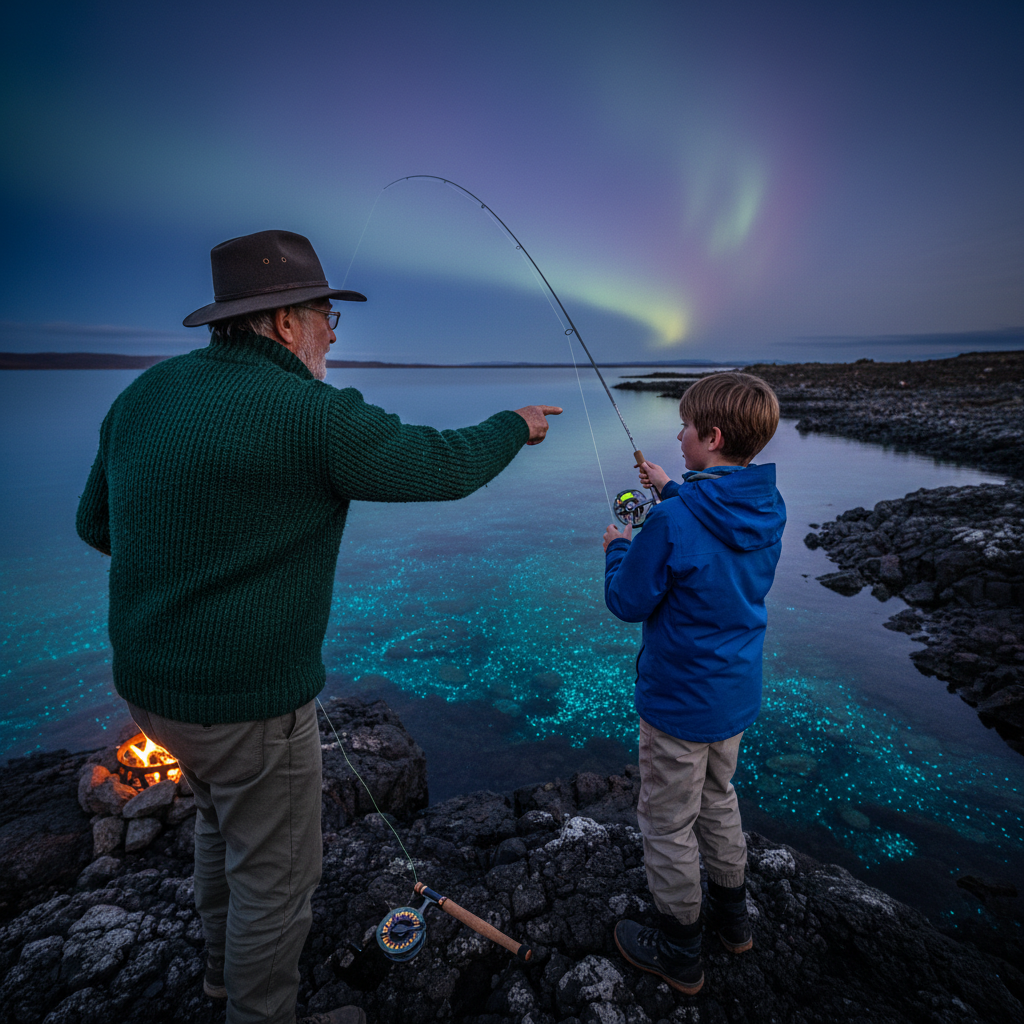
One of the best ways to accelerate your learning is to seek out mentorship from experienced anglers. Join a local fishing club, attend fishing seminars, or simply ask a more experienced angler to take you under their wing. Learning from others can save you a lot of time and frustration.
The fishing community is generally very welcoming and supportive. Most anglers are happy to share their knowledge and experiences with newcomers. Don’t be afraid to ask questions and seek advice. Remember, everyone started somewhere, and most anglers appreciate the opportunity to pass on their passion to others.
Consider attending a local fishing event or volunteering with a conservation organization. These are great ways to meet other anglers, learn new skills, and give back to the fishing community. Building connections with other anglers can enrich your fishing experience and provide you with a valuable support network.
Beyond the Catch: Discovering the Deeper Rewards
Fishing is about more than just catching fish. It’s about connecting with nature, challenging yourself, and experiencing the simple joys of being outdoors. When you focus solely on the catch, you miss out on the deeper rewards that fishing has to offer.
Think about the peace and tranquility of being on the water, surrounded by nature. The sound of the birds singing, the gentle lapping of the waves, and the feeling of the sun on your skin. These are the moments that make fishing truly special.
Fishing can also be a great way to de-stress and escape from the pressures of daily life. It’s a chance to unplug from technology and reconnect with yourself and the natural world. The act of casting a line and waiting for a bite can be incredibly meditative and relaxing.
The Ethical Angler: Respecting the Environment
As anglers, we have a responsibility to protect the environment and ensure that future generations can enjoy the sport we love. This means practicing ethical angling techniques, such as catch and release, and minimizing our impact on the environment.
Always dispose of your fishing line and other trash properly. Avoid using lead weights, which can be toxic to wildlife. Respect fishing regulations and limits, and never take more fish than you need. Support conservation organizations that are working to protect fish habitats and promote sustainable fishing practices.
Consider participating in a local stream cleanup or volunteering with a conservation organization. These are great ways to give back to the environment and make a positive impact on the fishing community. Remember, we are all stewards of the natural world, and we have a responsibility to protect it.
Case Studies: Real Anglers, Real Journeys
Let’s look at a few real-world examples of anglers who embraced the learning curve and found success in fishing. These stories illustrate the importance of patience, persistence, and a willingness to learn.
Case Study 1: The Accidental Fly Fisherman
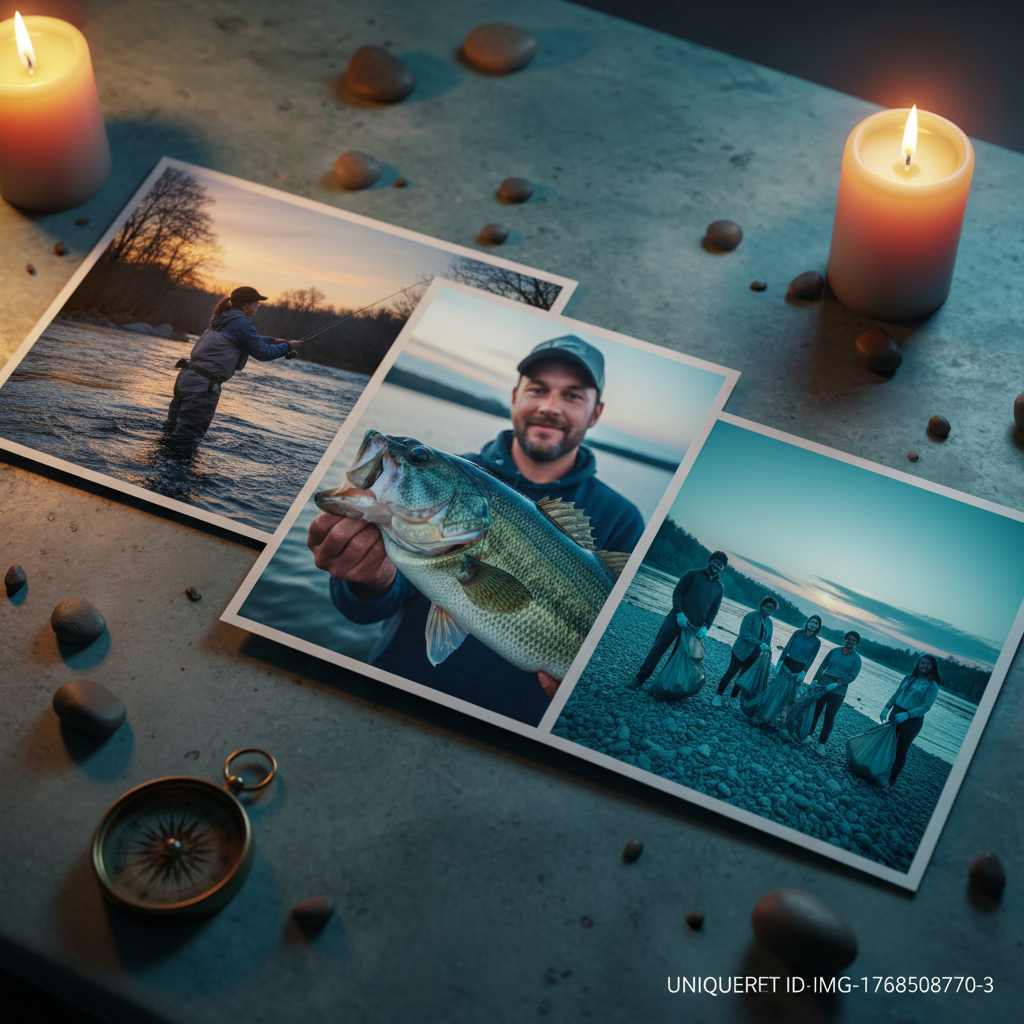
Sarah, a software engineer from Chicago, had never fished a day in her life. One day, on a whim, she signed up for a beginner’s fly fishing class. She struggled with casting, knot tying, and reading the water. She almost gave up several times, but she persisted. She spent hours practicing her casting in her backyard and reading books about fly fishing. Eventually, she started to catch fish. Now, she’s an avid fly fisherman who travels the world in search of new fishing adventures. Her journey proves that anyone can learn to fish, regardless of their background or experience.
Case Study 2: The Dedicated Bass Angler
Mark, a construction worker from Texas, grew up fishing with his grandfather. He always dreamed of becoming a professional bass angler. He spent years honing his skills, fishing every chance he got. He joined a local bass club, attended tournaments, and learned from experienced anglers. He faced setbacks and disappointments along the way, but he never gave up. Eventually, he achieved his dream and became a successful professional bass angler. His story demonstrates the power of dedication and hard work.
Case Study 3: The Conservation-Minded Angler
Emily, a teacher from Maine, started fishing as a way to connect with nature and spend time with her family. She quickly became passionate about protecting fish habitats and promoting sustainable fishing practices. She volunteered with a local conservation organization, participated in stream cleanups, and educated others about the importance of responsible angling. She’s now a leading voice for conservation in her community. Her journey shows that fishing can be a powerful force for positive change.
The Anti-Myth: Start Small, Learn Deep
The true secret to beginner fishing isn’t about finding the “easy start” kit. It’s about starting small, learning deep, and embracing the journey. Invest your time in understanding the fundamentals, seeking mentorship, and connecting with the fishing community. Don’t be afraid to make mistakes, and always remember that fishing is about more than just catching fish.
Forget the notion of instant gratification. The most rewarding experiences in fishing come from the knowledge you acquire, the challenges you overcome, and the connection you forge with nature. It’s about the quiet moments of reflection on the water, the camaraderie with fellow anglers, and the satisfaction of knowing that you’re a responsible steward of the environment.
So, ditch the “easy start” myth and embrace the true essence of fishing. Start with a single rod and reel, a handful of basic lures, and a thirst for knowledge. Immerse yourself in the learning process, seek guidance from experienced anglers, and never stop exploring the wonders of the natural world. The rewards will be far greater than you ever imagined.
Ultimately, the biggest myth about beginner fishing isn’t just about the gear or the techniques. It’s about the mindset. It’s about believing that success comes quickly and easily, without effort or dedication. The truth is, fishing is a challenging but incredibly rewarding pursuit that requires patience, perseverance, and a genuine love for the natural world. Embrace the challenge, and you’ll discover a world of adventure, beauty, and endless learning opportunities.