The Illusion of Instant Expertise in Advanced Fishing
There’s a pervasive myth in the world of advanced fishing, a siren song that lures aspiring anglers onto the rocks of frustration and disillusionment. This myth whispers of instant expertise, of overnight transformations from novice to seasoned pro. It promises that with the right gear, the right tips, and the right amount of YouTube tutorials, you can bypass the arduous, often humbling, journey of truly mastering the art of angling. But this, my friends, is a dangerous lie.
The truth is, advanced fishing isn’t a destination you arrive at; it’s a path you walk, a constant evolution of skill, knowledge, and intuition. It’s about understanding the intricate dance between you, the fish, and the ever-changing environment. It’s about learning to read the subtle cues that nature provides, and adapting your strategies accordingly. And most importantly, it’s about embracing the inevitable failures that come with pushing your limits and venturing into uncharted waters.
How many times have you seen it? Someone buys the most expensive rod, the most advanced sonar, the lure that promises to catch “the big one every time”, only to come back empty-handed, bewildered, and questioning their very ability to hold a fishing rod. This isn’t a reflection of their inherent talent (or lack thereof), but rather a consequence of falling prey to the myth of instant expertise. They skipped the fundamental steps, the hours spent honing their basic skills, the countless casts that yielded nothing but frustration, the slow, painstaking process of learning from their mistakes.
Consider this: a master chef isn’t born with the ability to create Michelin-star dishes. They spend years, often decades, working their way up the culinary ladder, mastering the fundamentals of cooking, experimenting with flavors, and learning from countless failures. They understand that true expertise comes from a relentless pursuit of knowledge and a deep appreciation for the craft. Fishing is no different. The angler who consistently lands trophy fish isn’t just lucky; they’ve put in the time, the effort, and the dedication to hone their skills and develop an intuitive understanding of the aquatic world.
Deconstructing the Myth: What Does “Advanced” Really Mean?
To truly understand why the myth of instant expertise is so harmful, we need to deconstruct the very notion of “advanced” fishing. It’s not about using complicated techniques for the sake of complexity. It’s not about owning the most expensive gear. It’s not about following a rigid set of rules or formulas. Instead, it’s about nuanced understanding, adaptability, and the ability to make informed decisions based on a deep connection with the environment.
Advanced fishing involves mastering the fundamentals to such a degree that they become second nature, allowing you to focus on the more subtle aspects of the sport. It’s about understanding the behavior of different fish species, the impact of weather patterns on their feeding habits, the intricacies of underwater structure, and the delicate balance of the ecosystem. It’s about being able to “read” the water, to anticipate the movements of fish, and to present your lure or bait in a way that triggers a strike.
For example, a beginner might simply cast their line and hope for the best. An advanced angler, on the other hand, would carefully analyze the water conditions, identify potential holding areas for fish, select the appropriate lure based on the available forage, and present it in a way that mimics the natural movement of prey. They would also be constantly monitoring their surroundings, looking for clues that might indicate the presence of fish, such as bird activity, surface disturbances, or changes in water clarity.
Furthermore, advanced fishing demands a high degree of adaptability. The conditions on the water can change rapidly, and the angler who is unwilling or unable to adjust their strategies will quickly find themselves out of luck. This might involve changing lures, adjusting the depth of presentation, altering the retrieve speed, or even moving to a different location altogether. The key is to be flexible, observant, and willing to experiment.
The Pitfalls of Skipping the Fundamentals
The allure of advanced techniques is strong, but skipping the fundamentals is a recipe for disaster. Imagine trying to build a skyscraper without a solid foundation. It might look impressive at first, but it won’t be long before it crumbles under its own weight. The same principle applies to fishing. If you haven’t mastered the basics of casting, knot tying, lure presentation, and fish fighting, you’ll struggle to effectively utilize more advanced techniques.
Consider the example of fly fishing. Many beginners are drawn to the elegance and artistry of fly casting, but they often underestimate the importance of mastering the fundamental techniques. They might spend hours practicing their casting stroke, but if they haven’t learned how to properly tie a fly onto their leader, or how to mend their line to achieve a drag-free drift, they’ll be unlikely to catch many fish. In fact, they’re more likely to spend their time untangling knots and losing flies.
Similarly, in the realm of lure fishing, understanding the nuances of different lure types, retrieve techniques, and hook setting methods is crucial for success. A beginner might simply cast and retrieve a lure in a straight line, hoping that a fish will happen to strike. An advanced angler, on the other hand, would carefully consider the lure’s action, the depth of the water, the speed of the current, and the behavior of the target species, and then adjust their retrieve accordingly.
Moreover, skipping the fundamentals can lead to frustration, discouragement, and ultimately, a loss of interest in the sport. When anglers consistently fail to catch fish, despite their best efforts, they may begin to doubt their abilities and question whether fishing is really for them. This is a tragic outcome, as fishing can be a deeply rewarding and enriching experience, but only if approached with the right mindset and a solid foundation of knowledge and skills.
Embracing the Learning Curve: A Journey of Continuous Improvement
So, if the myth of instant expertise is a fallacy, what’s the alternative? The answer is simple: embrace the learning curve. Accept that becoming a truly skilled angler is a journey of continuous improvement, a process of learning, adapting, and refining your skills over time. Don’t be afraid to make mistakes, and don’t be discouraged by setbacks. Instead, view each fishing trip as an opportunity to learn something new, to experiment with different techniques, and to deepen your understanding of the aquatic world.
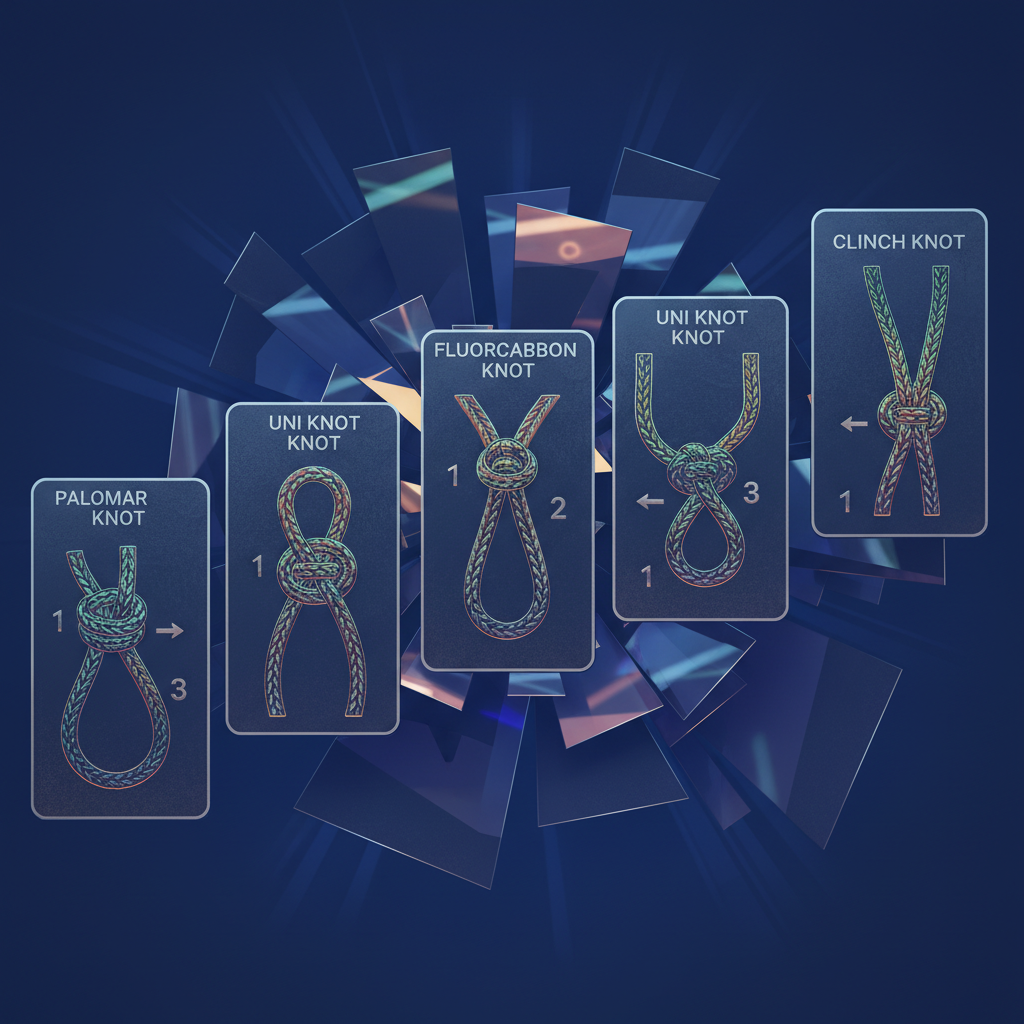
Start by mastering the fundamentals. Learn how to cast accurately and efficiently, how to tie strong and reliable knots, how to present your lures or baits in a way that attracts fish, and how to fight fish effectively without injuring them. Practice these skills until they become second nature, so that you can focus on the more subtle aspects of the sport.
Next, begin to expand your knowledge of fish behavior, habitat preferences, and feeding habits. Read books, watch videos, and talk to experienced anglers to learn as much as you can about your target species. Pay attention to the weather conditions, the water temperature, the current flow, and the underwater structure, and try to understand how these factors influence the behavior of fish.
Most importantly, spend as much time as possible on the water. There’s no substitute for firsthand experience. The more time you spend fishing, the more you’ll learn about the intricacies of the sport, and the more intuitive your understanding of the aquatic world will become. Don’t be afraid to experiment with different techniques, to try new lures or baits, and to venture into uncharted waters. Some of your experiments will fail, but others will yield surprising results. And with each success and each failure, you’ll be one step closer to becoming a truly skilled angler.
For example, instead of just reading about different lure types, take the time to experiment with them on the water. Try different retrieve techniques, different depths of presentation, and different speeds, and see how the fish respond. Keep a detailed log of your results, noting the weather conditions, the water temperature, the current flow, and any other relevant factors. Over time, you’ll begin to develop a deep understanding of how different lures perform in different situations.
The Power of Observation: Sharpening Your Angler’s Eye
One of the most critical skills for any advanced angler is the ability to observe their surroundings and interpret the subtle cues that nature provides. This goes beyond simply looking at the water; it involves actively seeking out information and piecing together a comprehensive picture of the environment.
Start by paying attention to the weather. Changes in barometric pressure, wind direction, and cloud cover can all have a significant impact on fish behavior. For example, a sudden drop in barometric pressure often triggers a feeding frenzy, while a strong wind can make it difficult to present your lure or bait effectively. Learn to recognize these patterns and adjust your strategies accordingly.
Next, observe the water itself. Look for signs of fish activity, such as surface disturbances, bird activity, or changes in water clarity. Pay attention to the current flow, the depth of the water, and the underwater structure. Are there any submerged logs, rocks, or weed beds that might provide cover for fish? Are there any areas where the current is creating eddies or seams that might concentrate baitfish?
Finally, take the time to learn about the local ecosystem. What types of insects, crustaceans, and baitfish are present in the water? What are their seasonal patterns of abundance? Understanding the food web of the aquatic environment will help you to select the appropriate lures or baits and to present them in a way that mimics the natural movement of prey.
Consider this scenario: you’re fishing a lake on a cloudy day, and you notice that the wind is blowing from the east. You also observe that there are a lot of mayflies hatching on the surface of the water. Based on these observations, you might conclude that the fish are likely feeding on mayflies in the shallow water along the eastern shoreline. You could then select a fly that imitates a mayfly and present it in a way that mimics the natural movement of the insects. By combining your observations with your knowledge of fish behavior and the local ecosystem, you can significantly increase your chances of success.
The Importance of Ethical Angling: Respecting the Resource
As you progress on your journey to becoming an advanced angler, it’s essential to remember that fishing is a privilege, not a right. We have a responsibility to respect the resource and to ensure that future generations can enjoy the sport as well. This means practicing ethical angling techniques, adhering to all applicable regulations, and taking steps to minimize our impact on the environment.
Always handle fish with care, using wet hands to avoid removing their protective slime coat. If you’re practicing catch-and-release, use barbless hooks and release the fish as quickly as possible. Avoid fishing in spawning areas during sensitive periods, and never discard trash or fishing line in the water. Respect the rights of other anglers and boaters, and be mindful of noise levels in sensitive areas.
Furthermore, consider supporting conservation organizations that are working to protect fish populations and aquatic habitats. These organizations play a vital role in ensuring the long-term health of our fisheries, and they rely on the support of anglers like you to achieve their goals.
By practicing ethical angling and supporting conservation efforts, we can help to ensure that future generations will have the opportunity to experience the joy and wonder of fishing. We can also demonstrate that anglers are responsible stewards of the environment, committed to protecting the resources that we all depend on.

Beyond Technique: Cultivating the Mindset of an Expert
While technical skills are undoubtedly important, becoming a truly advanced angler requires more than just mastering the mechanics of casting, knot tying, and lure presentation. It also involves cultivating a specific mindset, a way of thinking and approaching the sport that sets expert anglers apart from the rest.
One of the key elements of this mindset is patience. Fishing is not always a fast-paced, action-packed activity. There will be times when you spend hours on the water without getting a single bite. In these situations, it’s easy to become discouraged and give up. But the truly skilled angler understands that patience is essential for success. They are willing to wait for the right opportunity, to persevere through the slow periods, and to remain focused and alert even when nothing seems to be happening.
Another important element of the expert angler’s mindset is adaptability. The conditions on the water can change rapidly, and the angler who is unwilling or unable to adjust their strategies will quickly find themselves out of luck. This might involve changing lures, adjusting the depth of presentation, altering the retrieve speed, or even moving to a different location altogether. The key is to be flexible, observant, and willing to experiment.
Finally, the truly advanced angler possesses a deep sense of curiosity and a relentless desire to learn. They are constantly seeking out new information, experimenting with different techniques, and pushing the boundaries of their knowledge. They understand that fishing is a lifelong learning process, and that there is always something new to discover.
Imagine a chess grandmaster. Their skill isn’t solely based on memorizing openings or calculating moves; it’s about anticipating their opponent’s strategy, adapting to unexpected plays, and constantly seeking new and innovative approaches to the game. Similarly, an advanced angler is constantly analyzing the situation, adapting their tactics, and seeking to expand their understanding of the aquatic world.

The Real Reward: More Than Just the Catch
Ultimately, the journey to becoming an advanced angler is about more than just catching bigger fish or mastering more complex techniques. It’s about developing a deeper connection with nature, cultivating a sense of mindfulness and presence, and experiencing the profound satisfaction that comes from overcoming challenges and achieving personal growth.
When you’re out on the water, surrounded by the beauty of nature, you have the opportunity to disconnect from the stresses of everyday life and to focus on the present moment. You can observe the intricate details of the ecosystem, listen to the sounds of the water, and feel the gentle breeze on your skin. You can experience a sense of peace and tranquility that is difficult to find elsewhere.
Furthermore, the challenges of fishing can help you to develop resilience, patience, and problem-solving skills. When you’re faced with a difficult situation, such as a strong wind or a sudden change in weather, you’re forced to think creatively and to adapt your strategies accordingly. You learn to persevere through adversity and to never give up, even when the odds are stacked against you.
And finally, the feeling of satisfaction that comes from catching a fish, especially a challenging or elusive one, is unlike any other. It’s a testament to your skill, your knowledge, and your perseverance. It’s a reminder that hard work and dedication can pay off, and that anything is possible if you’re willing to put in the effort.
So, the next time you’re tempted by the myth of instant expertise, remember that the true rewards of fishing lie not in the size of the fish you catch, but in the journey itself. Embrace the learning curve, cultivate the mindset of an expert, and allow yourself to be transformed by the power and beauty of the aquatic world. The fish are simply a bonus.