The Unseen Snag: Emotions and the Art of Angling
Fishing, at its core, is a game of patience, strategy, and understanding the underwater world. We obsess over the right lure, the perfect cast, and the subtle movements of our line. We study weather patterns, water temperatures, and the feeding habits of our target species. Yet, all too often, we overlook the most significant factor influencing our success: our own emotional state. This isn’t some New Age philosophy; it’s a pragmatic observation that seasoned anglers know all too well. Are you ready to uncover the biggest emotional mistake that scares off smart fish?
Imagine yourself on the water. You’ve been there for hours, the sun beating down, the wind whipping around you. The fish aren’t biting. Frustration mounts. Your casts become less precise, your retrieve less deliberate. You start blaming the lure, the weather, even the fish themselves. This, my friend, is the emotional snag. It’s the moment when our negative emotions cloud our judgment, compromise our technique, and ultimately, drive away the very fish we seek.
The Ripple Effect of Frustration
Frustration is a potent emotion. It can manifest in various ways, all detrimental to your fishing game. It can lead to impulsive decisions, like changing lures too frequently or casting to unproductive spots out of desperation. It can cause you to rush your casts, resulting in poor presentations and unnatural movements. It can even affect your ability to detect subtle strikes, as your mind becomes preoccupied with negative thoughts.
Consider the experienced bass angler who has spent years honing their skills. They know the lake like the back of their hand, they understand the nuances of lure presentation, and they have a tackle box full of proven winners. But on this particular day, the fish are being finicky. They’re seeing the lures but refusing to commit. After a few hours of fruitless casting, frustration begins to creep in. The angler starts to second-guess their choices, switching lures every few minutes in a frantic search for the magic bullet. Their casts become less precise, their retrieves less controlled. The subtle “tick” of a tentative bite goes unnoticed, dismissed as just another snag. The angler leaves the water empty-handed, convinced that the fish simply weren’t biting that day. But the truth is, their own frustration played a significant role in their lack of success.
The ripple effect extends beyond just one fishing trip. Consistent frustration can lead to burnout, a loss of enthusiasm for the sport, and even a questioning of your own abilities. It’s a vicious cycle: frustration leads to poor performance, which further fuels frustration. Breaking this cycle requires a conscious effort to manage your emotions and maintain a positive mindset.
The Anatomy of Fear: Casting Away Opportunities
Beyond frustration, another powerful emotion that can sabotage your fishing efforts is fear. Not the fear of drowning or being attacked by a bear (though those are valid concerns!), but the fear of failure, the fear of looking foolish, and the fear of trying something new. This fear can manifest in subtle ways, preventing you from taking risks and exploring new techniques.
Think about the angler who always sticks to the same tried-and-true method, even when it’s not producing results. They might be afraid to experiment with a different lure, a different presentation, or a different location, fearing that they’ll waste their time and embarrass themselves. They might have seen someone else try a particular technique and fail, leading them to believe that it’s simply not effective. This fear of the unknown limits their potential and prevents them from expanding their skills.
Or consider the angler who is hesitant to fish in a crowded area, fearing that they’ll be judged by other anglers. They might stick to secluded spots, even if they know that the fish are more likely to be found elsewhere. This fear of social judgment can prevent them from accessing prime fishing locations and learning from more experienced anglers.
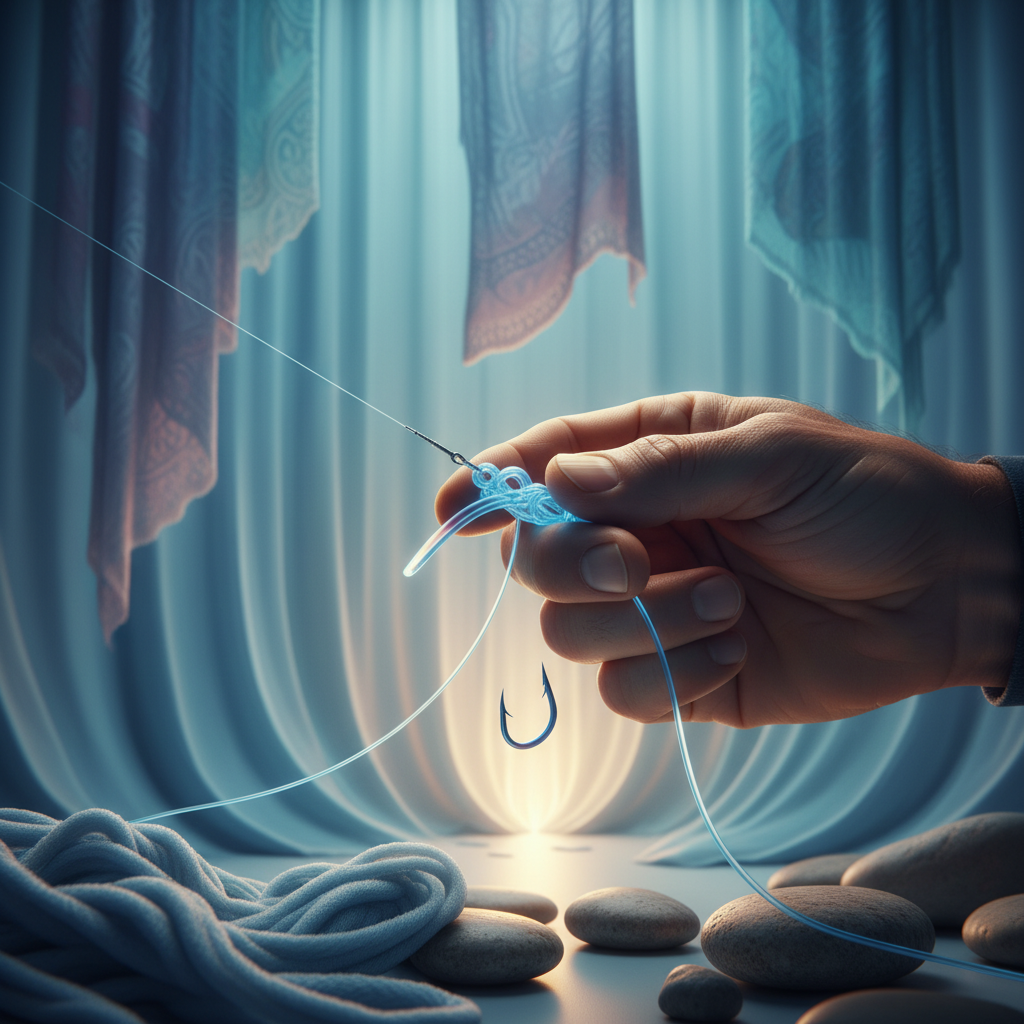
Overcoming the Fear Factor
Overcoming fear requires a willingness to step outside of your comfort zone. It means embracing the possibility of failure and viewing it as an opportunity for learning and growth. It means being open to new ideas and techniques, even if they seem unconventional. And it means developing a thick skin and not letting the opinions of others dictate your actions.
One effective strategy is to break down your goals into smaller, more manageable steps. Instead of trying to master a complex new technique overnight, focus on learning one small aspect of it at a time. Practice in a controlled environment, such as your backyard or a quiet pond, before venturing out to a more challenging location. Don’t be afraid to ask for help from experienced anglers. Most anglers are more than willing to share their knowledge and offer guidance.
Another important aspect of overcoming fear is to focus on the process, rather than the outcome. Instead of obsessing over catching a fish, focus on executing your technique correctly and learning from each cast. Celebrate small victories, such as mastering a new knot or successfully presenting a lure in a challenging situation. By shifting your focus from the outcome to the process, you can reduce the pressure on yourself and create a more enjoyable and rewarding fishing experience.
The Illusion of Control: When Expectations Sink Your Line
A third emotional trap that can plague even the most skilled anglers is the illusion of control. We often go into a fishing trip with specific expectations: we expect to catch a certain number of fish, we expect to catch a fish of a certain size, or we expect to catch a particular species. When these expectations are not met, we can become disappointed, frustrated, and even angry. This disappointment can lead to poor decision-making and a negative attitude, further reducing our chances of success.
The reality is that fishing is inherently unpredictable. There are countless factors that influence the behavior of fish, many of which are beyond our control. Weather conditions, water clarity, fishing pressure, and the mood of the fish themselves can all play a role in determining whether or not we catch anything. To expect to catch fish every time we go out is simply unrealistic.
The experienced angler understands this inherent uncertainty and embraces it. They go into each fishing trip with an open mind, prepared to adapt to whatever conditions they encounter. They don’t let their expectations dictate their actions. They focus on enjoying the experience, regardless of whether or not they catch anything.
Releasing the Grip: Embracing Uncertainty
Letting go of the illusion of control requires a shift in perspective. It means accepting that you can’t always control the outcome, but you can control your attitude and your actions. It means focusing on the aspects of fishing that you can control, such as your technique, your lure selection, and your presentation.
One helpful strategy is to set realistic goals. Instead of aiming to catch a trophy fish every time you go out, focus on improving your skills and learning something new. Set goals such as mastering a new technique, exploring a new location, or simply spending time in nature. These goals are more achievable and less dependent on external factors, making it easier to maintain a positive attitude.
Another important aspect of releasing the grip is to practice mindfulness. Pay attention to the present moment, focusing on your senses and your surroundings. Observe the movements of the water, the sounds of the birds, and the feel of the sun on your skin. By being present in the moment, you can appreciate the beauty of nature and reduce the anxiety associated with unmet expectations.
The Power of Presence: Staying Grounded in the Moment
Ultimately, mastering the emotional side of fishing is about cultivating a state of presence. It’s about being fully engaged in the moment, free from distractions and negative emotions. When you’re truly present, you’re more attuned to your surroundings, more receptive to subtle cues, and more capable of making sound decisions.
Presence allows you to notice the subtle changes in the water that might indicate the presence of fish. It allows you to feel the delicate “tick” of a tentative bite. It allows you to react quickly and decisively when a fish strikes. And it allows you to appreciate the beauty and tranquility of the natural world, regardless of whether or not you catch anything.

Cultivating Inner Peace: Techniques for Staying Present
Cultivating presence is a skill that can be developed through practice. There are various techniques that can help you stay grounded in the moment, including:
- Mindful Breathing: Focus on your breath, paying attention to the sensation of the air entering and leaving your body. This can help to calm your mind and reduce stress.
- Sensory Awareness: Engage your senses, noticing the sights, sounds, smells, and textures around you. This can help to bring you into the present moment.
- Body Scan: Pay attention to the sensations in your body, starting with your toes and working your way up to your head. This can help you to become more aware of your physical state and release any tension.
- Gratitude Practice: Take a few moments to appreciate the things you’re grateful for. This can help to shift your focus away from negative thoughts and cultivate a more positive attitude.
By incorporating these techniques into your fishing routine, you can train yourself to stay present and focused, even in challenging situations. You’ll find that you’re more patient, more observant, and more resilient. And you’ll be more likely to catch those “smart fish” that are easily spooked by negativity.
Case Study: The Zen Angler
Let’s consider a hypothetical case study: two anglers, both highly skilled and knowledgeable, fishing the same stretch of river on the same day. Angler A approaches the day with high expectations, determined to catch a trophy trout. They meticulously plan their strategy, selecting the “perfect” flies and obsessively checking the weather forecast. As the day progresses, however, the fish prove elusive. Angler A becomes increasingly frustrated, changing flies frequently and casting with less precision. Their mood darkens, and they start to question their abilities. By the end of the day, they’ve caught nothing and are left feeling defeated and discouraged.
Angler B, on the other hand, approaches the day with a more relaxed attitude. They have a general plan but are prepared to adapt to whatever conditions they encounter. They spend the first hour observing the river, paying attention to the water flow, insect activity, and any signs of fish. They select a fly based on their observations and begin casting with a sense of calm and focus. Throughout the day, they encounter challenges, such as changing weather and finicky fish. But they remain patient and adaptable, adjusting their technique and fly selection as needed. They don’t get discouraged by setbacks and instead view them as opportunities for learning. By the end of the day, they may not have caught a trophy fish, but they’ve had a rewarding experience. They’ve learned something new about the river, they’ve honed their skills, and they’ve enjoyed the beauty of nature. They leave the river feeling refreshed and rejuvenated, eager to return another day.
The difference between these two anglers lies not in their skill or knowledge, but in their emotional state. Angler A allowed their expectations and frustrations to cloud their judgment and compromise their technique. Angler B, on the other hand, maintained a positive attitude and stayed present in the moment, allowing them to adapt to changing conditions and maximize their chances of success.
Beyond the Catch: The True Reward
In the end, the true reward of fishing lies not in the number of fish you catch, but in the experiences you have and the lessons you learn. It’s about connecting with nature, challenging yourself, and cultivating a sense of inner peace. It’s about developing resilience, patience, and a deeper understanding of yourself and the world around you.
When you release the emotional snags that hold you back, you open yourself up to a more profound and fulfilling fishing experience. You become more attuned to the subtle nuances of the sport, more capable of adapting to changing conditions, and more appreciative of the beauty and tranquility of the natural world. And you might just find that you catch more fish along the way.

The Long Game: Developing Emotional Mastery
Developing emotional mastery in fishing is a lifelong journey, not a destination. It requires ongoing self-awareness, practice, and a willingness to learn from your mistakes. It means continually challenging yourself to step outside of your comfort zone and embrace new experiences. It means cultivating a positive attitude, practicing mindfulness, and letting go of the illusion of control.
As you become more adept at managing your emotions, you’ll find that your fishing skills improve dramatically. You’ll be able to make better decisions under pressure, adapt to changing conditions more effectively, and maintain a positive attitude even when things aren’t going your way. You’ll also find that you enjoy fishing more, regardless of whether or not you catch anything.
And perhaps most importantly, you’ll find that the lessons you learn on the water can be applied to other areas of your life. The resilience, patience, and mindfulness you develop through fishing can help you to navigate challenges, build stronger relationships, and live a more fulfilling life. So, the next time you’re on the water, remember to check your emotional tackle box. Make sure you’re not carrying any unnecessary baggage that could weigh you down. And embrace the journey, knowing that the true reward lies not just in the catch, but in the growth and self-discovery that comes along the way.
Practical Steps: Implementing Emotional Awareness on Your Next Trip
Okay, so we’ve established the importance of emotional awareness in fishing. But how do you actually implement this on your next trip? Here are some practical steps you can take:
- Pre-Trip Intention: Before you even leave the house, take a few minutes to set an intention for your trip. What do you want to get out of it? Is it simply to relax and enjoy nature, to improve a specific skill, or to catch a particular type of fish? Setting a clear intention can help you to stay focused and avoid getting caught up in unrealistic expectations.
- Emotional Check-In: Throughout the day, take regular “emotional check-ins.” Ask yourself how you’re feeling. Are you frustrated, anxious, or bored? If you identify negative emotions, acknowledge them without judgment and try to understand their source.
- Reframe Negative Thoughts: When negative thoughts arise, challenge them. Are they based on facts or assumptions? Can you reframe them in a more positive light? For example, instead of thinking “I’m never going to catch anything today,” try thinking “This is a challenging day, but I’m learning a lot and improving my skills.”
- Practice Gratitude: Take a few moments to appreciate the positive aspects of your trip. The beautiful scenery, the fresh air, the opportunity to spend time in nature. Even if you’re not catching fish, there’s always something to be grateful for.
- Focus on the Process: As we’ve discussed, focus on the process rather than the outcome. Concentrate on executing your technique correctly, experimenting with different lures and presentations, and learning from each cast.
- Take Breaks: If you’re feeling overwhelmed or frustrated, take a break. Step away from the water, stretch, and take a few deep breaths. Sometimes, a short break is all you need to reset your mind and regain your focus.
- Reflect After Your Trip: After your trip, take some time to reflect on your experience. What did you learn? What went well? What could you improve on next time? This reflection can help you to develop your emotional awareness and improve your fishing skills over time.
By consistently implementing these steps, you can gradually develop greater emotional awareness and control on the water. You’ll become a more patient, resilient, and successful angler. And you’ll enjoy fishing more, regardless of the outcome.

So, the next time you’re out on the water, remember that your emotions are just as important as your tackle. Pay attention to your feelings, manage your expectations, and embrace the present moment. By mastering the emotional side of fishing, you’ll unlock a new level of enjoyment and success in this timeless sport. It’s not just about catching fish; it’s about catching yourself, and understanding the depths within.