The Unseen Trap: Emotion’s Role in Beginner Fishing Fails
Fishing, at its heart, is a dance between patience, knowledge, and a healthy dose of luck. We see the seasoned angler effortlessly casting, reeling, and landing fish after fish, and we naturally assume it’s all about the right gear, the perfect bait, or the secret spot. While those factors certainly play a role, there’s a far more insidious element that often trips up beginners: emotional mismanagement. It’s the silent saboteur, the unseen current pulling you away from success. But what is this emotional mistake exactly, and how can recognizing it make all the difference?
It’s not simply being “upset” when you don’t catch anything. It’s a much deeper, more nuanced issue rooted in expectations, ego, and a fundamental misunderstanding of the fishing process itself. Many beginners approach fishing with a destination mindset: “I’m going to catch a fish today.” When that expectation isn’t immediately met, frustration mounts. This frustration then leads to impulsive decisions, poor technique, and ultimately, a self-fulfilling prophecy of failure. It’s a vicious cycle that can quickly turn what should be a relaxing pastime into a source of immense stress and disappointment.
Think of it like learning to play a musical instrument. Would you expect to perform a flawless concerto after your first lesson? Of course not! You’d anticipate challenges, practice diligently, and celebrate small victories along the way. Fishing deserves the same level of understanding and emotional maturity. It’s a skill that develops over time, through observation, experimentation, and a willingness to learn from both successes and failures.
The Expectation vs. Reality Gap
The biggest emotional pitfall for beginner anglers is the discrepancy between their expectations and the reality of fishing. Social media often paints a picture of effortless success, with gleaming fish being hauled in every cast. This curated view can create unrealistic expectations, leading beginners to feel inadequate or frustrated when they don’t experience the same instant gratification. This is especially true in today’s world, where instant gratification is the norm.
Consider this scenario: A beginner spends hours researching the “best” lures and techniques, watches countless YouTube videos, and finally hits the water with unwavering confidence. After a few hours of casting without a single bite, the initial enthusiasm begins to wane. Doubt creeps in. “Am I using the wrong lure? Is this spot any good? Maybe I’m just not cut out for this.” This spiral of negative thoughts can lead to reckless adjustments, abandoning proven techniques, and ultimately, giving up altogether. It’s not the lack of fish that defeats them; it’s the inability to manage their own expectations and emotions.
The key is to reframe your perspective. Instead of focusing solely on the outcome (catching a fish), shift your attention to the process. Appreciate the beauty of the surroundings, the challenge of mastering new techniques, and the simple joy of being outdoors. Each cast is an opportunity to learn, each observation a chance to refine your approach. By embracing the journey, you’ll not only enjoy fishing more, but you’ll also increase your chances of success in the long run.
The Ego Trap: Pride and the Pursuit of Perfection
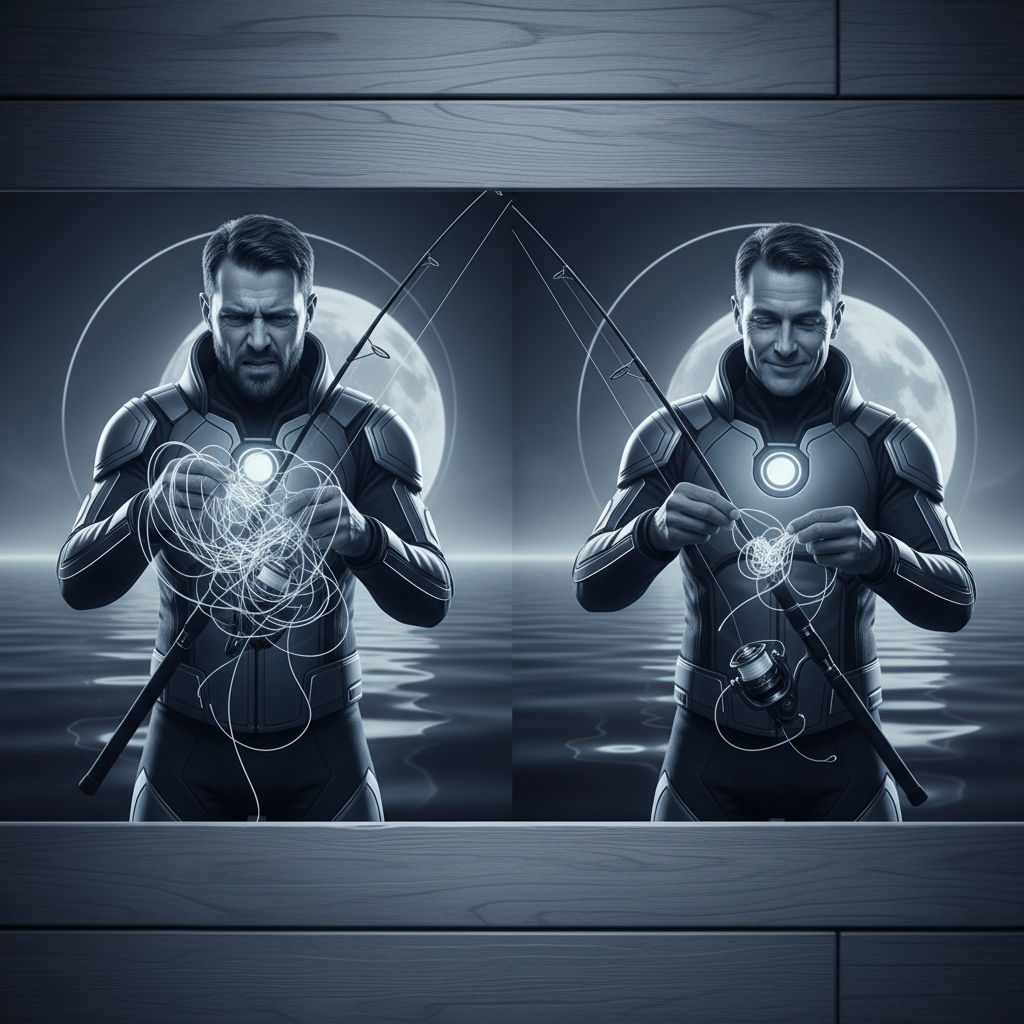
Another significant emotional mistake stems from ego. Many beginners, especially those who are successful in other areas of their lives, struggle to admit their lack of knowledge or experience in fishing. They may be reluctant to ask for help, experiment with different techniques, or even acknowledge when they’re making a mistake. This pride can be a major impediment to learning and growth.
Imagine a successful businessman who decides to take up fishing. He’s used to being in control, making decisions, and achieving results. When he encounters the unpredictable nature of fishing, his ego might prevent him from accepting advice from more experienced anglers. He might dismiss their suggestions as outdated or irrelevant, relying instead on his own limited knowledge and preconceived notions. This stubbornness can lead to repeated failures and a growing sense of frustration. The very qualities that made him successful in business—confidence, decisiveness, and a drive to succeed—become liabilities in the context of fishing.
The solution lies in embracing humility. Acknowledge that you’re a beginner and that you have much to learn. Seek out advice from experienced anglers, join a local fishing club, or even hire a guide. Be open to experimentation, willing to try new techniques, and honest about your mistakes. Remember that fishing is a lifelong learning process, and even the most seasoned anglers are constantly learning and refining their skills. The ability to admit your shortcomings and learn from others is a sign of strength, not weakness.
The Illusion of Control
One of the hardest lessons for beginners to learn is that they are not in complete control. The fish don’t always cooperate, the weather can change unexpectedly, and even the best-laid plans can go awry. Trying to force success or control every aspect of the fishing experience is a recipe for frustration and disappointment. Fishing is, at its core, about adapting to unpredictable circumstances and making the best of what you have.
Consider the example of a beginner who meticulously plans a fishing trip, checking the weather forecast, studying maps, and packing all the “essential” gear. He arrives at his chosen spot with high expectations, only to find that the fish aren’t biting. Instead of accepting the situation and adapting his approach, he becomes increasingly agitated, blaming the weather, the spot, or even his own equipment. He might try changing lures every few minutes, casting further and further, or even moving to a different location altogether. However, his underlying frustration and inflexibility prevent him from truly connecting with the environment and making informed decisions. In the end, he returns home empty-handed, convinced that he’s simply unlucky.
The key is to relinquish the illusion of control. Accept that there are factors beyond your influence and focus on what you can control: your attitude, your technique, and your willingness to learn. Be prepared to adapt your plans based on the conditions, experiment with different approaches, and most importantly, enjoy the process, regardless of the outcome. By embracing uncertainty and focusing on the present moment, you’ll not only become a more successful angler, but you’ll also cultivate a greater sense of resilience and adaptability in all aspects of your life.
Transforming Frustration into Fuel: A Growth Mindset
The experience of frustration is inevitable in fishing. It’s how you respond to that frustration that ultimately determines your success and enjoyment. Instead of viewing frustration as a sign of failure, try to reframe it as an opportunity for growth. Adopt a growth mindset, believing that your abilities and intelligence can be developed through dedication and hard work.
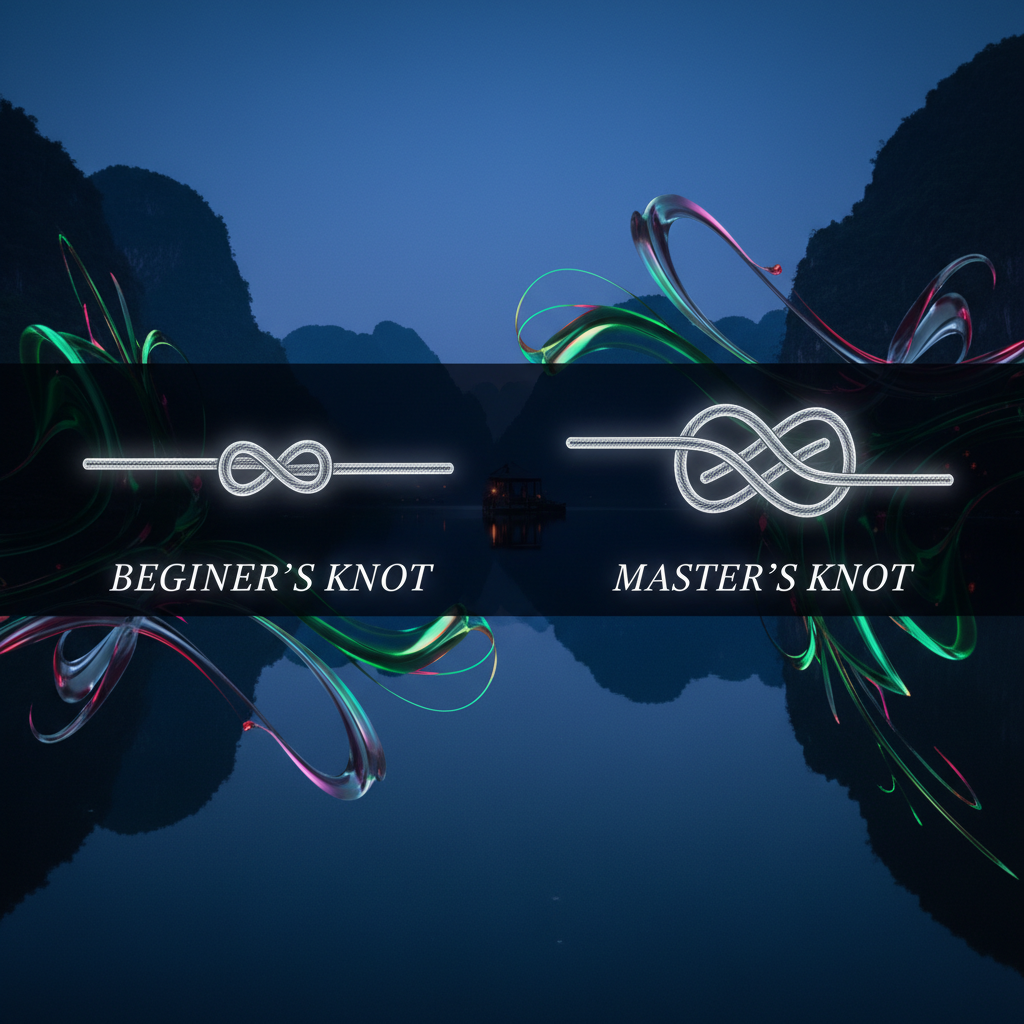
Imagine a beginner who consistently struggles to tie a specific knot. Instead of giving up or resorting to a simpler, less effective knot, he views the challenge as an opportunity to improve his knot-tying skills. He might watch instructional videos, practice diligently, and seek feedback from more experienced anglers. Each failed attempt is not a setback, but a step closer to mastery. He understands that learning takes time and effort, and that setbacks are a natural part of the process. Over time, his persistence pays off, and he becomes proficient at tying the knot, gaining confidence and a sense of accomplishment.
The same principle applies to all aspects of fishing. When you encounter challenges, such as struggling to cast accurately, finding the right bait, or locating fish, view them as opportunities to learn and improve. Seek out information, experiment with different approaches, and don’t be afraid to ask for help. Embrace the learning process, celebrate small victories, and remember that every mistake is a valuable lesson. By cultivating a growth mindset, you’ll not only become a more skilled angler, but you’ll also develop a greater sense of resilience and adaptability in the face of adversity.
The Power of Observation and Reflection
One of the most powerful tools for managing emotions and improving your fishing skills is observation and reflection. Pay attention to your surroundings, the behavior of the fish, and your own thoughts and feelings. Take time to reflect on your experiences, analyzing what worked, what didn’t, and why.
Consider the example of a beginner who spends a day fishing without any success. Instead of simply writing it off as a bad day, he takes the time to reflect on his experience. He analyzes the weather conditions, the water clarity, the bait he used, and his casting technique. He might realize that he was fishing in the wrong location, using the wrong lure, or casting too aggressively. He also pays attention to his own emotional state, recognizing that he became increasingly frustrated and impatient as the day went on. Armed with these insights, he can make adjustments to his approach on his next fishing trip, increasing his chances of success.
Reflection is not just about analyzing your failures; it’s also about celebrating your successes. When you do catch a fish, take the time to understand why. What did you do differently? What factors contributed to your success? By analyzing your successes, you can identify patterns and replicate them in the future. Observation and reflection are ongoing processes that can help you to become a more mindful and effective angler.
Patience as a Virtue: Cultivating Inner Calm
Patience is arguably the most crucial virtue in fishing, and it’s often the first casualty of emotional mismanagement. When expectations are high and results are slow, impatience can creep in, leading to impulsive decisions and poor technique. Cultivating inner calm and developing a patient approach is essential for long-term success and enjoyment.
Imagine a beginner who arrives at a fishing spot with a limited amount of time. He’s eager to catch a fish quickly, so he starts casting aggressively, changing lures frequently, and moving from spot to spot without giving each location a fair chance. His impatience prevents him from settling into a rhythm, observing the environment, and making informed decisions. He becomes increasingly frustrated and agitated, ultimately leaving empty-handed and feeling defeated. His lack of patience sabotaged his chances of success.
The key to cultivating patience is to shift your focus from the outcome to the process. Appreciate the simple act of casting, the beauty of the surroundings, and the challenge of mastering new techniques. Practice mindfulness, focusing on the present moment and letting go of expectations. When you feel impatience creeping in, take a deep breath, relax your muscles, and remind yourself that fishing is a marathon, not a sprint. By cultivating inner calm, you’ll be better equipped to make sound decisions, adapt to changing conditions, and ultimately, increase your chances of success.

The Art of Letting Go
One of the most liberating skills you can develop as an angler is the art of letting go. This means letting go of expectations, letting go of control, and letting go of the need to catch a fish. When you can truly let go, you’ll find that you enjoy fishing more, and ironically, you’ll also increase your chances of success.
Consider the example of a beginner who is determined to catch a specific type of fish. He spends hours researching its habits, studying maps, and selecting the “perfect” bait. He arrives at his chosen spot with unwavering determination, only to find that the fish aren’t biting. Instead of letting go of his expectations and adapting his approach, he becomes increasingly fixated on his original goal, stubbornly refusing to try anything else. His rigidity prevents him from exploring other possibilities and ultimately leads to frustration and disappointment.
The key is to be open to whatever the fishing experience brings. Be willing to try new things, explore different locations, and target different species. Don’t be afraid to deviate from your original plan if the conditions warrant it. Most importantly, don’t let the need to catch a fish overshadow the simple joy of being outdoors. By letting go of expectations and embracing the present moment, you’ll discover a deeper appreciation for the art of fishing.
Building Emotional Resilience: A Lifelong Journey
Mastering the emotional aspects of fishing is not a one-time achievement; it’s a lifelong journey. Just as your fishing skills will continue to evolve, so too will your ability to manage your emotions and maintain a positive attitude in the face of challenges. Building emotional resilience is an ongoing process that requires self-awareness, practice, and a willingness to learn from your experiences.
Think of emotional resilience as a muscle that needs to be exercised regularly. The more you practice managing your emotions in challenging situations, the stronger your resilience will become. Start by identifying your emotional triggers—the specific situations or thoughts that tend to lead to frustration, anger, or disappointment. Once you’re aware of your triggers, you can develop strategies for managing them. This might involve taking deep breaths, reframing your thoughts, or simply taking a break from fishing to clear your head.
It’s also important to surround yourself with a supportive community of anglers. Share your experiences, both successes and failures, with others who understand the challenges of fishing. Learn from their insights and offer your own support in return. By building a strong network of relationships, you’ll have a valuable resource to draw upon when you’re facing emotional difficulties.

Ultimately, the biggest emotional mistake beginners make is viewing fishing as solely about catching fish. It’s about the connection with nature, the challenge of mastering new skills, and the opportunity to cultivate patience, resilience, and inner calm. By shifting your focus from the outcome to the process, embracing a growth mindset, and developing the art of letting go, you can transform frustration into fuel and embark on a lifelong journey of learning, growth, and enjoyment. Embrace the journey, learn from every experience, and remember that the true reward of fishing lies not just in the catch, but in the moments of connection, challenge, and personal growth along the way. So, the next time you find yourself feeling frustrated on the water, take a deep breath, remember these lessons, and let the experience shape you into a better angler, and a more resilient individual.